Requesting Discovery Form Without A Lawyer In Queens
Description
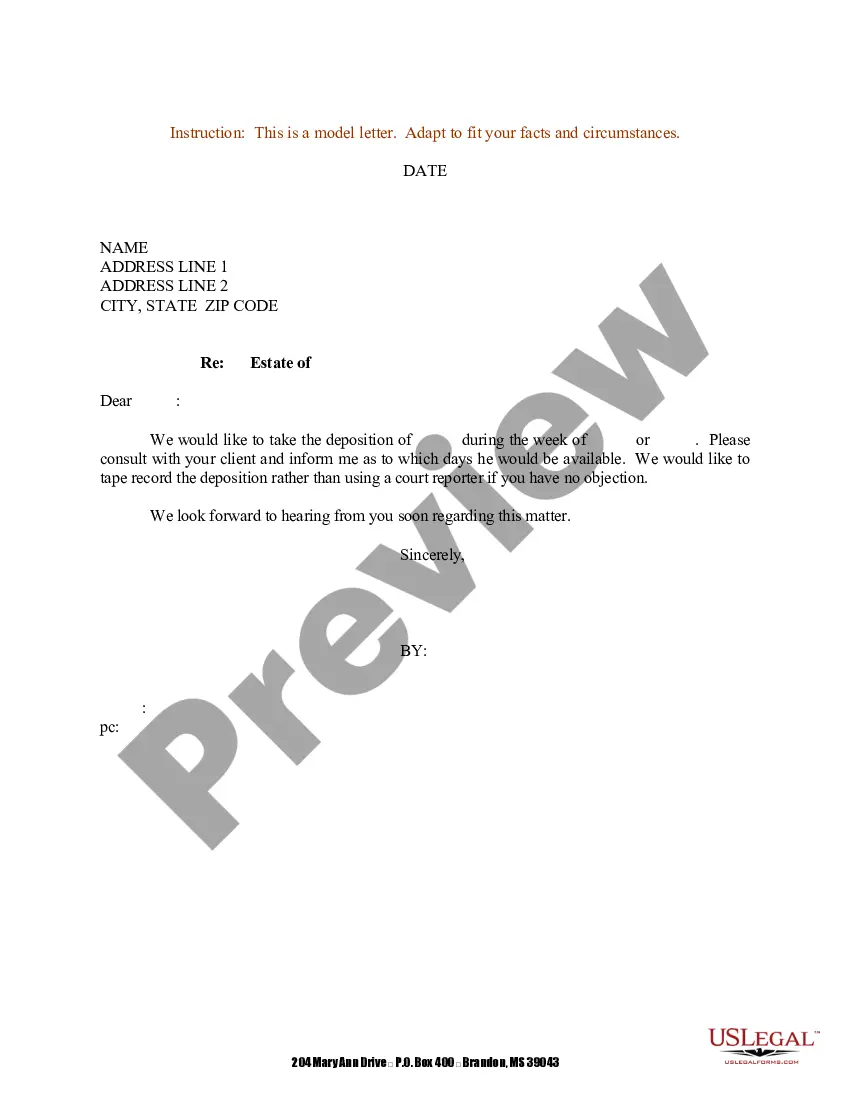
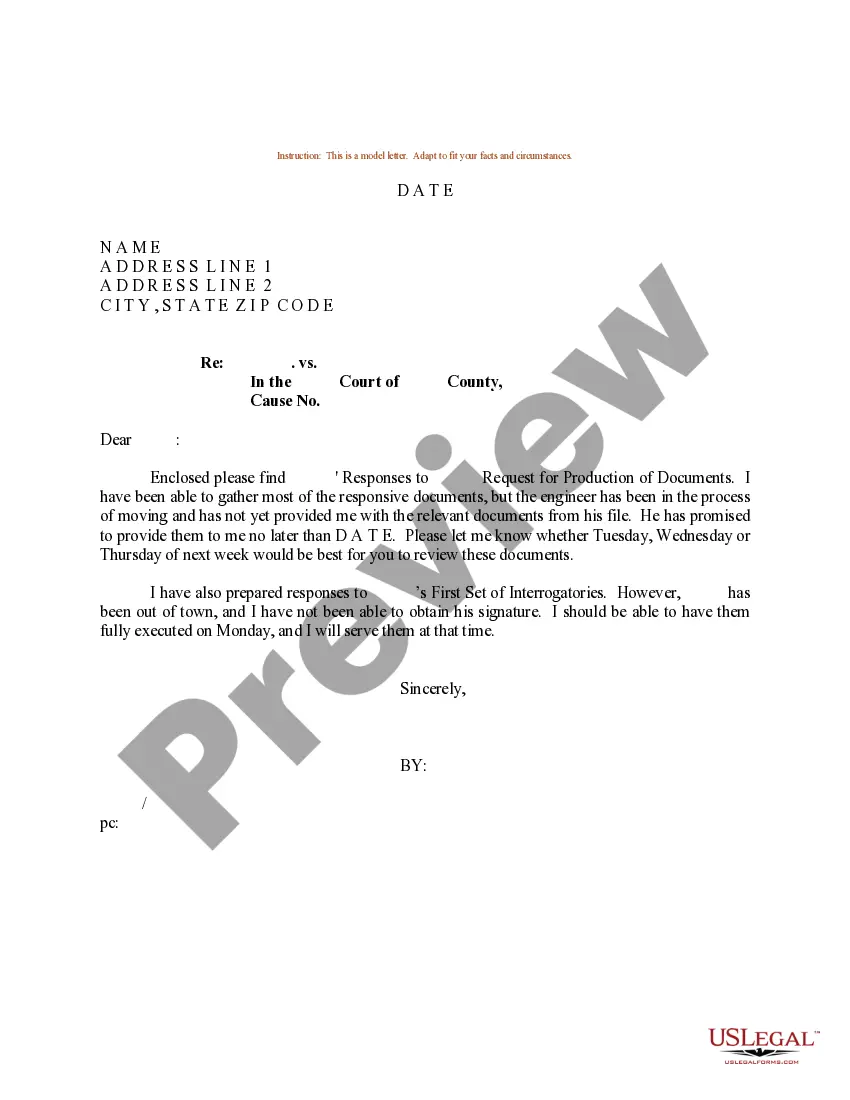
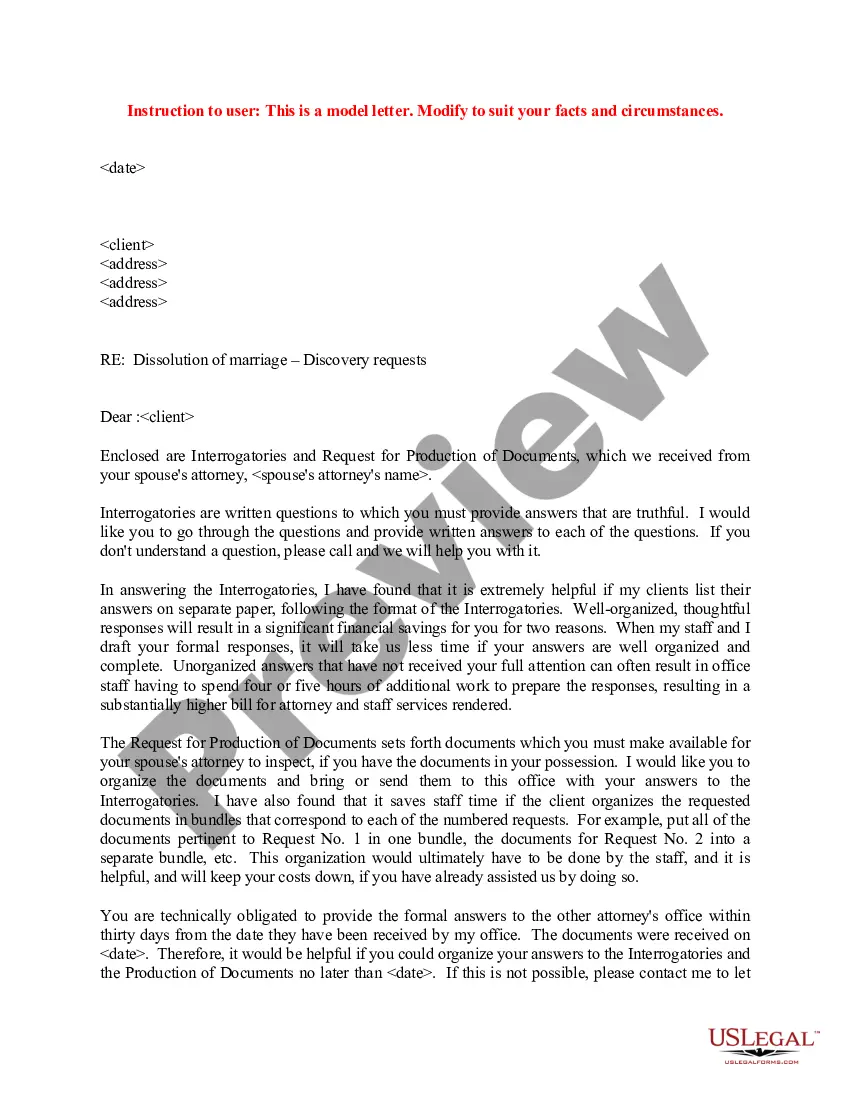
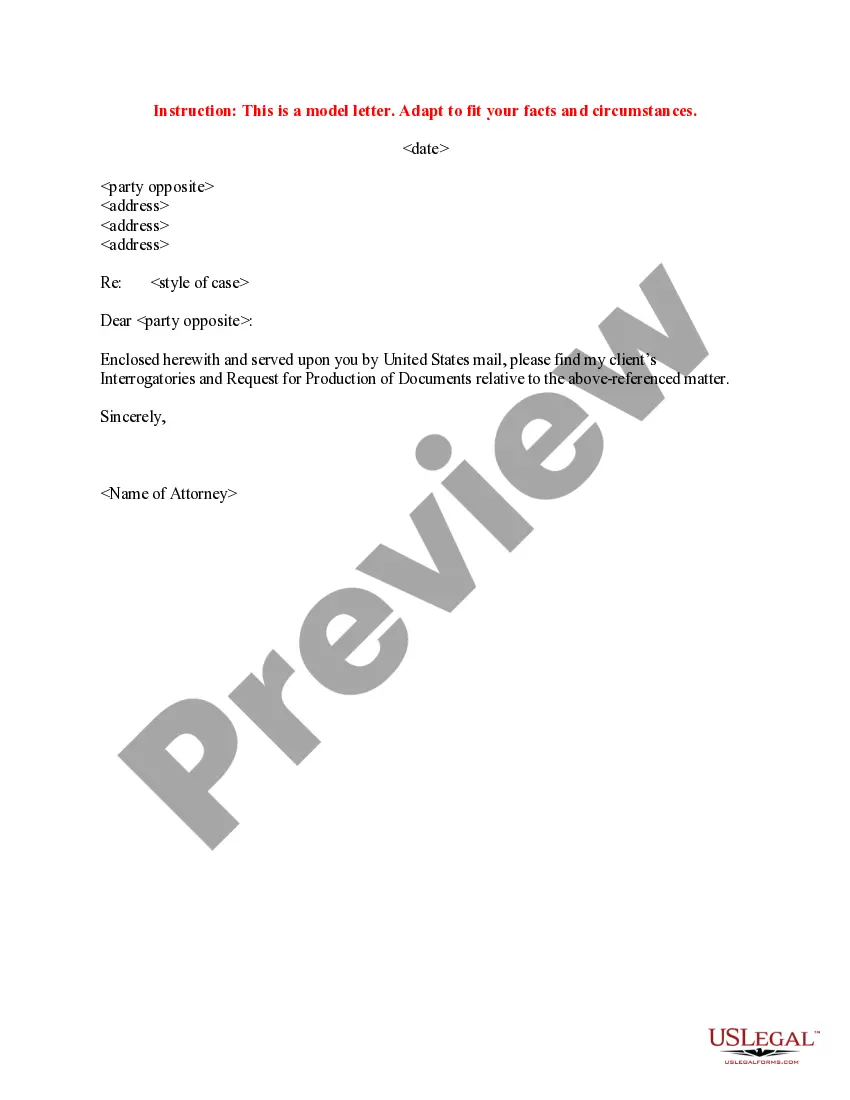
Get your form ready online
Our built-in tools help you complete, sign, share, and store your documents in one place.
Make edits, fill in missing information, and update formatting in US Legal Forms—just like you would in MS Word.
Download a copy, print it, send it by email, or mail it via USPS—whatever works best for your next step.
Sign and collect signatures with our SignNow integration. Send to multiple recipients, set reminders, and more. Go Premium to unlock E-Sign.
If this form requires notarization, complete it online through a secure video call—no need to meet a notary in person or wait for an appointment.
We protect your documents and personal data by following strict security and privacy standards.

Make edits, fill in missing information, and update formatting in US Legal Forms—just like you would in MS Word.

Download a copy, print it, send it by email, or mail it via USPS—whatever works best for your next step.

Sign and collect signatures with our SignNow integration. Send to multiple recipients, set reminders, and more. Go Premium to unlock E-Sign.

If this form requires notarization, complete it online through a secure video call—no need to meet a notary in person or wait for an appointment.

We protect your documents and personal data by following strict security and privacy standards.
Looking for another form?






Form popularity
FAQ
In the United States, there are five basic forms of discovery: depositions, interrogatories, requests for production of documents (or permission to inspect), physical and mental examinations, and requests for admission.
Steps Of The Discovery Process. There are four key actions in the discovery process which include interrogatories, request for documents, request for admissions, and depositions.
A defendant can also file a Notice of Intent to Defend, which allows them an additional 10 days to file their Statement of Defence. A defendant which resides elsewhere in Canada or the United States has 40 day to file and serve a Statement of Defence.
How Does Discovery Work? There are four main types of discovery requests: (1) depositions; (2) interrogatories; (3) requests for admissions; and (4) requests for the production of documents. Depositions are formal witness interviews.
During the discovery process, parties to a lawsuit may use a variety of tools to obtain information, including written interrogatories, depositions, requests for admissions, and requests for production of documents. The specific discovery tools used will depend on the nature of the case and the issues involved.
The purpose of a Discovery Document is to gather and document essential information to ensure that the project team, stakeholders, and relevant parties have a clear and common understanding of what needs to be accomplished and how to achieve it.
Effective January 1, 2020, New York State is replacing its discovery law, dubbed the “blindfold” law, with a new statute requiring the sharing of evidence by default between the prosecution and defense on an accelerated timeline.
(b) Document Demand: As the name indicates, this is a written demand in which one party demands that the other produce certain documents for inspection and copying. (This device is also referred to as a notice of discovery and inspection). The demand must define the items sought with reasonable particularity.
Discovery is a process by which the parties gather and exchange information that is important to the case. What is the Purpose of Discovery? The purpose of discovery is to provide parties the opportunity to gather evidence relevant to proving or defending the case.

