Requesting Discovery Form Withdrawal In Pennsylvania
Description
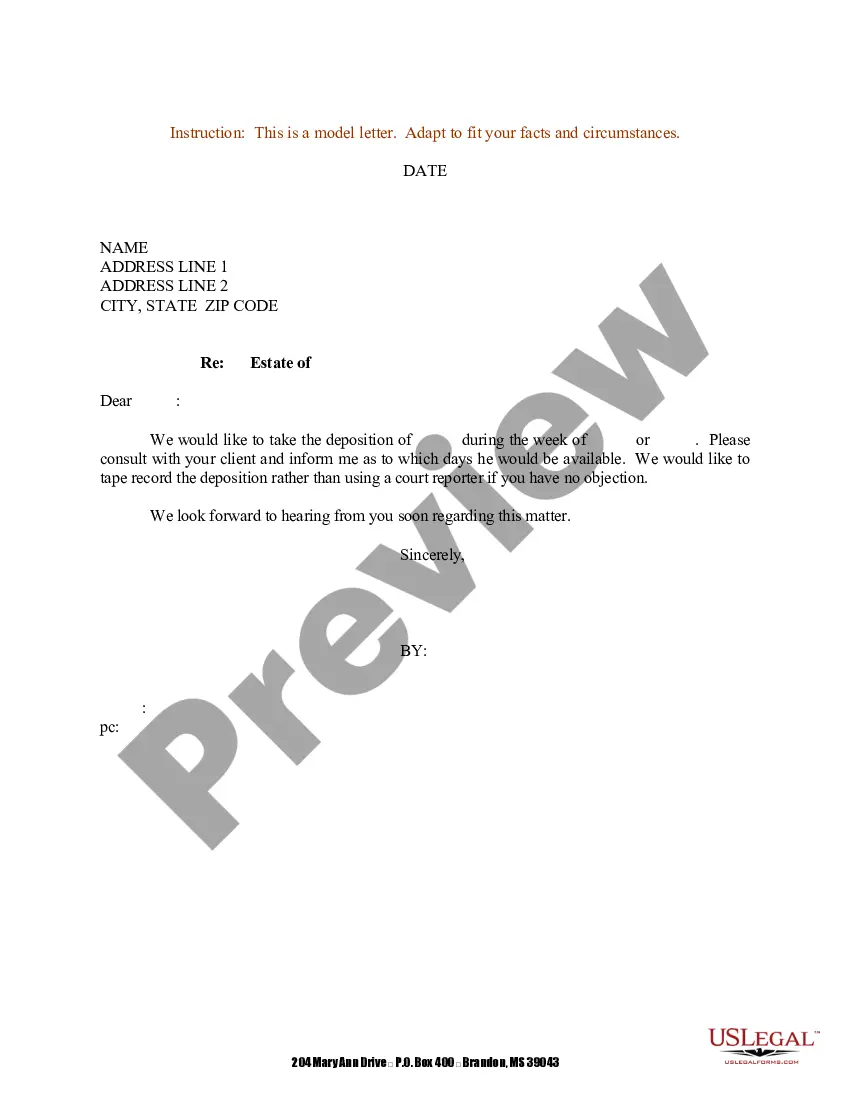
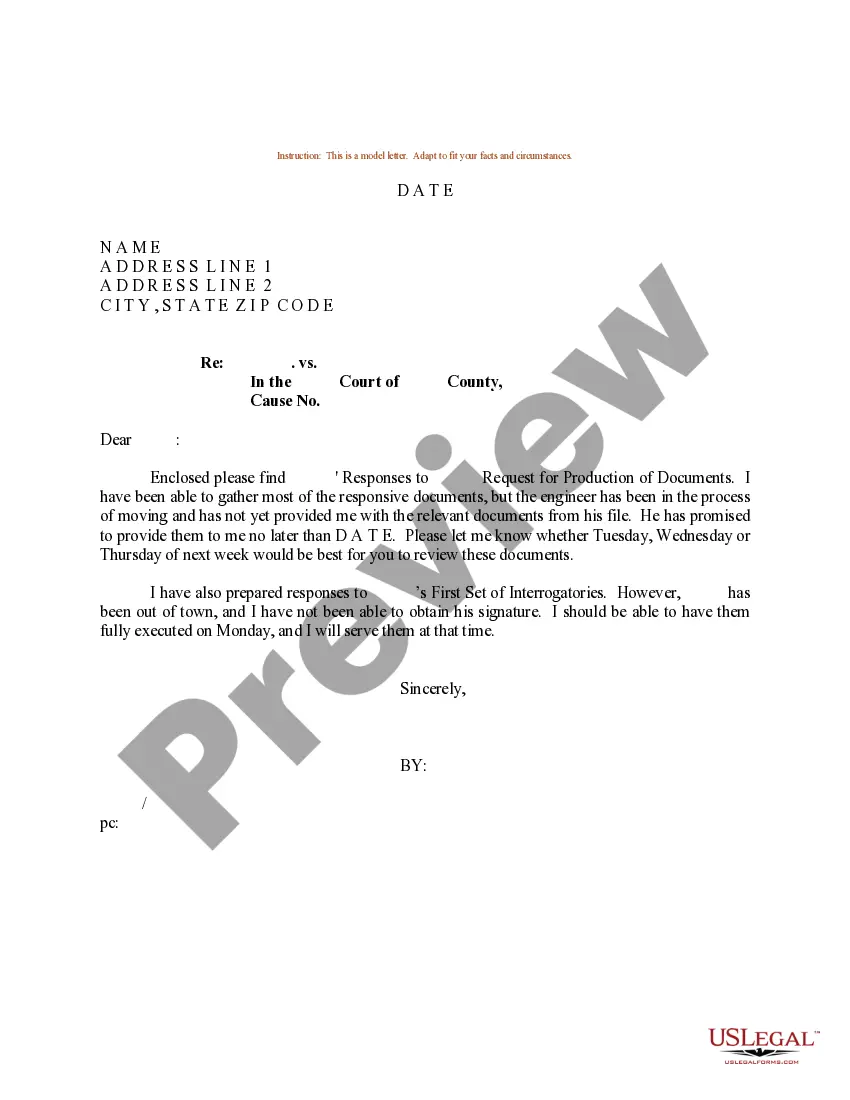
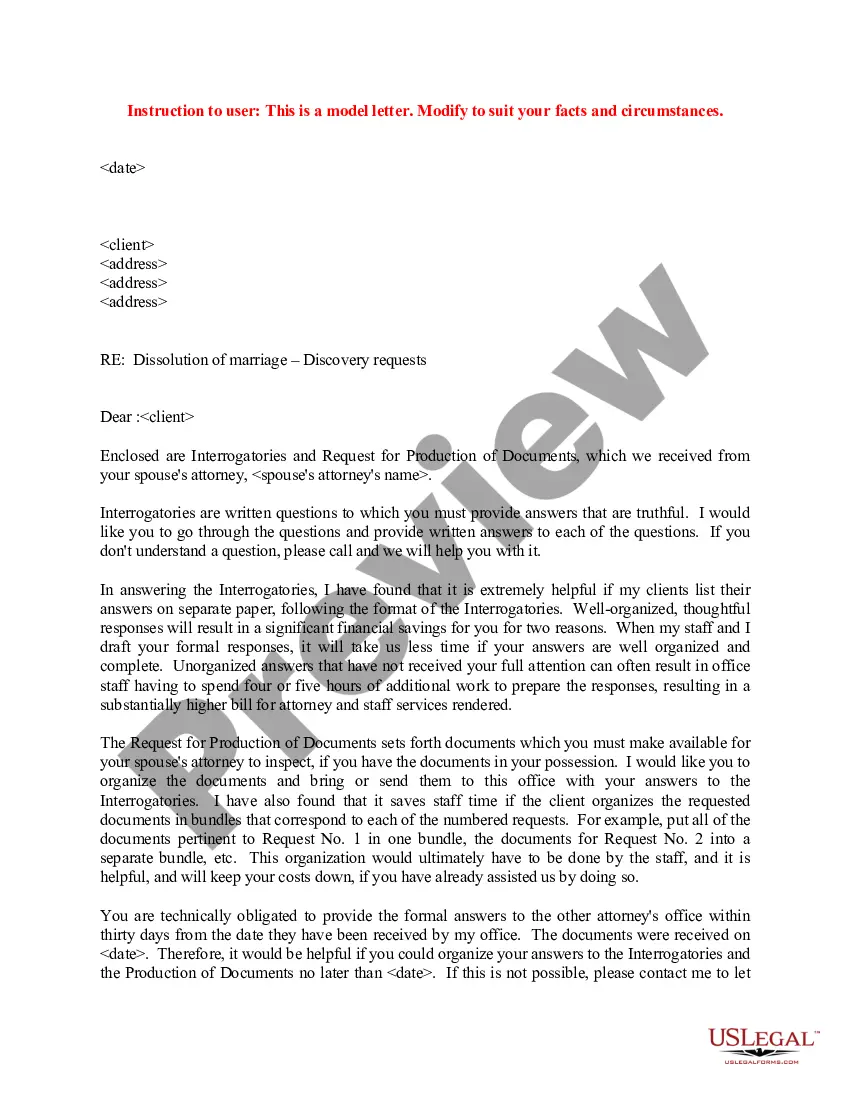
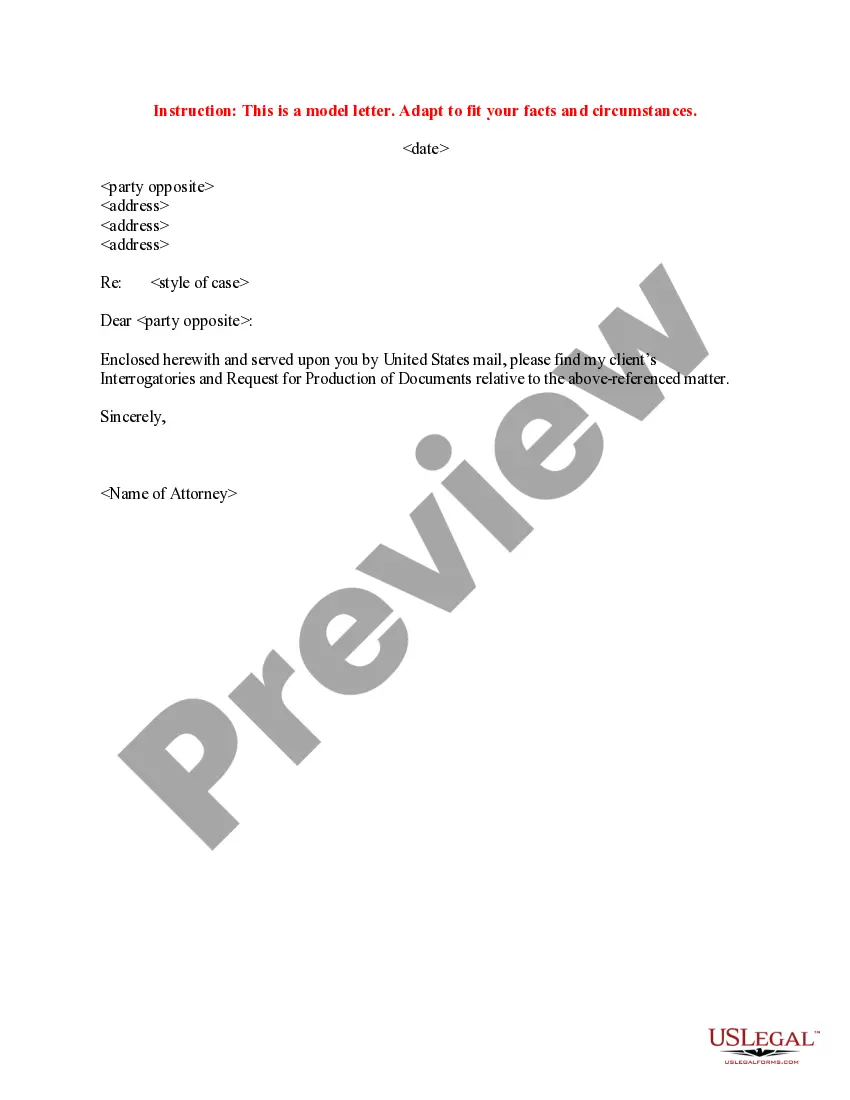
Get your form ready online
Our built-in tools help you complete, sign, share, and store your documents in one place.
Make edits, fill in missing information, and update formatting in US Legal Forms—just like you would in MS Word.
Download a copy, print it, send it by email, or mail it via USPS—whatever works best for your next step.
Sign and collect signatures with our SignNow integration. Send to multiple recipients, set reminders, and more. Go Premium to unlock E-Sign.
If this form requires notarization, complete it online through a secure video call—no need to meet a notary in person or wait for an appointment.
We protect your documents and personal data by following strict security and privacy standards.

Make edits, fill in missing information, and update formatting in US Legal Forms—just like you would in MS Word.

Download a copy, print it, send it by email, or mail it via USPS—whatever works best for your next step.

Sign and collect signatures with our SignNow integration. Send to multiple recipients, set reminders, and more. Go Premium to unlock E-Sign.

If this form requires notarization, complete it online through a secure video call—no need to meet a notary in person or wait for an appointment.

We protect your documents and personal data by following strict security and privacy standards.
Looking for another form?






Form popularity
FAQ
Under the Pennsylvania statute of limitations, a plaintiff must bring a medical negligence claim within two years after an injury occurs. There is an exception, deemed the “discovery rule,” which allows extra time to file the claim if the plaintiff was unaware of the injury until after two years had passed.
You typically have 30 days to respond to the request During the time you have to respond to discovery requests, you can still use mediation or work to negotiate a settlement with the other side. How you respond will depend upon what type of request you've received.
1 - Time For Completing Discovery - Civi (a) The parties shall complete discovery within 210 days from the filing of the complaint. Discovery will not be permitted after the 210 day period except by order of court upon good cause shown.
Generally, the prosecution must provide discovery within a set period after the defense's formal request, often ranging from a few weeks to several months. Evidence should be available to the defense either at the preliminary hearing or after the accused has been indicted by a grand jury.
For all contested Discovery motions (including third-party motions), the moving party or person shall file a Praecipe for Contested Discovery Motion. The praecipe shall identify the e-file number, and identify the party or parties against whom the motion is pending, with the relief sought.
(c) Responses to discovery motions shall be filed within 15 days of the date of service of the motion, unless the Board orders otherwise. (d) A party may file a memorandum of law in support of its discovery motion or its response to a discovery motion.
A document that a plaintiff files with the prothonotary to commence a civil action in a Pennsylvania court of common pleas before filing a complaint (Pa.
(1) The party against whom the motion to compel is directed shall file an answer within 5 days of service of the motion absent good cause or, in the alternative, respond orally at the hearing if a timely hearing has been scheduled within the same 5-day period.
Rule L212. 1 - Time For Completing Discovery - Civi (a) The parties shall complete discovery within 210 days from the filing of the complaint. Discovery will not be permitted after the 210 day period except by order of court upon good cause shown.
: a written request for an action (as the issuing of a writ of execution) from a party to a clerk of a court or sometimes to a judge.

