Requesting Discovery Form For Divorce In Pennsylvania
Description
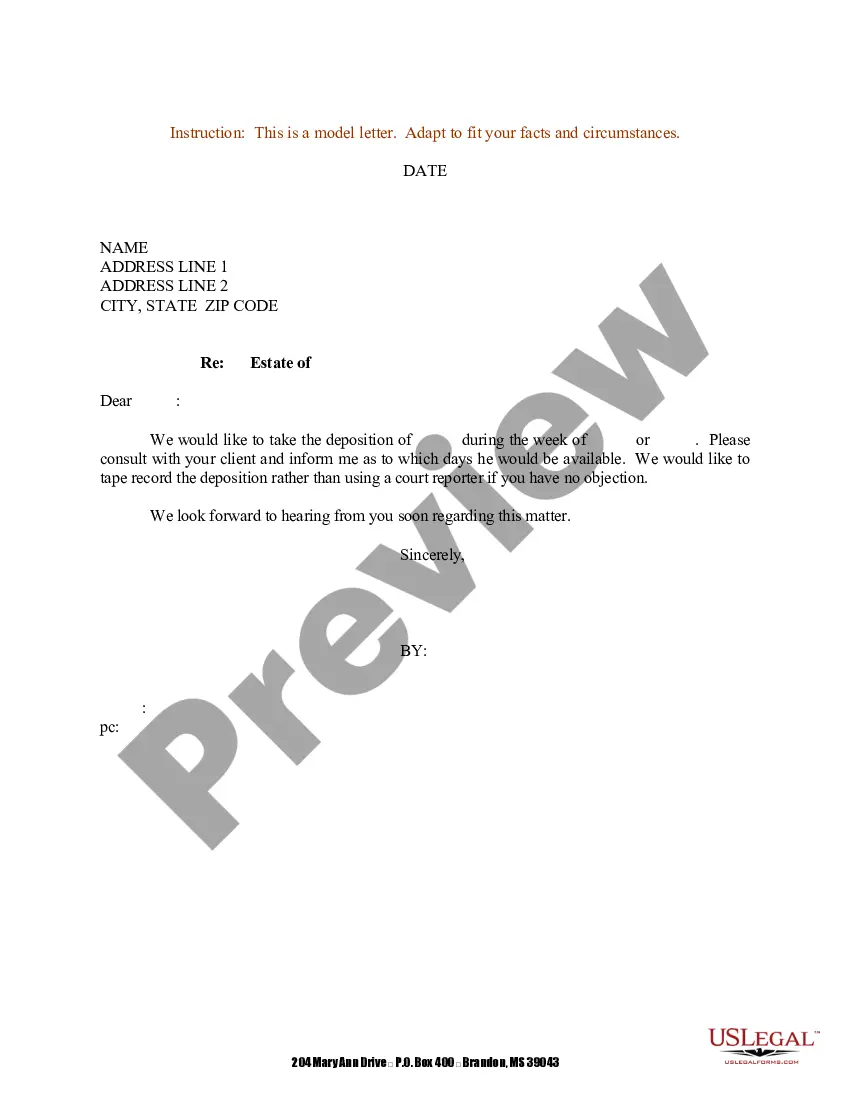
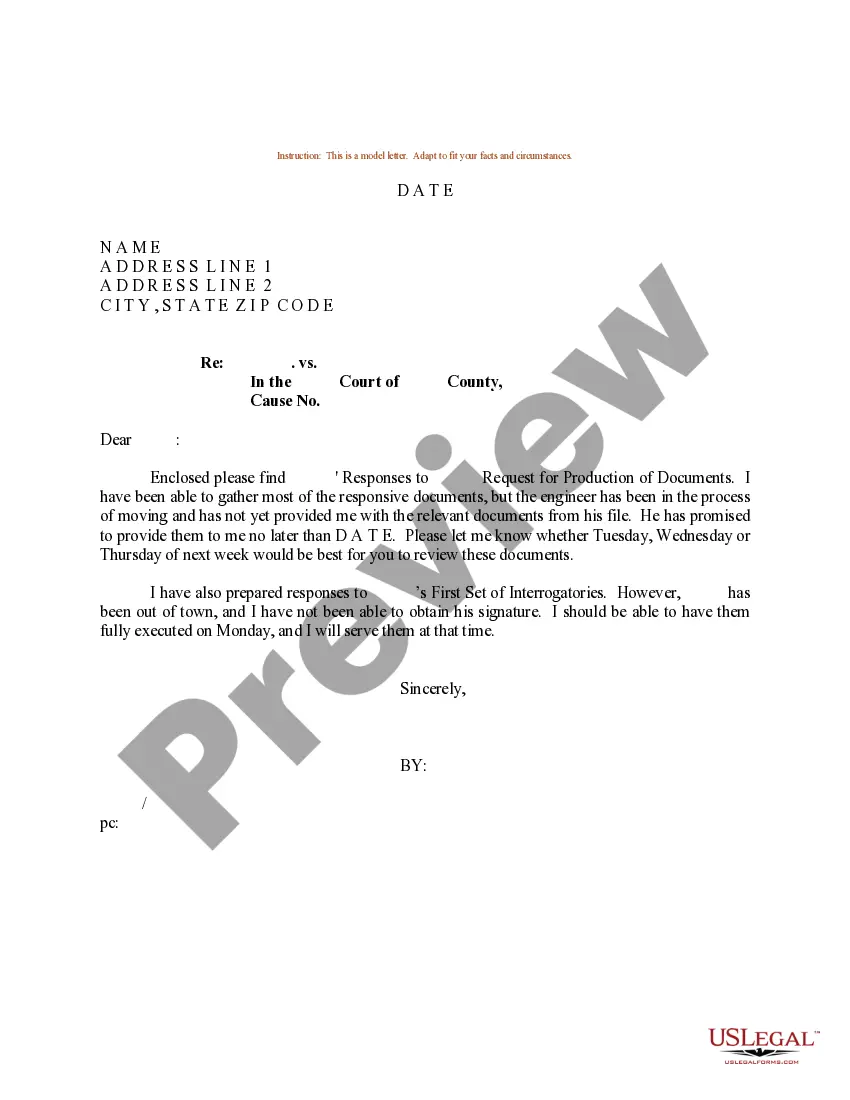
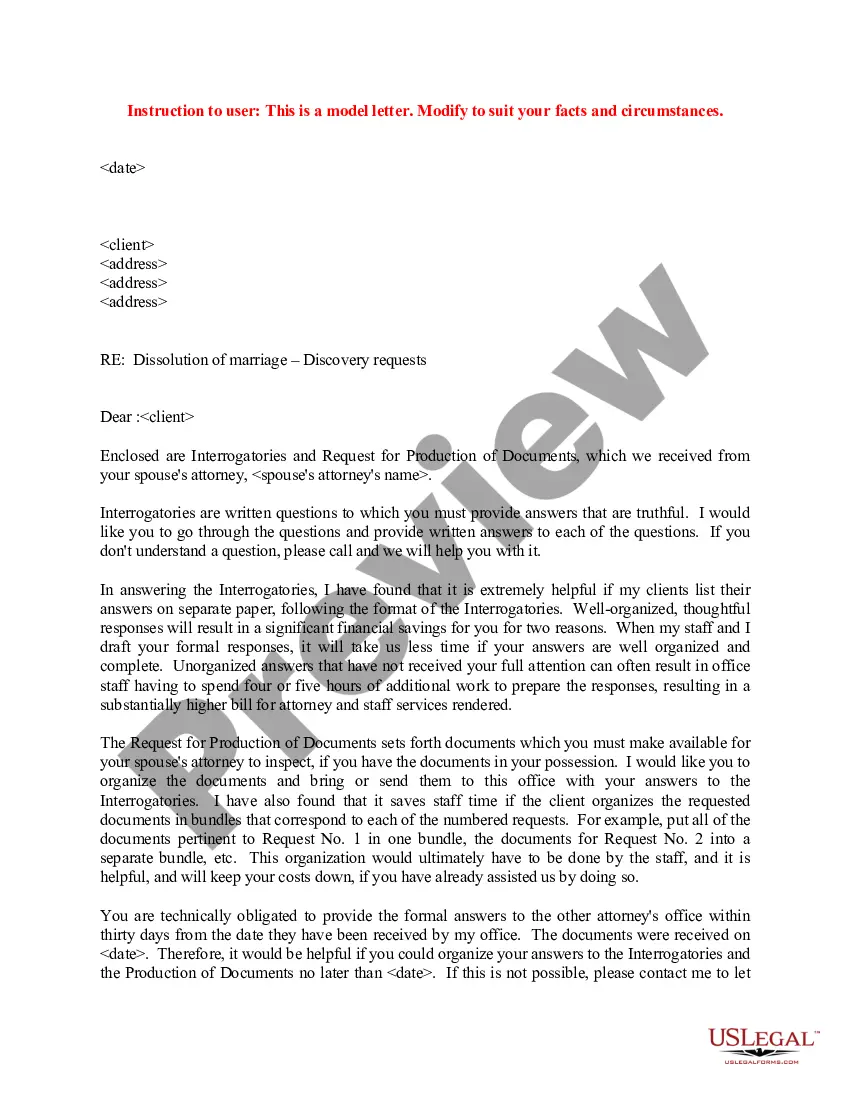
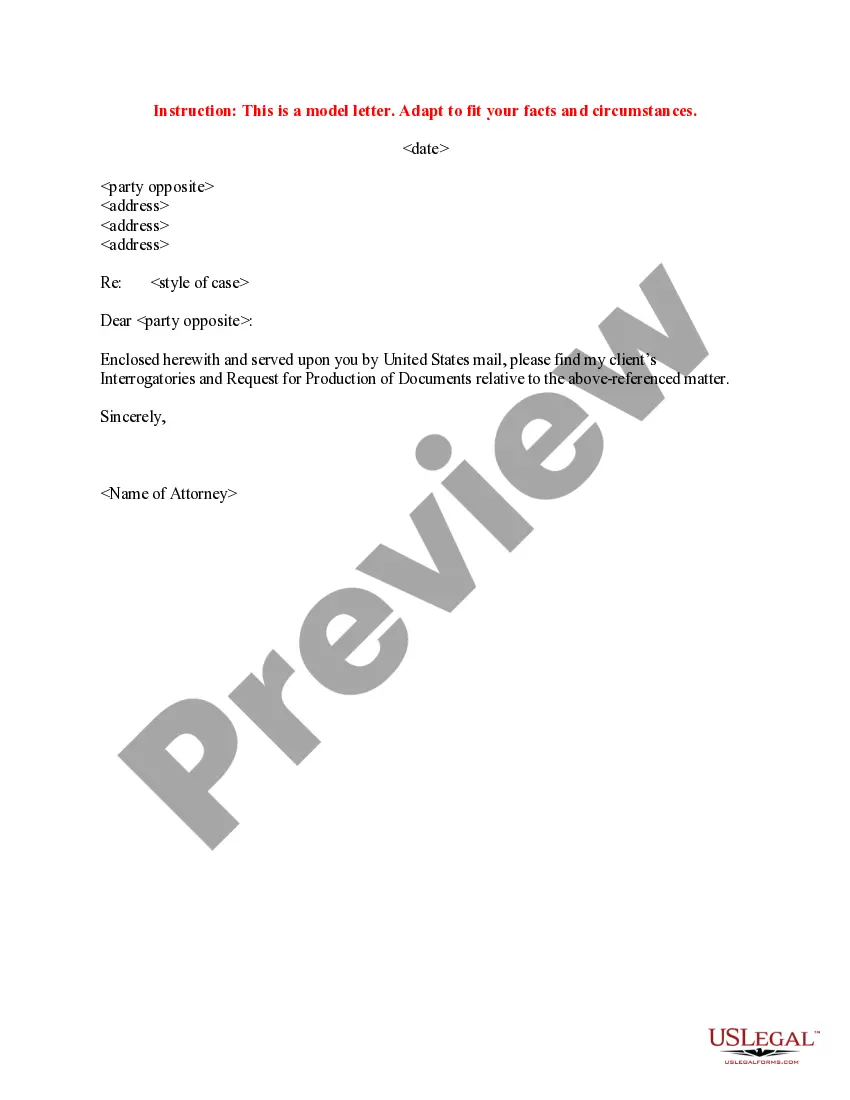
Get your form ready online
Our built-in tools help you complete, sign, share, and store your documents in one place.
Make edits, fill in missing information, and update formatting in US Legal Forms—just like you would in MS Word.
Download a copy, print it, send it by email, or mail it via USPS—whatever works best for your next step.
Sign and collect signatures with our SignNow integration. Send to multiple recipients, set reminders, and more. Go Premium to unlock E-Sign.
If this form requires notarization, complete it online through a secure video call—no need to meet a notary in person or wait for an appointment.
We protect your documents and personal data by following strict security and privacy standards.

Make edits, fill in missing information, and update formatting in US Legal Forms—just like you would in MS Word.

Download a copy, print it, send it by email, or mail it via USPS—whatever works best for your next step.

Sign and collect signatures with our SignNow integration. Send to multiple recipients, set reminders, and more. Go Premium to unlock E-Sign.

If this form requires notarization, complete it online through a secure video call—no need to meet a notary in person or wait for an appointment.

We protect your documents and personal data by following strict security and privacy standards.
Looking for another form?






Form popularity
FAQ
The easiest type of divorce, which takes the least amount of time, is called an uncontested divorce. If you're able to quickly come to an agreement with your spouse about alimony and division of property, your divorce can proceed through divorce court rather quickly.
Grounds for Divorce After filing no-fault, you will be subjected to a 90-day waiting period before a judge will sign off on the divorce. Even with the waiting period, filing no-fault is quicker than filing on fault-based grounds (i.e. adultery, desertion, cruelty, bigamy, etc.).
In theory, it may take couples who have lived separately for more than one year as little as forty days to get a divorce, and as little as ninety days for those separated for less than two years, provided that both parties consent to the divorce. However, the process may take a bit longer due to the paperwork.
Your spouse's consent and signature is not necessary to get a divorce under certain circumstances in the state of Pennsylvania.
If both spouses want a divorce and agree that the marriage cannot be saved, things are simple. After the complaint is filed, there is a 90-day waiting period. Each party then files a sworn statement that the marriage is irretrievably broken and that each wants a divorce and asks the Court to grant it.
Last October, the governor signed the law scaling separation time to one year. Anyone filing for divorce since the new law took effect in December now must complete just a one-year separation. Proponents of long separation periods argued they would give couples time to reconcile.
Divorces by mutual consent can resolve in as little as 4-6 months. Contested divorces can take from 6 months to over a year. You may or may not have a divorce trial.
Divorces by mutual consent can resolve in as little as 4-6 months. Contested divorces can take from 6 months to over a year. You may or may not have a divorce trial.
Self-represented litigants are held to the same standards as attorneys admitted to the bar of the Commonwealth of Pennsylvania. Representing yourself does not exempt you from understanding and following statewide and local Rules of Court.

