Requesting Discovery Form With Two Points In Palm Beach
Description
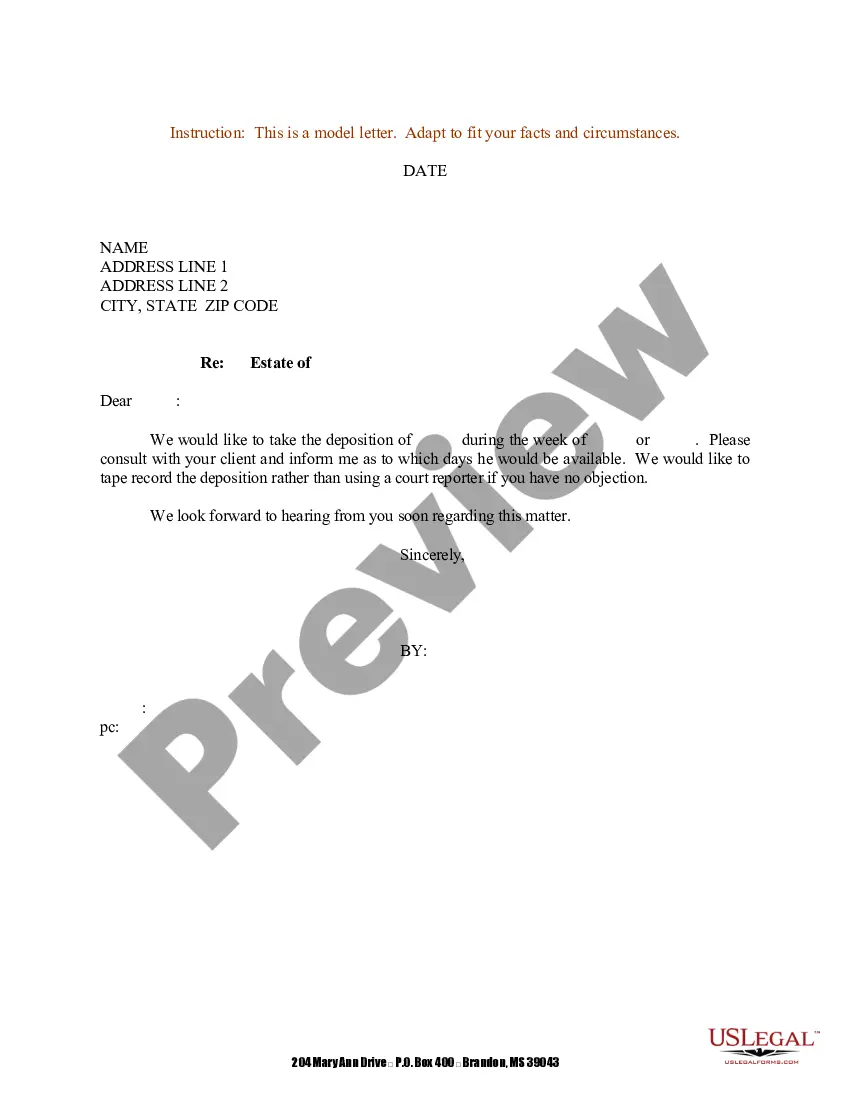
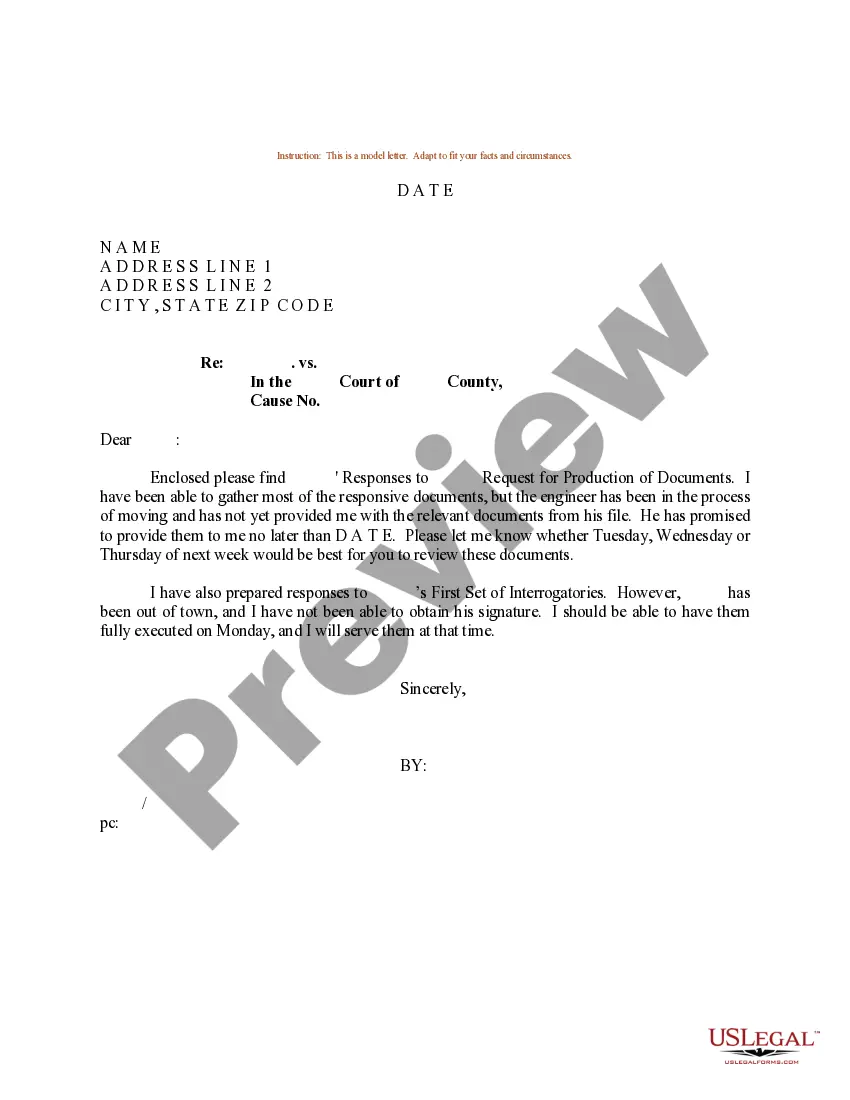
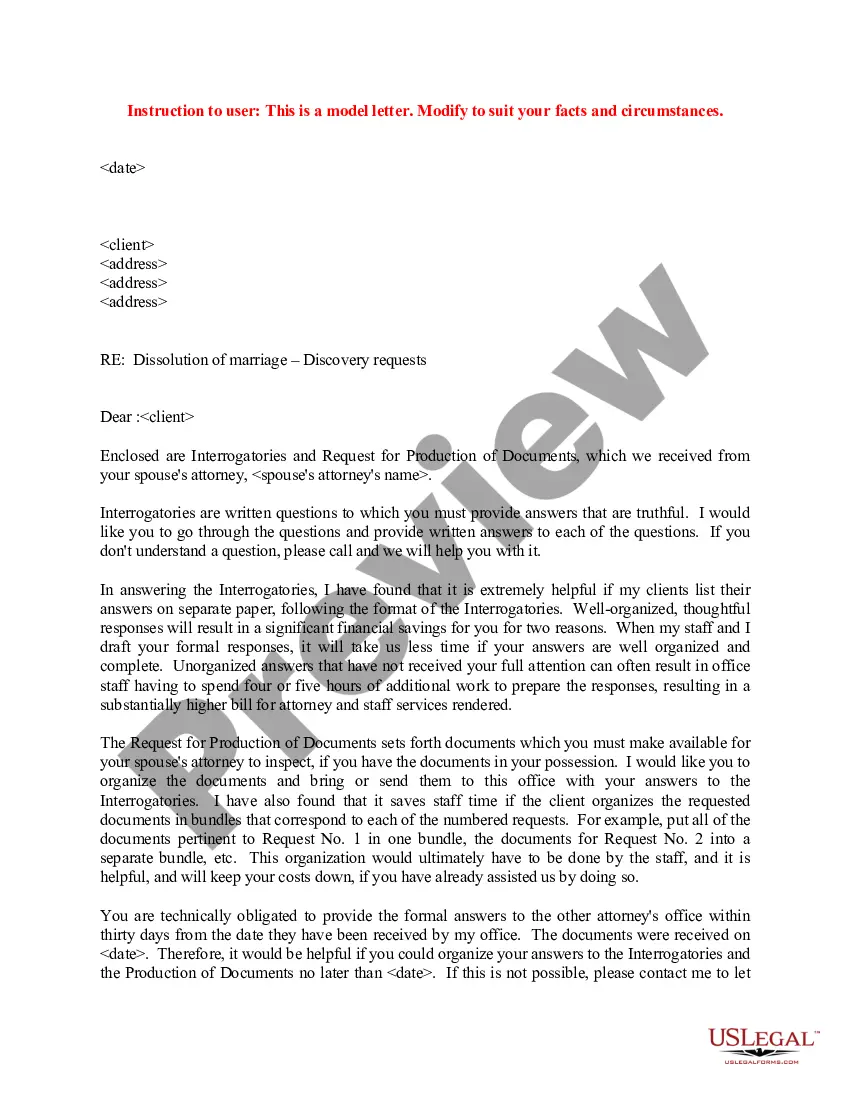
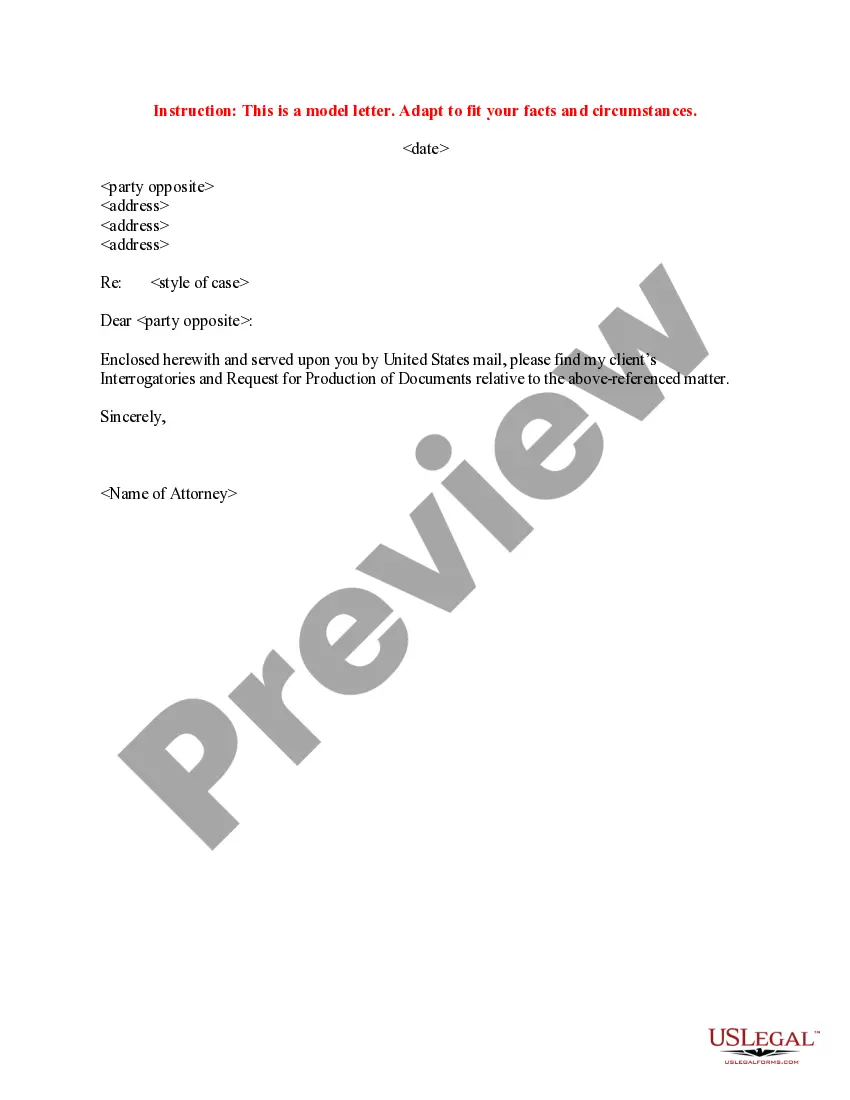
Get your form ready online
Our built-in tools help you complete, sign, share, and store your documents in one place.
Make edits, fill in missing information, and update formatting in US Legal Forms—just like you would in MS Word.
Download a copy, print it, send it by email, or mail it via USPS—whatever works best for your next step.
Sign and collect signatures with our SignNow integration. Send to multiple recipients, set reminders, and more. Go Premium to unlock E-Sign.
If this form requires notarization, complete it online through a secure video call—no need to meet a notary in person or wait for an appointment.
We protect your documents and personal data by following strict security and privacy standards.

Make edits, fill in missing information, and update formatting in US Legal Forms—just like you would in MS Word.

Download a copy, print it, send it by email, or mail it via USPS—whatever works best for your next step.

Sign and collect signatures with our SignNow integration. Send to multiple recipients, set reminders, and more. Go Premium to unlock E-Sign.

If this form requires notarization, complete it online through a secure video call—no need to meet a notary in person or wait for an appointment.

We protect your documents and personal data by following strict security and privacy standards.
Looking for another form?

Form popularity
FAQ
Important: If you do not respond within 30 days after receiving this form all the statements made by the other side will be considered true by the court. Therefore, it is very important that you respond to this request. If you do not reply, you can be bound to a statement you believe is false.
In Florida, ing to Rule of Civil Procedure 1.070 (j), a complaint must be served on the defendant within 120 days of its filing. If it is not served within the time frame specified, a motion to dismiss is appropriate, and the case is dismissed without prejudice.
Parties usually send their discovery requests and responses to the other party electronically, by email. But, parties may also send or respond to discovery requests by U.S. mail or a parcel service. Discovery requests and responses should not be sent to the Administrative Judge, except to support a motion.
If you have received discovery requests (which would probably come in the mail), you have thirty days to mail your written responses back to the other side. Missing that thirty-day deadline can be serious. It could even result in you losing the case.
The date you discover your injuries — not the date of the accident – becomes the date from which you calculate the time limit. This rule is about fairness and allows accident victims to recover compensation for injuries that are immediately apparent.
Discovery Served with the Statement of Claim / Complaint If a written discovery request is served upon a Defendant contemporaneously with Plaintiff's complaint, Defendant must serve its responses to the discovery within 45 days of the date of service of Plaintiff's Complaint.
Proper Discovery Objections To Requests For Production Ambiguous (only if the question is really unintelligible) Cembrook v Superior Court (56 C2d 423, 430) Improper form CCP § 2031.030 Information equally available CCP § 2031.230 Insufficient particularity CCP § 2031.030(c)(1)
(1) Unless a different time is prescribed in a statute of Florida, a defendant shall serve an answer within 20 days after service of original process and the initial pleading on the defendant, or not later than the date fixed in a notice by publication.
Parties may obtain discovery regarding any nonprivileged matter that is relevant to any party's claim or defense and proportional to the needs of the case, considering the importance of the issues at stake in the action, the amount in controversy, the parties' relative access to relevant information, the parties' ...
Steps Of The Discovery Process. There are four key actions in the discovery process which include interrogatories, request for documents, request for admissions, and depositions.

