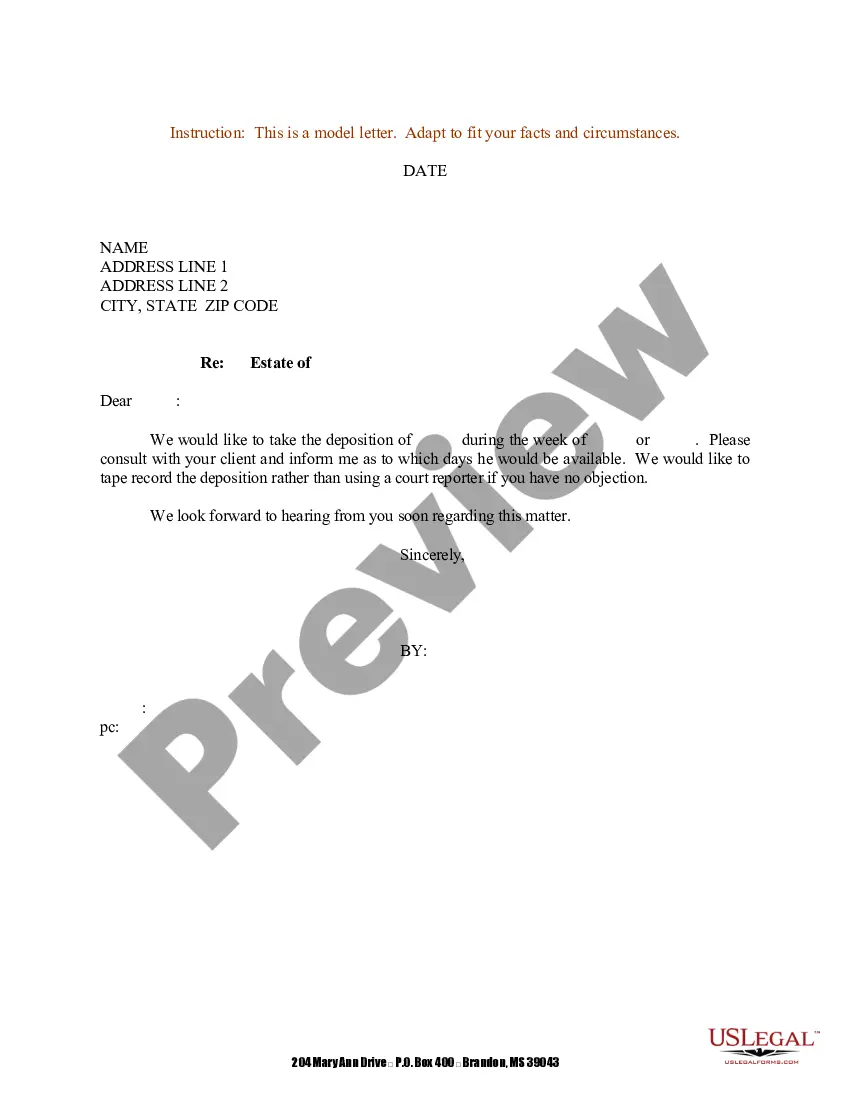
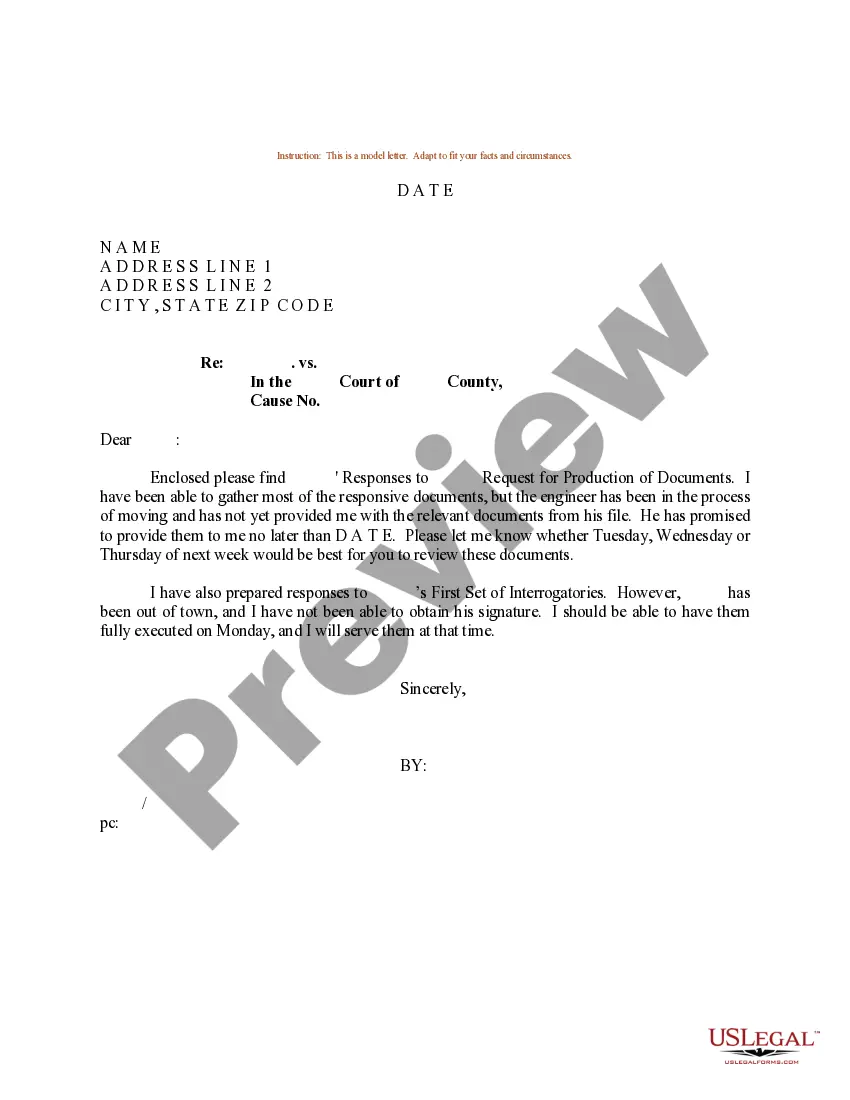
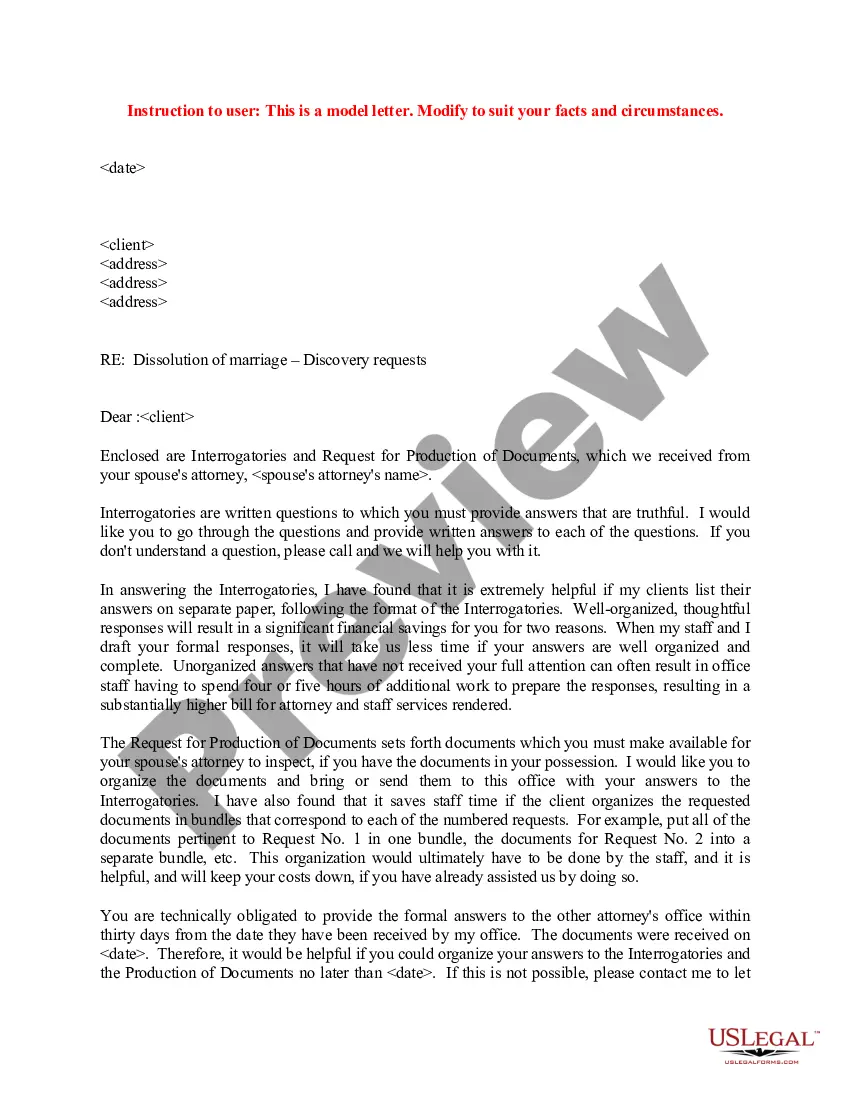
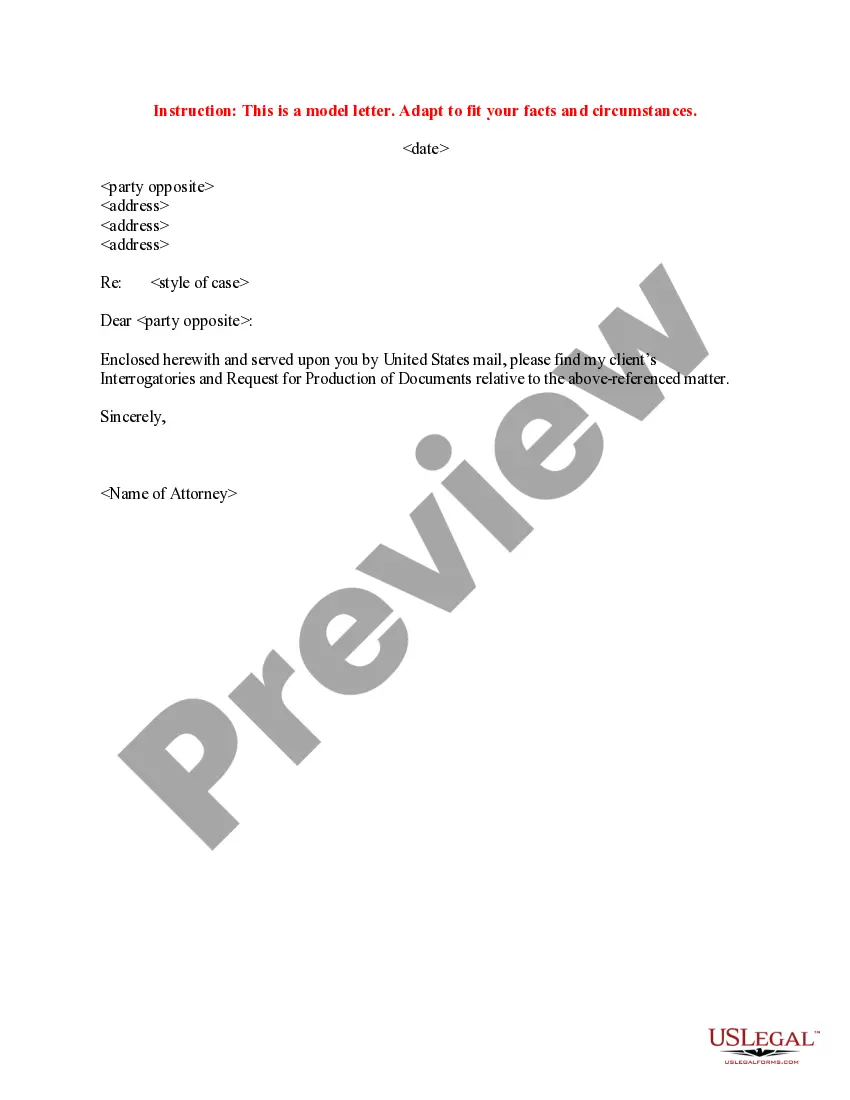
Requesting Discovery Form Withdrawal In North Carolina
Description
Get your form ready online
Our built-in tools help you complete, sign, share, and store your documents in one place.
Make edits, fill in missing information, and update formatting in US Legal Forms—just like you would in MS Word.
Download a copy, print it, send it by email, or mail it via USPS—whatever works best for your next step.
Sign and collect signatures with our SignNow integration. Send to multiple recipients, set reminders, and more. Go Premium to unlock E-Sign.
If this form requires notarization, complete it online through a secure video call—no need to meet a notary in person or wait for an appointment.
We protect your documents and personal data by following strict security and privacy standards.

Make edits, fill in missing information, and update formatting in US Legal Forms—just like you would in MS Word.

Download a copy, print it, send it by email, or mail it via USPS—whatever works best for your next step.

Sign and collect signatures with our SignNow integration. Send to multiple recipients, set reminders, and more. Go Premium to unlock E-Sign.

If this form requires notarization, complete it online through a secure video call—no need to meet a notary in person or wait for an appointment.

We protect your documents and personal data by following strict security and privacy standards.
Looking for another form?









Form popularity
FAQ
(a) The court on motion of the defendant must dismiss the charges stated in a criminal pleading if it determines that: (1) The statute alleged to have been violated is unconstitutional on its face or as applied to the defendant. (2) The statute of limitations has run.
The court may grant a motion to dismiss if the plaintiff's complaint fails to allege all the elements of a claim adequately. Or the court may grant it if the complaint fails to allege a measurable injury.
– Parties may obtain discovery regarding any matter, not privileged, which is relevant to the subject matter involved in the pending action, whether it relates to the claim or defense of the party seeking discovery or to the claim or defense of any other party, including the existence, description, nature, custody, ...
A motion to dismiss requests the court to dismiss a case on the grounds that even if all the allegations are true, there is no legal basis for the lawsuit to proceed.
The request is filed in superior court. A request for voluntary discovery must be filed before filing a motion for discovery or a motion to compel, although many practitioners combine the request with an alternative motion, as discussed in “Practice Tips,” below.
G.S. 15A-954. (a) The court on motion of the defendant must dismiss the charges stated in a criminal pleading if it determines that: (1) The statute alleged to have been violated is unconstitutional on its face or as applied to the defendant. (2) The statute of limitations has run.
Defendants may move to dismiss on the following grounds: Lack of subject matter jurisdiction (FRCP 12(b)(1)Opens in a new window). Lack of personal jurisdiction (FRCP 12(b)(2)Opens in a new window). Improper venue (FRCP 12(b)(3)Opens in a new window).
You use discovery to get information or evidence from the other side in a lawsuit that will help you make your case. In order to get the information you need, you must make a request using a specific procedure and written format, within a specific timeframe.

