Requesting Discovery Form With Decimals In New York
Description
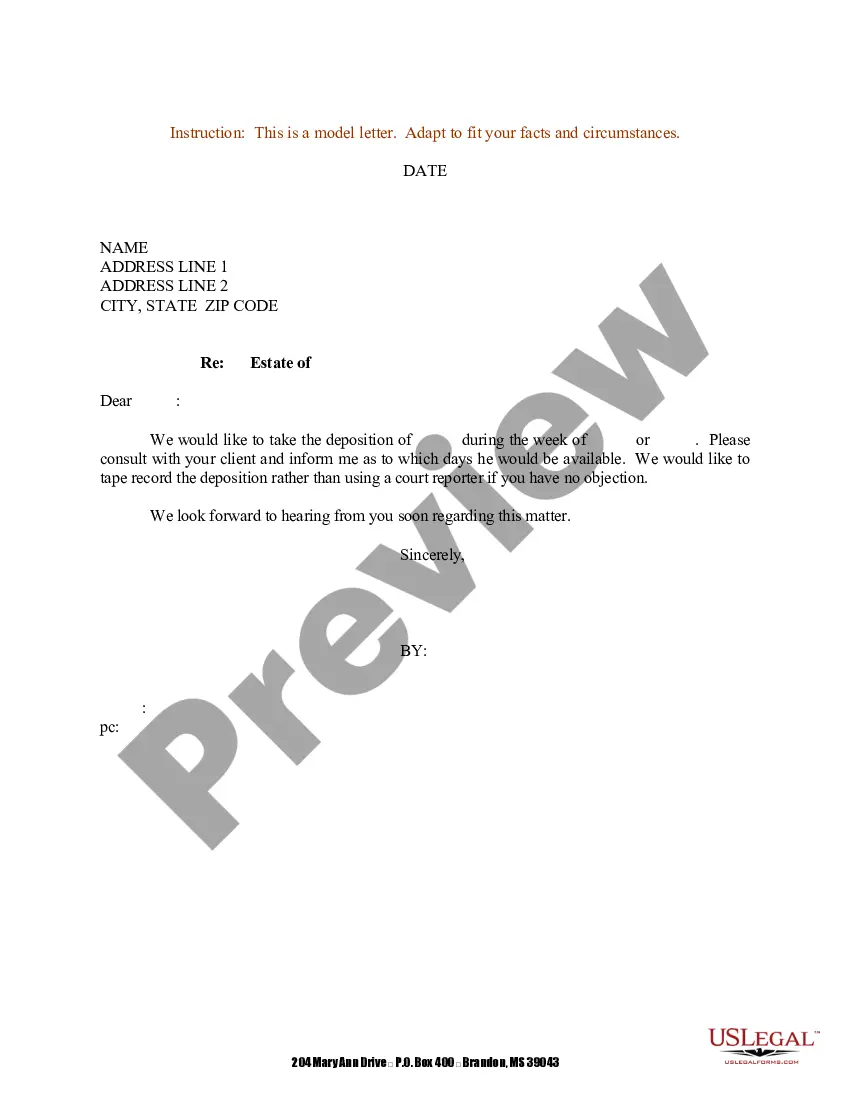
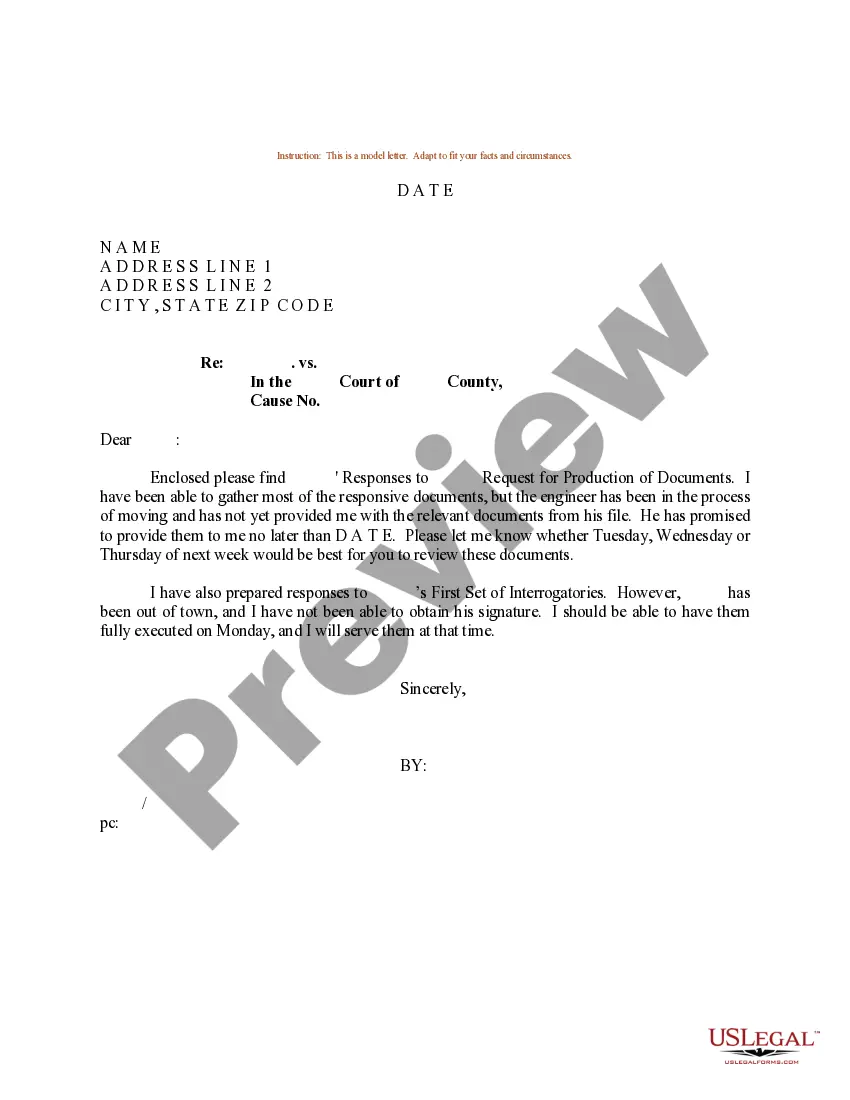
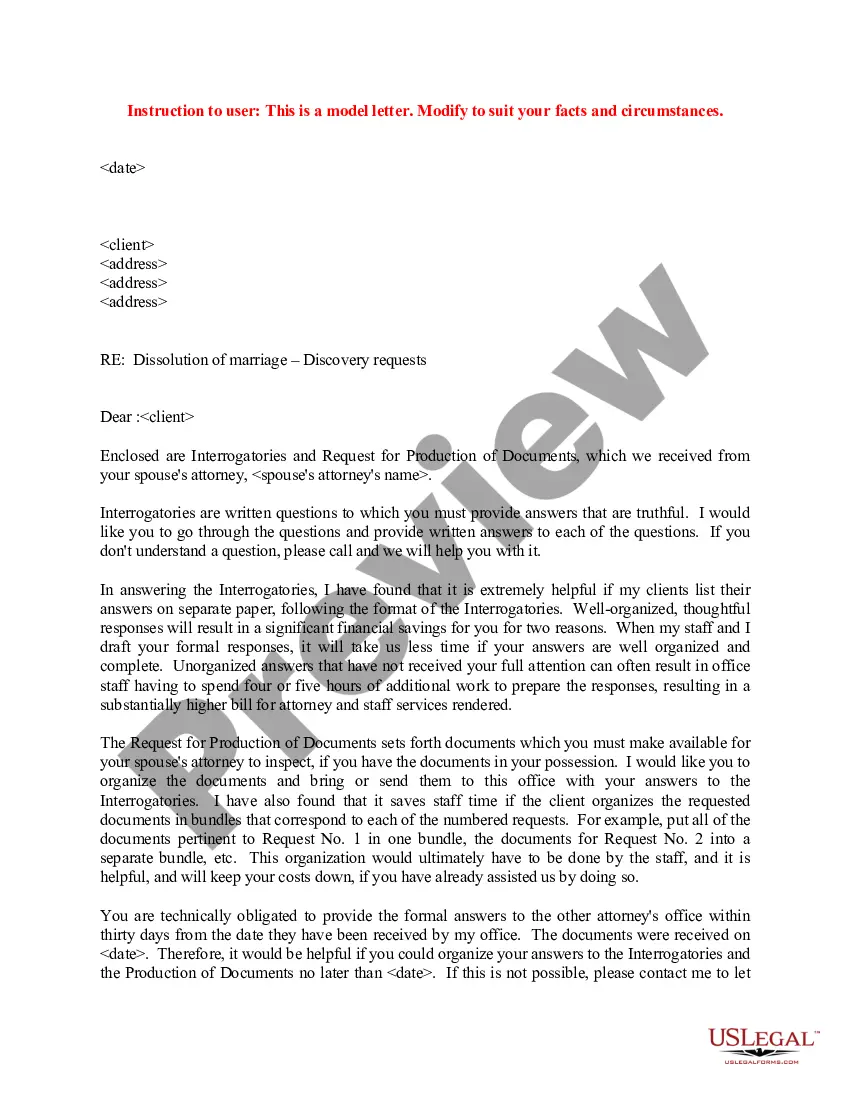
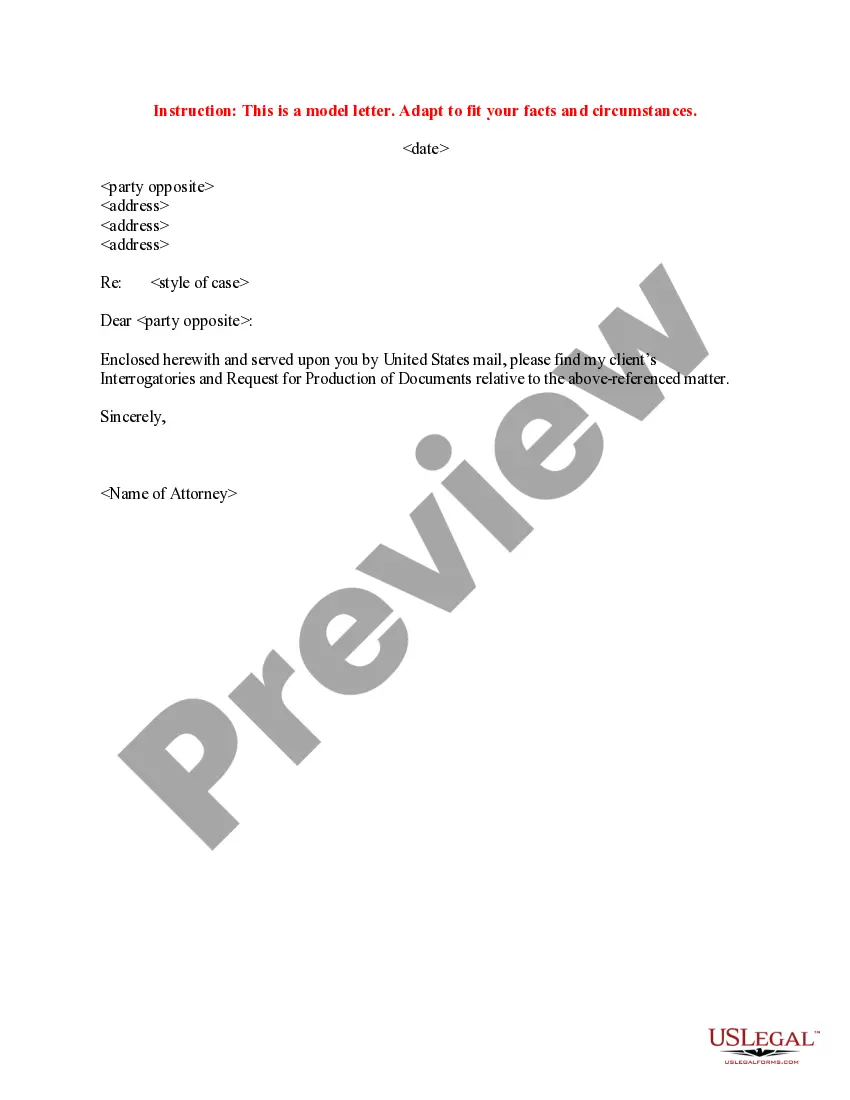
Get your form ready online
Our built-in tools help you complete, sign, share, and store your documents in one place.
Make edits, fill in missing information, and update formatting in US Legal Forms—just like you would in MS Word.
Download a copy, print it, send it by email, or mail it via USPS—whatever works best for your next step.
Sign and collect signatures with our SignNow integration. Send to multiple recipients, set reminders, and more. Go Premium to unlock E-Sign.
If this form requires notarization, complete it online through a secure video call—no need to meet a notary in person or wait for an appointment.
We protect your documents and personal data by following strict security and privacy standards.

Make edits, fill in missing information, and update formatting in US Legal Forms—just like you would in MS Word.

Download a copy, print it, send it by email, or mail it via USPS—whatever works best for your next step.

Sign and collect signatures with our SignNow integration. Send to multiple recipients, set reminders, and more. Go Premium to unlock E-Sign.

If this form requires notarization, complete it online through a secure video call—no need to meet a notary in person or wait for an appointment.

We protect your documents and personal data by following strict security and privacy standards.
Looking for another form?







Form popularity
FAQ
It dictates that the statute of limitations for filing a lawsuit begins not at the moment of injury but at the point when the injured party discovers, or reasonably should have discovered, the harm.
As noted previously, the law holds that documents made in preparation for litigation, under a general plan directed by an attorney, will not be discoverable. This means that the opposing party is not entitled to see the documents or to have them admitted in evidence.
The Federal Rule of Evidence 801 does provide for several exclusions to the Hearsay rule. All content is discoverable if it potentially is relevant to the case and not deemed privileged, but discovered content may be ruled inadmissible if it is deemed privileged (doctor/patient communications), unreliable or hearsay.
Certain types of information are generally protected from discovery; these include information which is privileged and the work product of the opposing party.
Discovery 101 documents on which you rely; documents that adversely affect your case; documents that adversely affect the opposing party's case; documents that support the opposing party's case.
As noted previously, the law holds that documents made in preparation for litigation, under a general plan directed by an attorney, will not be discoverable. This means that the opposing party is not entitled to see the documents or to have them admitted in evidence.
How Does Discovery Work? There are four main types of discovery requests: (1) depositions; (2) interrogatories; (3) requests for admissions; and (4) requests for the production of documents. Depositions are formal witness interviews.
Standard Timeframe in NY: Under NY CPLR § 3130, a party may serve written interrogatories upon another party after the commencement of an action. Typically, the recipient has 20 days from the date of service to respond under CPLR § 3133(a).
Response to Interrogatories Rules: If the party served with interrogatories is a corporation, a partnership or a sole proprietorship, then an officer, director, member, agent or employee that has the information sought by the interrogatory must answer in writing under oath.

