Requesting Discovery Form With Two Points In Nevada
Description
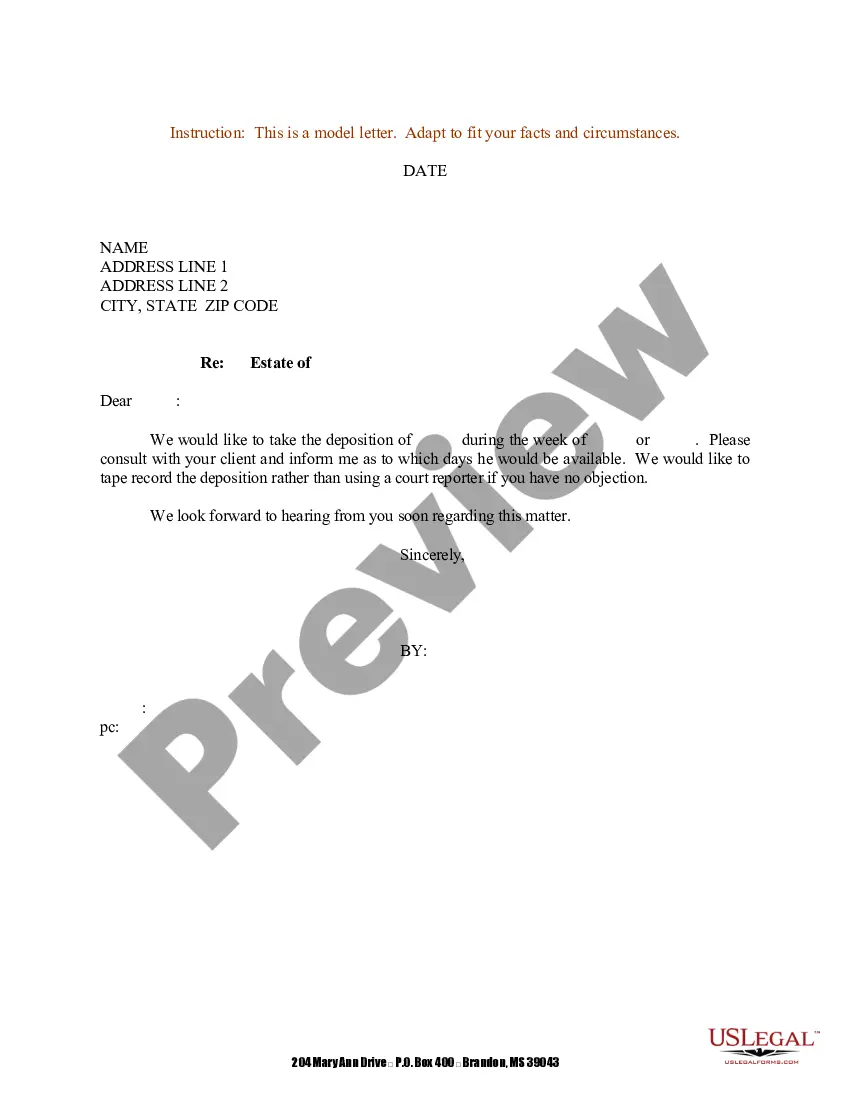
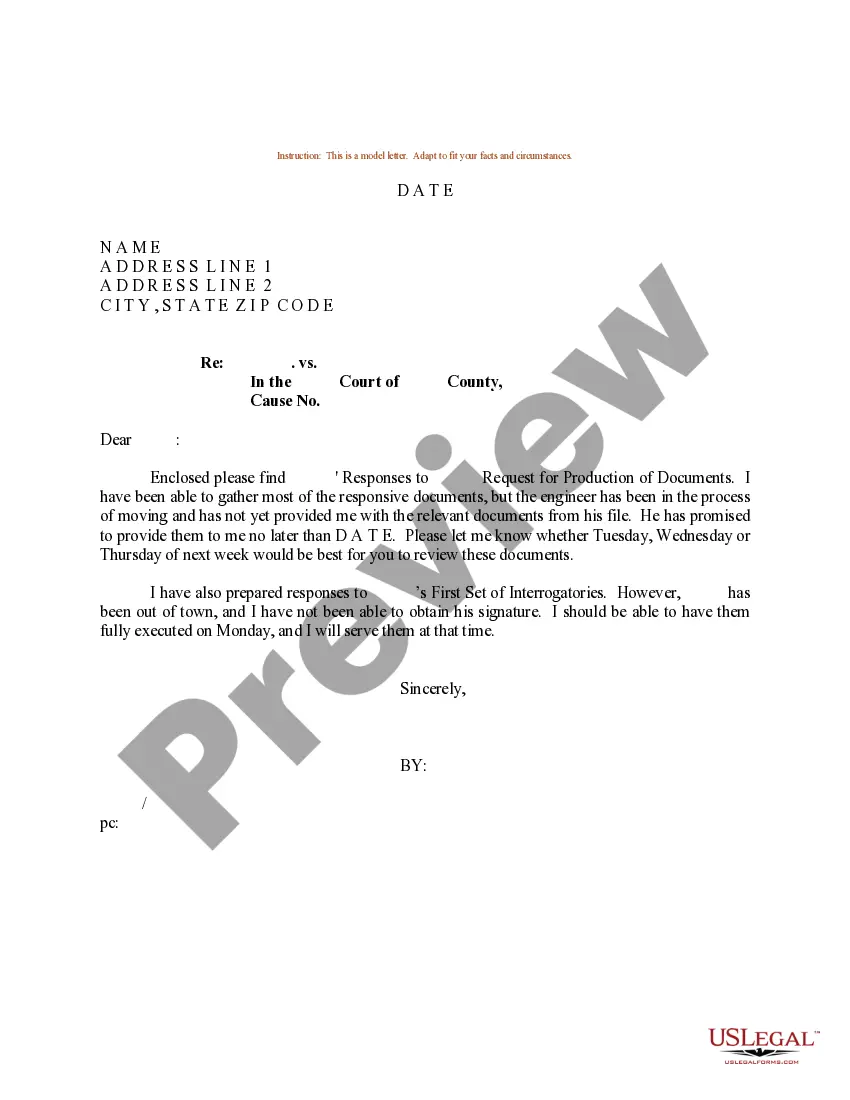
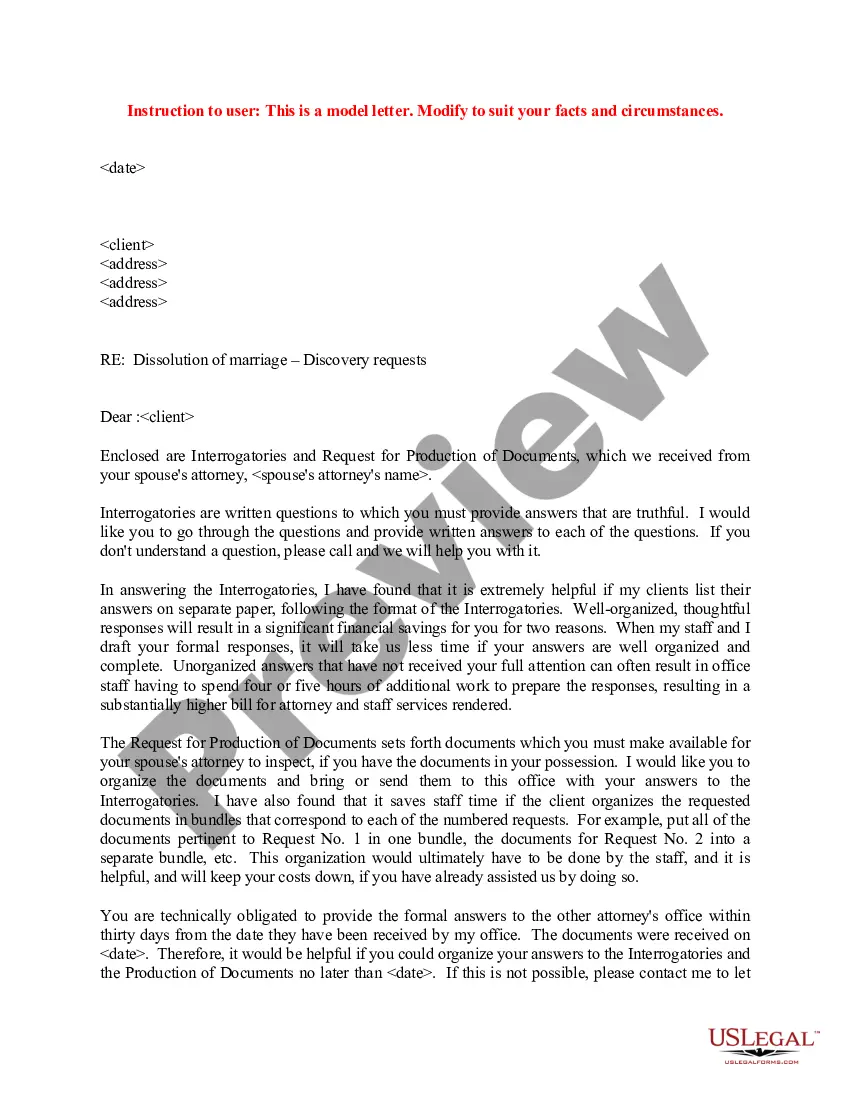
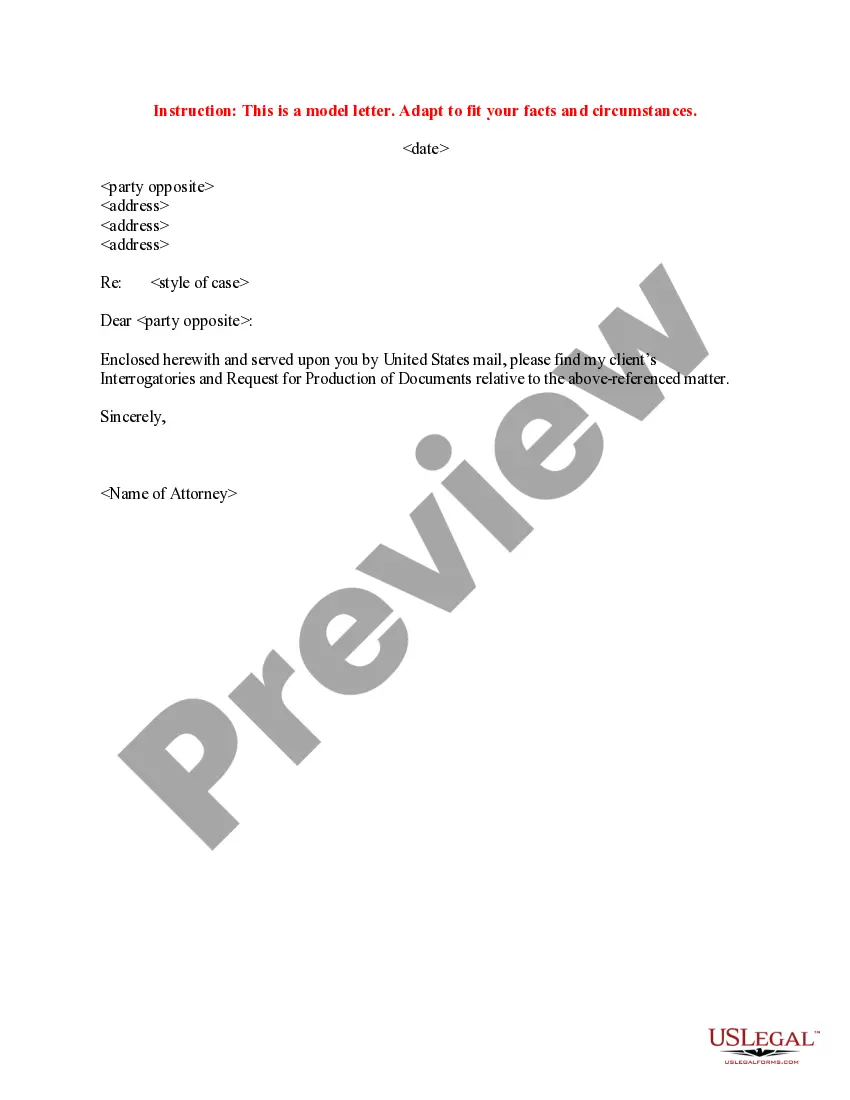
Get your form ready online
Our built-in tools help you complete, sign, share, and store your documents in one place.
Make edits, fill in missing information, and update formatting in US Legal Forms—just like you would in MS Word.
Download a copy, print it, send it by email, or mail it via USPS—whatever works best for your next step.
Sign and collect signatures with our SignNow integration. Send to multiple recipients, set reminders, and more. Go Premium to unlock E-Sign.
If this form requires notarization, complete it online through a secure video call—no need to meet a notary in person or wait for an appointment.
We protect your documents and personal data by following strict security and privacy standards.

Make edits, fill in missing information, and update formatting in US Legal Forms—just like you would in MS Word.

Download a copy, print it, send it by email, or mail it via USPS—whatever works best for your next step.

Sign and collect signatures with our SignNow integration. Send to multiple recipients, set reminders, and more. Go Premium to unlock E-Sign.

If this form requires notarization, complete it online through a secure video call—no need to meet a notary in person or wait for an appointment.

We protect your documents and personal data by following strict security and privacy standards.
Looking for another form?








Form popularity
FAQ
Nevada's WARN Act ensures protection for workers facing layoffs or plant closures. Employers in Nevada are mandated to provide advance notice to employees when aware of impending closures or layoffs. This notice serves to offer employees adequate time to explore alternative employment options.
Rule 56 - Summary Judgment (a)Motion for Summary Judgment or Partial Summary Judgment. A party may move for summary judgment, identifying each claim or defense-or the part of each claim or defense-on which summary judgment is sought.
A motion requesting a rehearing or reconsideration may be based only on one of the following grounds: (a) Newly discovered or available evidence. (b) Error in the hearing or in the findings and recommendations or the decision that would be grounds for reversal of the findings and recommendations or the decision.
The Discovery Rule The discovery “tolls” (pauses) the statute of limitations. This means that the statute of limitations clock doesn't start counting down from two years to zero until the date that you actually discover your injury or should have discovered it.
7. A civil court record or any portion of it that was sealed in the trial court shall be made available to the Nevada Supreme Court in the event of an appeal. Court records sealed in the trial court shall be sealed from public access in the Nevada Supreme Court subject to further order of that court.
Unless otherwise stipulated or ordered by the court, a party may serve on any other party no more than 40 written interrogatories, including all discrete subparts.
Rule 7.20 - Form of papers presented for filing; exhibits; documents; legal citations (a) All pleadings and papers presented for filing must be flat, unfolded, firmly bound together at the top, on white paper of standard quality, not less than 16-lb. weight and 8.5 x 11 inches in size.
Parties usually send their discovery requests and responses to the other party electronically, by email. But, parties may also send or respond to discovery requests by U.S. mail or a parcel service. Discovery requests and responses should not be sent to the Administrative Judge, except to support a motion.

