Requesting Discovery Form Without A Lawyer In Minnesota
Description
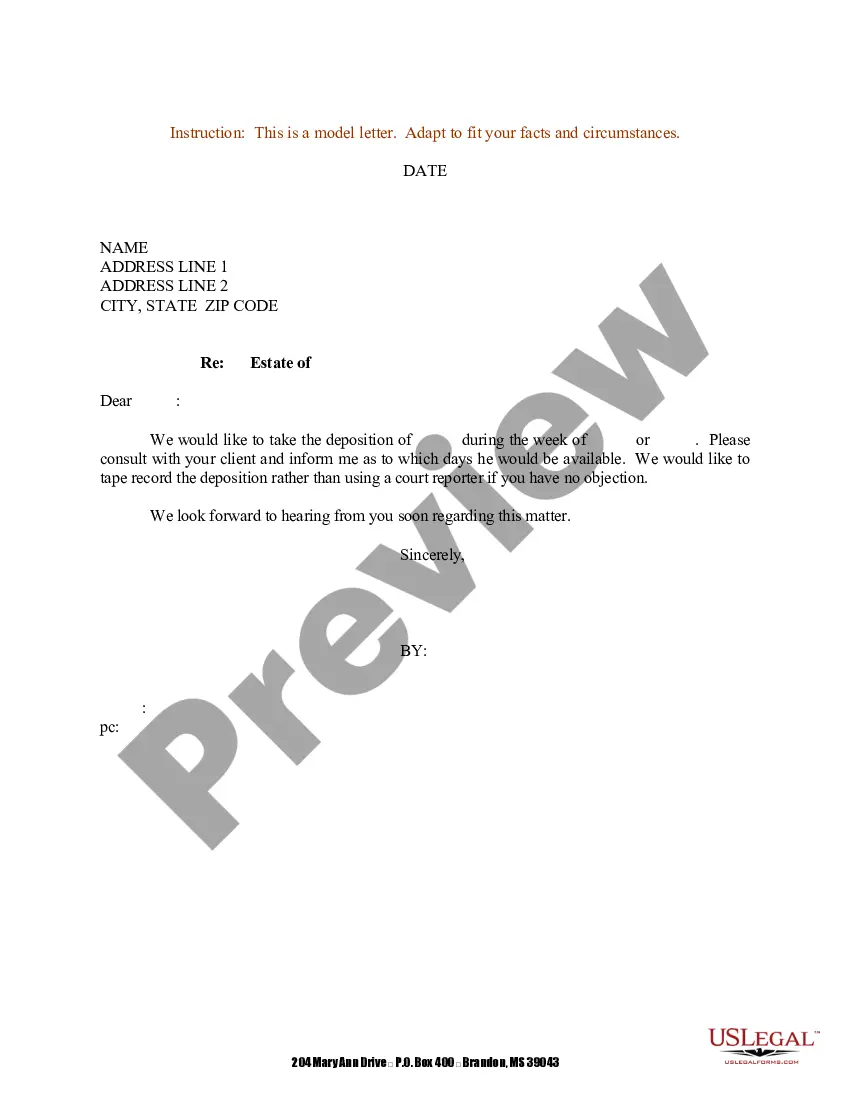
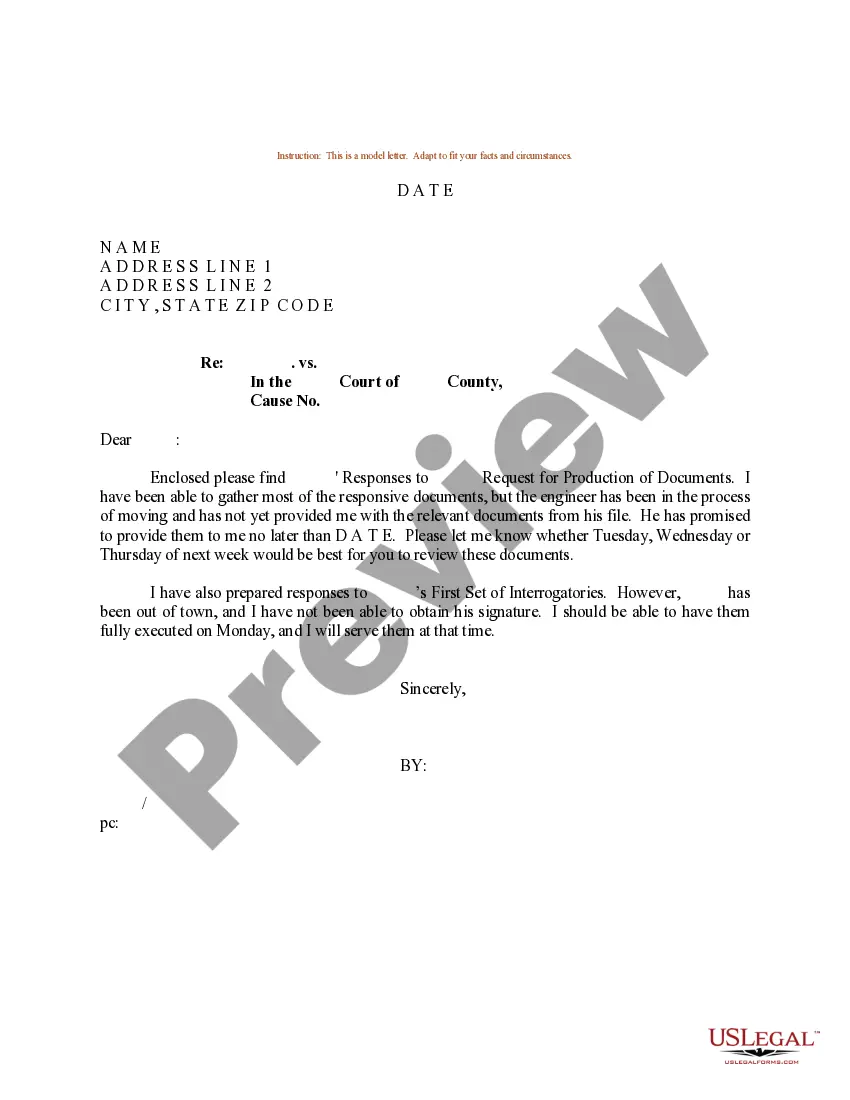
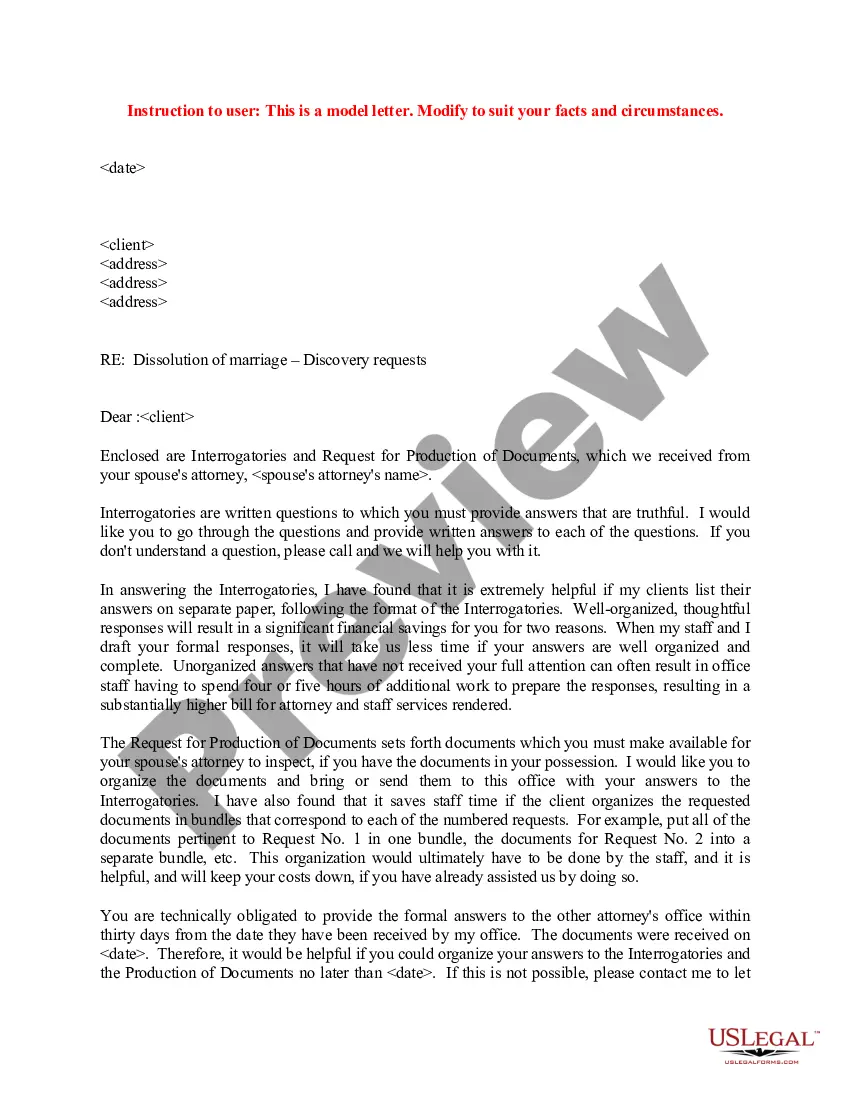
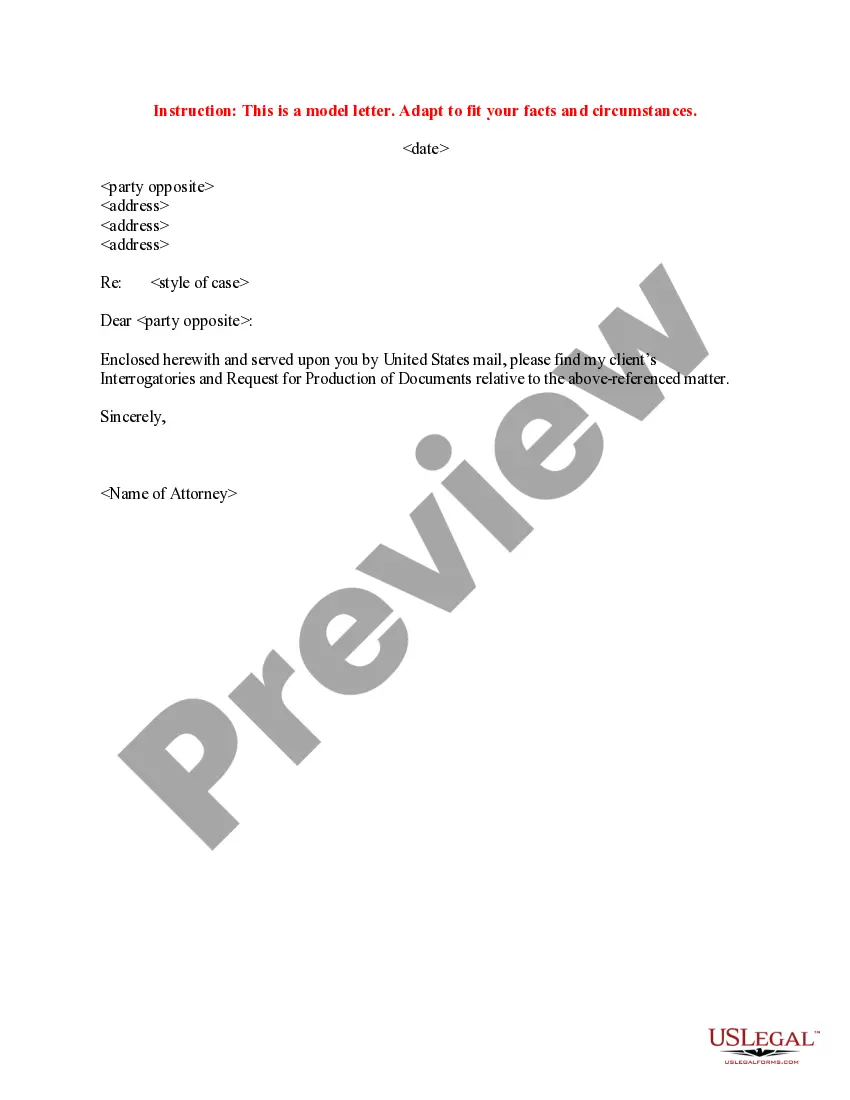
Get your form ready online
Our built-in tools help you complete, sign, share, and store your documents in one place.
Make edits, fill in missing information, and update formatting in US Legal Forms—just like you would in MS Word.
Download a copy, print it, send it by email, or mail it via USPS—whatever works best for your next step.
Sign and collect signatures with our SignNow integration. Send to multiple recipients, set reminders, and more. Go Premium to unlock E-Sign.
If this form requires notarization, complete it online through a secure video call—no need to meet a notary in person or wait for an appointment.
We protect your documents and personal data by following strict security and privacy standards.

Make edits, fill in missing information, and update formatting in US Legal Forms—just like you would in MS Word.

Download a copy, print it, send it by email, or mail it via USPS—whatever works best for your next step.

Sign and collect signatures with our SignNow integration. Send to multiple recipients, set reminders, and more. Go Premium to unlock E-Sign.

If this form requires notarization, complete it online through a secure video call—no need to meet a notary in person or wait for an appointment.

We protect your documents and personal data by following strict security and privacy standards.
Looking for another form?

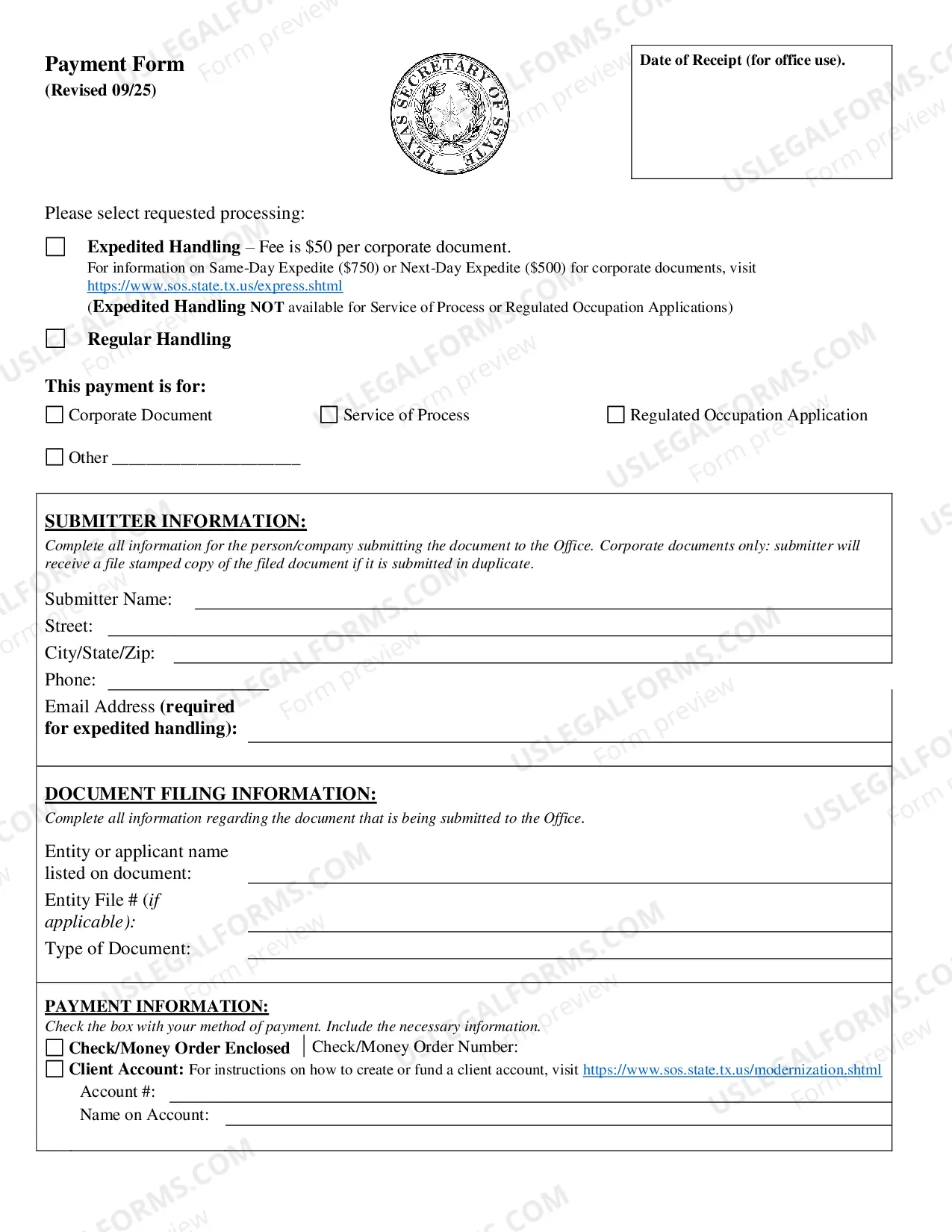
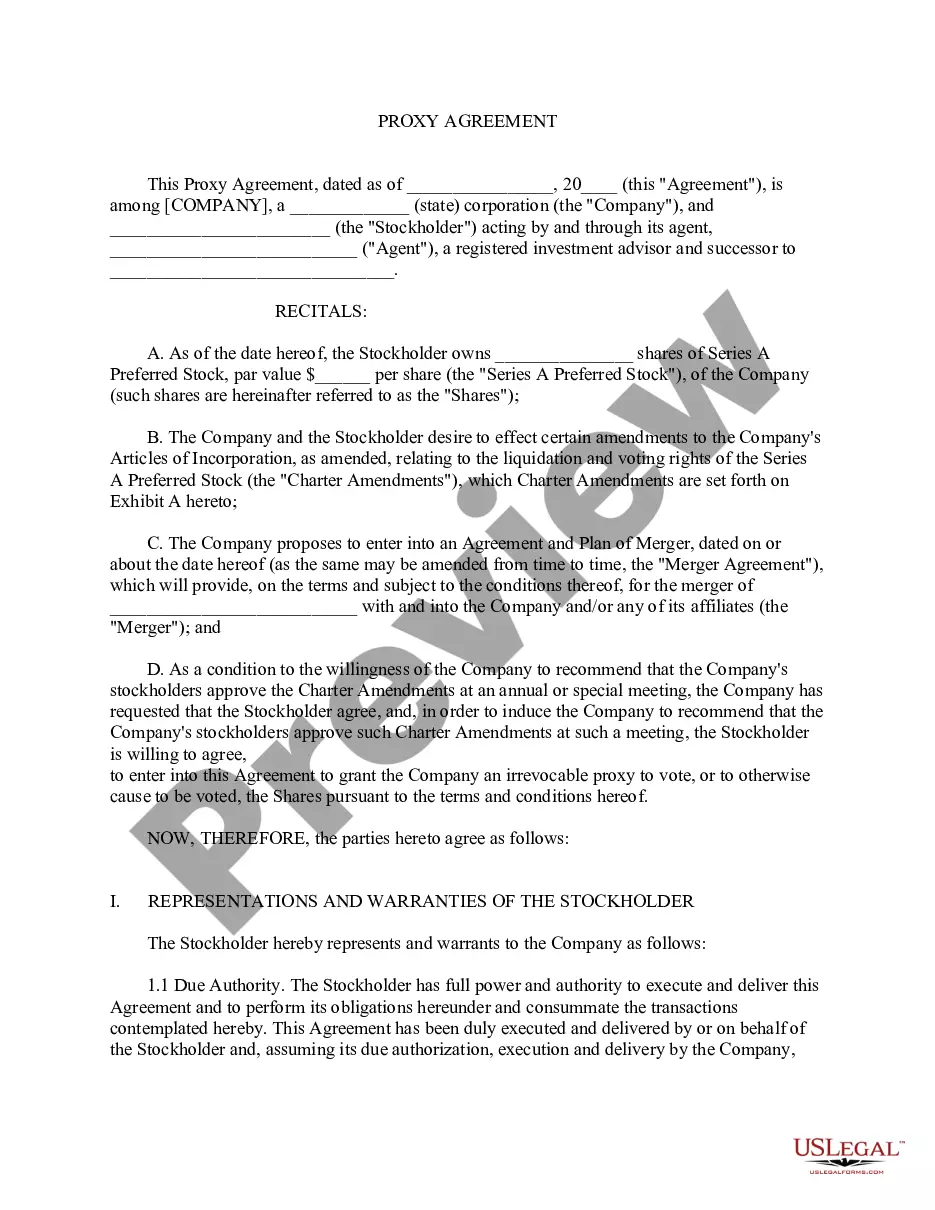
Form popularity
FAQ
Rule 33. Interrogatories to Parties Interrogatories may, without leave of court, be served upon any party after service of the summons and complaint. No party may serve more than a total of 50 interrogatories upon any other party unless permitted to do so by the court upon motion, notice and a showing of good cause.
In some court cases, the parties are required to give each other information and documents about the case before there is a trial. This exchange of documents and information is called “discovery,” and there are rules in every state about how and when discovery happens.
12 Tough Questions to Ask a Lawyer What's your opinion of the probate process? Under what conditions do you recommend a Living Trust? How do I protect my children from abusive relatives if something happens to me? Can I keep my kids from controlling their entire inheritance at 18?
Discovery is a process by which the parties gather and exchange information that is important to the case. What is the Purpose of Discovery? The purpose of discovery is to provide parties the opportunity to gather evidence relevant to proving or defending the case.
Non·law·yer ˌnän-ˈlȯ-yər. -ˈlȯi-ər. plural nonlawyers. : one who is not a lawyer : one who does not practice law as a profession. It asserts that a nonlawyer doing his own legal problem-solving has a fool for a client.
Rule 63. Disability or Disqualification of Judge; Notice to Remove; Assignment of a Judge.
Rule 63. Disability or Disqualification of Judge; Notice to Remove; Assignment of a Judge.
How Long Does it Take to Get Discovery in a Criminal Case? Generally, the prosecution must provide discovery within a set period after the defense's formal request, often ranging from a few weeks to several months.
How Long Does the Discovery Process Take? Depending on the type of case, discovery could last a few months to more than a year.
