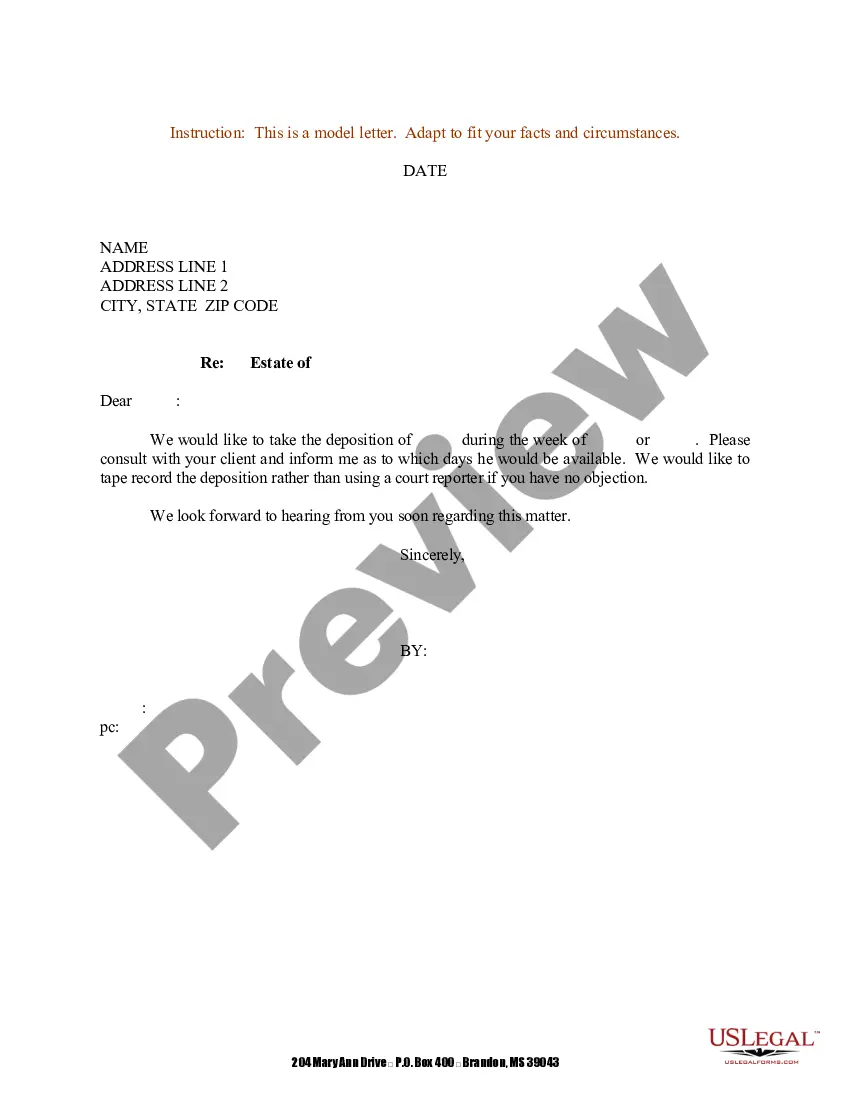
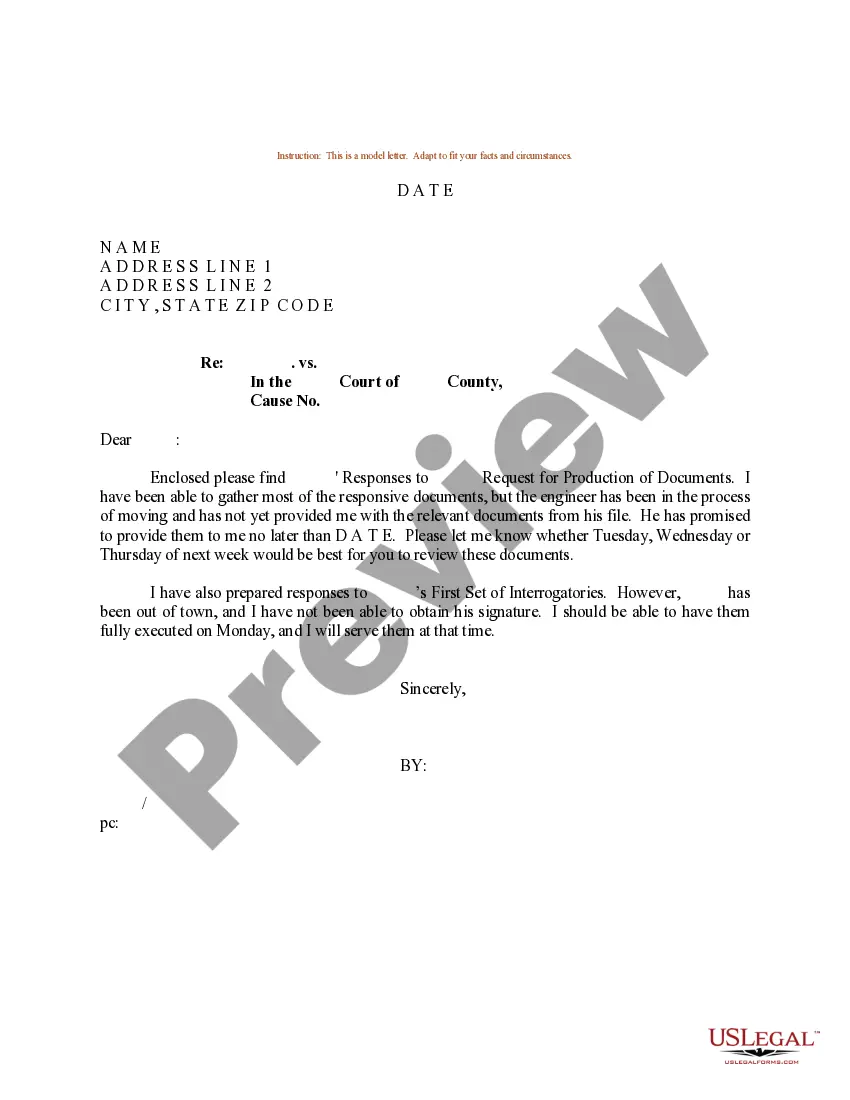
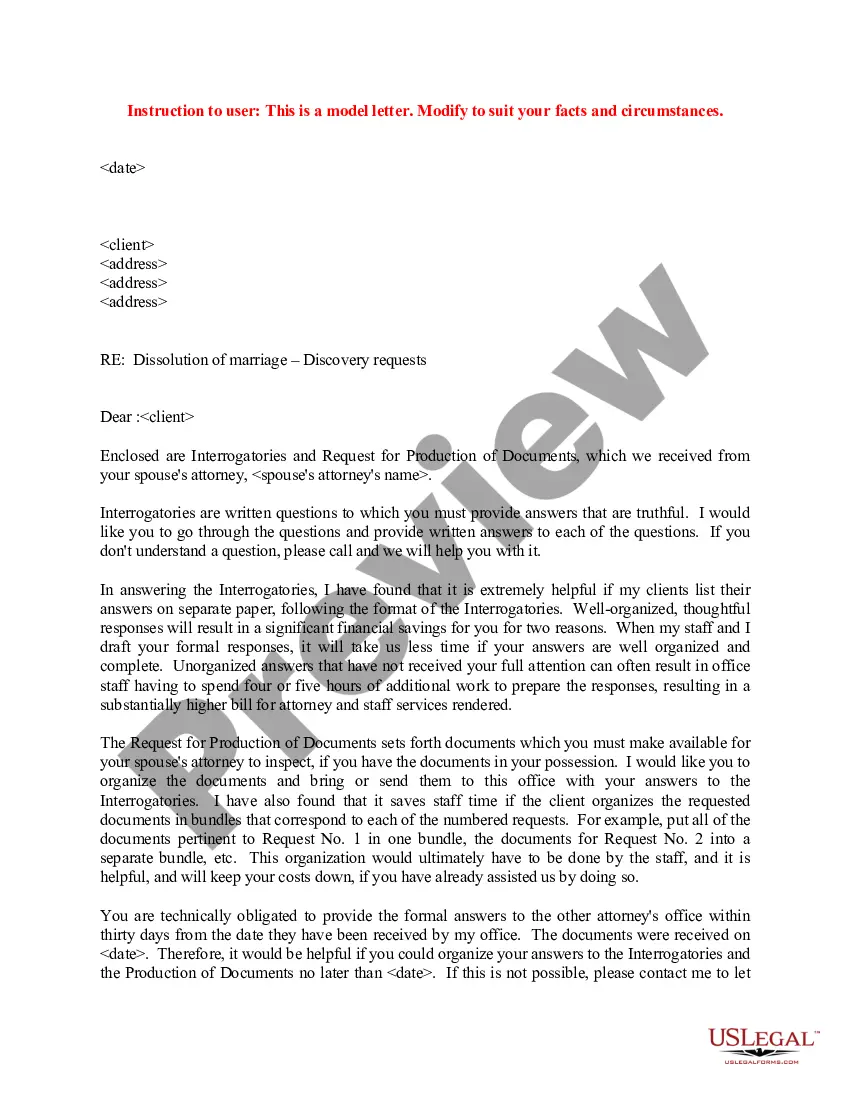
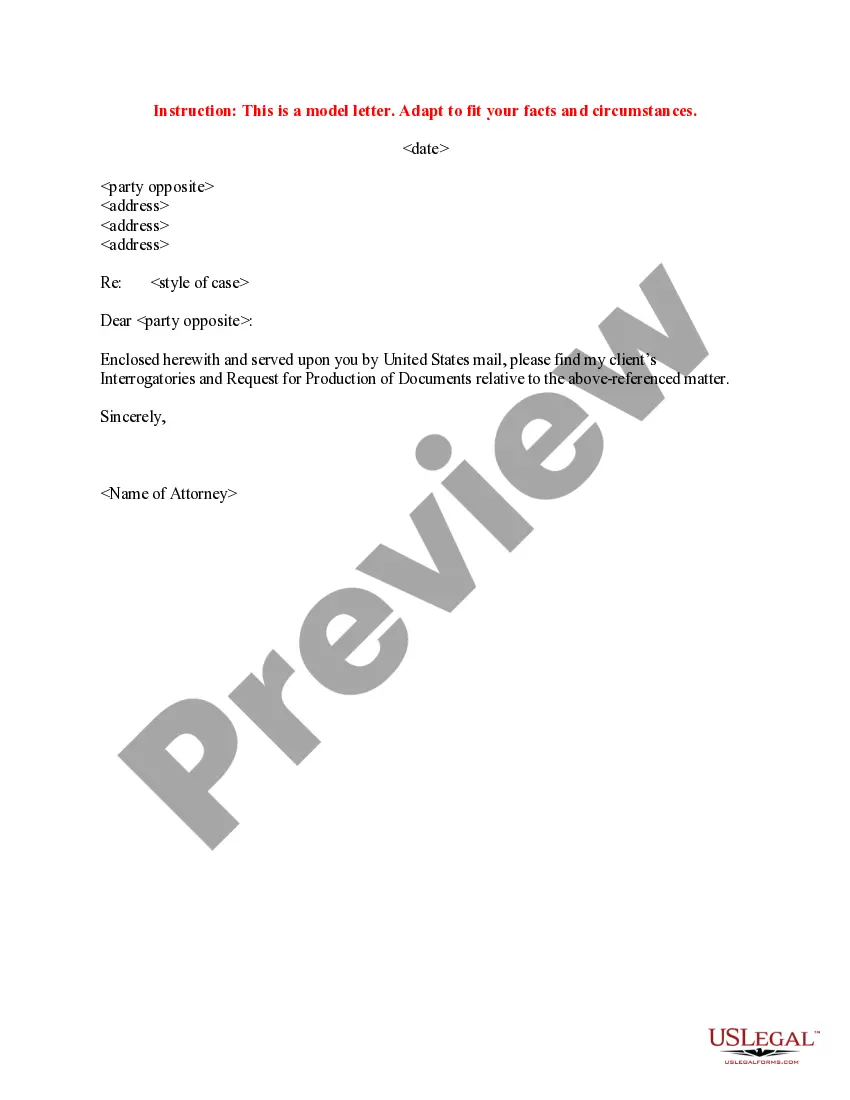
Requesting Discovery Form For Court In Middlesex
Description
Get your form ready online
Our built-in tools help you complete, sign, share, and store your documents in one place.
Make edits, fill in missing information, and update formatting in US Legal Forms—just like you would in MS Word.
Download a copy, print it, send it by email, or mail it via USPS—whatever works best for your next step.
Sign and collect signatures with our SignNow integration. Send to multiple recipients, set reminders, and more. Go Premium to unlock E-Sign.
If this form requires notarization, complete it online through a secure video call—no need to meet a notary in person or wait for an appointment.
We protect your documents and personal data by following strict security and privacy standards.

Make edits, fill in missing information, and update formatting in US Legal Forms—just like you would in MS Word.

Download a copy, print it, send it by email, or mail it via USPS—whatever works best for your next step.

Sign and collect signatures with our SignNow integration. Send to multiple recipients, set reminders, and more. Go Premium to unlock E-Sign.

If this form requires notarization, complete it online through a secure video call—no need to meet a notary in person or wait for an appointment.

We protect your documents and personal data by following strict security and privacy standards.
Looking for another form?





Form popularity
FAQ
"Parties may obtain discovery regarding any matter, not privileged, which is relevant to the subject matter involved in the pending action, whether it relates to the claim or defense of the party seeking discovery or to the claim or defense of any other party, including the existence, description, nature, custody, ...
Getting information from the other side. You use discovery to get information or evidence from the other side in a lawsuit that will help you make your case. In order to get the information you need, you must make a request using a specific procedure and written format, within a specific timeframe.
File your small claim online The easiest way to file a small claim is to use Small Claims Guide and File. This program will help you fill out the forms to file a small claim by providing questions you can answer in plain language.
The discovery phase is the stage in a lawsuit where both parties gather and exchange information and evidence relevant to their respective cases. This process enables the two sides to build strong arguments, understand the other party's claims, and, in some instances, reach a settlement without the need for a trial.
The purpose of a Discovery Document is to gather and document essential information to ensure that the project team, stakeholders, and relevant parties have a clear and common understanding of what needs to be accomplished and how to achieve it.
The three primary types of discovery—interrogatories, requests for production of documents, and depositions—play pivotal roles in uncovering facts, clarifying issues, and preparing for trial. Moreover, each method offers unique avenues for gathering evidence and insights essential for building a robust legal strategy.
If you cannot meet a deadline or a date on which you have to make an appearance, you must ask for a postponement, which is called a “continuance,” with a motion. If you miss a deadline, your case can be dismissed. DALA continuances will be granted only for good cause.
Discovery is the formal process by which the parties to a case in court exchange information about the case. This includes information about the witnesses and evidence to be presented at trial. Its purpose is to make the parties aware of the evidence which may be presented at trial.
To file suit, you must fill out a Statement of Claim and Notice form. Get this from the Small Claims Clerk in your district. Your claim may be filed in person or by mail. However, when the papers are sent by mail to the clerk, the action is not commenced until the papers are actually received.

