Requesting Discovery Form With Court In Michigan
Description
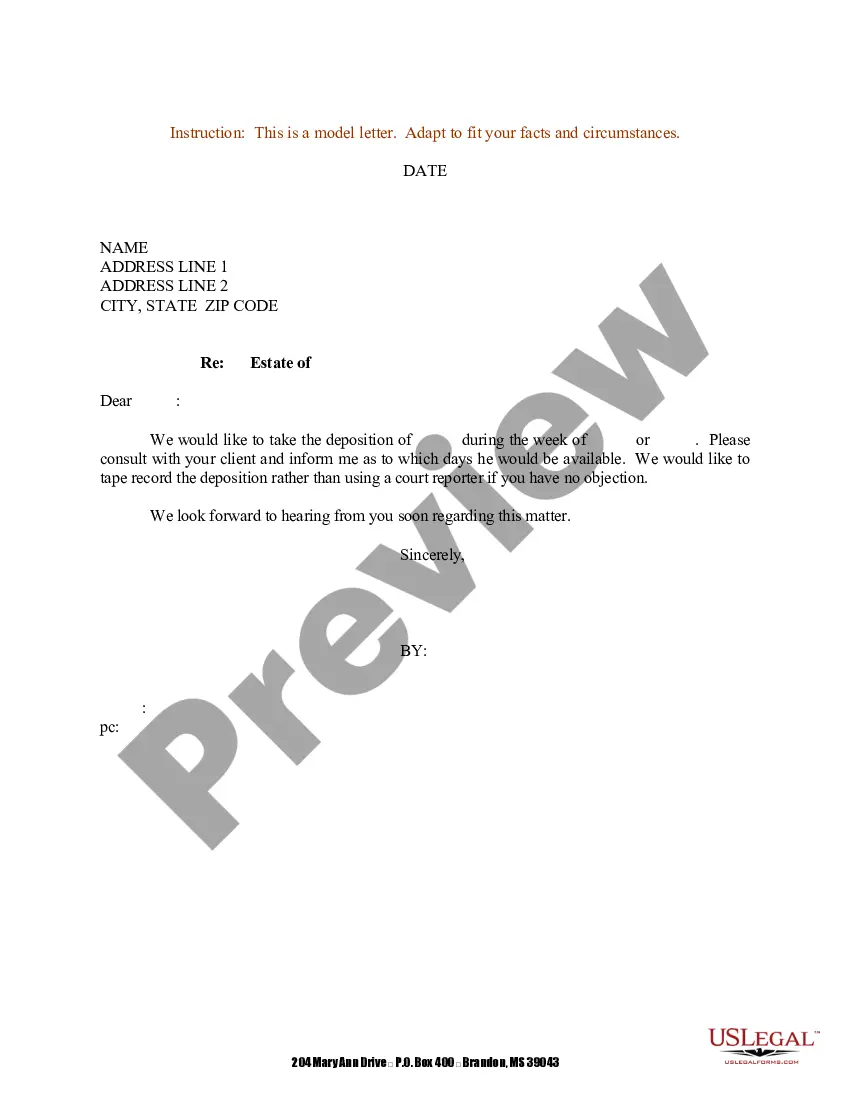
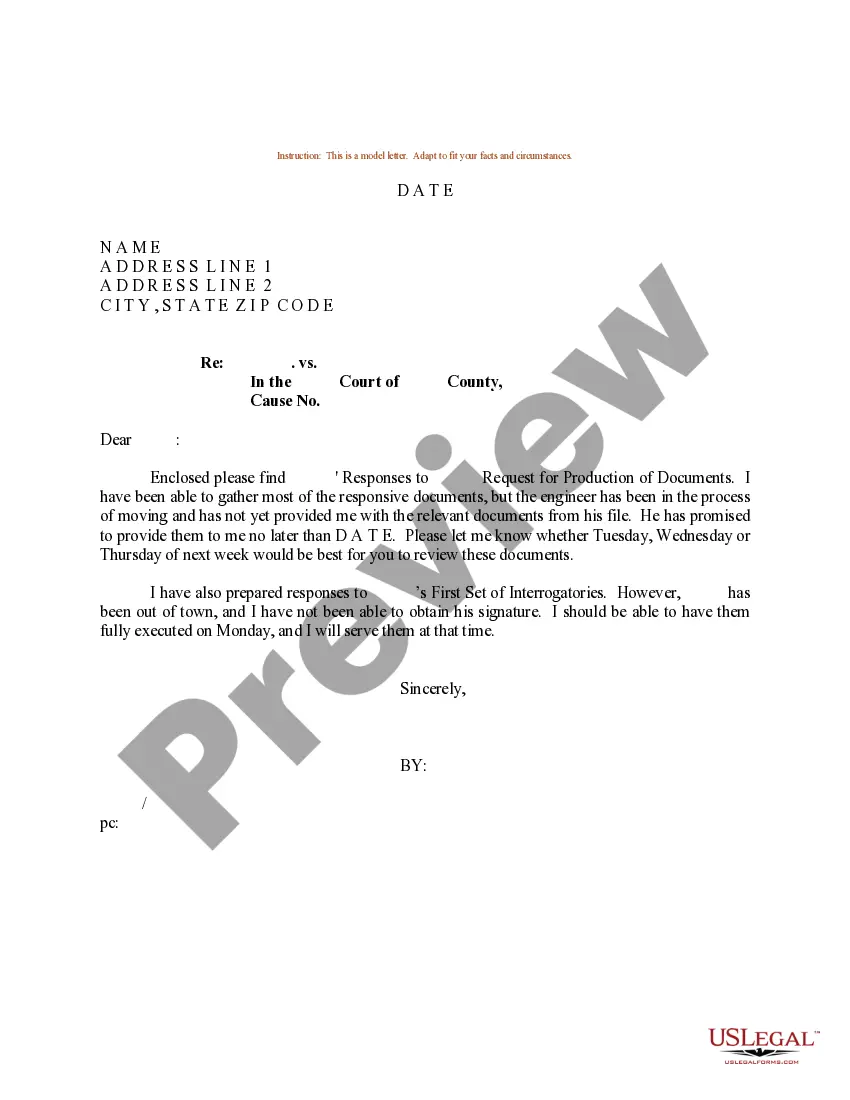
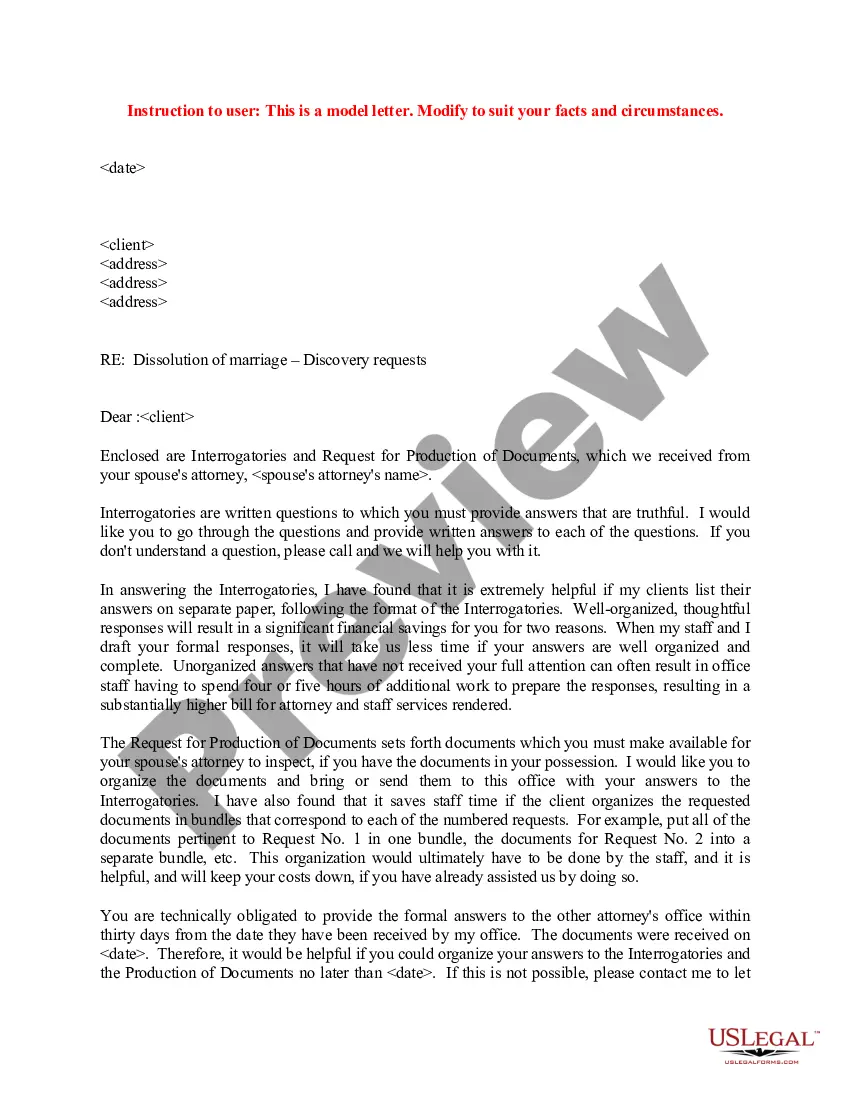
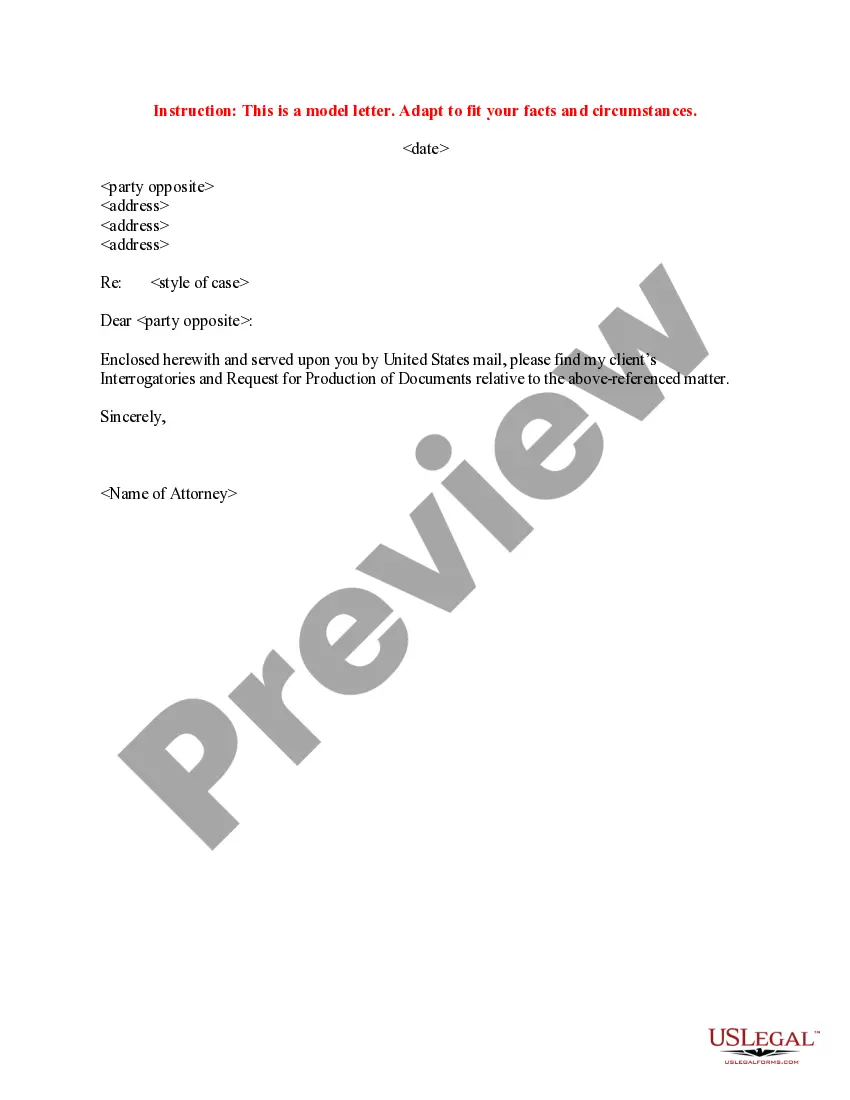
Get your form ready online
Our built-in tools help you complete, sign, share, and store your documents in one place.
Make edits, fill in missing information, and update formatting in US Legal Forms—just like you would in MS Word.
Download a copy, print it, send it by email, or mail it via USPS—whatever works best for your next step.
Sign and collect signatures with our SignNow integration. Send to multiple recipients, set reminders, and more. Go Premium to unlock E-Sign.
If this form requires notarization, complete it online through a secure video call—no need to meet a notary in person or wait for an appointment.
We protect your documents and personal data by following strict security and privacy standards.

Make edits, fill in missing information, and update formatting in US Legal Forms—just like you would in MS Word.

Download a copy, print it, send it by email, or mail it via USPS—whatever works best for your next step.

Sign and collect signatures with our SignNow integration. Send to multiple recipients, set reminders, and more. Go Premium to unlock E-Sign.

If this form requires notarization, complete it online through a secure video call—no need to meet a notary in person or wait for an appointment.

We protect your documents and personal data by following strict security and privacy standards.
Looking for another form?
Form popularity
FAQ
Within seven days after the granting of the judgment or order, or later if the court al- lows, a party may serve a copy of the pro- posed judgment or order on the other party with a notice that it will be submit- ted to the court for signing if no written objections are filed with the court within seven days after ...
Discovery means you send the other side questions and requests for information or items (like documents) in writing. The other side must respond to your question or request in writing.
Parties may obtain discovery regarding any non-privileged matter that is relevant to any party's claims or defenses and proportional to the needs of the case, taking into account all pertinent factors, including whether the burden or expense of the proposed discovery outweighs its likely benefit, the complexity of the ...
To address these complex cases, Michigan's statute of limitations also includes a provision known as the “discovery rule.”
Generally, in Michigan, the medical malpractice statute of limitations is 2 years from the date of the negligence or 6 months from the time the patient discovers or should have discovered the alleged negligence, whichever is later.
Discovery allows you to get information and evidence from the other party or other persons you can use in your lawsuit.
Your landlord must ask for the eviction order within 56 days of the judgment. Your landlord must have the eviction carried out within 56 days of the date the eviction order is issued. After a court issues an Order of Eviction, it is very hard for a tenant to avoid eviction.
