Requesting Discovery Form For Court In Michigan
Description
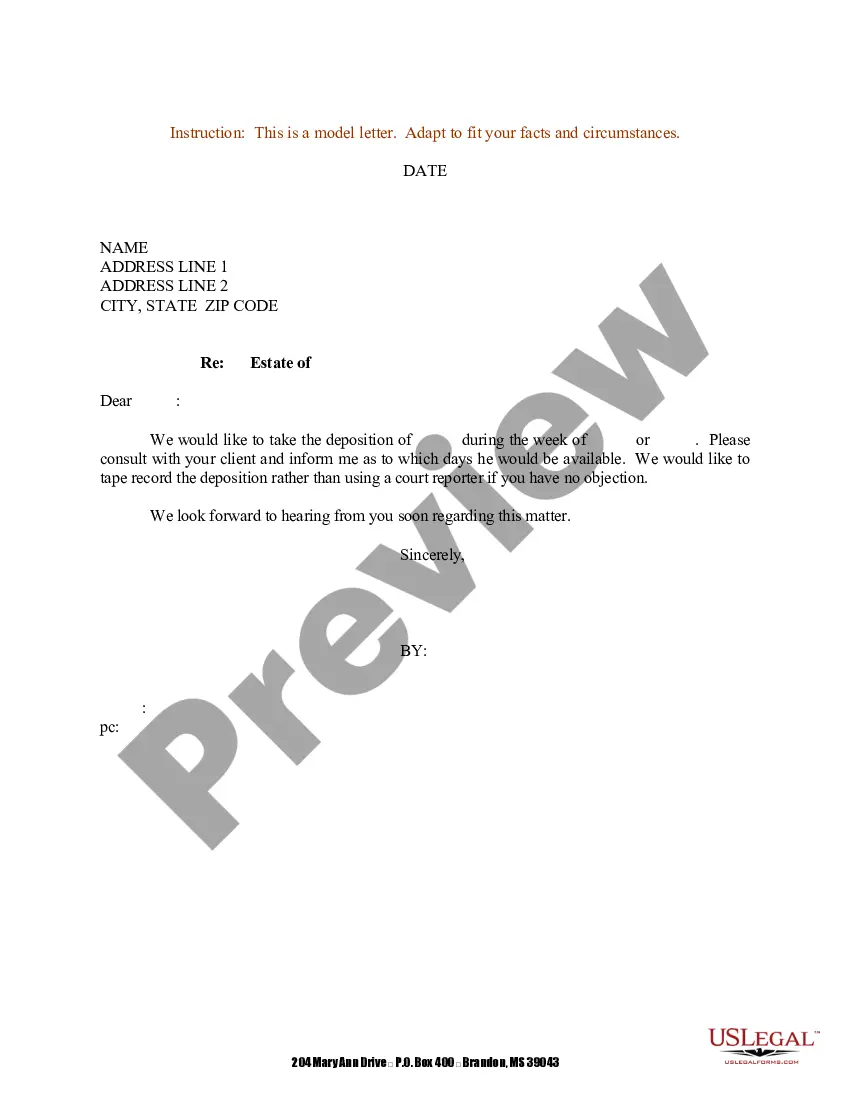
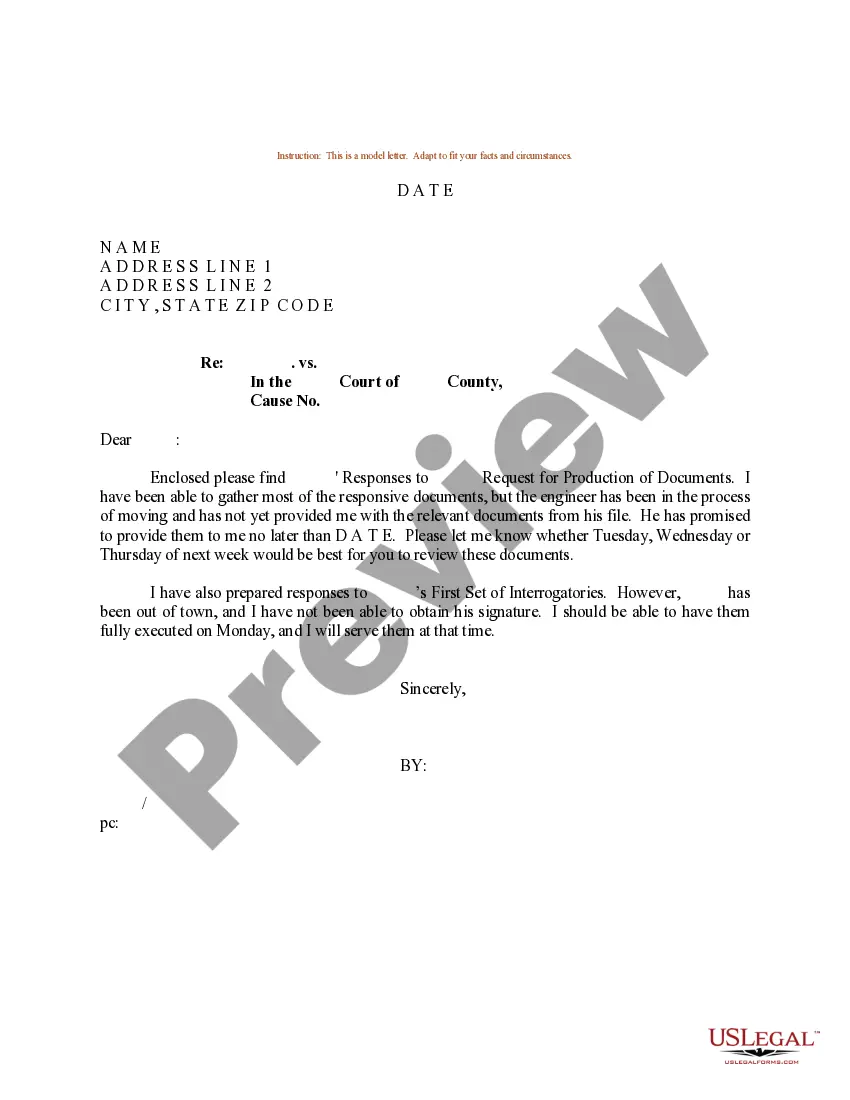
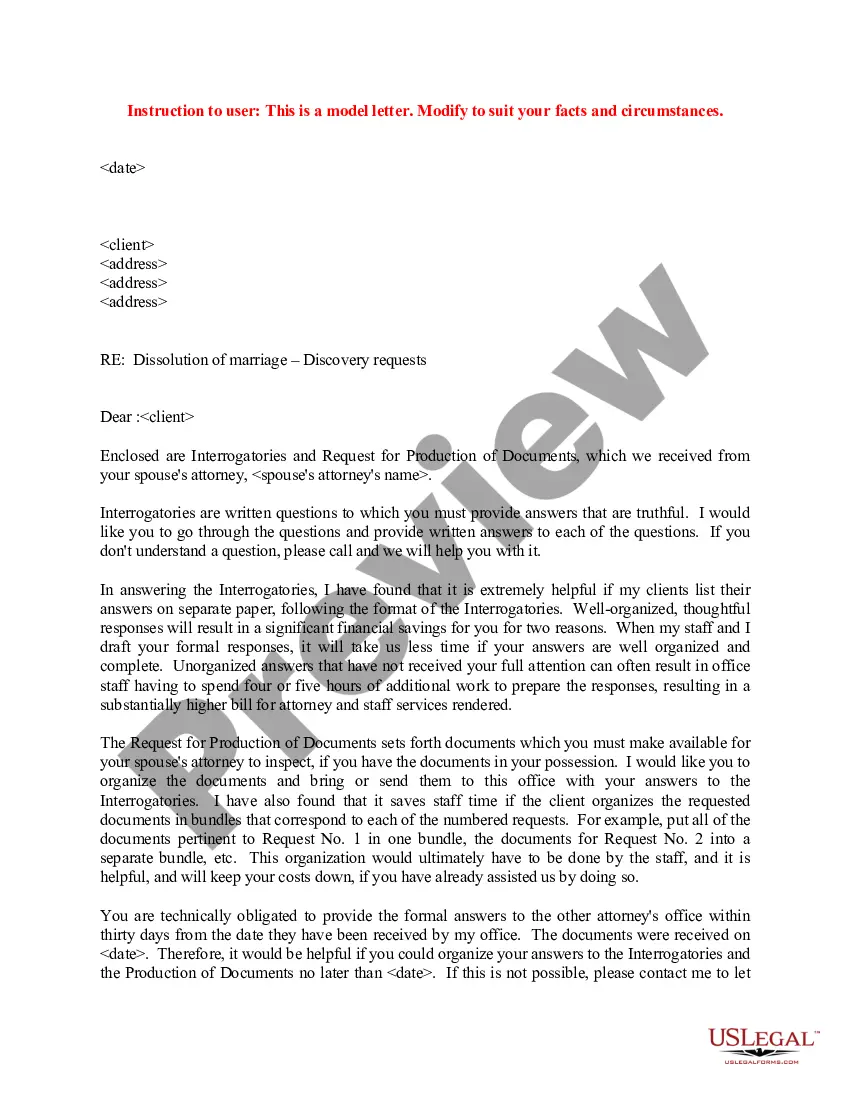
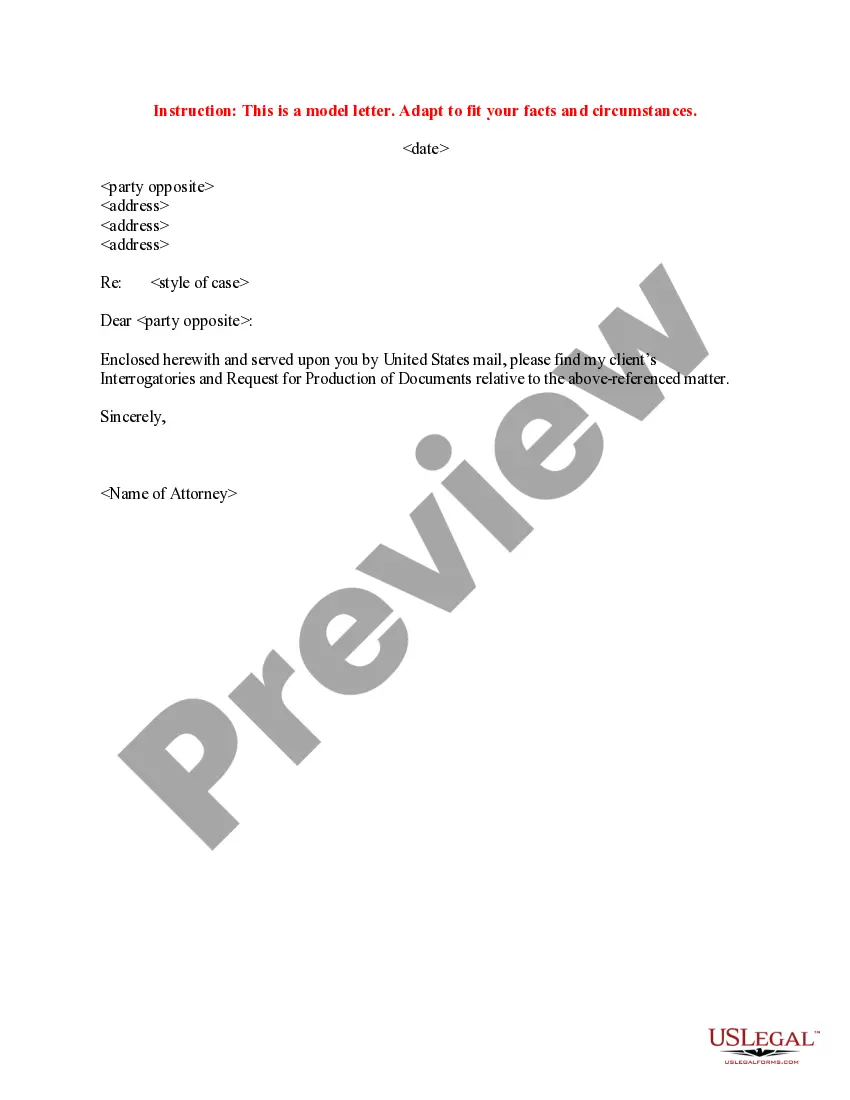
Get your form ready online
Our built-in tools help you complete, sign, share, and store your documents in one place.
Make edits, fill in missing information, and update formatting in US Legal Forms—just like you would in MS Word.
Download a copy, print it, send it by email, or mail it via USPS—whatever works best for your next step.
Sign and collect signatures with our SignNow integration. Send to multiple recipients, set reminders, and more. Go Premium to unlock E-Sign.
If this form requires notarization, complete it online through a secure video call—no need to meet a notary in person or wait for an appointment.
We protect your documents and personal data by following strict security and privacy standards.

Make edits, fill in missing information, and update formatting in US Legal Forms—just like you would in MS Word.

Download a copy, print it, send it by email, or mail it via USPS—whatever works best for your next step.

Sign and collect signatures with our SignNow integration. Send to multiple recipients, set reminders, and more. Go Premium to unlock E-Sign.

If this form requires notarization, complete it online through a secure video call—no need to meet a notary in person or wait for an appointment.

We protect your documents and personal data by following strict security and privacy standards.
Looking for another form?
Form popularity
FAQ
LANSING, MI, March 5, 2020 – The Michigan Supreme Court today adopted court rule changes that allow for discovery in all misdemeanor proceedings in district court. With the new rule, discovery will be available for defendants who request it, and those who do request it will provide the same to the prosecution.
The court must sign a properly submitted proposed judgment or order if no written objections have been filed within 7 days after service of notice, as long as the judgment or order is consistent with the court's decision. MCR 2.602(B)(3). (This is commonly referred to as the “Seven-Day Rule.”)
“In a case where initial disclosures are required, a party may seek discovery only after the party serves its initial disclosures under MCR 2.302(A) Otherwise, a party may seek discovery after commencement of the action when authorized by the Michigan Court Rules, by stipulation, or by court order.” MCR 2.301(A)(1).
Public court records can be viewed online at . Requests for copies of a public record must be submitted on a File / Copy Request Form (PDF).
Discovery means you send the other side questions and requests for information or items (like documents) in writing. The other side must respond to your question or request in writing.
“Unless otherwise ordered by the court, the prosecuting attorney must comply with the requirements of MCR 6.201 within 21 days of a request under MCR 6.201 and a defendant must comply with the requirements of MCR 6.201 within 21 days of a request under MCR 6.201.” MCR 6.201(F).
On written request, the tribunal shall revoke a subpoena if the evidence, the production of which is required, does not relate to a matter in issue, or if the subpoena does not describe with sufficient particularity the evidence, the production of which is required, or if for any other reason sufficient in law the ...
A subpoena must: (1) be entitled in the name of the People of the State of Michigan; (2) be imprinted with the seal of the Supreme Court of Michigan; (3) have typed or printed on it the name of the court in which the matter is pending; (4) state the place where the trial or hearing is scheduled; (5) state the title of ...
