Requesting Discovery Form With Decimals In Maricopa
Description
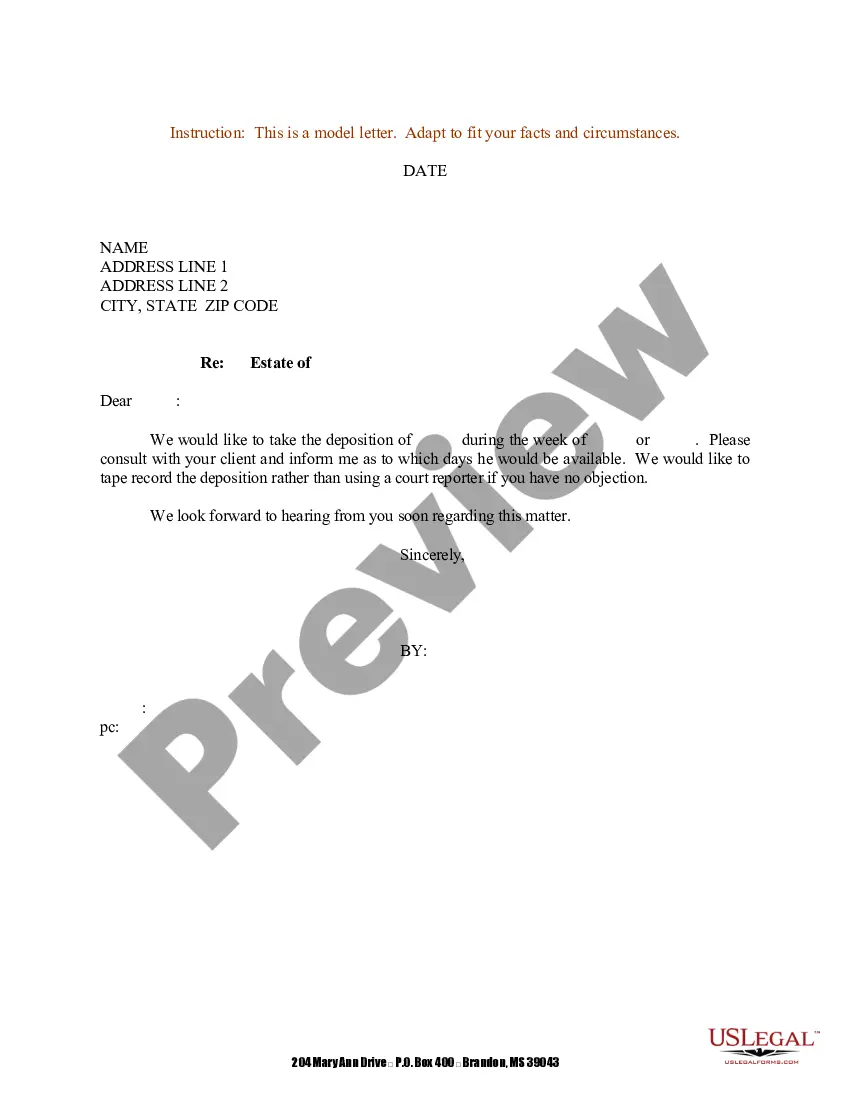
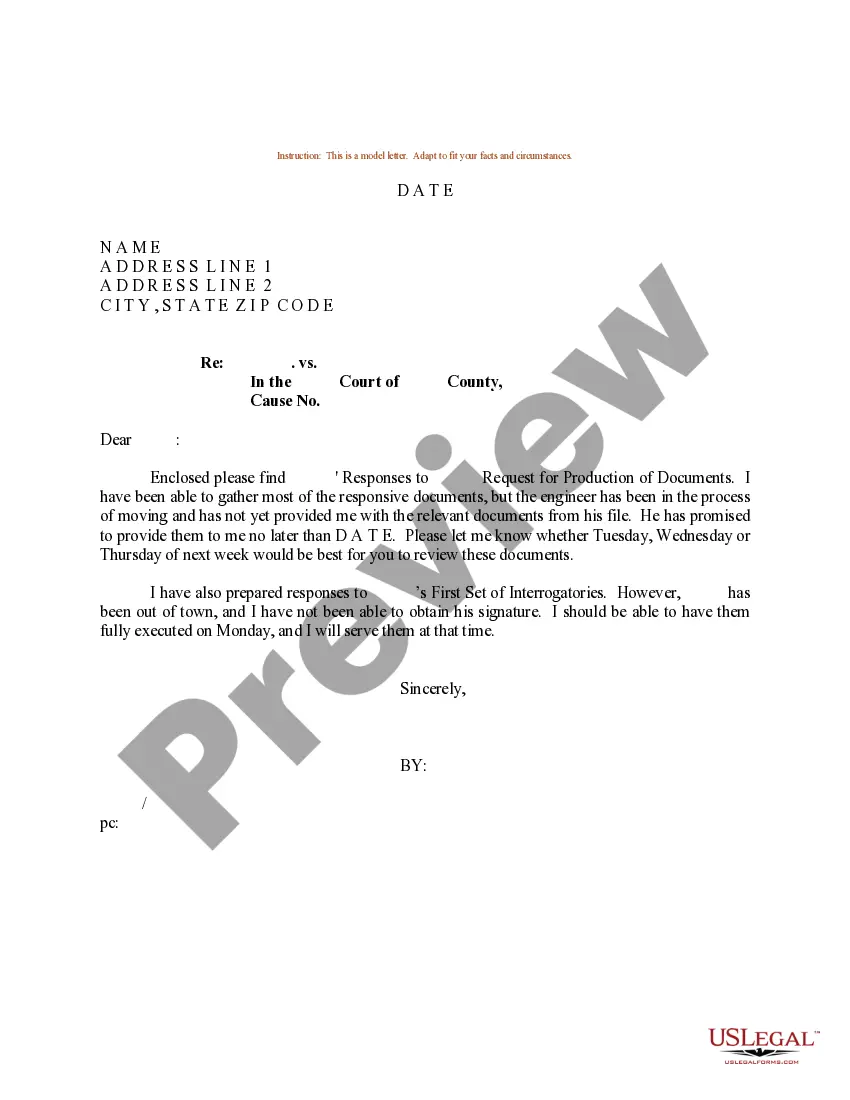
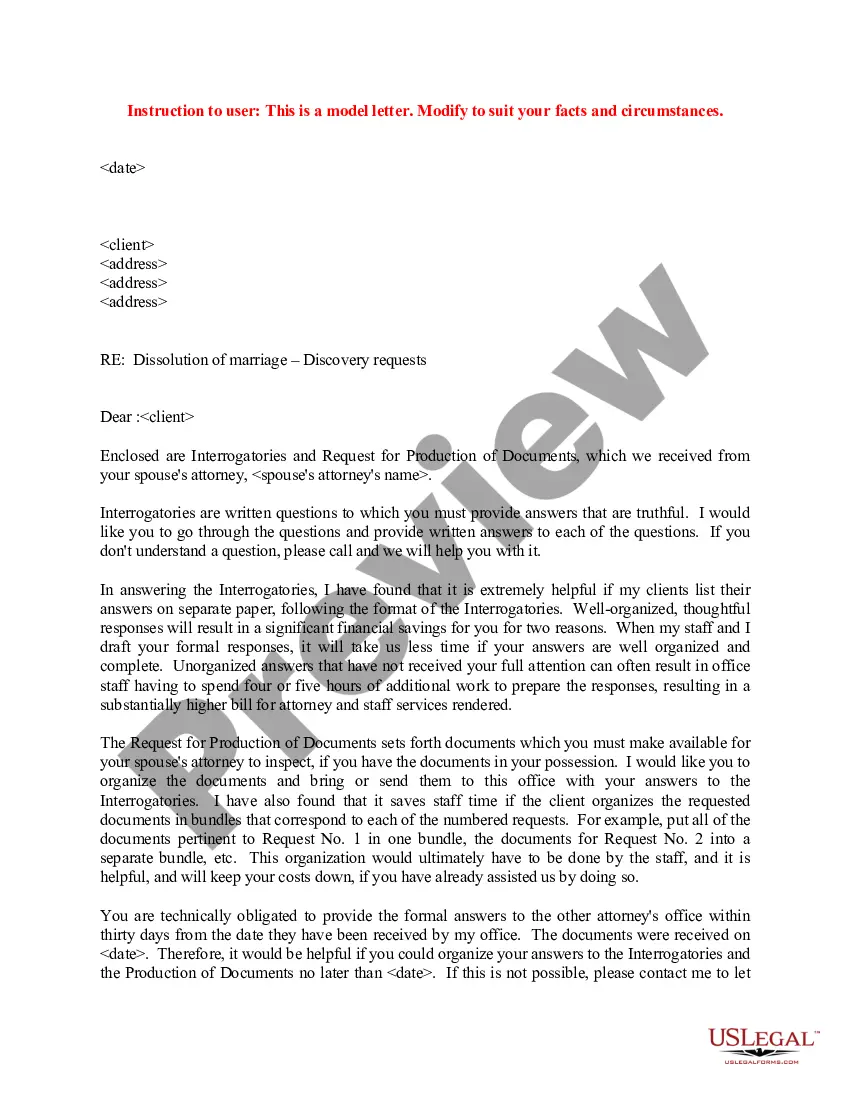
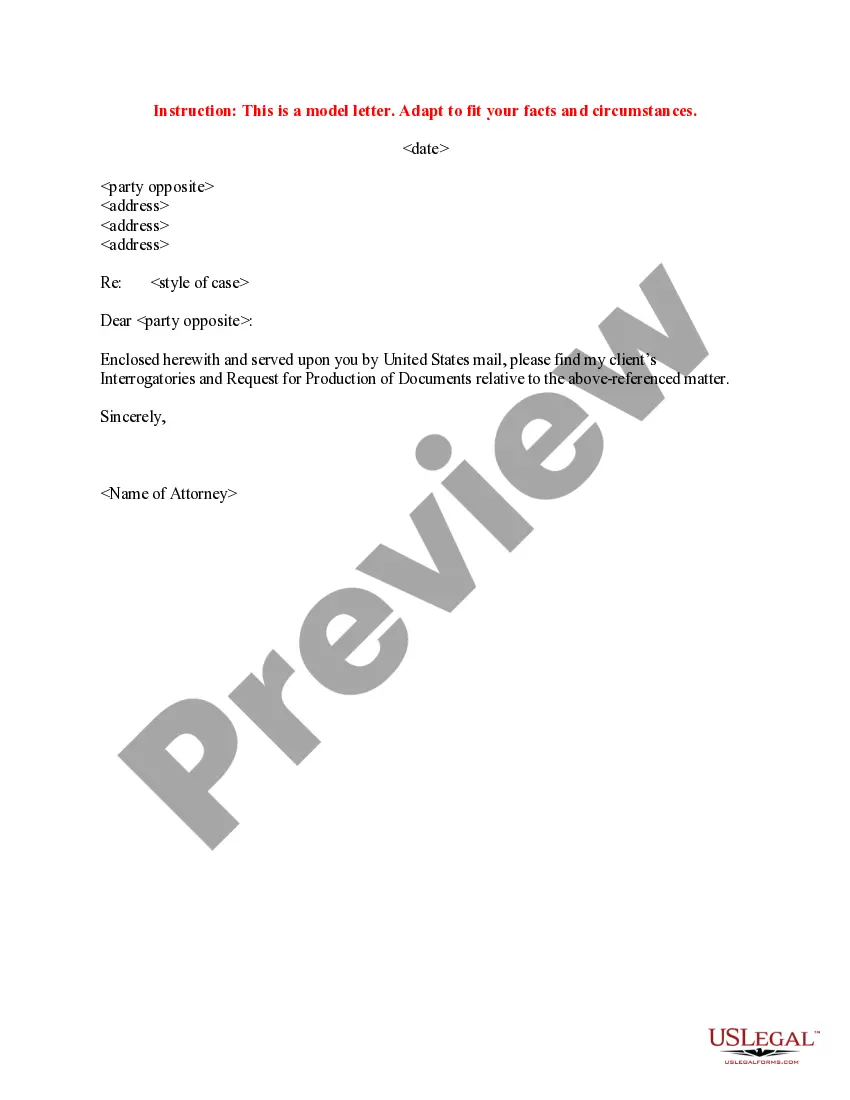
Get your form ready online
Our built-in tools help you complete, sign, share, and store your documents in one place.
Make edits, fill in missing information, and update formatting in US Legal Forms—just like you would in MS Word.
Download a copy, print it, send it by email, or mail it via USPS—whatever works best for your next step.
Sign and collect signatures with our SignNow integration. Send to multiple recipients, set reminders, and more. Go Premium to unlock E-Sign.
If this form requires notarization, complete it online through a secure video call—no need to meet a notary in person or wait for an appointment.
We protect your documents and personal data by following strict security and privacy standards.

Make edits, fill in missing information, and update formatting in US Legal Forms—just like you would in MS Word.

Download a copy, print it, send it by email, or mail it via USPS—whatever works best for your next step.

Sign and collect signatures with our SignNow integration. Send to multiple recipients, set reminders, and more. Go Premium to unlock E-Sign.

If this form requires notarization, complete it online through a secure video call—no need to meet a notary in person or wait for an appointment.

We protect your documents and personal data by following strict security and privacy standards.
Looking for another form?







Form popularity
FAQ
A divorce certificate tends to contain only basic information about the case. This might include the names of the parties involved in the divorce, as well as the address of the court where the divorce was finalized. It will also include the date that the divorce was made final.
Most records can be accessed from the court clerk's office of the various courts or by using any online or self-service resources provided by the court where the case was heard. Essentially, Arizona family court records can be obtained by: Using the state's online resources. Querying the record custodian via mail.
To request public records of the Superior Court or Judicial Branch in Maricopa County as defined by Arizona Supreme Court Rule 123 (Public Access to the Judicial Records of the State of Arizona), please email PublicRecords@jbazmc.maricopa.
I would start by searching the clerk of courts website for the county and state where the divorce proceedings took place. If on-line access is available, call or visit the clerk of court's office and request a copy. I would suggest that you get at least one certified copy for future use.
Your request can be submitted at our front counter, mailed to the Maricopa Municipal Court, 39600 W Civic Center Plaza, Maricopa, AZ 85138 or emailed. The form must be filled out completely otherwise it will not be processed. Your request must specify your name/agency and information requested.
Marriage Licenses and Divorce Decrees are available from the Maricopa County Clerk of the Superior Court. Family Court and Probate records are available at various Justice Court and Maricopa County Court locations.
All records requests must be submitted in writing. Fill out our Records Request Form (see below) and submit it to the court. Your request can be submitted at our front counter, mailed to the Maricopa Municipal Court, 39600 W Civic Center Plaza, Maricopa, AZ 85138 or emailed.
You can make a marriage records search request in person at the clerk's office. Requests can also be made online. Visit the court's clerk's website, navigate the public record request page, complete an online form, and submit it.
Through the government website, you can place an order with the General Register Office (GRO). While civil marriage registers contain key information like both spouses' names and when they were married, a marriage certificate is a full record of the union.
Divorce papers, much like marriage certificates, are considered public records in Arizona. The purpose of making these and other court documents available to the public is to ensure transparency of the court system.

