Requesting Discovery Form For Divorce In Illinois
Description
Get your form ready online
Our built-in tools help you complete, sign, share, and store your documents in one place.
Make edits, fill in missing information, and update formatting in US Legal Forms—just like you would in MS Word.
Download a copy, print it, send it by email, or mail it via USPS—whatever works best for your next step.
Sign and collect signatures with our SignNow integration. Send to multiple recipients, set reminders, and more. Go Premium to unlock E-Sign.
If this form requires notarization, complete it online through a secure video call—no need to meet a notary in person or wait for an appointment.
We protect your documents and personal data by following strict security and privacy standards.

Make edits, fill in missing information, and update formatting in US Legal Forms—just like you would in MS Word.

Download a copy, print it, send it by email, or mail it via USPS—whatever works best for your next step.

Sign and collect signatures with our SignNow integration. Send to multiple recipients, set reminders, and more. Go Premium to unlock E-Sign.

If this form requires notarization, complete it online through a secure video call—no need to meet a notary in person or wait for an appointment.

We protect your documents and personal data by following strict security and privacy standards.
Looking for another form?

Form popularity
FAQ
Understanding the Discovery Phase in Divorce This process requires both parties to share relevant documents, including financial records and property details, which might date back three to five years. The goal is to achieve transparency, helping both parties make informed decisions.
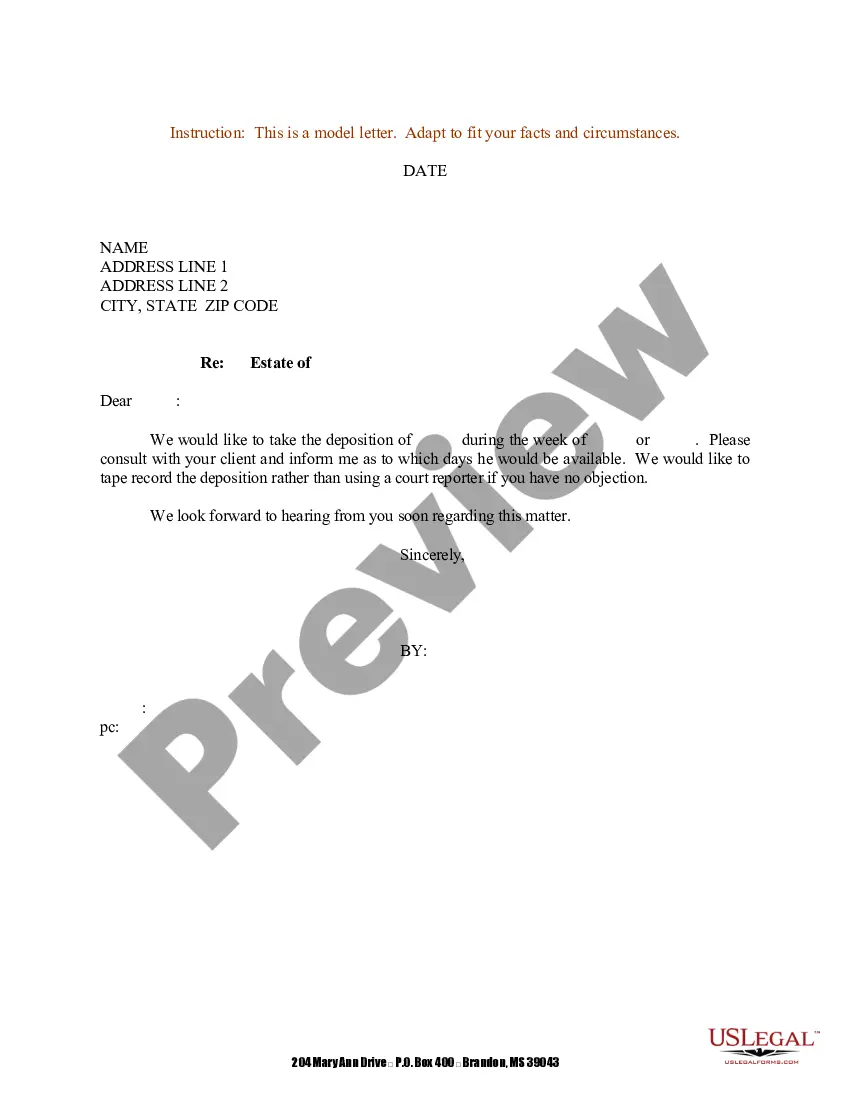
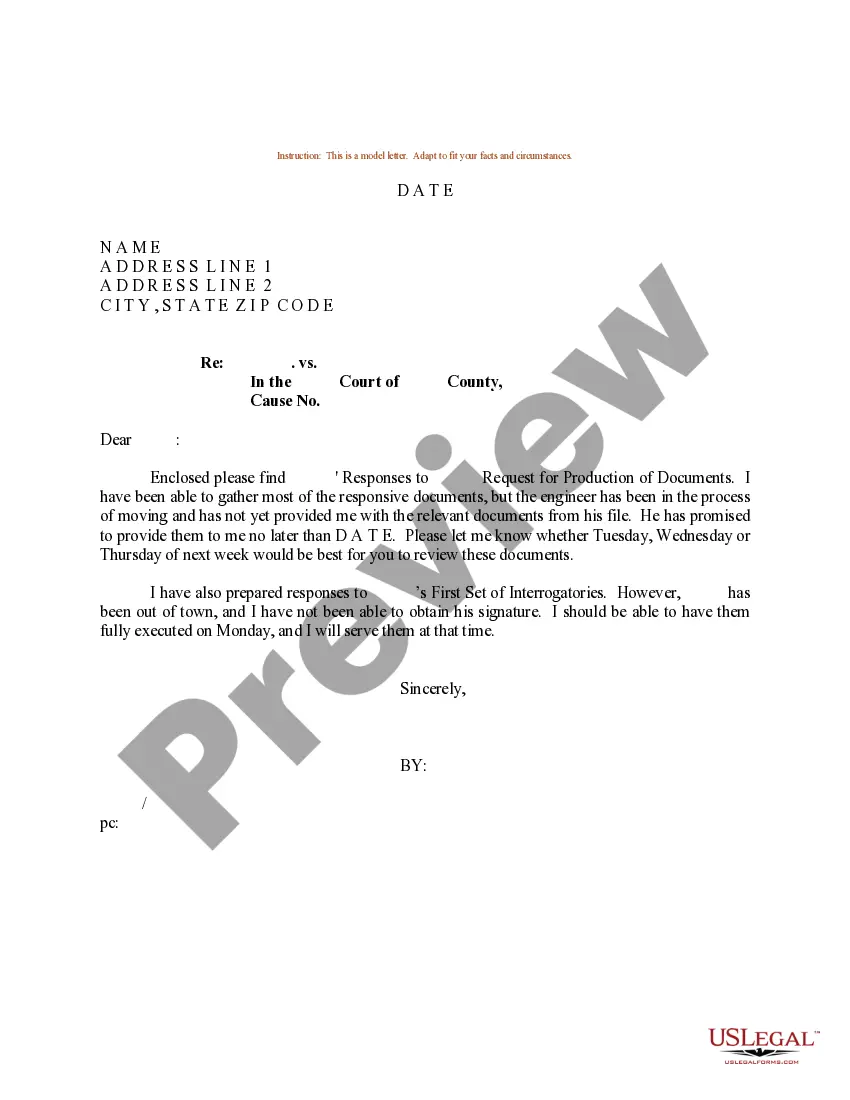
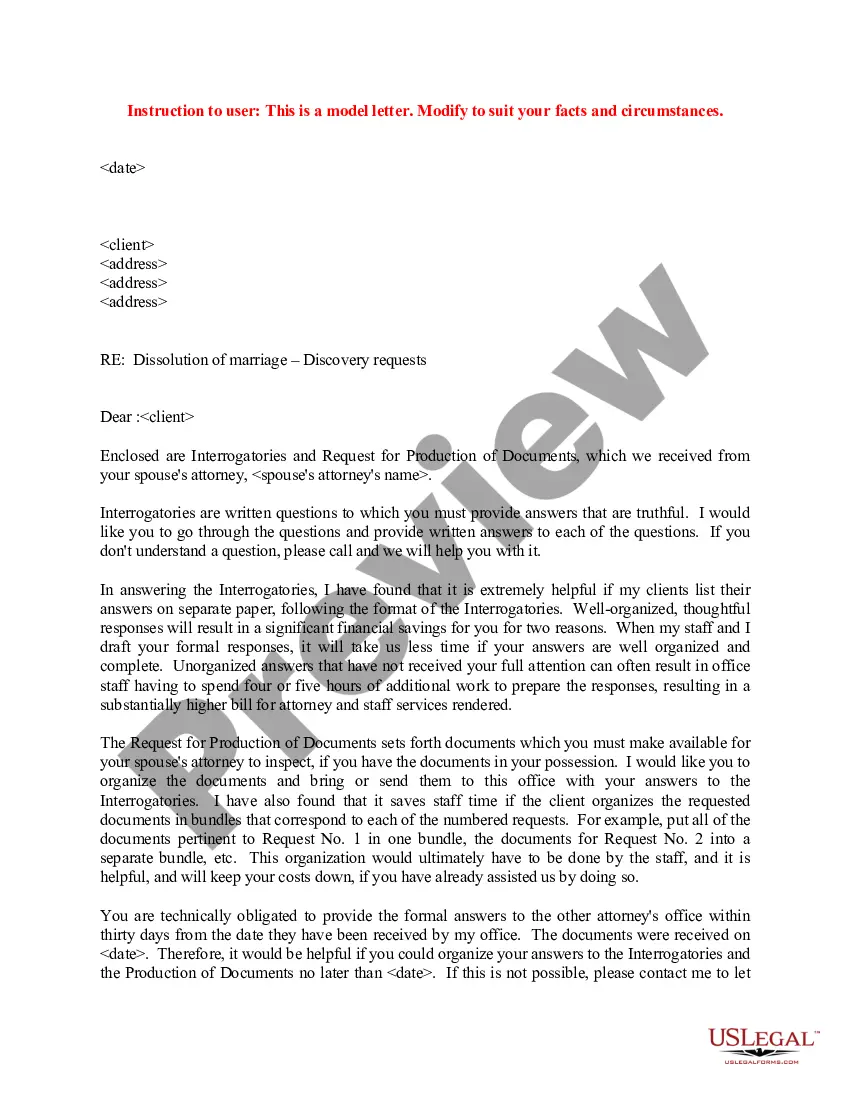
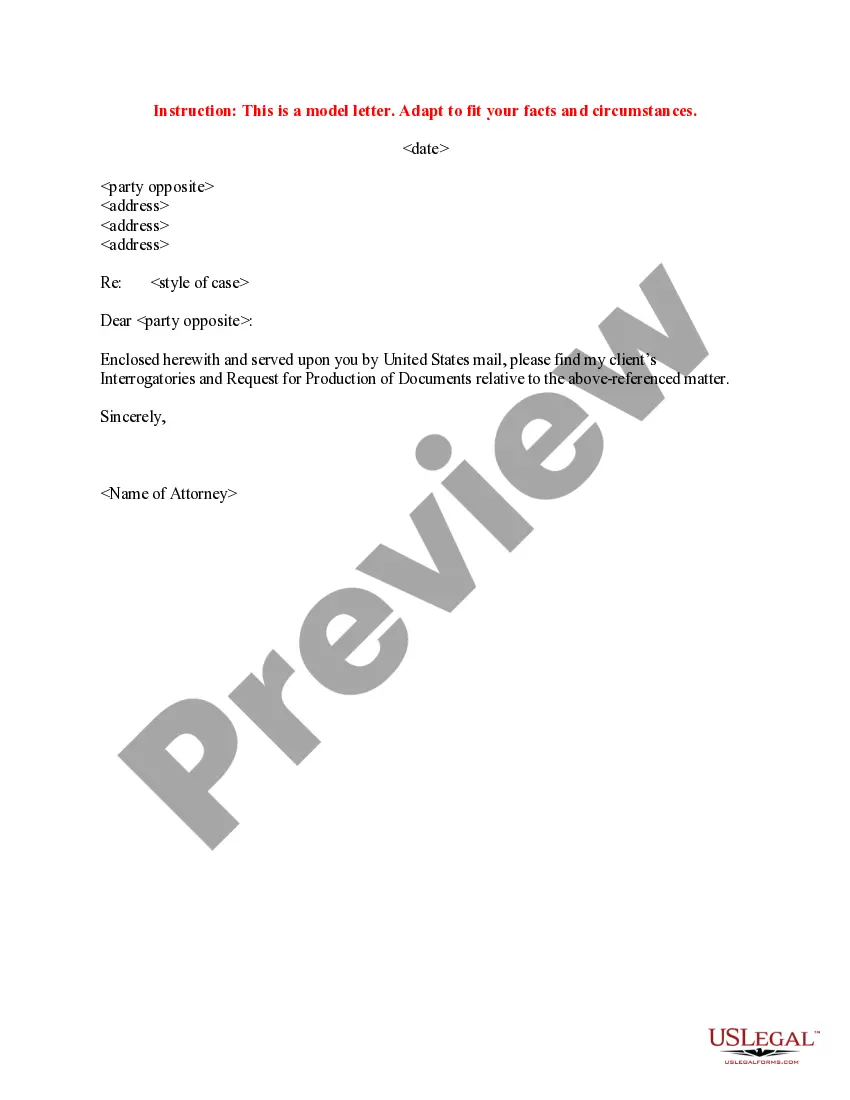
In a divorce action, “discovery” typically consists of written interrogatories (written questions), demand for production of documents and depositions (testimony under oath). Either party can send interrogatories to the other party to obtain relevant information.
How far back can discovery go in a divorce? Discovery in a divorce typically requires financial, asset, and debt information from the last three to five years.
In the United States, can a person obtain a divorce without the spouse's knowledge? Yes. It's far more complicated than doing it with the spouse's knowledge, but it can be done. Usually, it's done because one spouse left and has had no communication with the other for several years.
How far back can discovery go in a divorce? Discovery in a divorce typically requires financial, asset, and debt information from the last three to five years.
As part of the discovery process, attorneys may send the other side a set of interrogatories. These documents are a list of questions that the other side is required to respond to under oath. Generally, these questions are about the spouse's background and often include questions about their education and work history.
The discovery process can play a foundational role in any divorce case and play a crucial role in gathering extensive financial details of both parties. This process, typically initiated by legal counsel, can take a considerable amount of time to finalize, often lasting several weeks to months or longer.
If your husband has failed to meet discovery deadlines, your attorneys can seek to bar him from presenting evidence or arguments at trial related to his undisclosed assets. Courts disfavor parties who fail to comply with discovery rules.
If your spouse still does not appear on the hearing date the judge in some cases can issue a default ruling awarding you a divorce. The fastest way to get a divorce in Illinois is to get an uncontested divorce.
Default: To obtain a default judgement and finalize the divorce without your spouse's participation, you must: Receive permission from the judge through a court order. Complete a Motion for Default, an Affidavit as to Military Service, and a Proof of Delivery and e-File them.

