Requesting Discovery Form For Chronic Medication In Illinois
Description
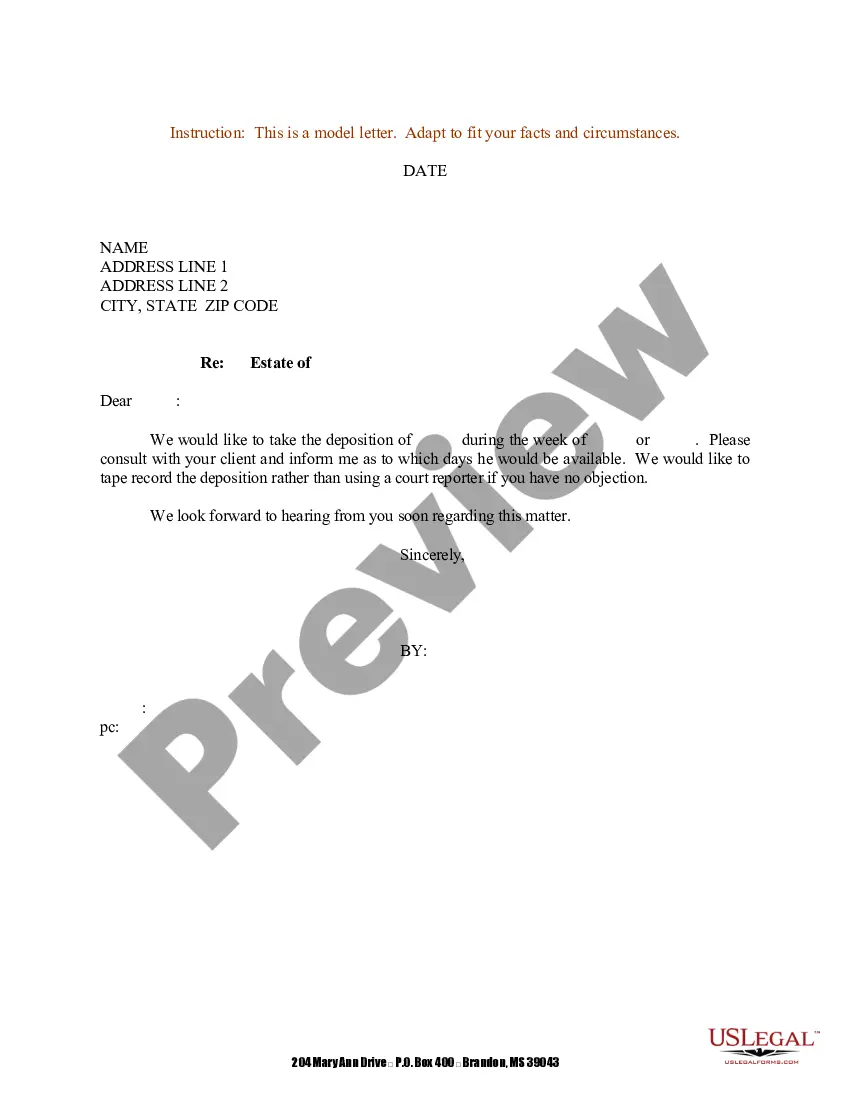
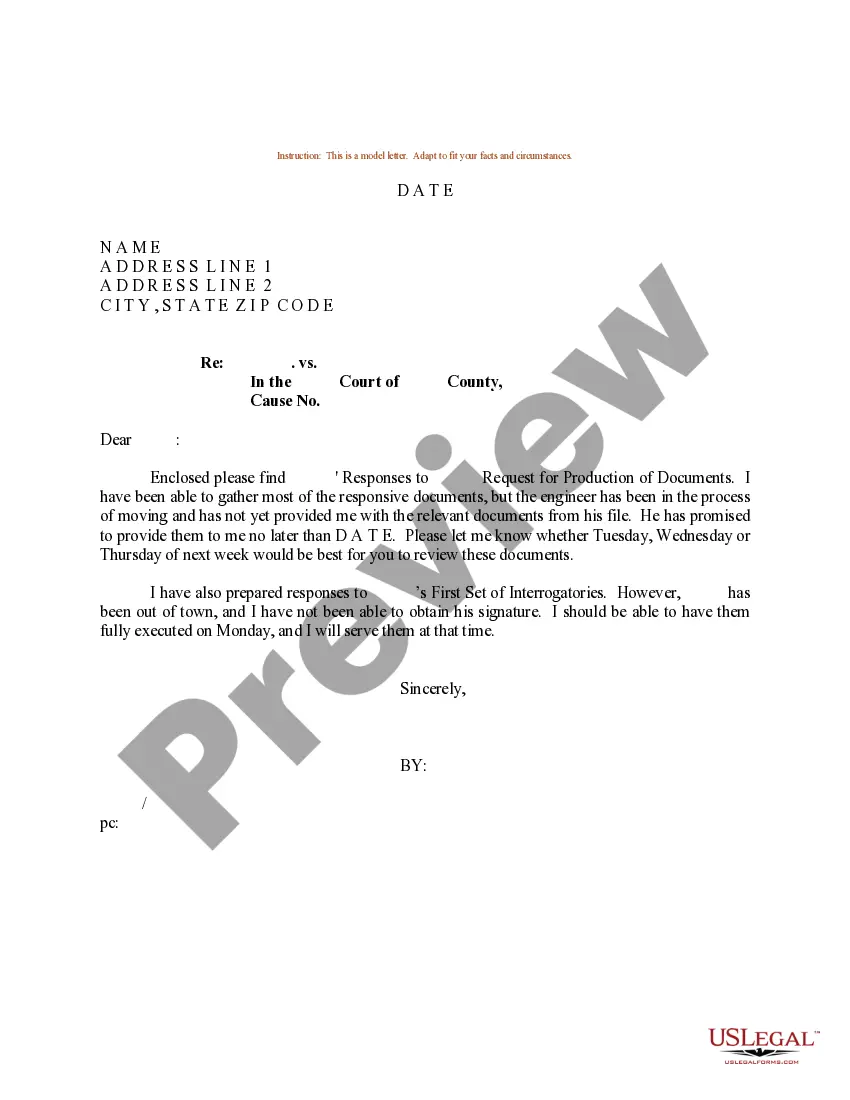
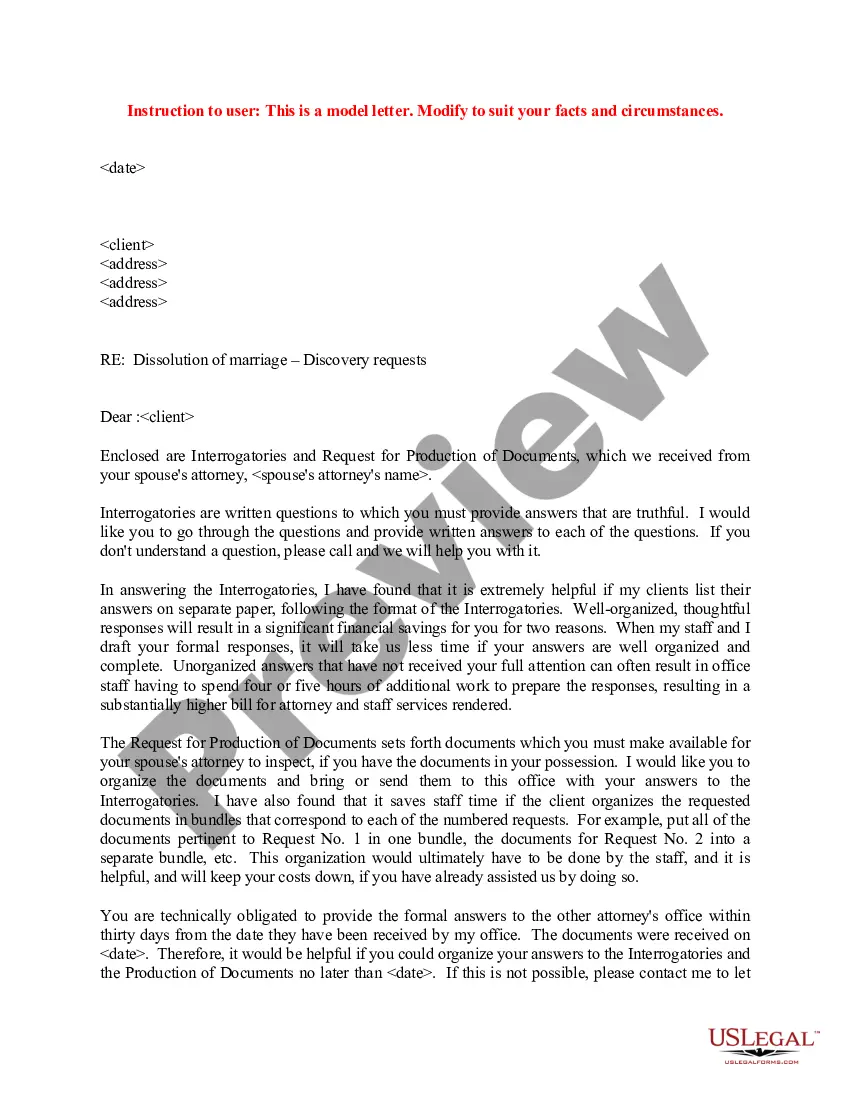
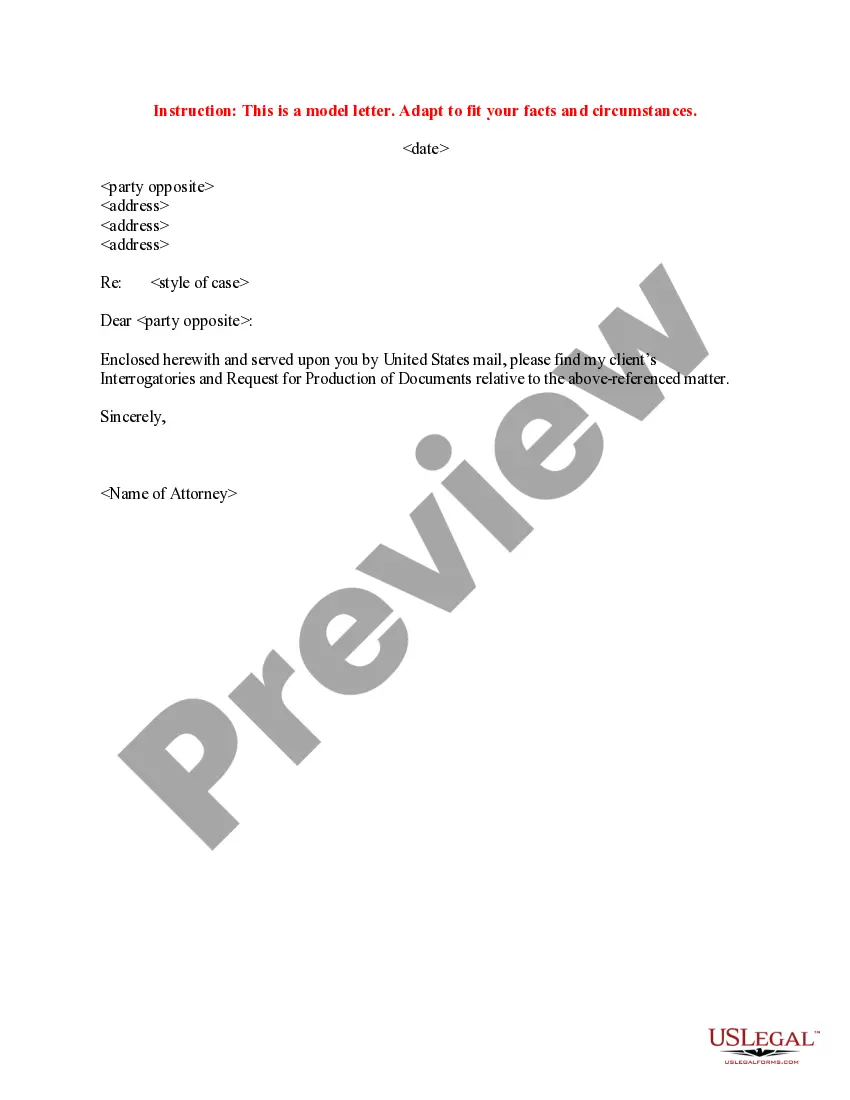
Get your form ready online
Our built-in tools help you complete, sign, share, and store your documents in one place.
Make edits, fill in missing information, and update formatting in US Legal Forms—just like you would in MS Word.
Download a copy, print it, send it by email, or mail it via USPS—whatever works best for your next step.
Sign and collect signatures with our SignNow integration. Send to multiple recipients, set reminders, and more. Go Premium to unlock E-Sign.
If this form requires notarization, complete it online through a secure video call—no need to meet a notary in person or wait for an appointment.
We protect your documents and personal data by following strict security and privacy standards.

Make edits, fill in missing information, and update formatting in US Legal Forms—just like you would in MS Word.

Download a copy, print it, send it by email, or mail it via USPS—whatever works best for your next step.

Sign and collect signatures with our SignNow integration. Send to multiple recipients, set reminders, and more. Go Premium to unlock E-Sign.

If this form requires notarization, complete it online through a secure video call—no need to meet a notary in person or wait for an appointment.

We protect your documents and personal data by following strict security and privacy standards.
Looking for another form?









Form popularity
FAQ
Formal Written Discovery is written questions and requests for documents. It's a time-consuming process, but necessary to gather the evidence we need for a final trial. This is where we ask questions and request documents from the other party, who must answer them under oath and with detail.
Parties usually send their discovery requests and responses to the other party electronically, by email. But, parties may also send or respond to discovery requests by U.S. mail or a parcel service. Discovery requests and responses should not be sent to the Administrative Judge, except to support a motion.
The California discovery rule stops the clock on the statute of limitations until the plaintiff either finds out about the cause of action or has a good reason to do so. This rule comes into play when the plaintiff didn't realize, and a reasonable person wouldn't have realized, that they were harmed.
Provide a brief synopsis (two or three sentences) of the crux of the motion that you are bringing before the court. 2. Give a good explanation of the facts of the case. The relevant scope of your discovery depends on these facts.
A party can only send 30 interrogatories. However, this number can be increased if the other party agrees or the court allows more. If there is more than one other party in the case, the requesting party must give copies to all other parties. A party who receives interrogatories has 28 days to answer or object.
Sometimes, there are exceptions via a discovery rule, allowing for a delay to the statute of limitations to start the time tolling not on the date the incident occurred leading to injury but instead on the date of discovery of an injury or when damages were first reasonably discoverable, per 735 ILCS 5/13-214.3(b).
Clinical documentation for prior authorization reviews handled by BCBSIL may be submitted in one of two ways: • Online through Availity® Essentials using the Availity Authorizations tool • Fax to BCBSIL at 312-233-4060.
By fax. Then, for Physical Health fax it to us at 1-877-779-5234 or for Behavioral Health fax it to 1-844-528-3453 with any supporting documentation for a medical necessity review.
Attach sufficient clinical information to support medical necessity for services, or your request may be delayed. Fax the completed form to the Health Net Medi-Cal Prior Authorization Department at 1-800-743-1655.
All services for out-of-network providers, except emergency services, require prior authorization.

