Requesting Discovery Form For Chronic Medication In Georgia
Description
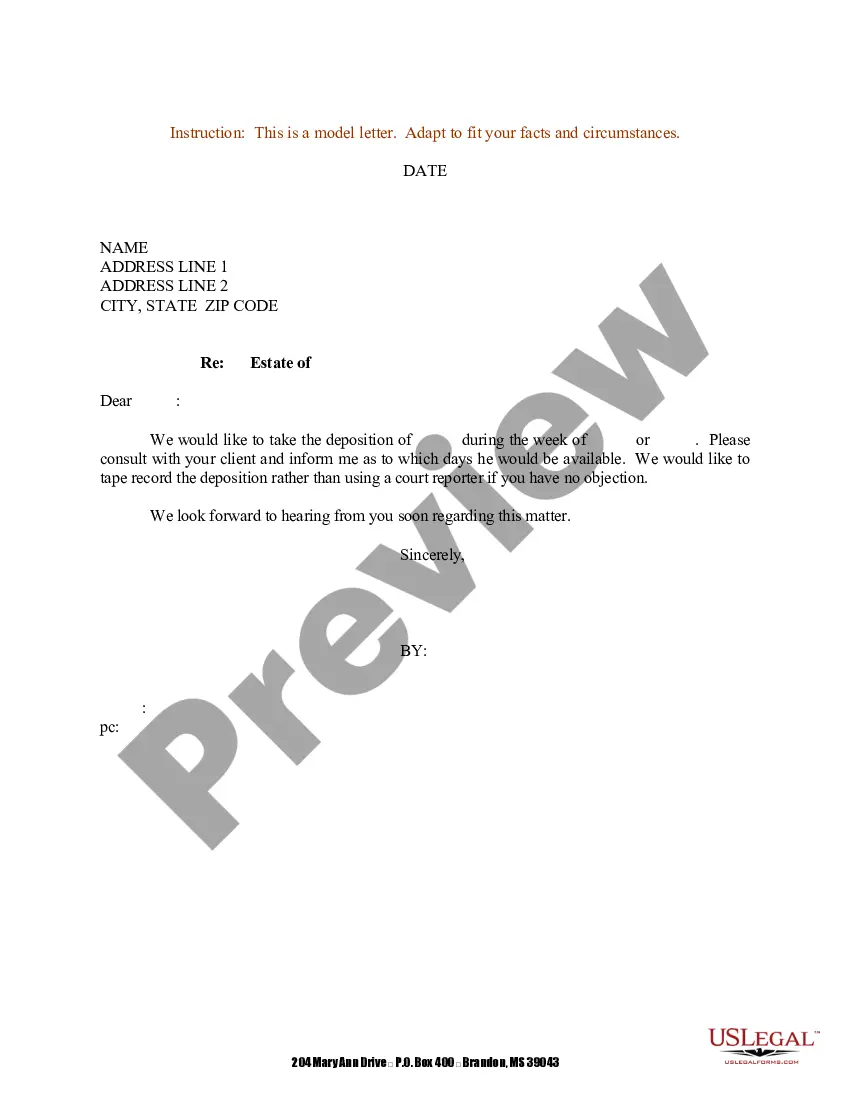
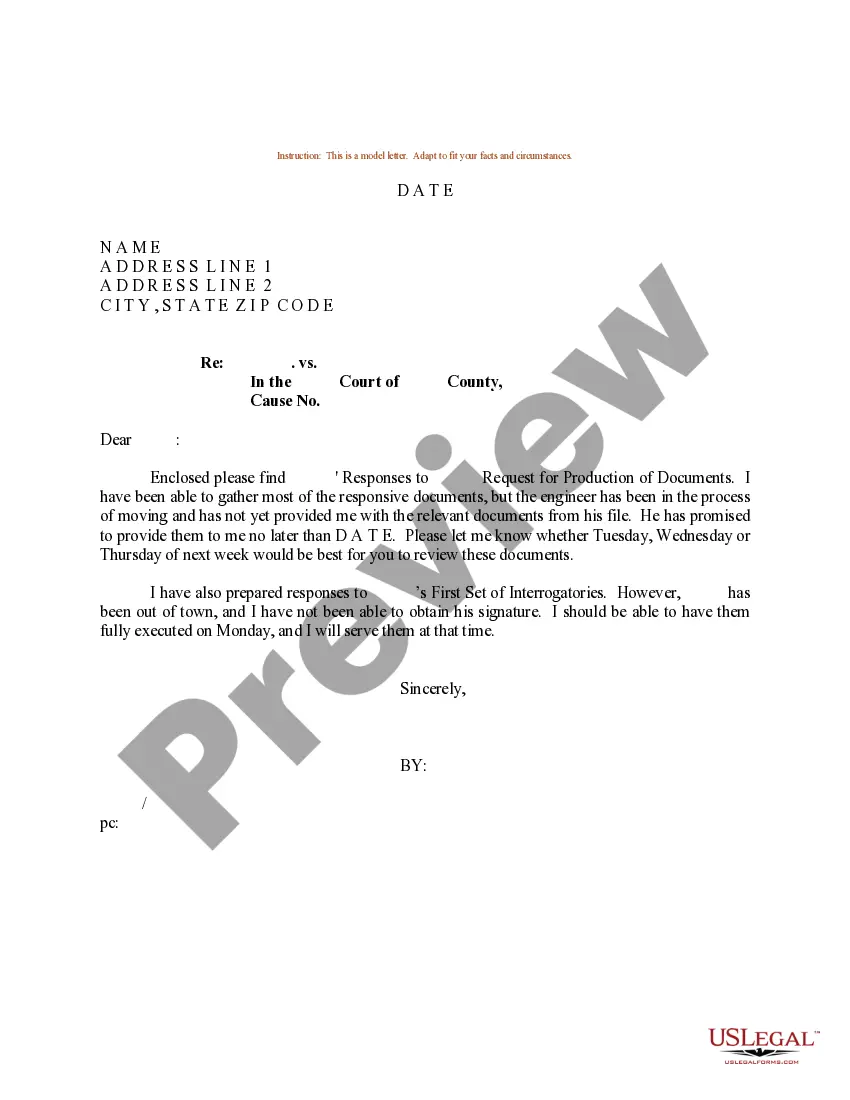
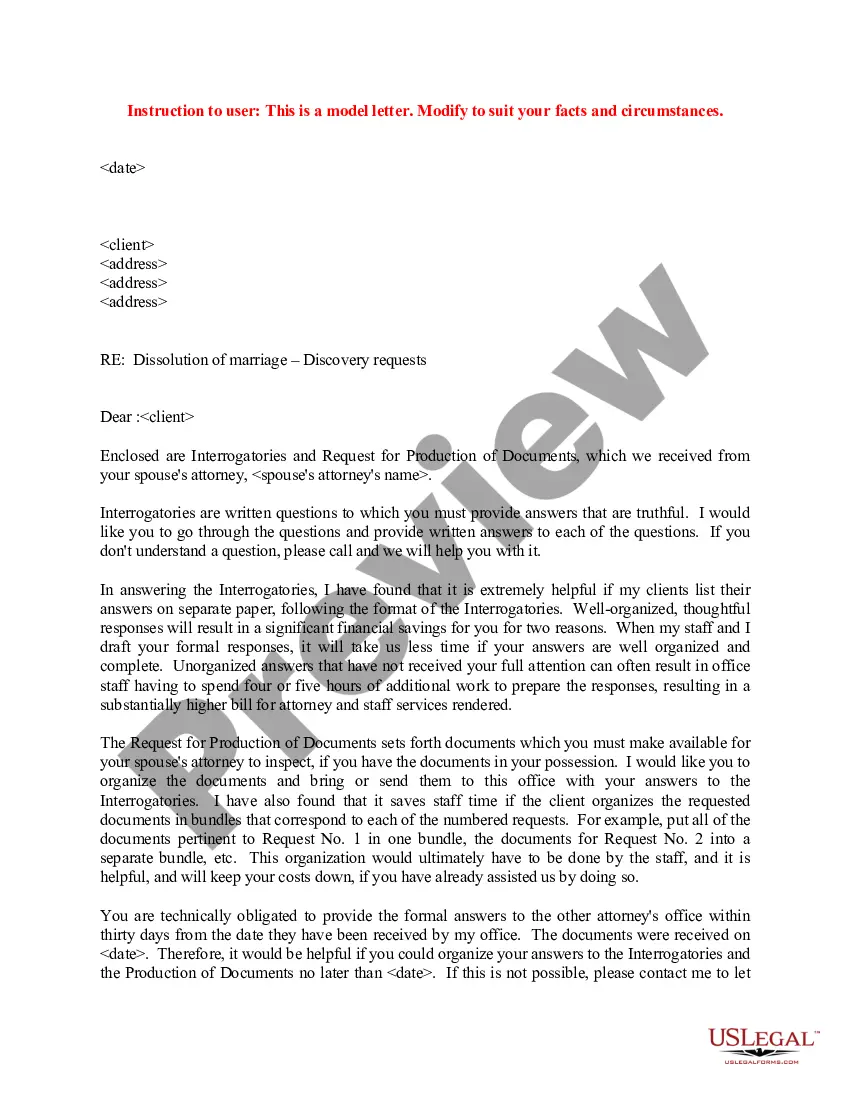
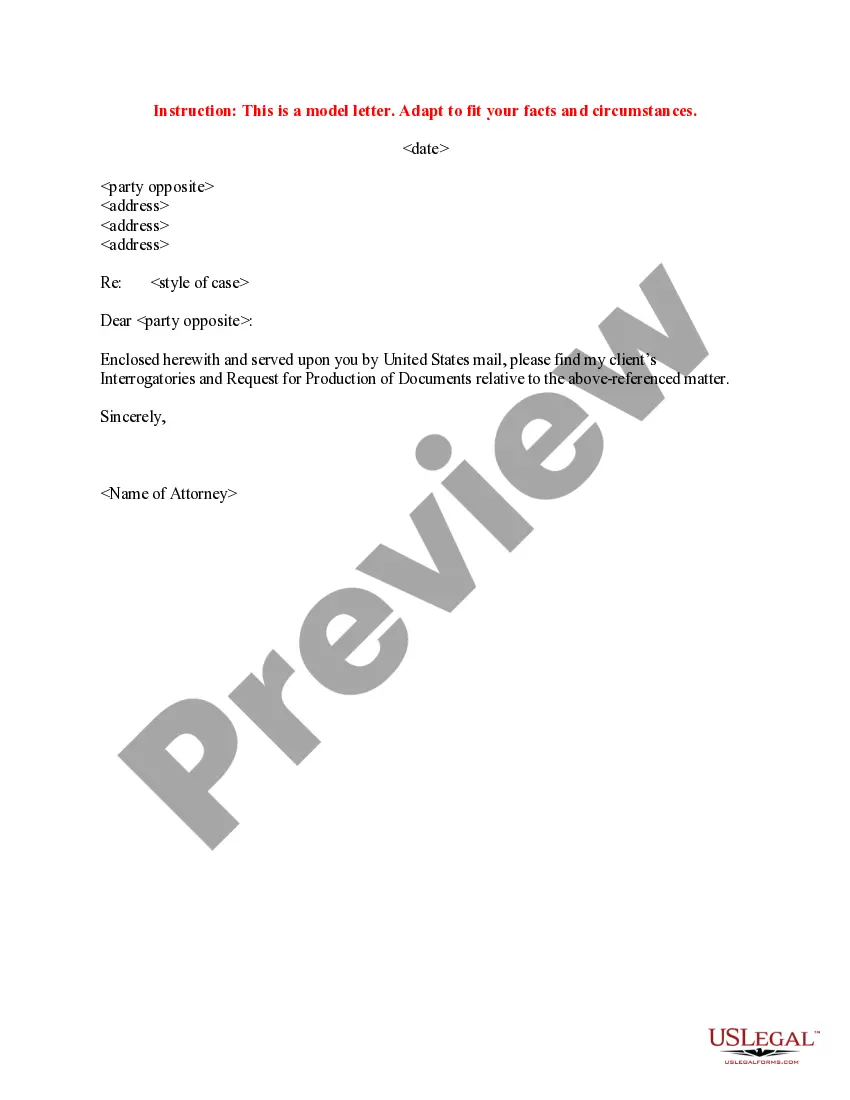
Get your form ready online
Our built-in tools help you complete, sign, share, and store your documents in one place.
Make edits, fill in missing information, and update formatting in US Legal Forms—just like you would in MS Word.
Download a copy, print it, send it by email, or mail it via USPS—whatever works best for your next step.
Sign and collect signatures with our SignNow integration. Send to multiple recipients, set reminders, and more. Go Premium to unlock E-Sign.
If this form requires notarization, complete it online through a secure video call—no need to meet a notary in person or wait for an appointment.
We protect your documents and personal data by following strict security and privacy standards.

Make edits, fill in missing information, and update formatting in US Legal Forms—just like you would in MS Word.

Download a copy, print it, send it by email, or mail it via USPS—whatever works best for your next step.

Sign and collect signatures with our SignNow integration. Send to multiple recipients, set reminders, and more. Go Premium to unlock E-Sign.

If this form requires notarization, complete it online through a secure video call—no need to meet a notary in person or wait for an appointment.

We protect your documents and personal data by following strict security and privacy standards.
Looking for another form?





Form popularity
FAQ
This form does not need to be notarized and a copy of a validly executed advance directive for health care carries the same meaning and effect as the original document.
In Georgia, power of attorney must meet certain basic requirements, including being signed by the principal, witnesses, and a notary public. There are standardized forms available for financial and health care powers of attorney.
(1) An advance directive for health care shall be attested and subscribed in the presence of the declarant by two witnesses who are of sound mind and at least 18 years of age, but such witnesses do not have to be together or present when the declarant signs the advance directive for health care.
The Health Insurance Portability and Accountability Act of 1996 (HIPAA) requires the Georgia Department of Public Health (DPH) to maintain the privacy of your health information, inform you of its legal duties and privacy practices with respect to your health information through this Notice of Privacy Practices, notify ...
Georgia medical records laws require a patient's consent and confidentiality waiver in order for any medical records to be released, except by subpoena or other court order.
A HIPAA violation refers to the failure to comply with HIPAA rules, which can include unauthorized access, use, or disclosure of Protected Health Information (PHI), failure to provide patients with access to their PHI, lack of safeguards to protect PHI, failure to conduct regular risk assessments, or insufficient ...
To submit an electronic complaint, go to OCR's Web site at: .hhs/ocr/privacy/hipaa/complaints/index.html. To submit a complaint using alternative methods, see reverse page (page 2 of the complaint form). When do you believe that the violation of health information privacy rights occurred?
Individuals have the right to know how their protected health information may be used and disclosed, and what their privacy rights are. The Notice of Privacy Practices (NPP) provides individuals with this information.
You can report a HIPAA violation by contacting the Privacy Officer at the organization at which the violation occurred. The Privacy Officer's contact details are on the organization's Notice of Privacy Practices.

