Requesting Discovery Form For Work In Dallas
Description
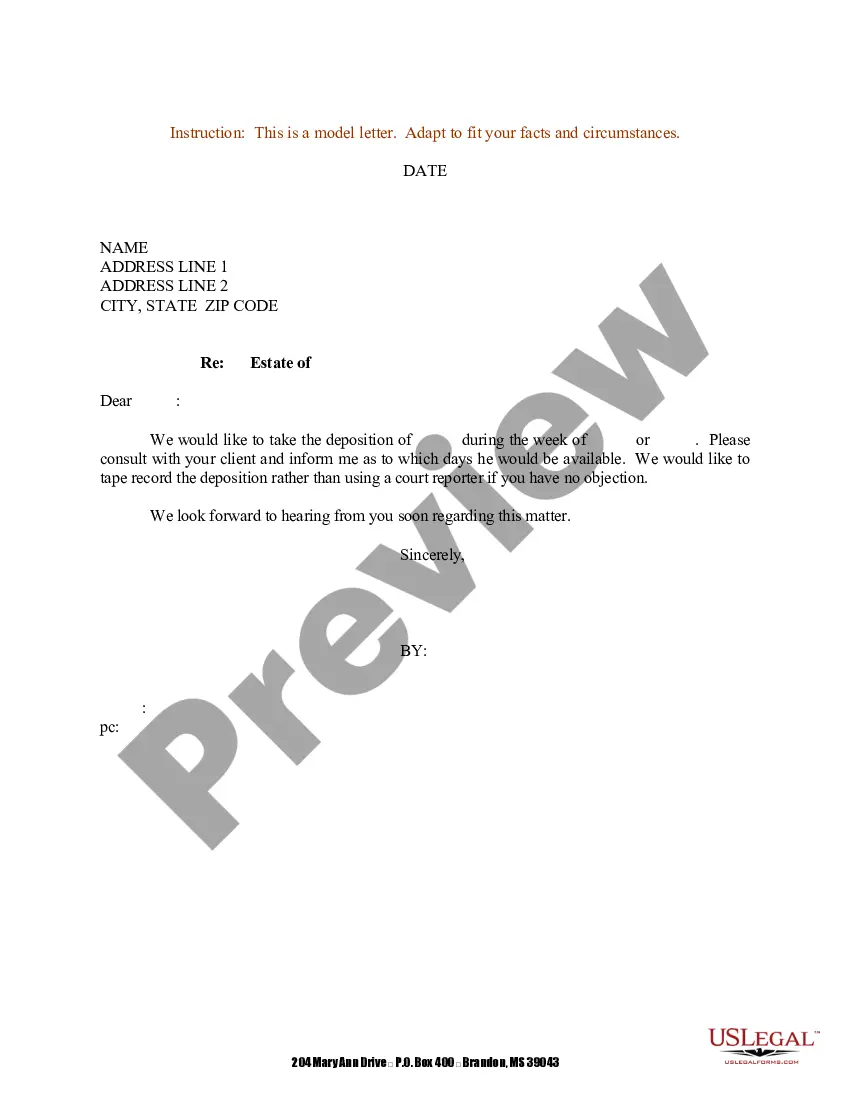
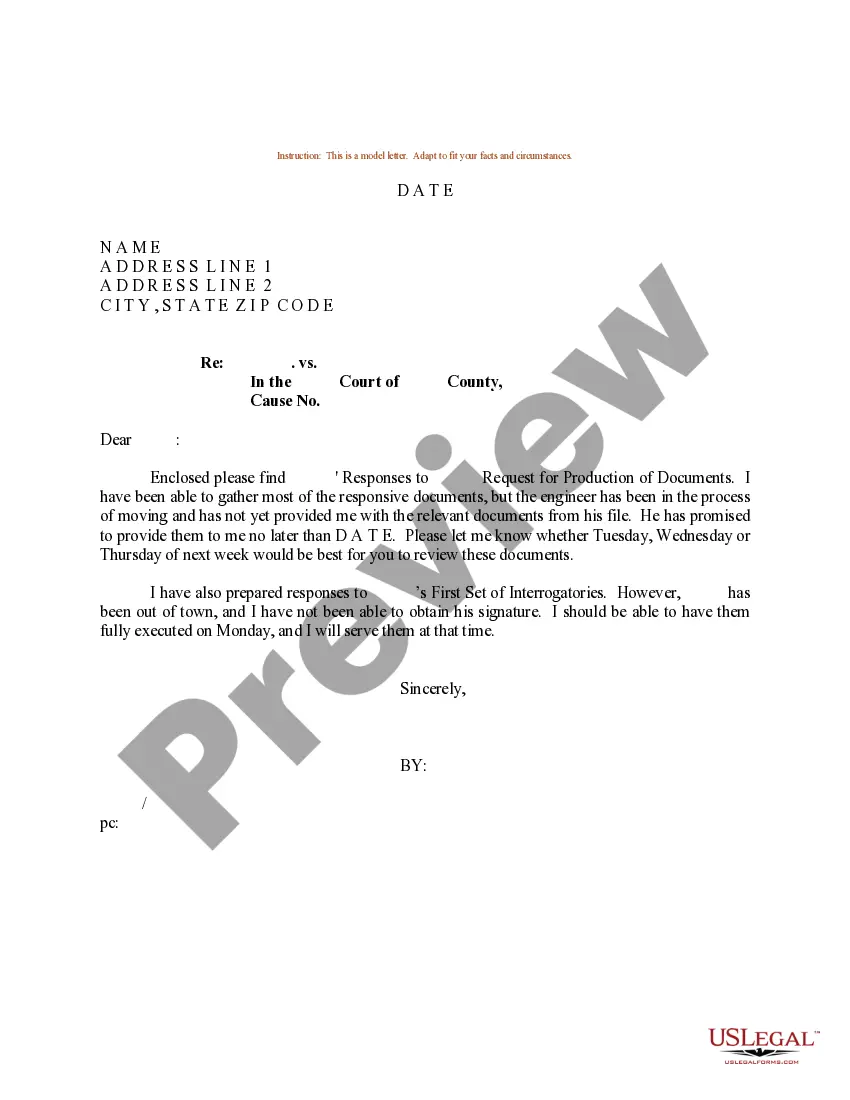
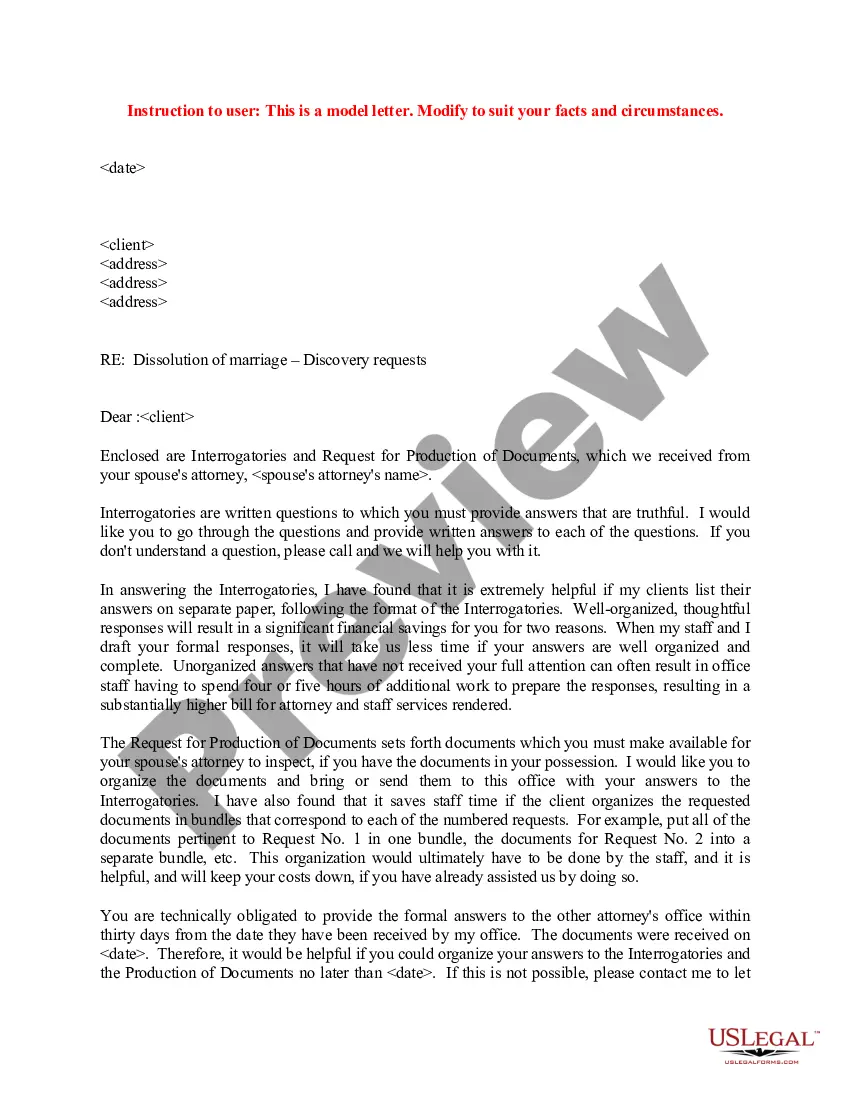
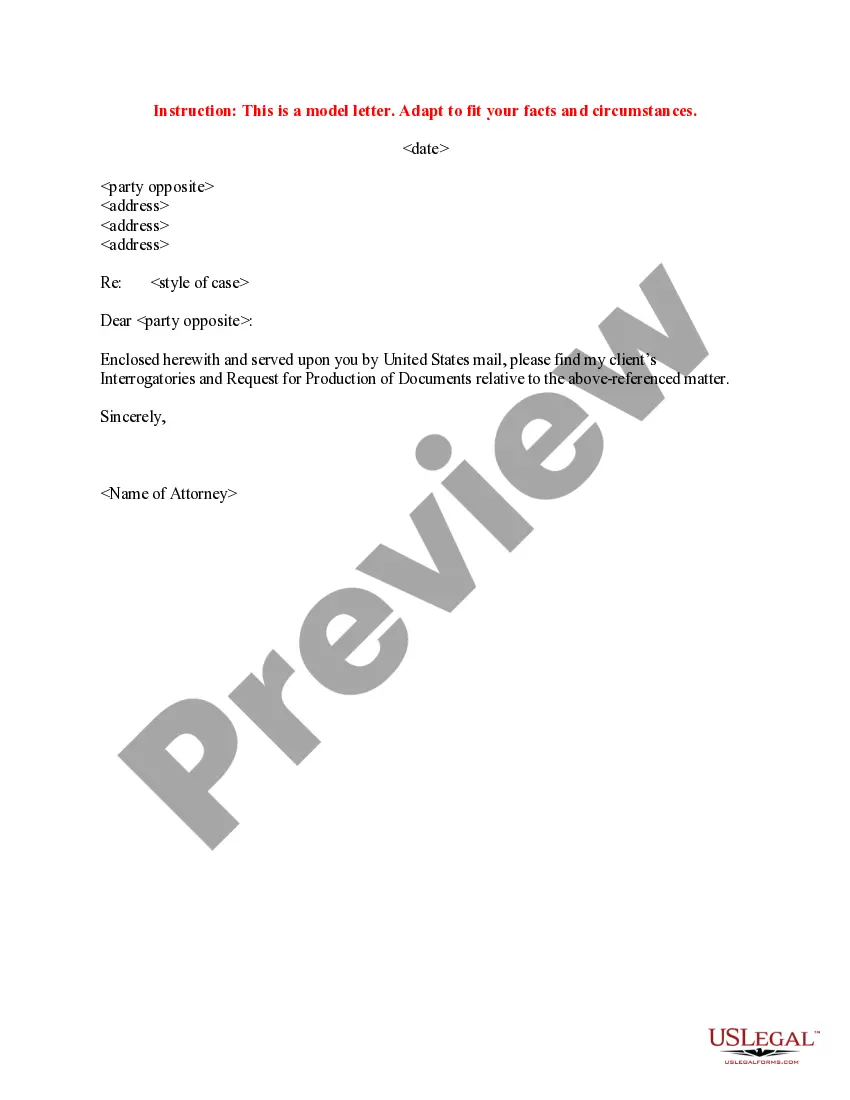
Get your form ready online
Our built-in tools help you complete, sign, share, and store your documents in one place.
Make edits, fill in missing information, and update formatting in US Legal Forms—just like you would in MS Word.
Download a copy, print it, send it by email, or mail it via USPS—whatever works best for your next step.
Sign and collect signatures with our SignNow integration. Send to multiple recipients, set reminders, and more. Go Premium to unlock E-Sign.
If this form requires notarization, complete it online through a secure video call—no need to meet a notary in person or wait for an appointment.
We protect your documents and personal data by following strict security and privacy standards.

Make edits, fill in missing information, and update formatting in US Legal Forms—just like you would in MS Word.

Download a copy, print it, send it by email, or mail it via USPS—whatever works best for your next step.

Sign and collect signatures with our SignNow integration. Send to multiple recipients, set reminders, and more. Go Premium to unlock E-Sign.

If this form requires notarization, complete it online through a secure video call—no need to meet a notary in person or wait for an appointment.

We protect your documents and personal data by following strict security and privacy standards.
Looking for another form?
Form popularity
FAQ
In 2020, the Texas Supreme Court made significant changes to both TRCP 194 and 195, notably the implementation of “Required Disclosures,” automatically obligating parties in civil suits filed after January 1, 2021, to provide certain information and documents to the other parties without waiting for a discovery request ...
When a party requests documents or answers to questions from the opposing party in a lawsuit, you must do so in the form of a Motion for Discovery. A Motion for Discovery may be filed with the Court via E-File, Email, in person, or by US Mail.
The discovery period depends on what type of discovery plan your case falls under. For example, in Level 2 discovery, which is the most common type, discovery begins when the suit is filed and continues until 30 days before the trial is set (in family law cases).
The discovery rule is a “narrow exception” to the legal injury rule that “defers accrual of a cause of action until the plaintiff knew or, exercising reasonable diligence, should have known of the facts giving rise to the cause of action.” Berry, 646 S.W. 3d at 524 (quoting Comput.
Amended Rule 190.2(b) ends the discovery period 180 days after the date the first discovery request is served; imposes a fifteen limit maximum on interrogatories, requests for production, and requests for admission; and allows for additional disclosures.
When a party requests documents or answers to questions from the opposing party in a lawsuit, you must do so in the form of a Motion for Discovery. A Motion for Discovery may be filed with the Court via E-File, Email, in person, or by US Mail.
The length of the discovery process depends on the facts of the case and the amount of evidence that has to be reviewed. Since both sides are required to submit their evidence to their opponents for review, it could take weeks or months for the lawyers on both sides to go over all of the documentation.
At the end of the discovery process, both parties should have a reasonably good idea of the strength of their opponent's case as well as their own. A weakness in one party's position may encourage it to try negotiating a settlement to avoid going to trial.
The discovery period typically begins when the first initial disclosures are due and continues for 180 days.
Discovery generally begins after the other party has answered a lawsuit. You have 30 days from the date you receive the requests. However, if you serve the other side your requests or you receive a discovery request prior to filing an answer with the court, then you have 50 days instead to answer.

