Requesting Discovery Form With Decimals In Chicago
Description
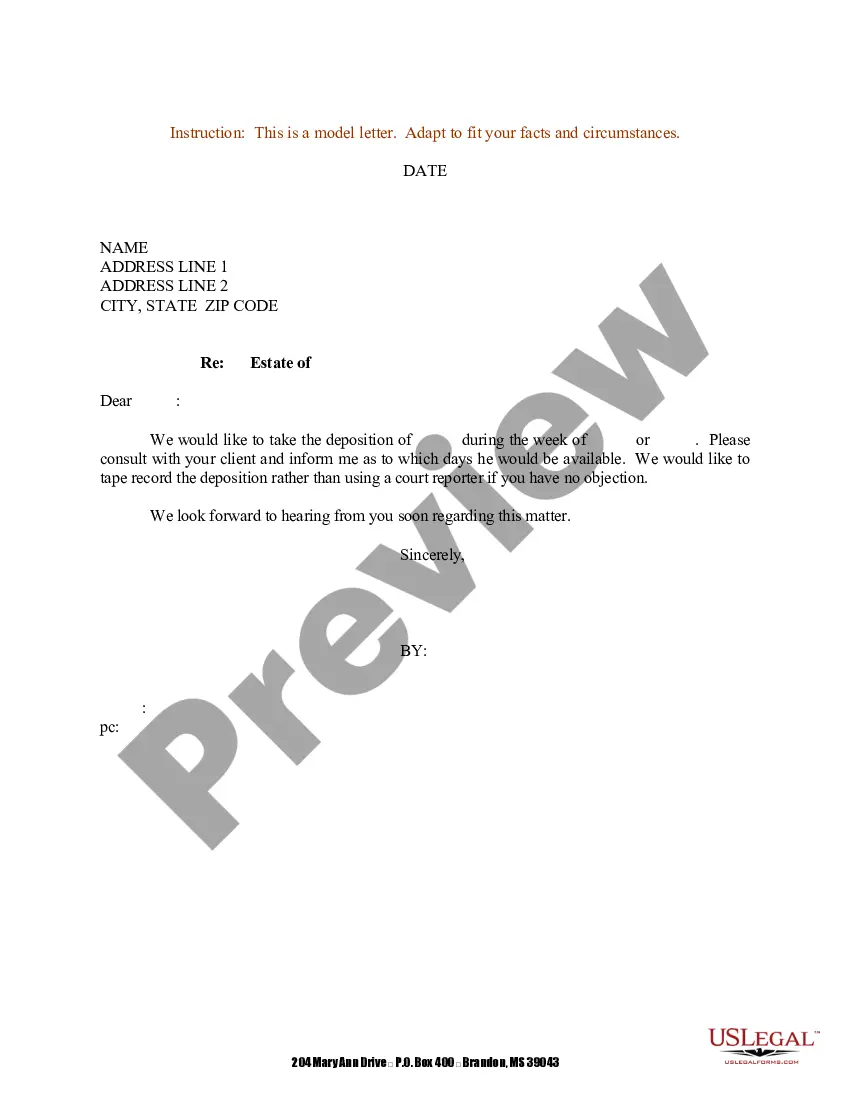
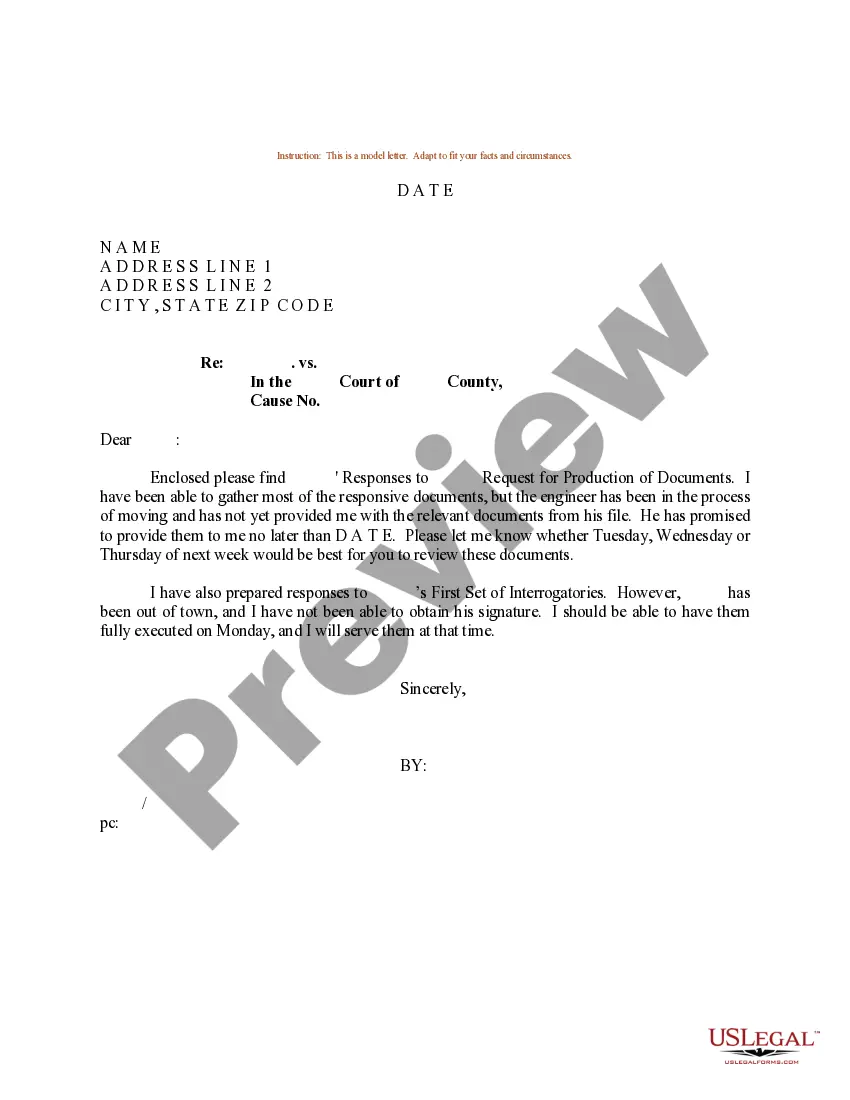
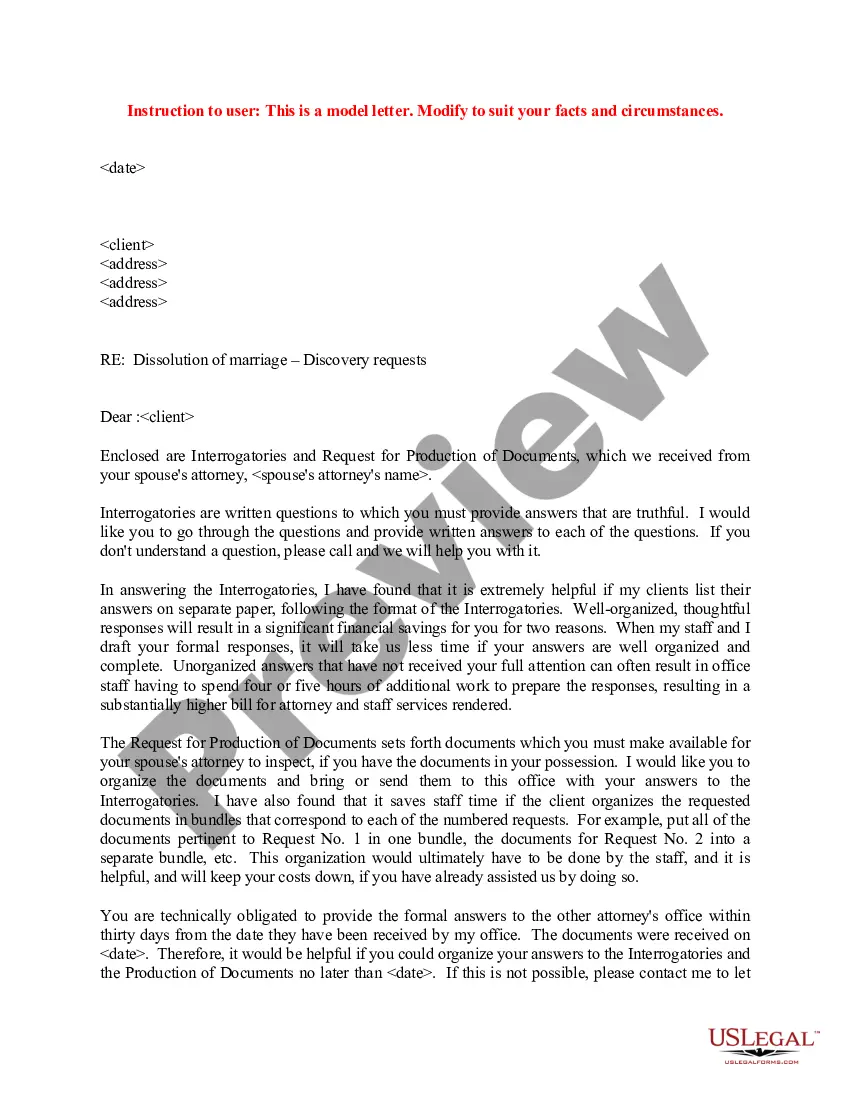
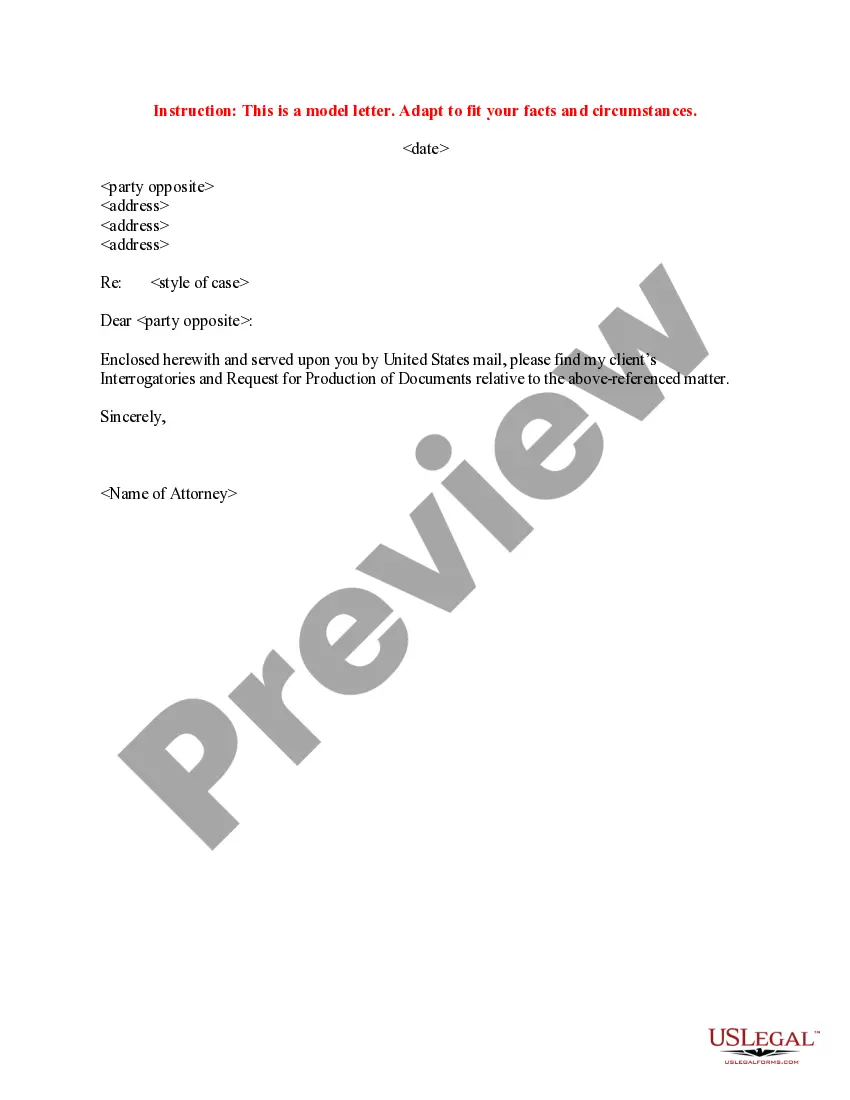
Get your form ready online
Our built-in tools help you complete, sign, share, and store your documents in one place.
Make edits, fill in missing information, and update formatting in US Legal Forms—just like you would in MS Word.
Download a copy, print it, send it by email, or mail it via USPS—whatever works best for your next step.
Sign and collect signatures with our SignNow integration. Send to multiple recipients, set reminders, and more. Go Premium to unlock E-Sign.
If this form requires notarization, complete it online through a secure video call—no need to meet a notary in person or wait for an appointment.
We protect your documents and personal data by following strict security and privacy standards.

Make edits, fill in missing information, and update formatting in US Legal Forms—just like you would in MS Word.

Download a copy, print it, send it by email, or mail it via USPS—whatever works best for your next step.

Sign and collect signatures with our SignNow integration. Send to multiple recipients, set reminders, and more. Go Premium to unlock E-Sign.

If this form requires notarization, complete it online through a secure video call—no need to meet a notary in person or wait for an appointment.

We protect your documents and personal data by following strict security and privacy standards.
Looking for another form?






Form popularity
FAQ
Within 14 days after a new case is docketed, counsel must file an Entry of Appearance.
A party can only send 30 interrogatories. However, this number can be increased if the other party agrees or the court allows more. If there is more than one other party in the case, the requesting party must give copies to all other parties. A party who receives interrogatories has 28 days to answer or object.
O You must file the Appearance form in the county where the court case is filed. o Make copies of your original Appearance for yourself and each party in the case. o Bring the original Appearance and the copies to the Circuit Clerk at the courthouse. Appearance, and return these copies to you.
The Appearance form is required in most civil court cases. For example, you must file an Appearance when: o Someone sues you and you want to participate in the court case. If you do not file an Appearance and go to court as needed, the court case might go ahead without you and the court might rule against you.
The Motion and the Notice of Motion need to be e-filed with the Clerk of the Court. The e-Filing system will reject your filing if you do not enter a court date on the form before e-filing it.
However, Supreme Court Rule 286 allows the Judge to hear and decide Small Claims disputes at an informal hearing. During such a hearing, the Judge may ask questions of any witness or party (plaintiff or defendant).
How much can I sue for in small claims court? The limit in Illinois is $10,000.
Sometimes, there are exceptions via a discovery rule, allowing for a delay to the statute of limitations to start the time tolling not on the date the incident occurred leading to injury but instead on the date of discovery of an injury or when damages were first reasonably discoverable, per 735 ILCS 5/13-214.3(b).
Also, amended Rule 213(d) retains the requirement that “within 28 days after service of the interrogatories upon the party to whom they are directed, the party shall serve a sworn answer or an objection to each interrogatory, with proof of service upon all other parties entitled to notice.
All dates set for the disclosure of witnesses, including rebuttal witnesses, and the completion of discovery shall be chosen to ensure that discovery will be completed not later than 60 days before the date on which the trial court reasonably anticipates that trial will commence, unless otherwise agreed by the parties.

