Agreement Form For Employee In Utah
Description

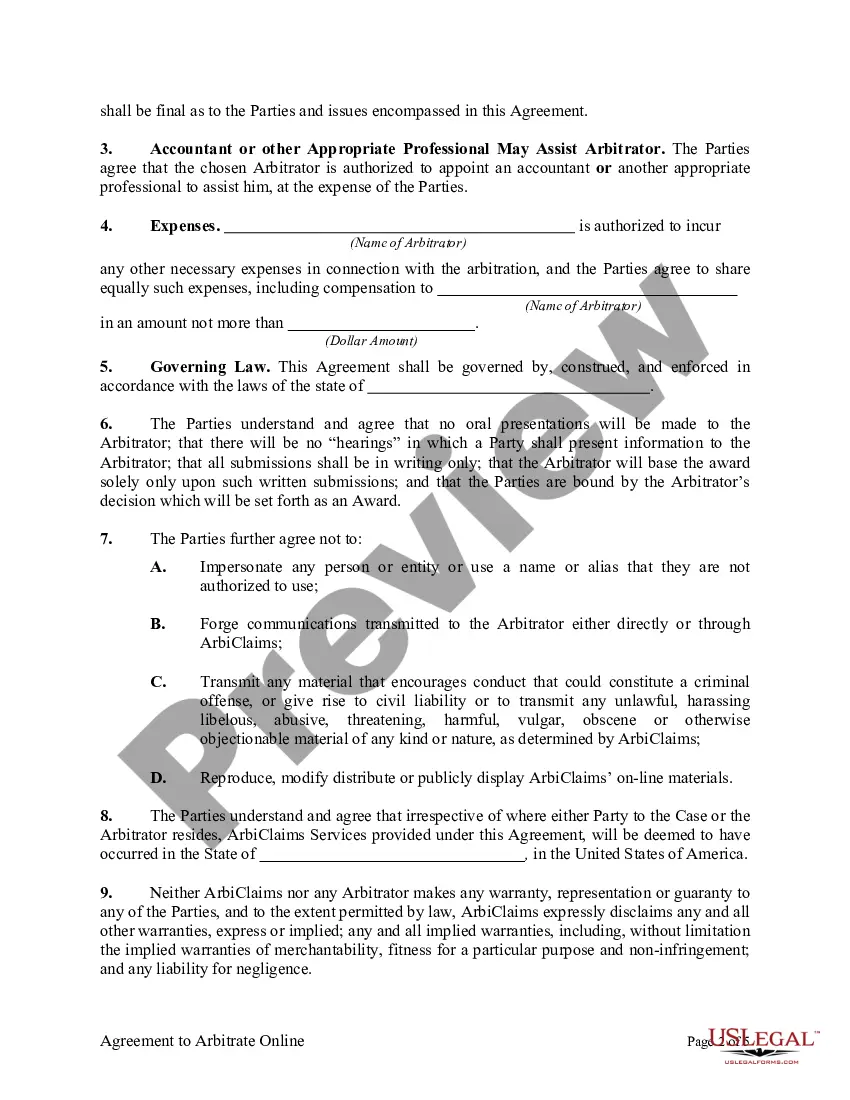
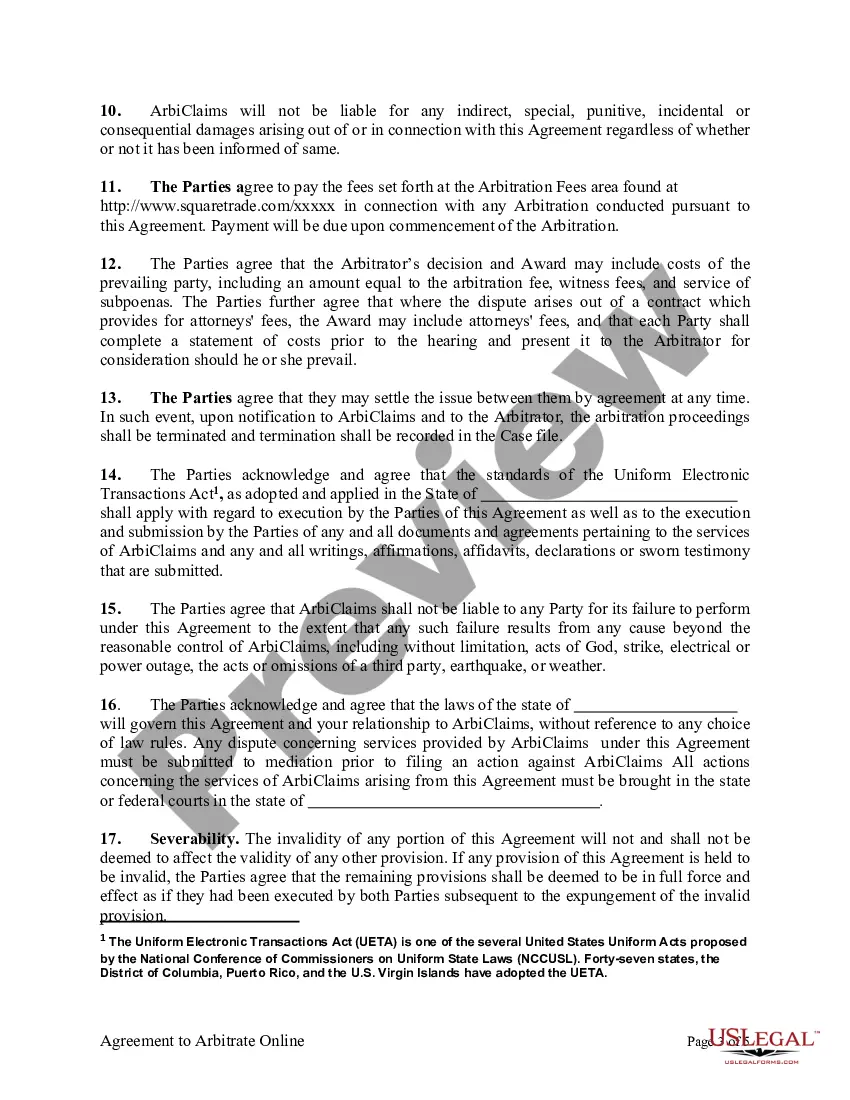




Get your form ready online
Our built-in tools help you complete, sign, share, and store your documents in one place.
Make edits, fill in missing information, and update formatting in US Legal Forms—just like you would in MS Word.
Download a copy, print it, send it by email, or mail it via USPS—whatever works best for your next step.
Sign and collect signatures with our SignNow integration. Send to multiple recipients, set reminders, and more. Go Premium to unlock E-Sign.
If this form requires notarization, complete it online through a secure video call—no need to meet a notary in person or wait for an appointment.
We protect your documents and personal data by following strict security and privacy standards.

Make edits, fill in missing information, and update formatting in US Legal Forms—just like you would in MS Word.

Download a copy, print it, send it by email, or mail it via USPS—whatever works best for your next step.

Sign and collect signatures with our SignNow integration. Send to multiple recipients, set reminders, and more. Go Premium to unlock E-Sign.

If this form requires notarization, complete it online through a secure video call—no need to meet a notary in person or wait for an appointment.

We protect your documents and personal data by following strict security and privacy standards.
Looking for another form?








Form popularity
FAQ
An Employee Handbook Agreement form is a document that outlines the policies, procedures, and expectations of an organization for its employees. It serves as a written agreement between the employer and the employee, stating that the employee has received and understands the policies outlined in the handbook.
How to write an employment contract Title the employment contract. Identify the parties. List the term and conditions. Outline the job responsibilities. Include compensation details. Use specific contract terms. Consult with an employment lawyer.
As a first step, you should look through your records, including your emails. If you can't locate it, you can ask your employer to provide you with a copy. But your employer is not obliged to provide you with a copy of your contract if you have lost your copy.
New Hire Paperwork and Compliance for Utah Employment Eligibility Verification (Form I-9) Employee's Withholding Certificate (Form W-4) DWS New Hire Reporting in Utah. Enroll Employee for IRS Form W-2. Enroll Employee for IRS Form 941. Utah Withholding Return Form TC-941. Enroll Employee for IRS Form 940.
How to write an employment contract Title the employment contract. Identify the parties. List the term and conditions. Outline the job responsibilities. Include compensation details. Use specific contract terms. Consult with an employment lawyer.
How to write a contract agreement in 7 steps. Determine the type of contract required. Confirm the necessary parties. Choose someone to draft the contract. Write the contract with the proper formatting. Review the written contract with a lawyer. Send the contract agreement for review or revisions.
Write the contract in six steps Start with a contract template. Open with the basic information. Describe in detail what you have agreed to. Include a description of how the contract will be ended. Write into the contract which laws apply and how disputes will be resolved. Include space for signatures.
However, in many cases individuals who are hiring the employee can also choose to write their own contracts. In some cases, independent contractors or freelancers can provide their own contracts and terms of employment. In all scenarios both parties would need to agree and sign the contract for it to be effective.
Specify governing law. Identify the working relationship. Clearly define the scope of work. Specify what benefits, if any, the contractor will receive. Assign intellectual property. Include confidentiality clauses. Include a termination clause.
