Agreement For Arbitration In San Jose
Description

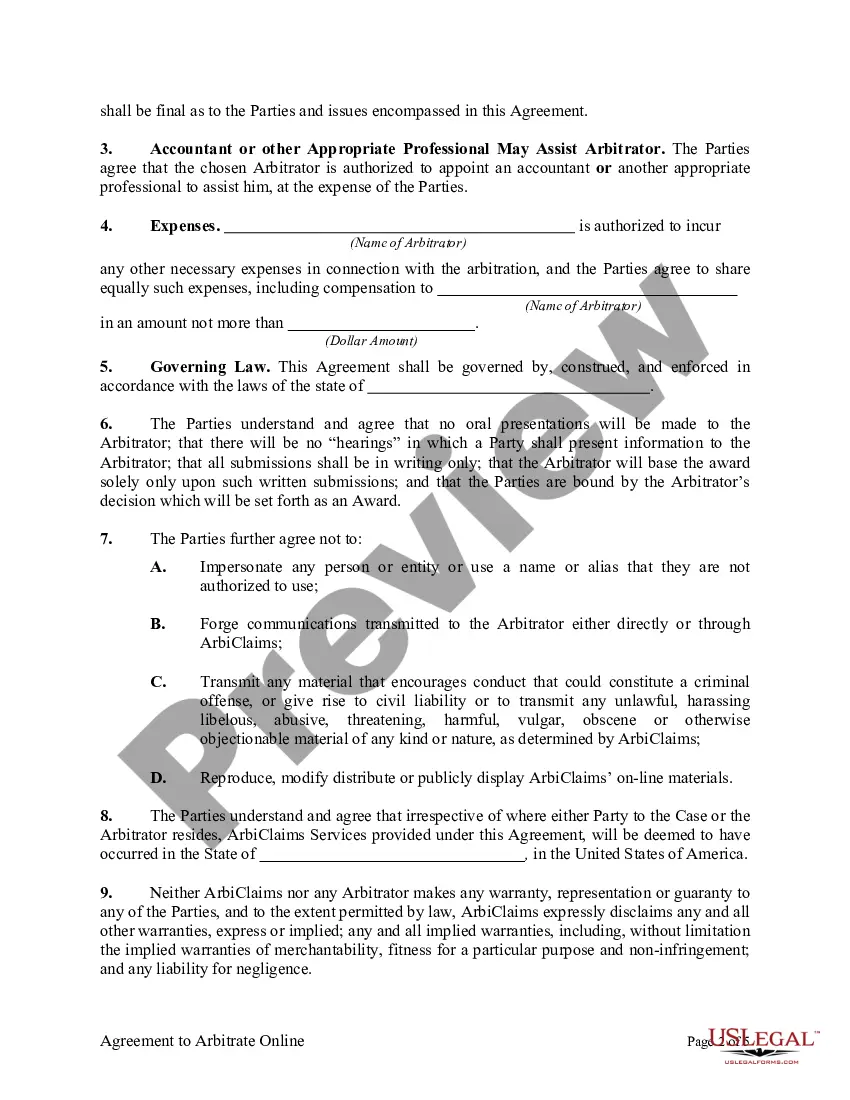
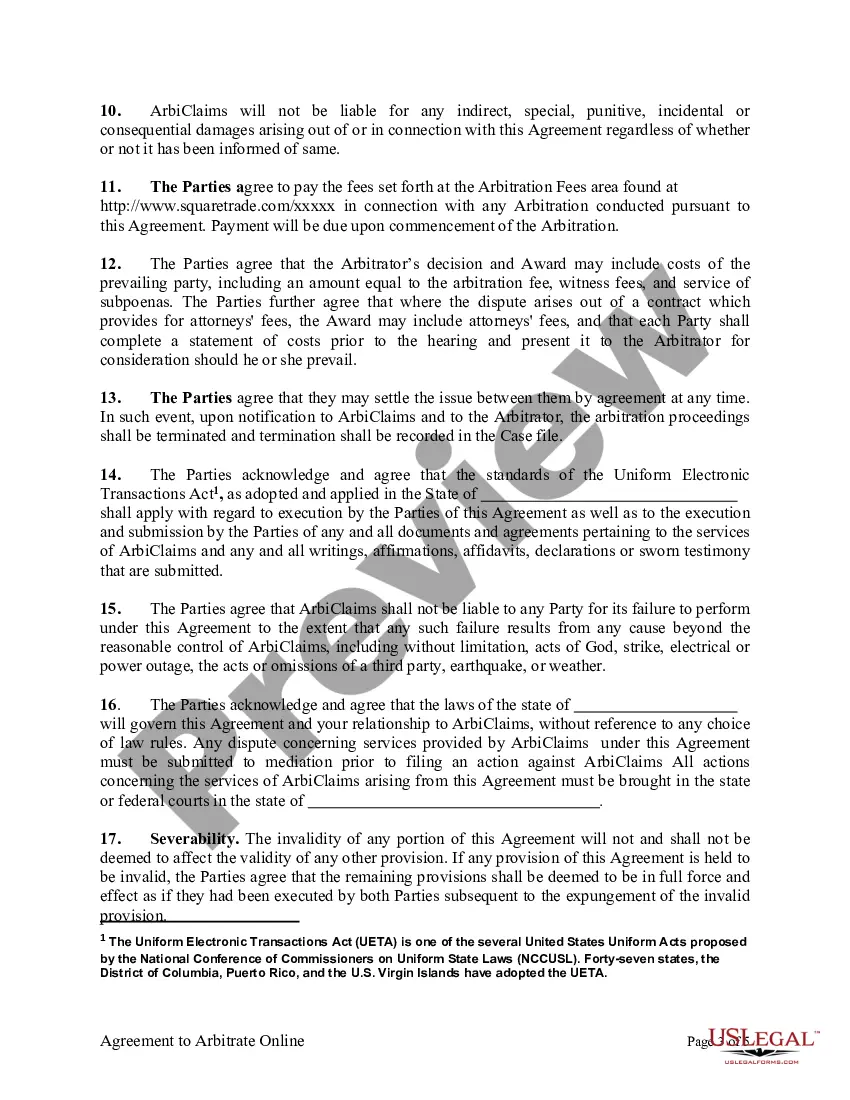

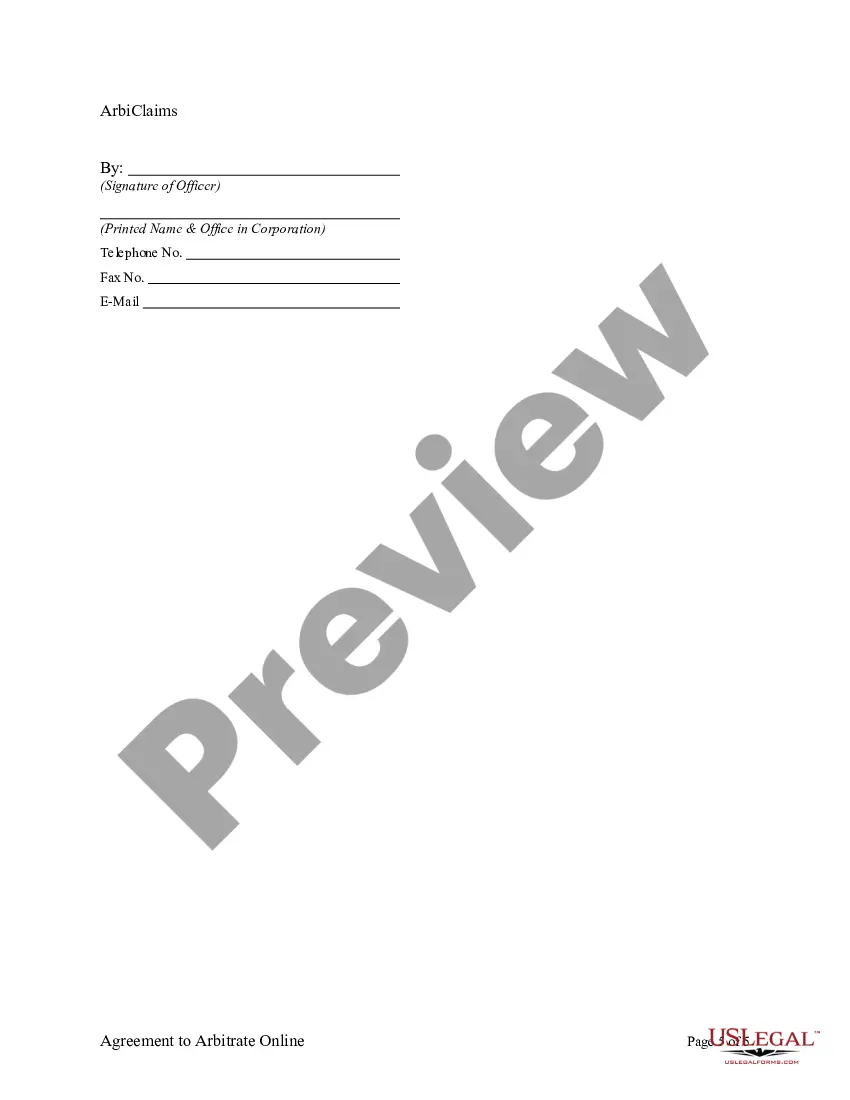



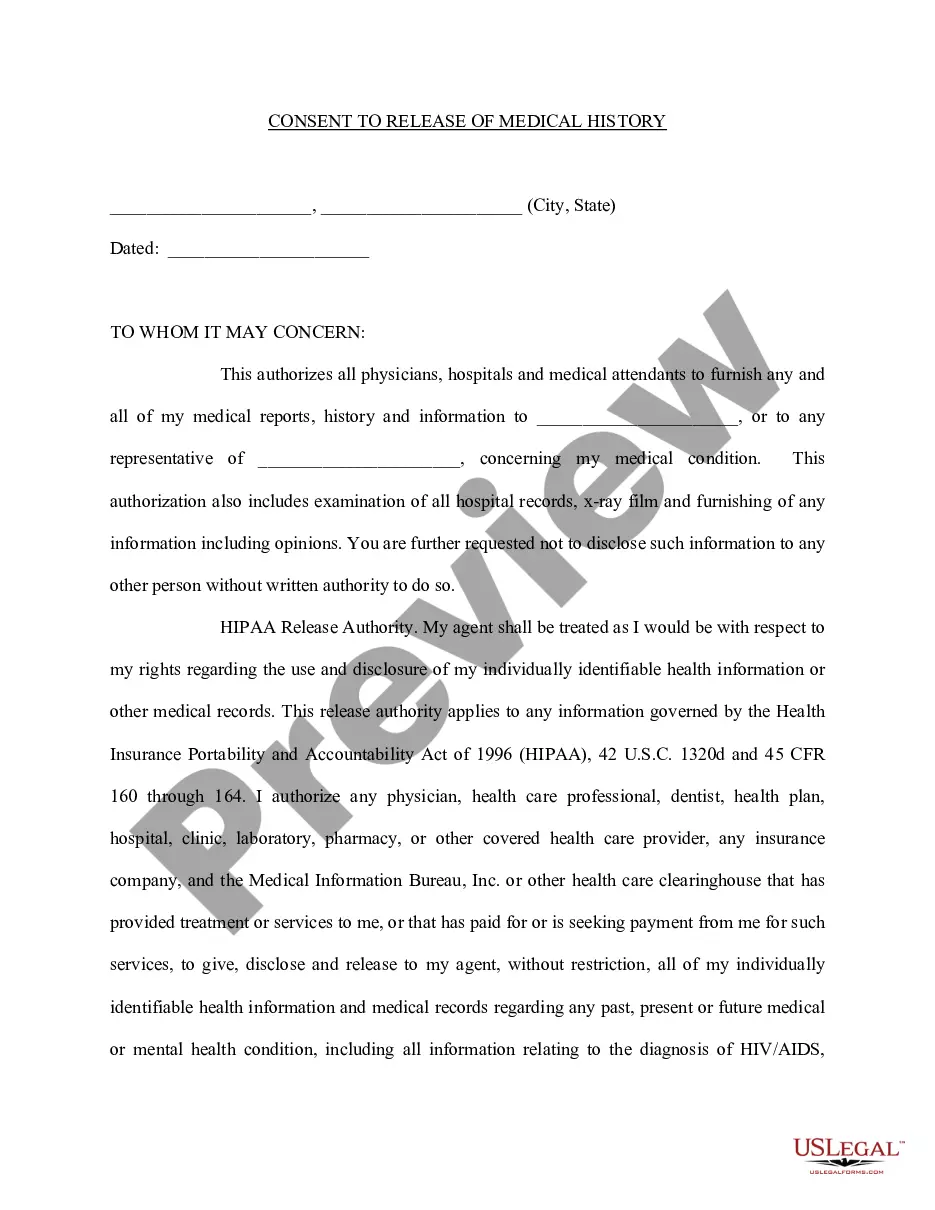
Get your form ready online
Our built-in tools help you complete, sign, share, and store your documents in one place.
Make edits, fill in missing information, and update formatting in US Legal Forms—just like you would in MS Word.
Download a copy, print it, send it by email, or mail it via USPS—whatever works best for your next step.
Sign and collect signatures with our SignNow integration. Send to multiple recipients, set reminders, and more. Go Premium to unlock E-Sign.
If this form requires notarization, complete it online through a secure video call—no need to meet a notary in person or wait for an appointment.
We protect your documents and personal data by following strict security and privacy standards.

Make edits, fill in missing information, and update formatting in US Legal Forms—just like you would in MS Word.

Download a copy, print it, send it by email, or mail it via USPS—whatever works best for your next step.

Sign and collect signatures with our SignNow integration. Send to multiple recipients, set reminders, and more. Go Premium to unlock E-Sign.

If this form requires notarization, complete it online through a secure video call—no need to meet a notary in person or wait for an appointment.

We protect your documents and personal data by following strict security and privacy standards.
Looking for another form?









Form popularity
FAQ
Arbitration is a fairer, faster, and less expensive way to resolve disputes than time-consuming and expensive litigation.
A court may refuse to enforce an arbitration agreement if the agreement fails to satisfy California's conscionability standards. (Civ. Code, § 1670.5; Armendariz, 24 Cal. 4th at 114.)
Specifically, the new law affords parties “the right to take depositions and to obtain discovery regarding the subject matter of the arbitration, and, to that end, to use and exercise all of the same rights, remedies, and procedures, and be subject to all of the same duties, liabilities, and obligations in the ...
While courts generally favor arbitration agreements, they will allow you to file a lawsuit if either you didn't understand your rights or your claims fall outside the arbitration provision's scope. Establishing this, however, can be a challenge.
Arbitration agreements are subject to specific rules for enforceability under California and federal law. If an arbitration agreement fails to meet these requirements, it can be held unenforceable.
If you've been sued for a debt, check your credit card agreement for an arbitration clause and file a Motion to Compel Arbitration into the case to avoid going to court. To find your arbitration clause, read the fine print, look for dispute resolution key terms, and utilize the CFPB's credit card agreement database.
Arbitration agreements require that persons who signed them resolve any disputes by binding arbitration, rather than in court before a judge and/or jury. What is binding arbitration? Binding arbitration involves the submission of a dispute to a neutral party who hears the case and makes a decision.
Parties can become involved in the arbitration process in one of three ways: judicial arbitration, contractual arbitration or by stipulation. Judicial arbitration is a statutory procedure (Code of Civil Procedure §§1141.10, et seq.) by which certain types of cases are directed to nonbinding arbitration before trial.
Three forms of resolutions are available: ordinary resolution, special resolution and unanimous resolution. There is no concept of special resolution in board meetings and very few unanimous resolutions are also required. However, all three are covered in the case of general meetings.
(3) Notwithstanding that an application has been made under sub-section (1) and that the issue is pending before the judicial authority, an arbitration may be commenced or continued and an arbitral award made.
