Agreement Form For Land Sale In Sacramento
Description
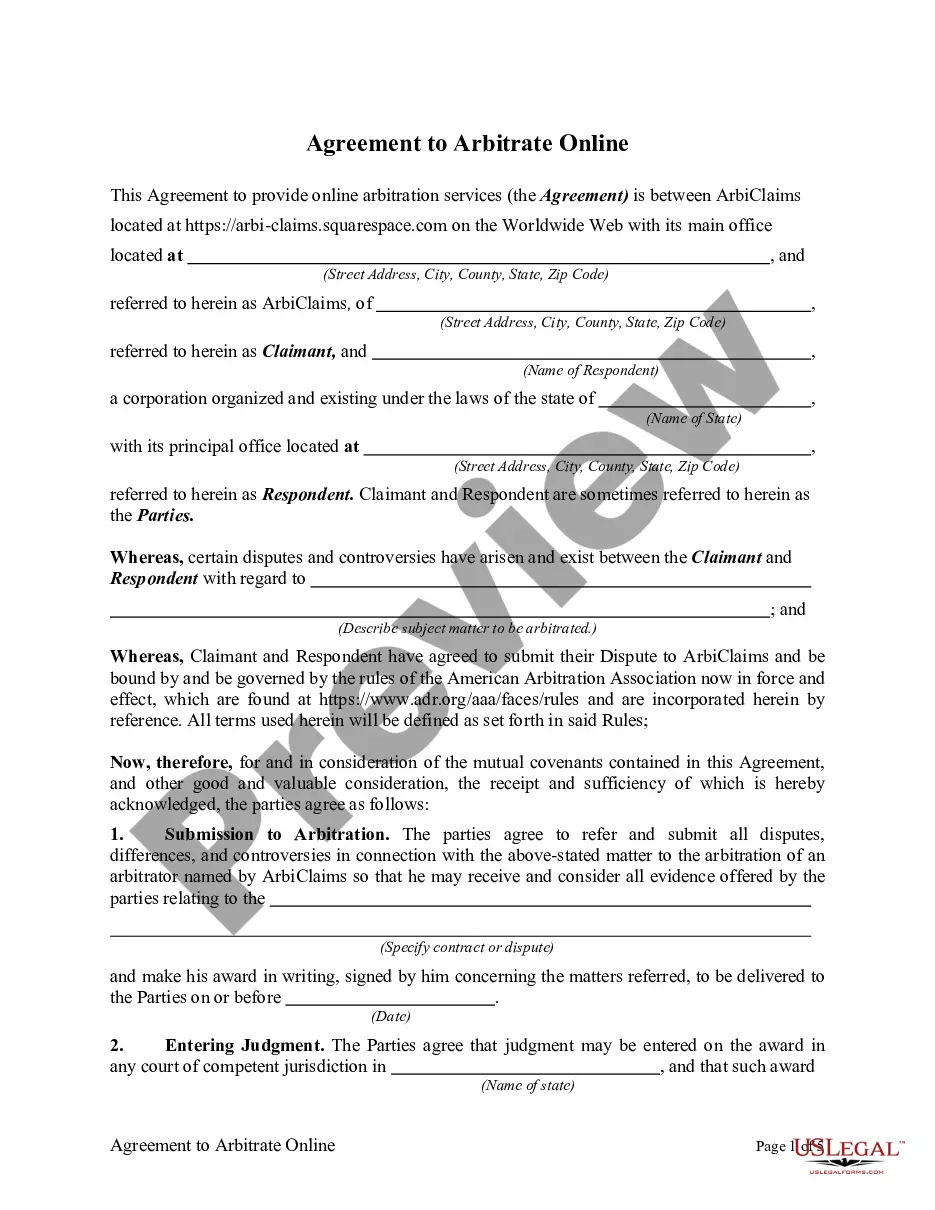

Get your form ready online
Our built-in tools help you complete, sign, share, and store your documents in one place.
Make edits, fill in missing information, and update formatting in US Legal Forms—just like you would in MS Word.
Download a copy, print it, send it by email, or mail it via USPS—whatever works best for your next step.
Sign and collect signatures with our SignNow integration. Send to multiple recipients, set reminders, and more. Go Premium to unlock E-Sign.
If this form requires notarization, complete it online through a secure video call—no need to meet a notary in person or wait for an appointment.
We protect your documents and personal data by following strict security and privacy standards.

Make edits, fill in missing information, and update formatting in US Legal Forms—just like you would in MS Word.

Download a copy, print it, send it by email, or mail it via USPS—whatever works best for your next step.

Sign and collect signatures with our SignNow integration. Send to multiple recipients, set reminders, and more. Go Premium to unlock E-Sign.

If this form requires notarization, complete it online through a secure video call—no need to meet a notary in person or wait for an appointment.

We protect your documents and personal data by following strict security and privacy standards.
Looking for another form?
Form popularity
FAQ
To be enforceable, a land sale contract must satisfy the Statute of Frauds, which generally requires that these contracts be in writing and signed by the parties. Note that this writing is apart from the instrument under which the actual transfer takes place, which is known as the “deed.”
An attorney's office or a title company can prepare closing documents for a land contract sale, but only the parties themselves or an attorney can prepare the actual land contract document and land contract memorandum.
Examples of material facts that must be disclosed include structural problems with the house, soil problems, a leaking roof, unpermitted construction, neighborhood noise problems, and anything else that a buyer would deem to be important.
Form 8949 is required for anyone who sells or exchanges a capital asset, such as stocks, land, or artwork. It tracks both short-term and long-term transactions, with different tax implications for each.
Homeowners selling vacant land need this form to disclose property conditions. Real estate agents require it to facilitate clear communication between buyers and sellers. Investors seeking land acquisitions need the information to assess property value.
Vacant land is exempt from the transfer disclosure statement (TDS) that the California Civil Code requires for sales of residential property. However, the seller is still required to disclose any and all known facts that materially affect the value or desirability of the property.
These disclosures include the following, amongst others: Environmental hazards such as flood hazard area, fire hazard zone, or earthquake fault zone. Any lawsuits by or against the seller involving the property. Deed restrictions, easements, and encroachments.