Agreement Form Format In Phoenix
Description

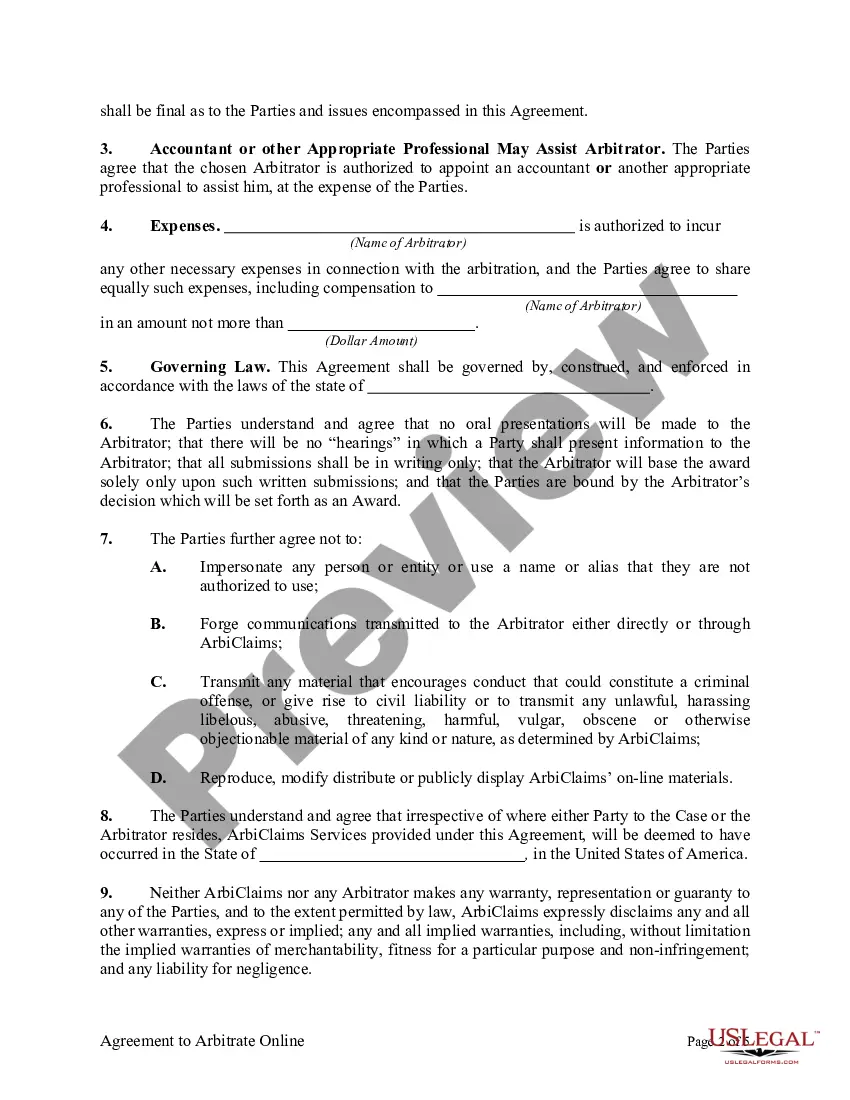
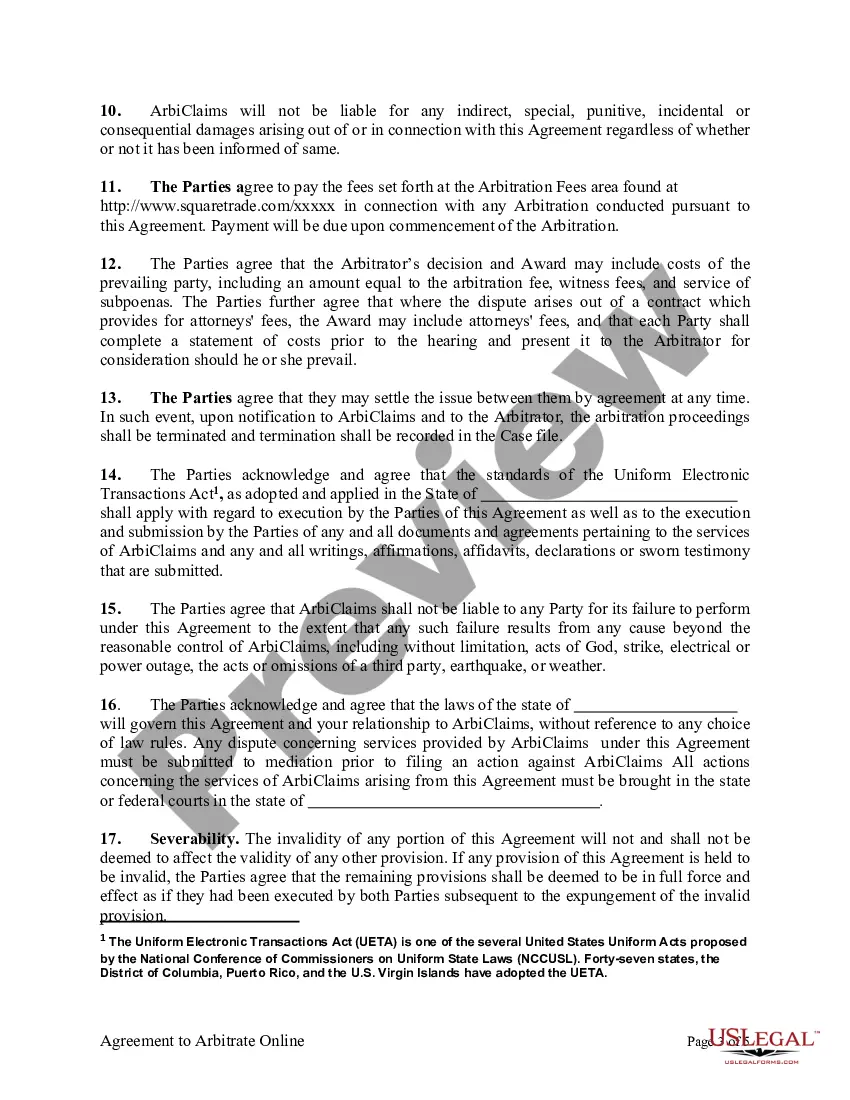




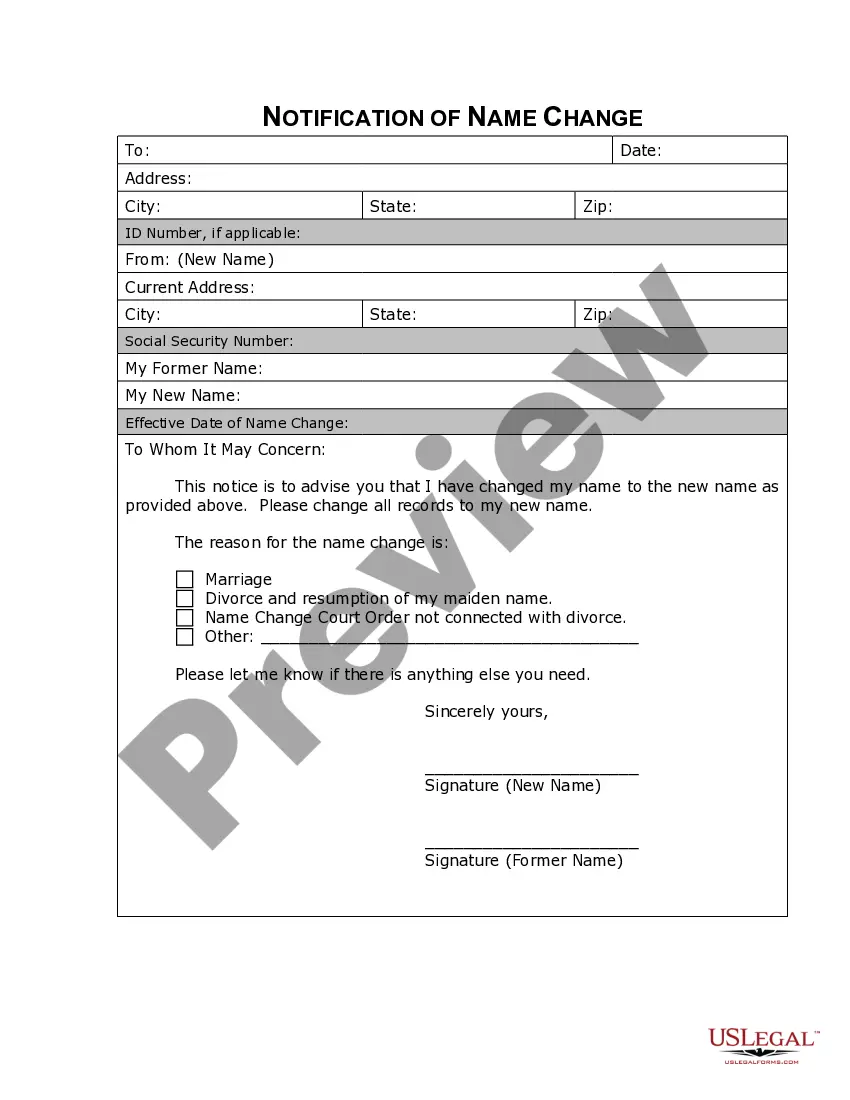
Get your form ready online
Our built-in tools help you complete, sign, share, and store your documents in one place.
Make edits, fill in missing information, and update formatting in US Legal Forms—just like you would in MS Word.
Download a copy, print it, send it by email, or mail it via USPS—whatever works best for your next step.
Sign and collect signatures with our SignNow integration. Send to multiple recipients, set reminders, and more. Go Premium to unlock E-Sign.
If this form requires notarization, complete it online through a secure video call—no need to meet a notary in person or wait for an appointment.
We protect your documents and personal data by following strict security and privacy standards.

Make edits, fill in missing information, and update formatting in US Legal Forms—just like you would in MS Word.

Download a copy, print it, send it by email, or mail it via USPS—whatever works best for your next step.

Sign and collect signatures with our SignNow integration. Send to multiple recipients, set reminders, and more. Go Premium to unlock E-Sign.

If this form requires notarization, complete it online through a secure video call—no need to meet a notary in person or wait for an appointment.

We protect your documents and personal data by following strict security and privacy standards.
Looking for another form?







Form popularity
FAQ
Write the contract in six steps Start with a contract template. Open with the basic information. Describe in detail what you have agreed to. Include a description of how the contract will be ended. Write into the contract which laws apply and how disputes will be resolved. Include space for signatures.
How to write a contract agreement in 7 steps. Determine the type of contract required. Confirm the necessary parties. Choose someone to draft the contract. Write the contract with the proper formatting. Review the written contract with a lawyer. Send the contract agreement for review or revisions.
How to write a contract agreement in 7 steps. Determine the type of contract required. Confirm the necessary parties. Choose someone to draft the contract. Write the contract with the proper formatting. Review the written contract with a lawyer. Send the contract agreement for review or revisions.
Although you don't have to hire a lawyer, you should. Entering into a legally binding agreement isn't something you should take lightly. Signing a document without fully comprehending the terms or your rights is dangerous. It can lead to significant unintended consequences and time-consuming legal battles.
If you're doing it on your own, however, you may contact your court clerk for information on how to do this. The motion has to state what your ex-spouse isn't doing, what areas he or she is in violation of. It must clarify why he or she ought to be held in contempt of the divorce decree. You must prove your case.
Judgment Debtor Exam: This Supplemental Proceeding is held to obtain information about the assets and relevant information you need to help you in collecting. You may have the Debtor appear or a person (party) who has knowledge of the Debtors assets.
A judgment debtor examination is a court proceeding created by law where the party who has obtained a judgment in court is entitled to ask questions of the person who owes that judgment. What do the questions cover? The questions are limited to inquiries about your property, assets, debts, and income.
Sample questions What's your home address? What's your telephone number? Are you married or do you have a registered domestic partner? If so, what's the first name, maiden name, and last name of your spouse or domestic partner?
