Arbitration Agreement For Employment In Kings
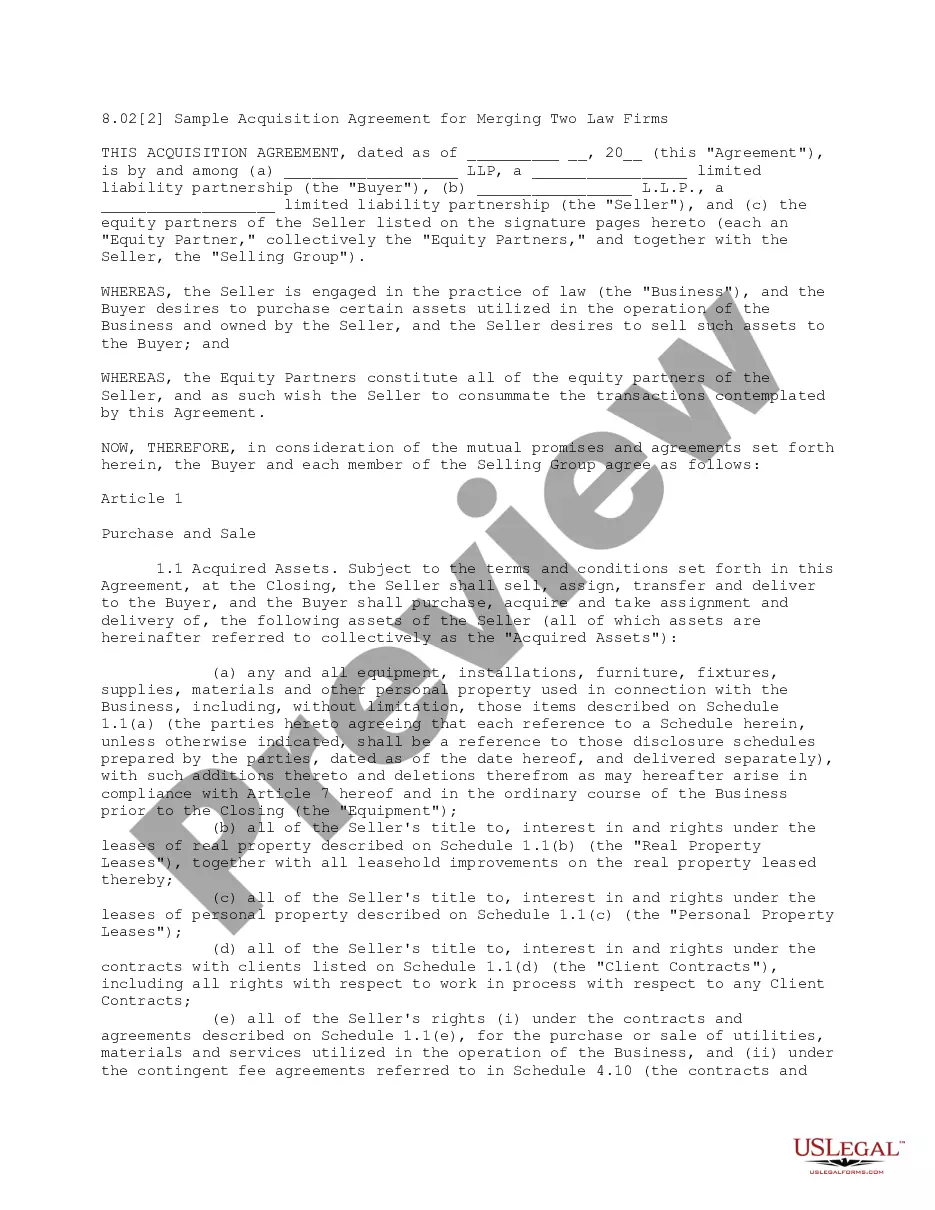
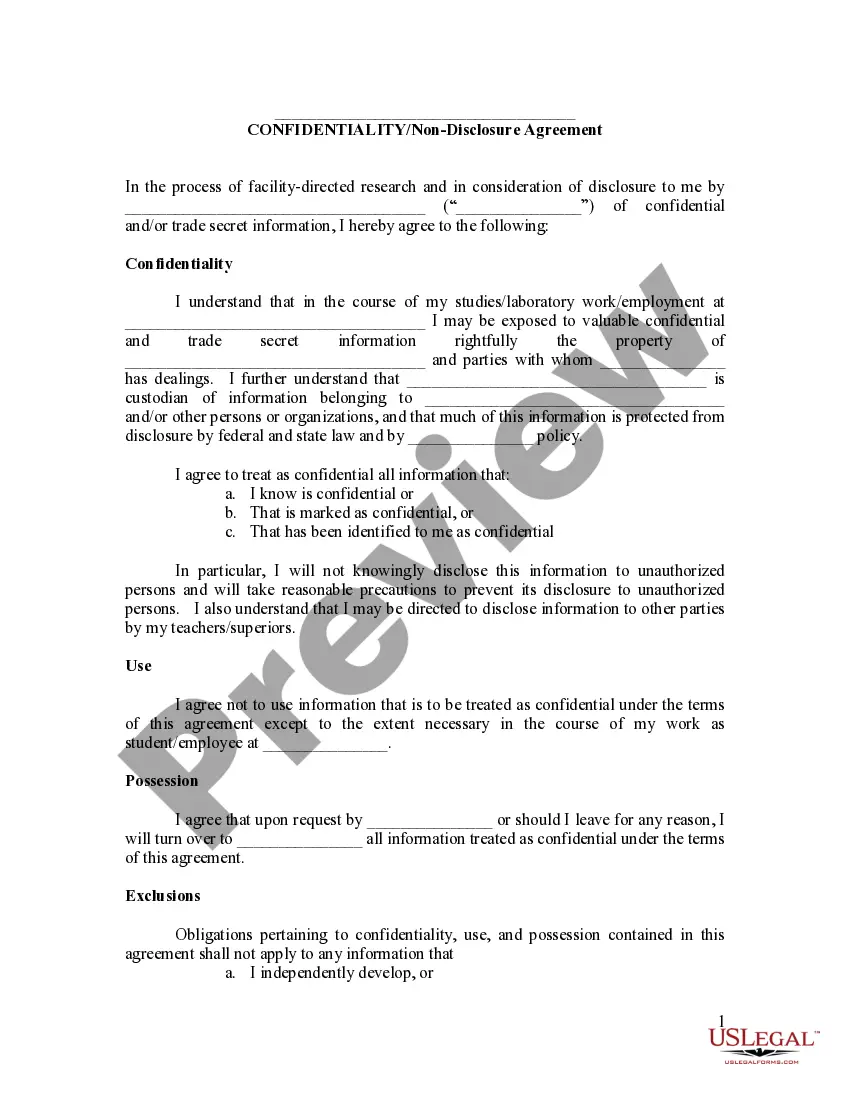
Description





Form popularity
FAQ
Opting out of the arbitration agreement isn't damaging to you. You can always do arbitration if you would prefer that, although if you'd like to join class actions or sue the judge will throw out your case if you are still in this agreement.
If you already have claims against your employer when you are asked to sign the agreement, you should absolutely talk to a lawyer before signing. After all, an arbitration agreement gives up your right to sue in court, and that right is much more valuable when you have an actual claim to make against your employer.
Arbitration might be the right choice for some cases. Limited discovery rights and costs might be useful when less is at stake. Arbitration might feel less adversarial, which could be an advantage where ongoing relationships are hoped to be preserved. Arbitration lends some confidentiality.
Arbitration is a fairer, faster, and less expensive way to resolve disputes than time-consuming and expensive litigation.
This depends on the facts of your job, how the “agreement” is presented, and the court jurisdiction that controls your situation. If you do sign it, you will probably be stuck with arbitration as the only method of legal redress for any job-related problems.
The arbitrator's decision can give parties a realistic idea of the outcome of their case. If neither party appeals the decision, it will be binding, like an order by a judge. However, a party unhappy with the arbitrator's decision can request a new trial before a judge.
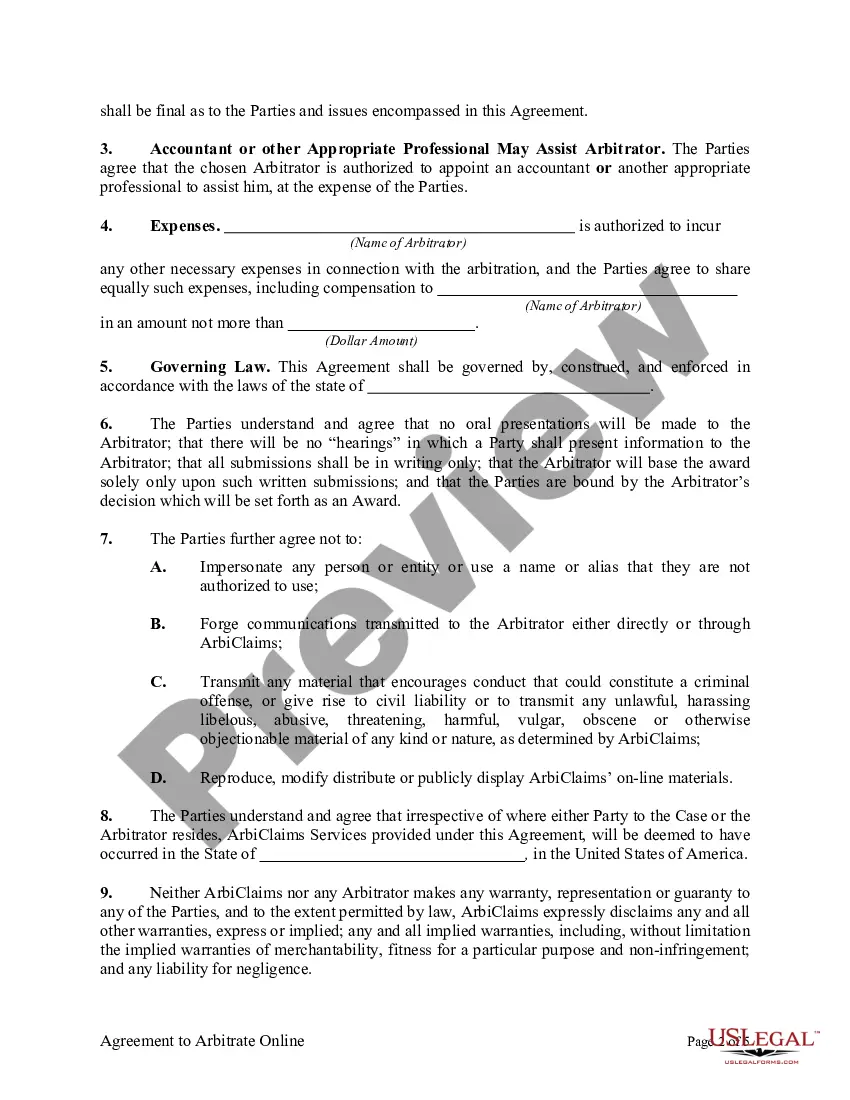
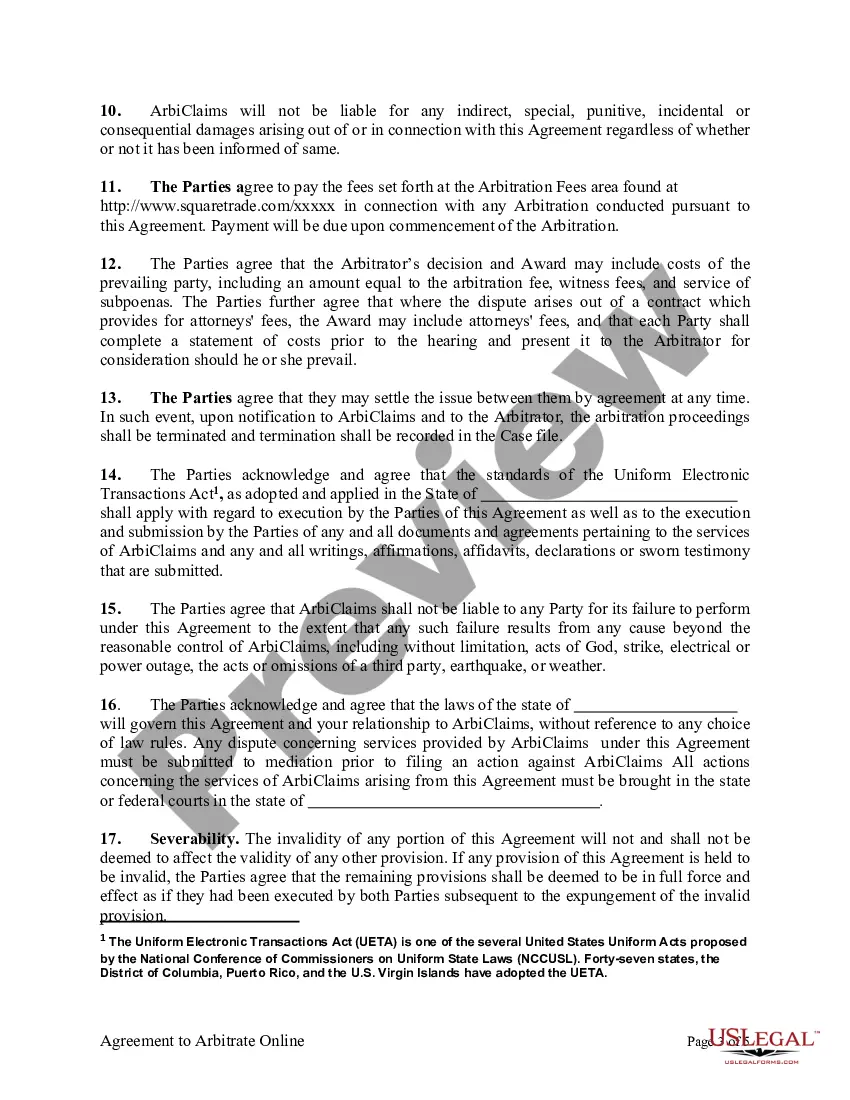
"A dispute having arisen between the parties concerning , the parties hereby agree that the dispute shall be referred to and finally resolved by arbitration under the LCIA Rules. The number of arbitrators shall be one/three. The seat, or legal place, of arbitration shall be City and/or Country.
A party is deceived, intimidated, or coerced during the execution of the arbitration agreement and requests a declaration that such arbitration agreement is invalid; and. The arbitration agreement violates prohibitions specified by the law.
Generally, disputes in rem which are regarding a thing or property can't be resolved through arbitration, while disputes in personam regarding a selected person are often.
