Arbitration Agreement For Divorce In Fairfax
Description

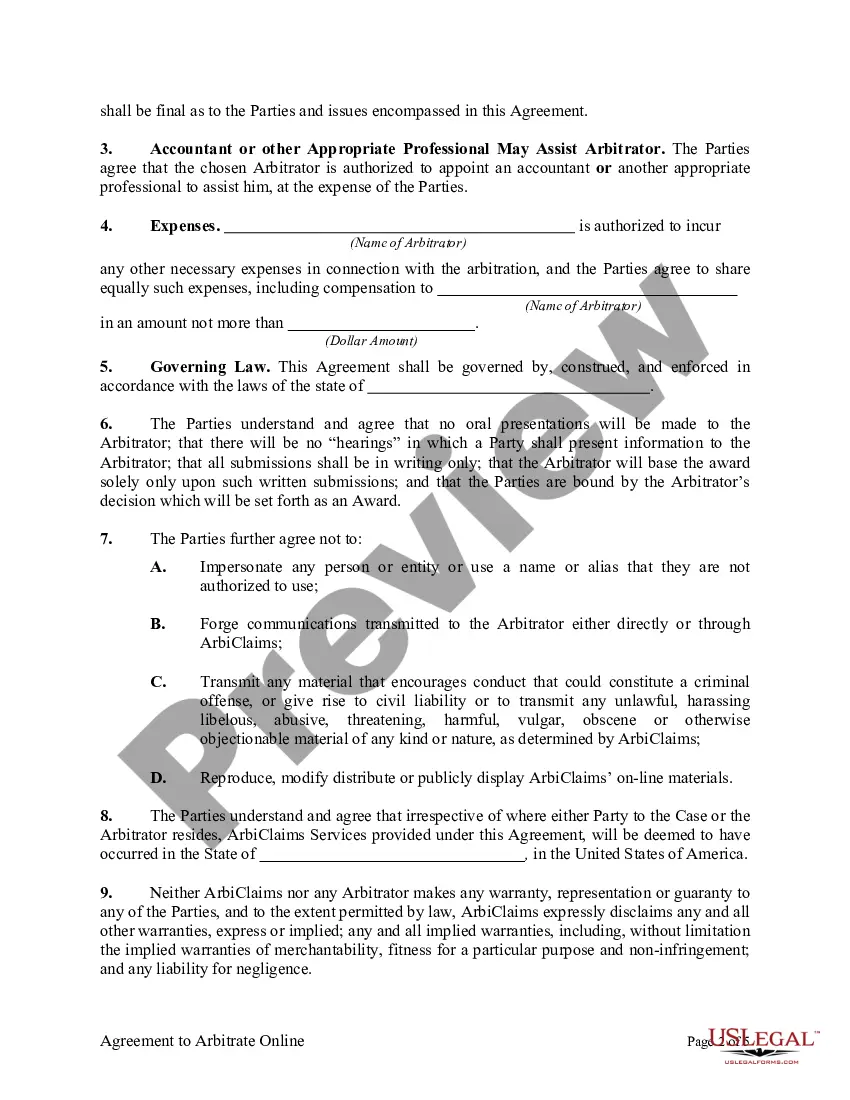
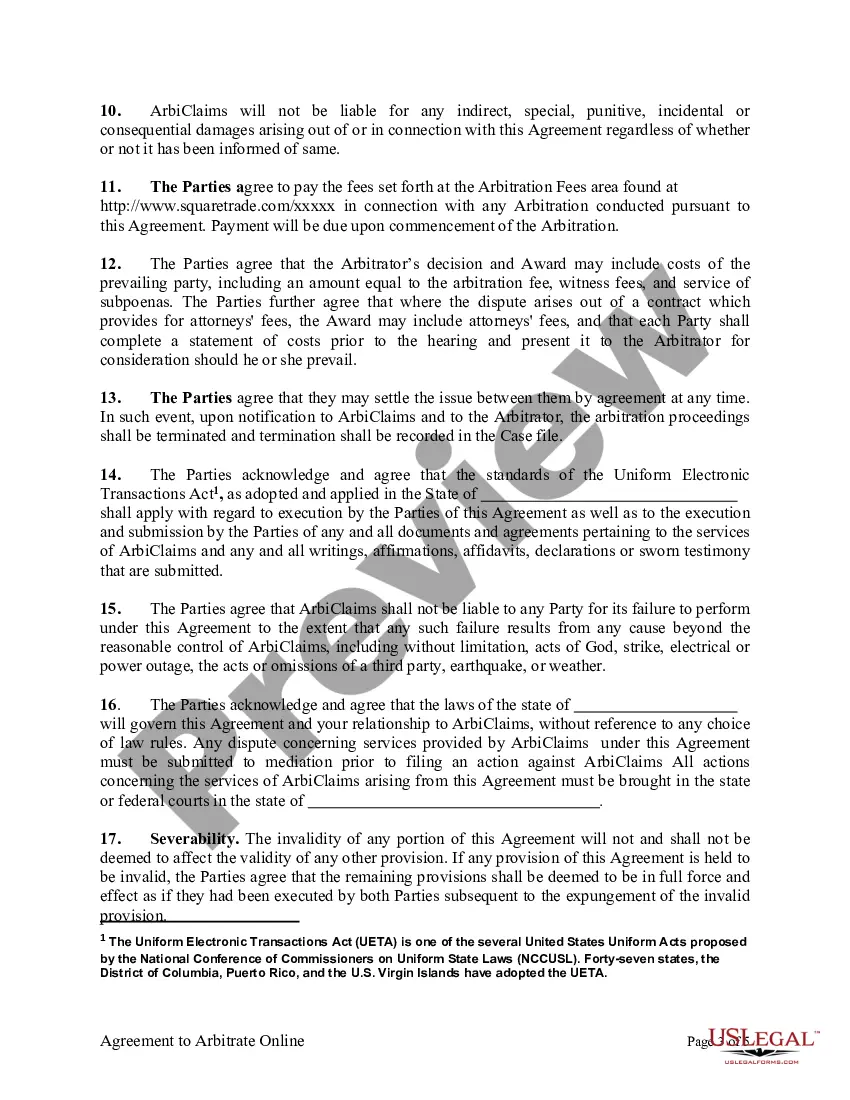




Get your form ready online
Our built-in tools help you complete, sign, share, and store your documents in one place.
Make edits, fill in missing information, and update formatting in US Legal Forms—just like you would in MS Word.
Download a copy, print it, send it by email, or mail it via USPS—whatever works best for your next step.
Sign and collect signatures with our SignNow integration. Send to multiple recipients, set reminders, and more. Go Premium to unlock E-Sign.
If this form requires notarization, complete it online through a secure video call—no need to meet a notary in person or wait for an appointment.
We protect your documents and personal data by following strict security and privacy standards.

Make edits, fill in missing information, and update formatting in US Legal Forms—just like you would in MS Word.

Download a copy, print it, send it by email, or mail it via USPS—whatever works best for your next step.

Sign and collect signatures with our SignNow integration. Send to multiple recipients, set reminders, and more. Go Premium to unlock E-Sign.

If this form requires notarization, complete it online through a secure video call—no need to meet a notary in person or wait for an appointment.

We protect your documents and personal data by following strict security and privacy standards.
Looking for another form?


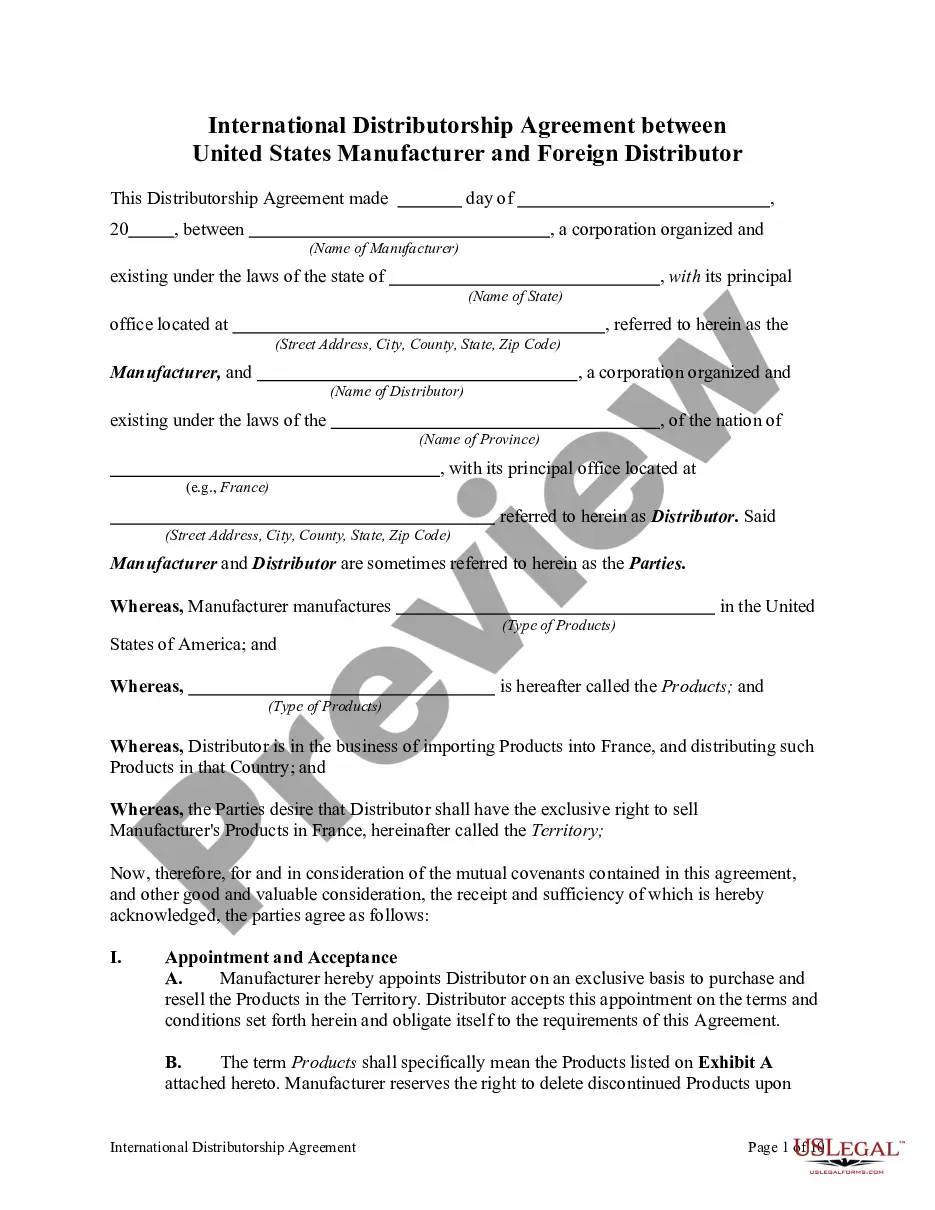




Form popularity
FAQ
Limited Appeal Options: One of the most significant downsides of arbitration is that it offers very limited options for appeal. Once the arbitrator makes a decision, it's usually final unless there was a substantial legal oversight.
Arbitration is a fairer, faster, and less expensive way to resolve disputes than time-consuming and expensive litigation.
Divorce arbitration can be beneficial when spouses prioritize privacy and flexible scheduling. Couples with complex financial situations, such as businesses or significant investments, may find value in the specialized expertise of an arbitrator.
You can always agree to arbitration later if your lawyer advises you it's a good choice in the particular situation you find yourself in. There's no benefit to you in doing so months or years ahead of time.
Whether it is a fault or no-fault divorce, you do not need your spouse's signature or verbal agreement to file. Once you file the complaint and the divorce is opened with the court, your spouse will be served with the complaint and will have 21 days to respond.
Win Rate: Consumers prevailed in 41.7% of arbitrations that terminated with awards compared to 29.3% of litigations that terminated with awards. Employees prevailed in 37.7% of arbitrations that terminated with awards compared to 10.8% of litigations that terminated with awards.
A written agreement to submit any existing controversy to arbitration or a provision in a written contract to submit to arbitration any controversy thereafter arising between the parties is valid, enforceable and irrevocable, except upon such grounds as exist at law or in equity for the revocation of any contract.
Recently, the Supreme Court has held arbitration agreements to be valid in many consumer contracts. The Court opined that the Federal Arbitration Act (FAA) establishes liberal federal policy favoring arbitration agreements, and such agreements may only be overridden when there is a contrary Congressional command.
Within 30 calendar days following receipt of the notice of intent to arbitrate, each party shall provide written submissions in support of its position as well as the final payment offers directly to the arbitrator. At this time, the non-initiating party also shall provide its final offer to the initiating party.
Virginia law provides that parties to a controversy may agree to submit their differences to arbitration, with the stipulation that the award may be returned to and entered as a judgment of a court of the Commonwealth having jurisdiction over the subject matter of the controversy.
