Writing Minutes For A Meeting Sample In Utah
Description



Get your form ready online
Our built-in tools help you complete, sign, share, and store your documents in one place.
Make edits, fill in missing information, and update formatting in US Legal Forms—just like you would in MS Word.
Download a copy, print it, send it by email, or mail it via USPS—whatever works best for your next step.
Sign and collect signatures with our SignNow integration. Send to multiple recipients, set reminders, and more. Go Premium to unlock E-Sign.
If this form requires notarization, complete it online through a secure video call—no need to meet a notary in person or wait for an appointment.
We protect your documents and personal data by following strict security and privacy standards.

Make edits, fill in missing information, and update formatting in US Legal Forms—just like you would in MS Word.

Download a copy, print it, send it by email, or mail it via USPS—whatever works best for your next step.

Sign and collect signatures with our SignNow integration. Send to multiple recipients, set reminders, and more. Go Premium to unlock E-Sign.

If this form requires notarization, complete it online through a secure video call—no need to meet a notary in person or wait for an appointment.

We protect your documents and personal data by following strict security and privacy standards.
Looking for another form?
Form popularity
FAQ
2. What should be excluded in the meeting minutes? Avoid switching tenses in your writing. Avoid recording the debate; just record the outcome. Avoid making personal observations or opinions. Avoid verbatim quotes. Avoid letting the meeting move on if you're confused.
The format for a meeting depends on the meeting type and style. While there is no set format for meeting minutes, templates provide guidelines for essential information that should be included in your documentation.
Minutes should start with the attendance and continue through the motion to close the meeting (opening and closing of the meeting should have times attached.) Each topic that is discussed should have a brief paragraph summarizing what was discussed.
Meeting minutes should be distributed promptly after the meeting, ideally within 24 to 48 hours. Timely distribution ensures that participants have a fresh understanding of discussions, decisions, and action items.
What do the minutes contain? Time, date and place of meeting. List of people attending. List of absent members of the group. Approval of the previous meeting's minutes, and any matters arising from those minutes. For each item in the agenda, a record of the principal points discussed and decisions taken.
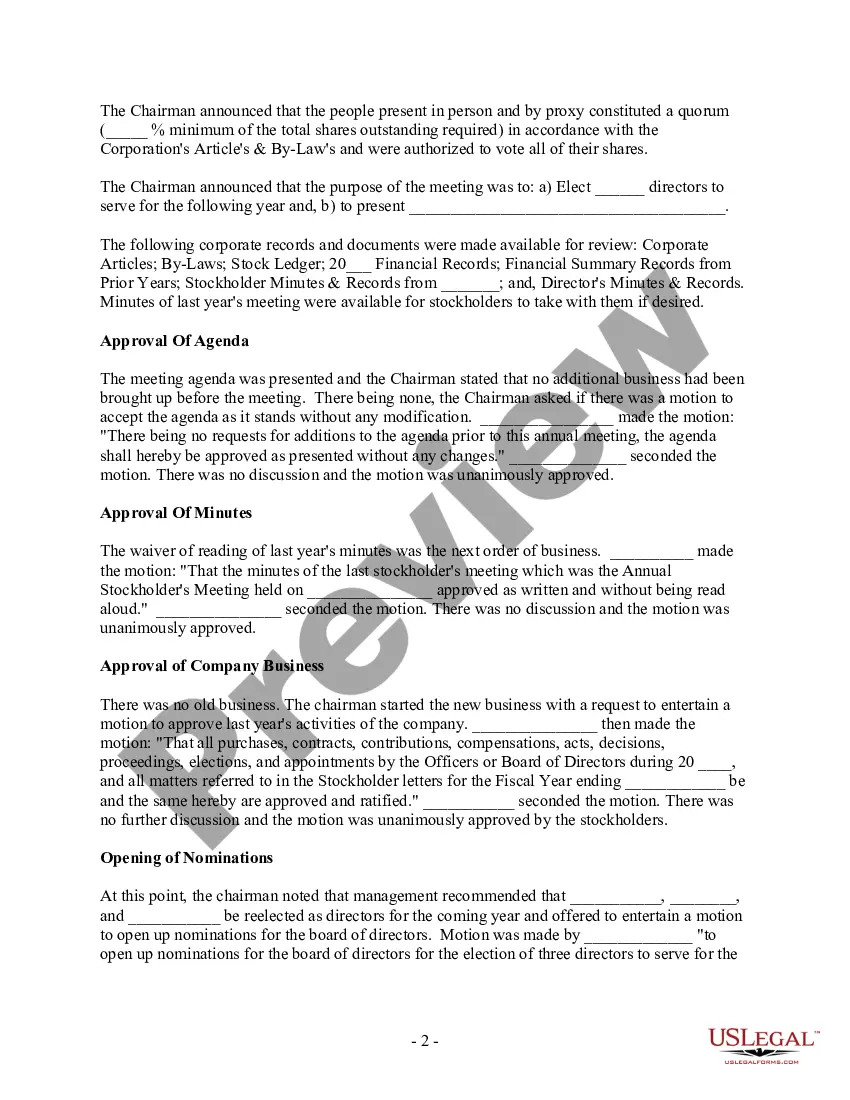
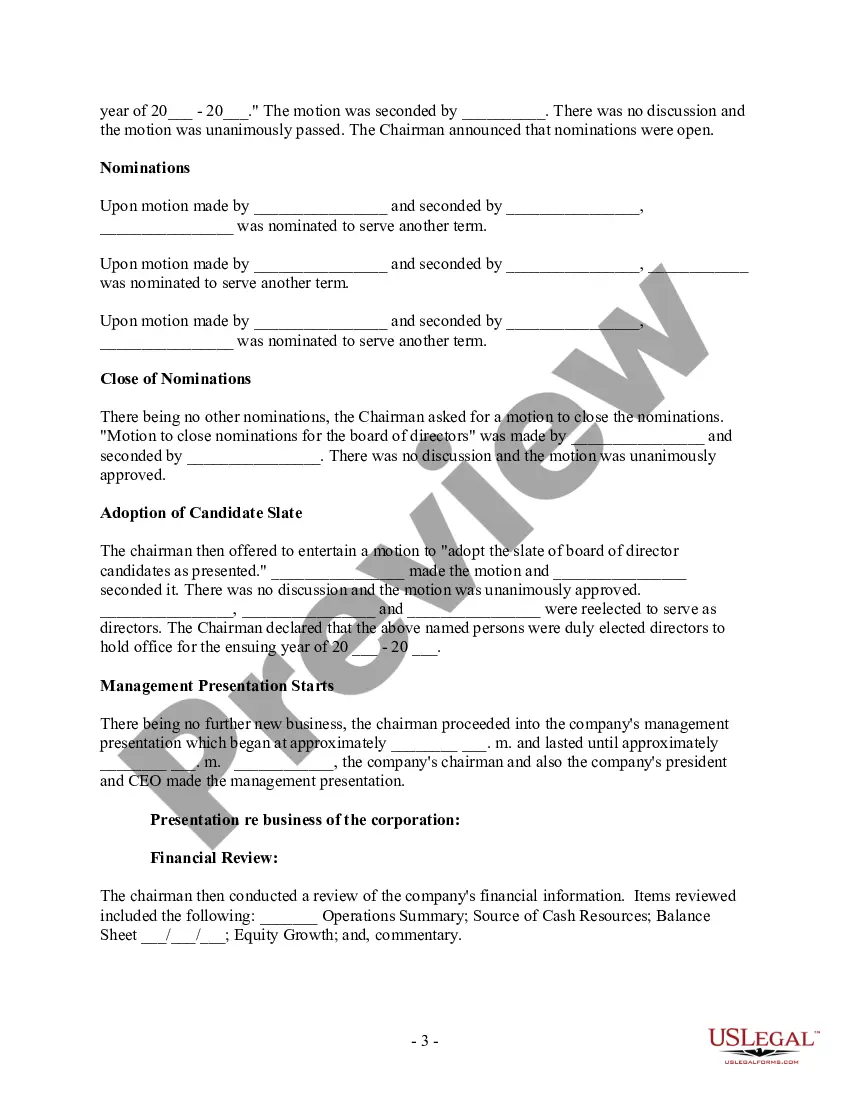
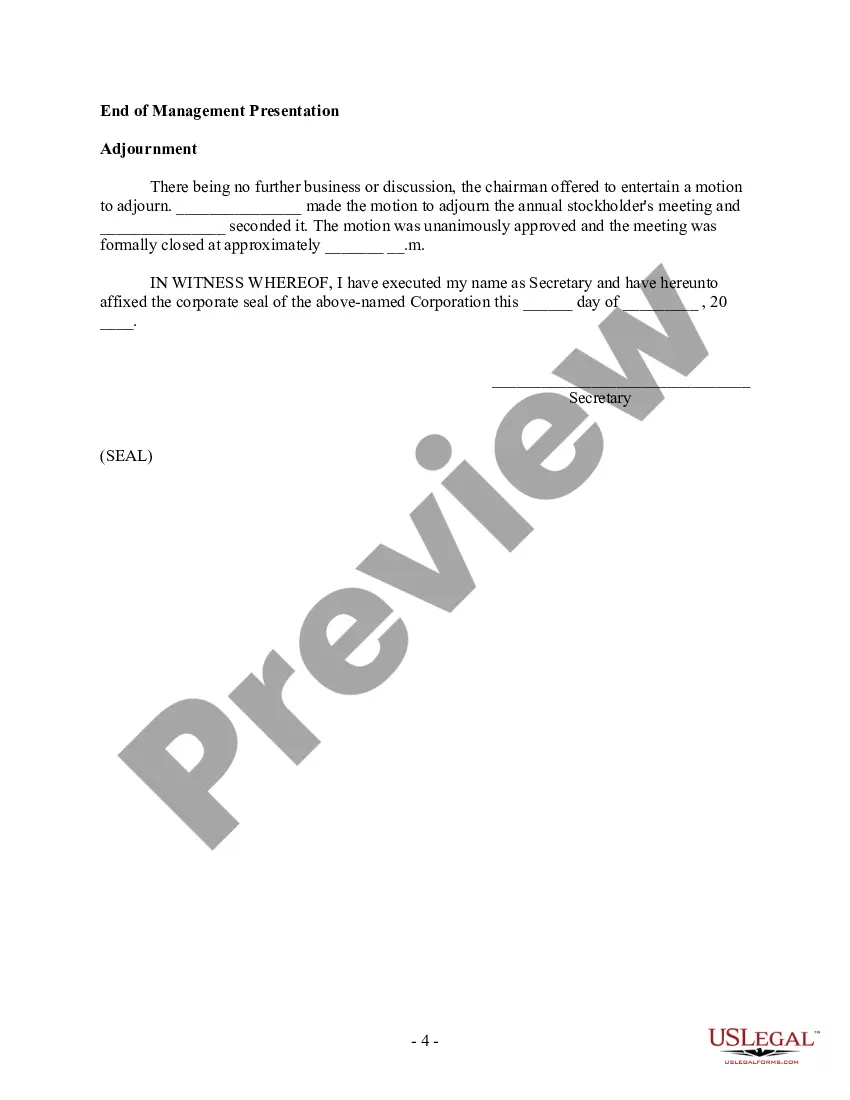
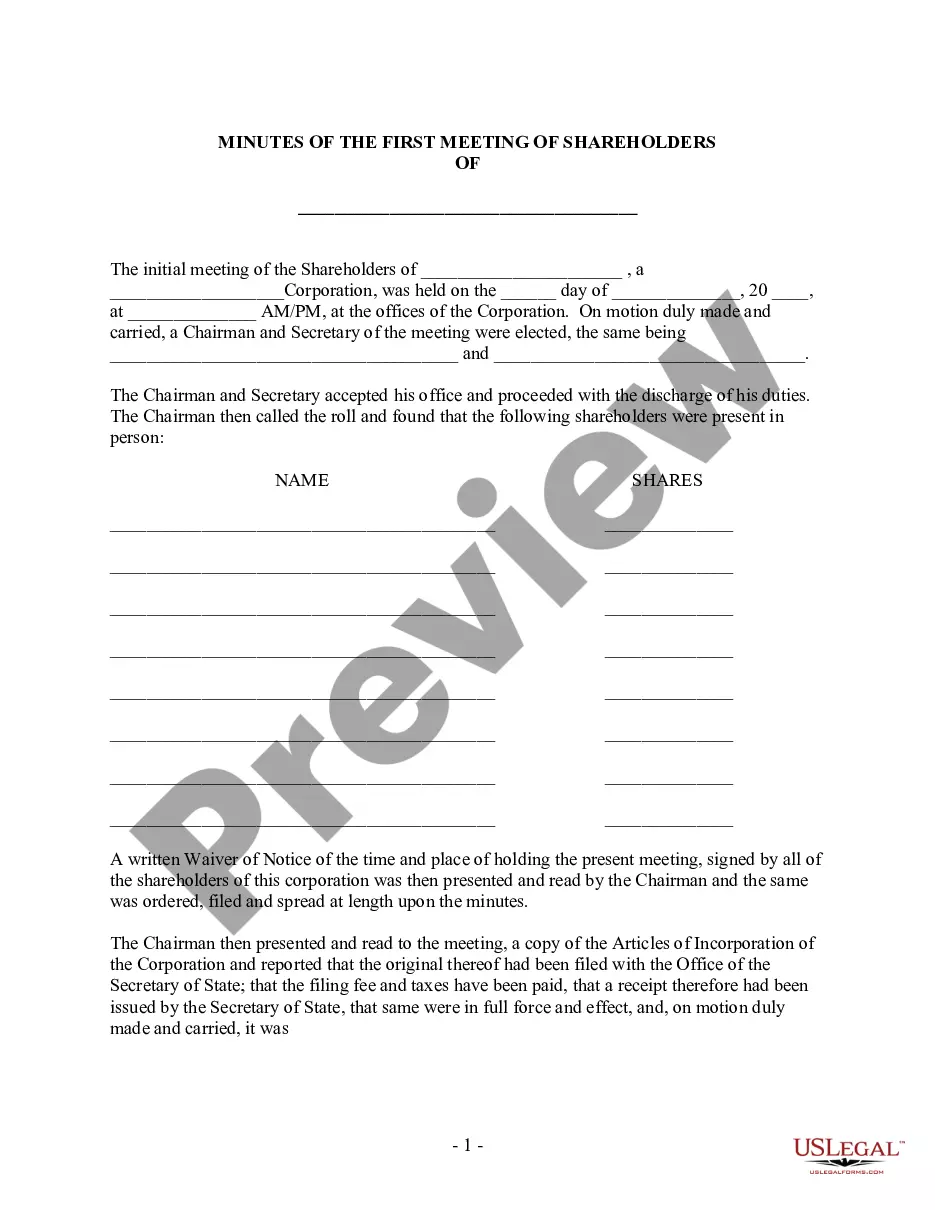
How to write meeting minutes Organization name. Meeting purpose. Start and end times. Date and location. List of attendees and absentees, if necessary. Space for important information like motions passed or deadlines given. Space for your signature and the meeting leader's signature.
Robert's Rules (Section -16) state that “the minutes should contain mainly a record of what was done at the meeting, not what was said by the members.” Minutes are not transcripts of meetings; rather, the document contains a record of actions taken by the body, organized by the meeting's order of business (agenda).
Robert's Rules (Section -16) state that “the minutes should contain mainly a record of what was done at the meeting, not what was said by the members.” Minutes are not transcripts of meetings; rather, the document contains a record of actions taken by the body, organized by the meeting's order of business (agenda).
The format for a meeting depends on the meeting type and style. While there is no set format for meeting minutes, templates provide guidelines for essential information that should be included in your documentation.
At a minimum, minutes should include: Name and kind of meeting. Date, place, and time that the meeting began and ended. Names of the chair and secretary or their substitute. Names of voting members attending and whether a quorum was present. Names of guests and their subject matter.