Stockholder Meeting For Hoa In Texas
Description

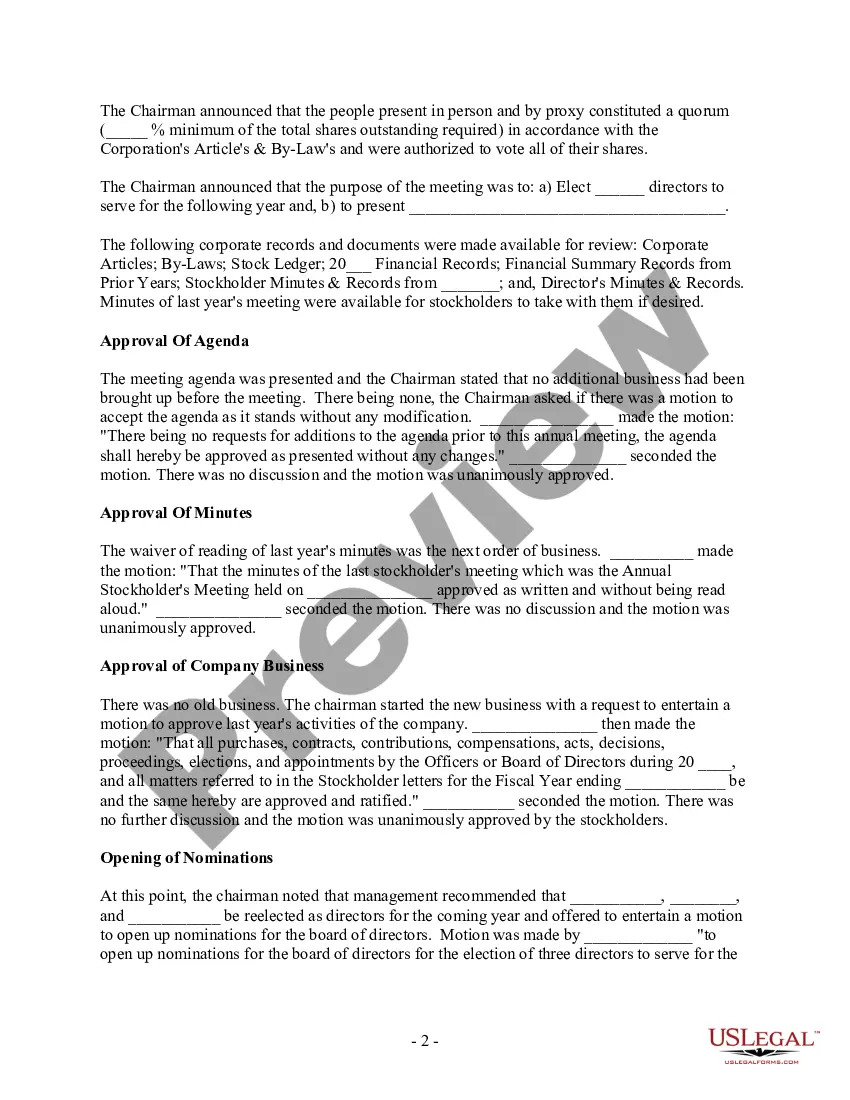
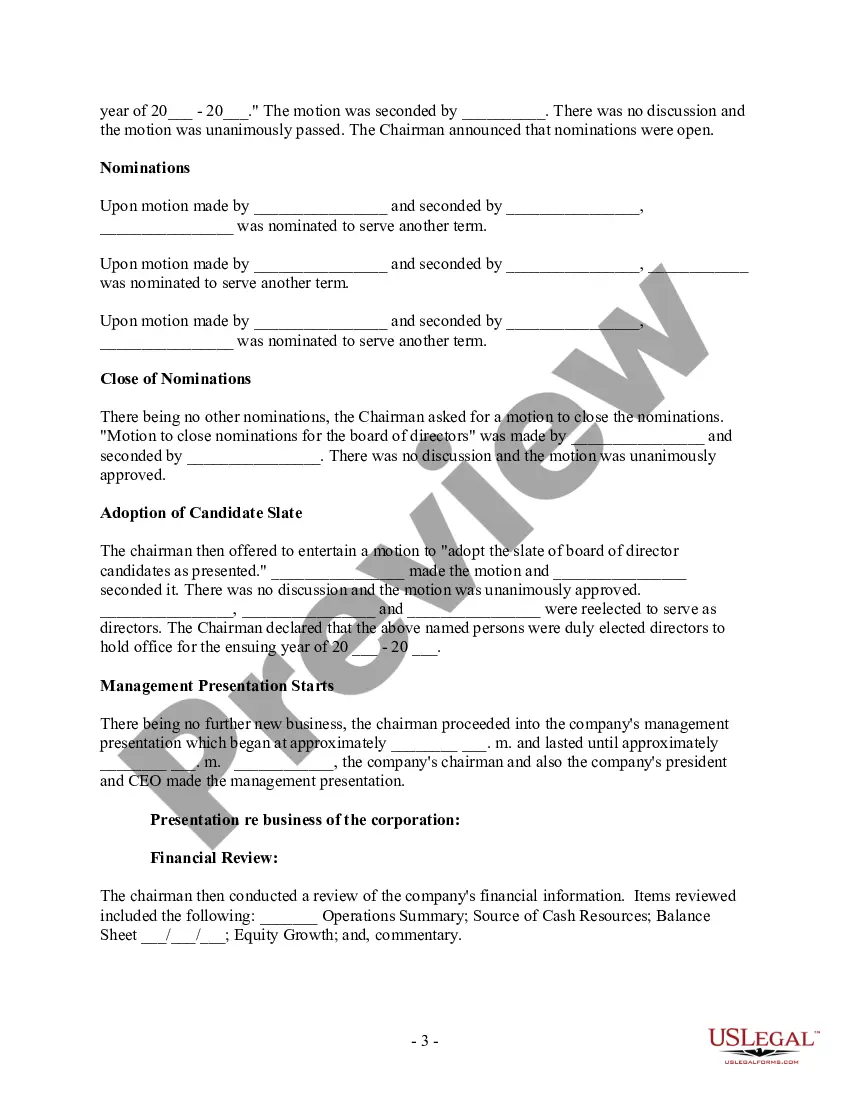
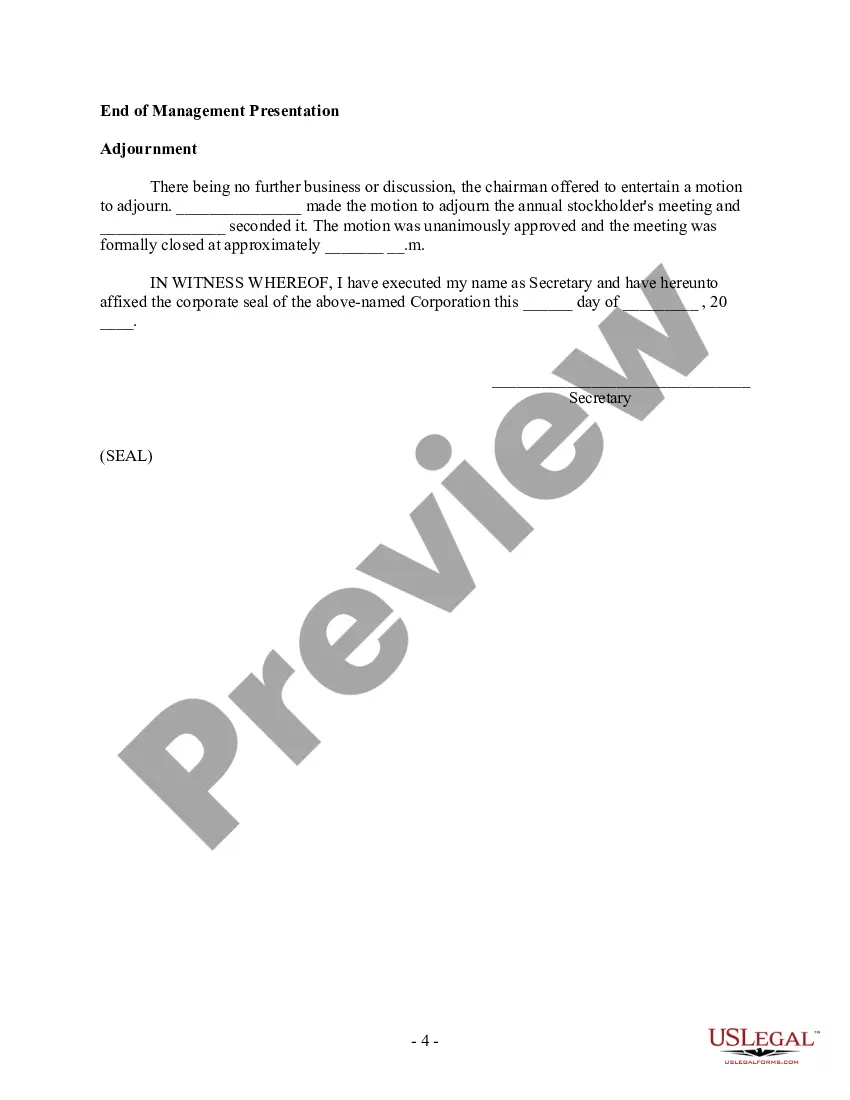

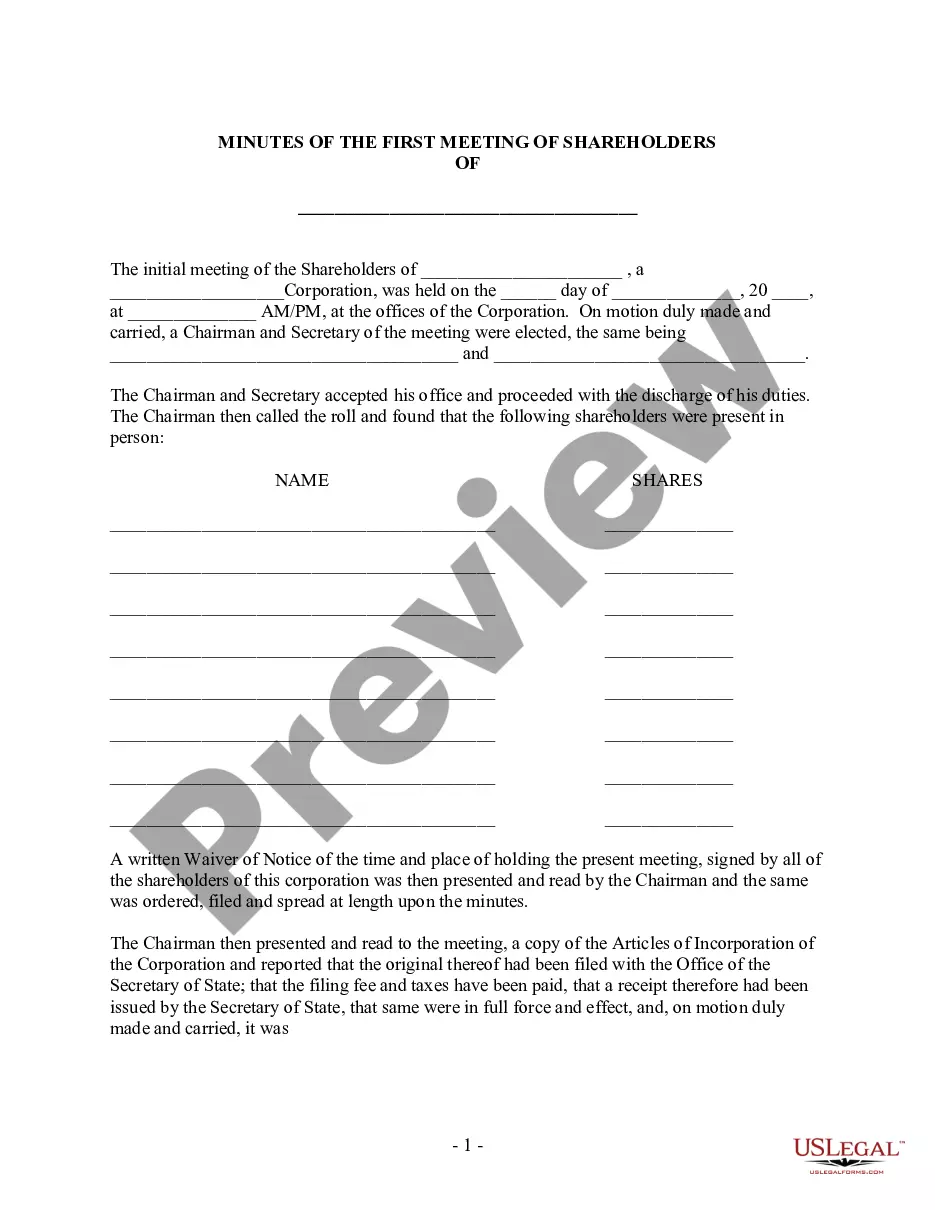

Get your form ready online
Our built-in tools help you complete, sign, share, and store your documents in one place.
Make edits, fill in missing information, and update formatting in US Legal Forms—just like you would in MS Word.
Download a copy, print it, send it by email, or mail it via USPS—whatever works best for your next step.
Sign and collect signatures with our SignNow integration. Send to multiple recipients, set reminders, and more. Go Premium to unlock E-Sign.
If this form requires notarization, complete it online through a secure video call—no need to meet a notary in person or wait for an appointment.
We protect your documents and personal data by following strict security and privacy standards.

Make edits, fill in missing information, and update formatting in US Legal Forms—just like you would in MS Word.

Download a copy, print it, send it by email, or mail it via USPS—whatever works best for your next step.

Sign and collect signatures with our SignNow integration. Send to multiple recipients, set reminders, and more. Go Premium to unlock E-Sign.

If this form requires notarization, complete it online through a secure video call—no need to meet a notary in person or wait for an appointment.

We protect your documents and personal data by following strict security and privacy standards.
Looking for another form?








Form popularity
FAQ
Open Board Meetings Folks know that HOA members have a legal right to attend HOA board meetings. The right doesn't come from the Texas Open Meetings Act, which applies only to governmental entities. Nor does it come from corporation laws.
In most cases, the board secretary will set the agenda for a board meeting, although any board member can do it. The secretary often puts the board meeting agenda together in collaboration with the board president. The secretary typically asks board members if they have any items they want to be added to the agenda.
An agenda is an outline of the issues that a group will discuss during its meeting. The officers of the organization prepare the agenda with assistance from the organization advisor. An agenda starts with a list of general business items.
If an annual meeting is not conducted and/or is unable to take place due to a lack of quorum, the directors then in office generally continue to serve on the board until successors have been formally elected and qualified.
The new law will require that homeowners association policies must include general categories of restrictive covenants for which the association may assess fines, a schedule of fines for each category of violation, and information on hearings.
Often agenda items are just decided by the Chair and the Secretary. However, if you can it is useful to find ways of giving your members the opportunity to contribute. Some ways of doing this are: Put up a suggestion sheet on a notice board.
The chair is responsible for making sure agreed tasks are carried out, and making decisions between meetings if necessary. Before meetings the chair should plan and understand the agenda and ensure all necessary information is available.
The Board members and the HOA management company should ensure the meeting runs smoothly, such as setting an agenda, preparing materials, sending out notices, making sure the meeting is legal, setting up the meeting space, having a quorum, and appointing a meeting chair.
Report on specific dialogue or personal opinions of what was said at the meeting. While some HOA Boards may be tempted to record this information in an effort to be transparent, this is a big no-no. This will also help to keep the length of minutes down. Include homeowner forum topics and discussion in the minutes.
How to Plan HOA Annual Meetings With These 9 Simple Tips Organize the Agenda. The agenda is the official plan for the meeting and should be focused and accurate. Set the Date. Start Planning Early. Ensure a Quorum. Give Notice Well Ahead of Time. Get the Word Out. Hold a Forum. Throw a Party.
