Stockholder Meeting For Agm In Ohio
Description

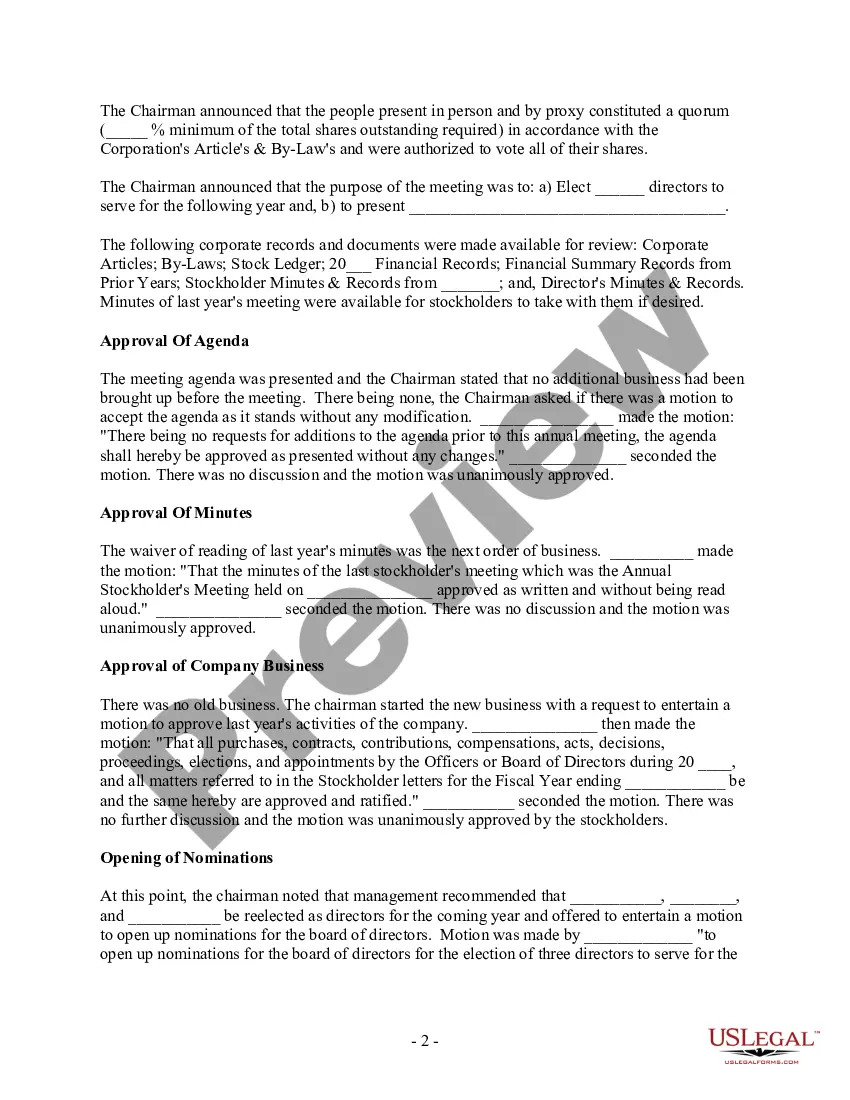
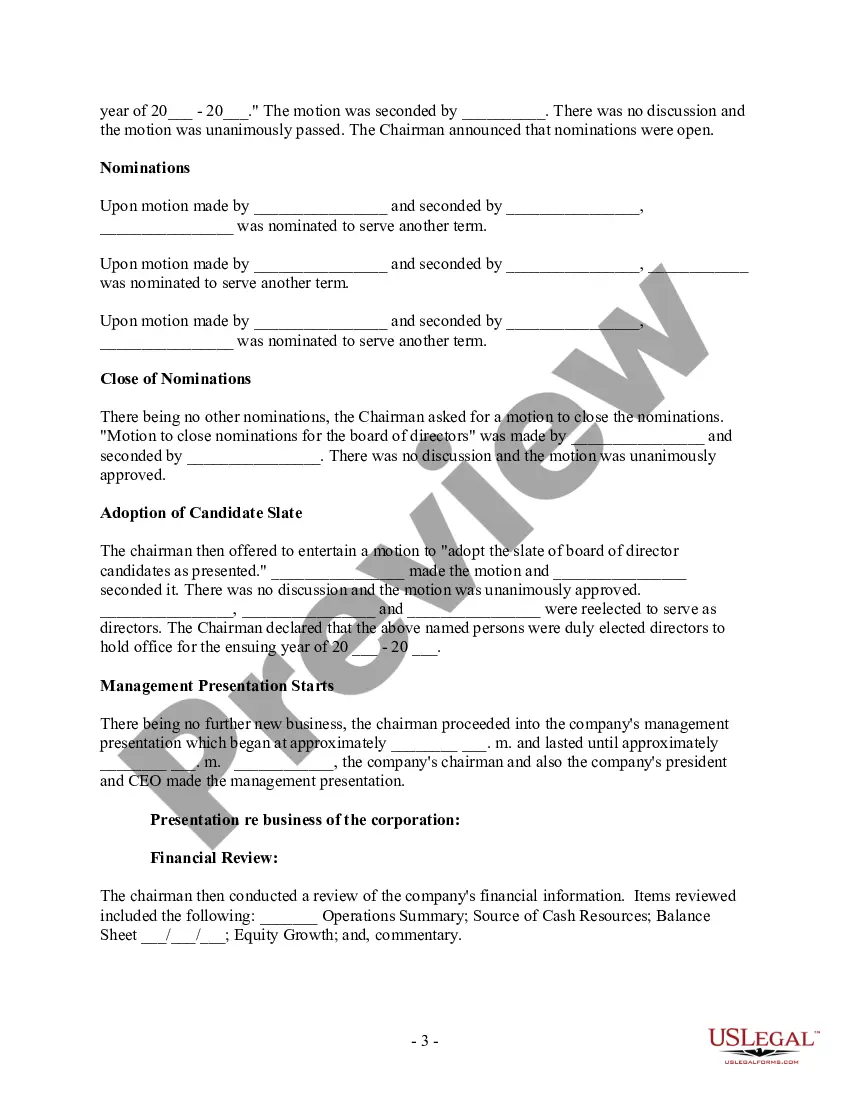
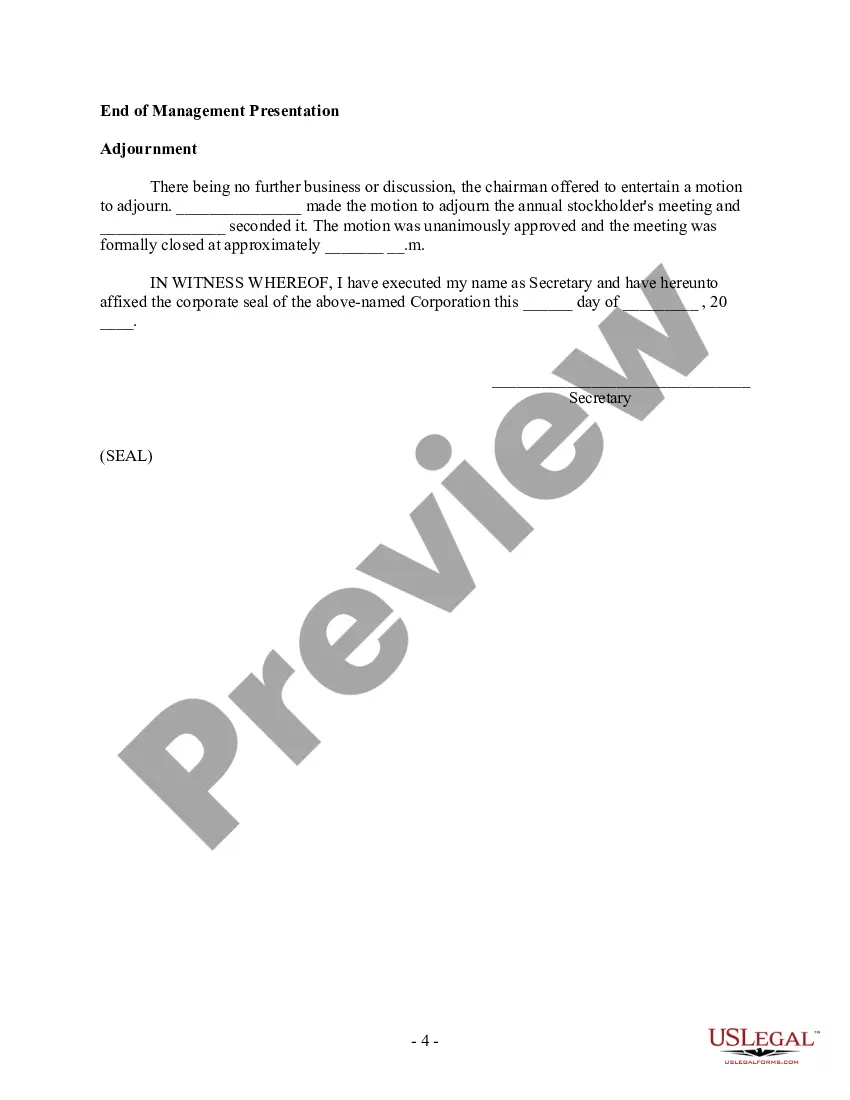

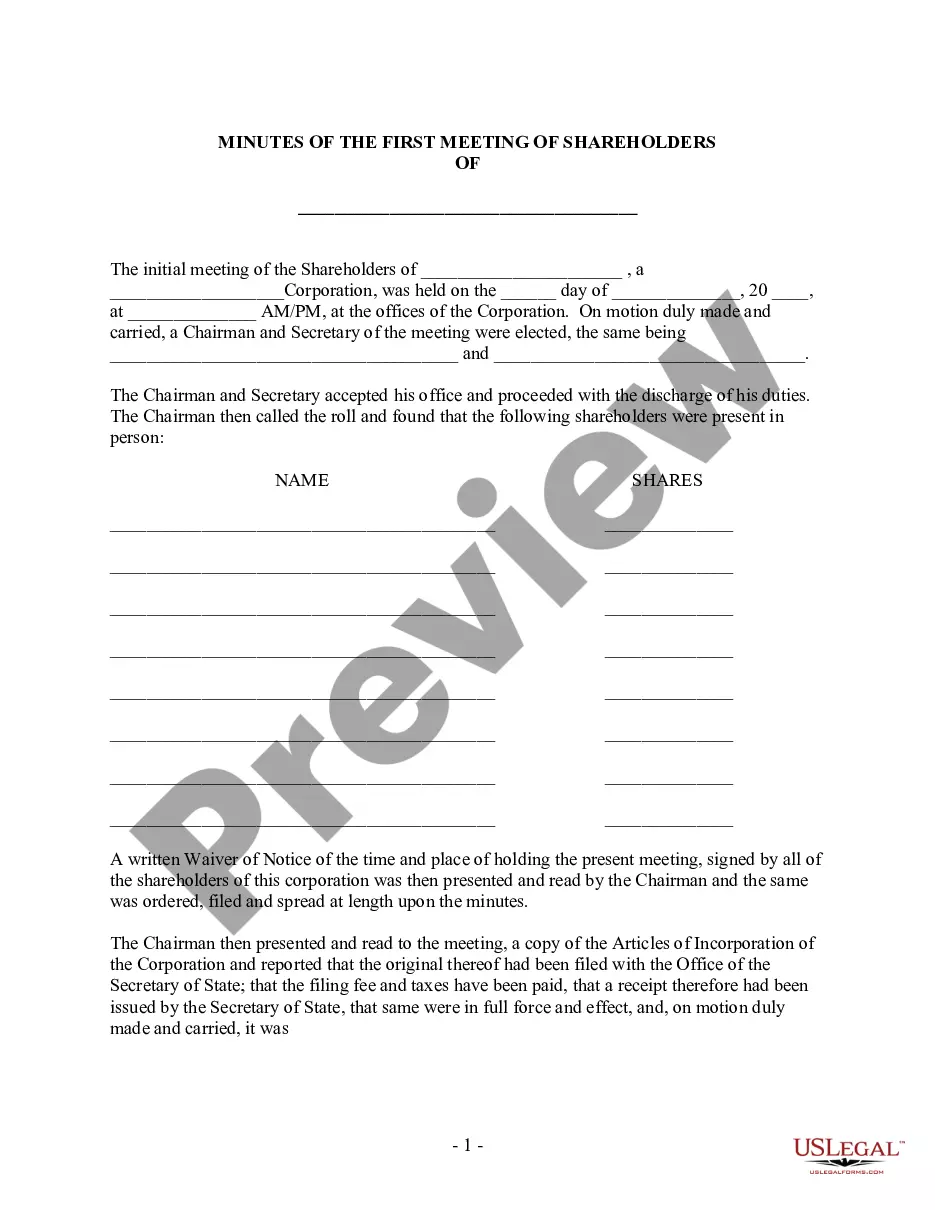

Get your form ready online
Our built-in tools help you complete, sign, share, and store your documents in one place.
Make edits, fill in missing information, and update formatting in US Legal Forms—just like you would in MS Word.
Download a copy, print it, send it by email, or mail it via USPS—whatever works best for your next step.
Sign and collect signatures with our SignNow integration. Send to multiple recipients, set reminders, and more. Go Premium to unlock E-Sign.
If this form requires notarization, complete it online through a secure video call—no need to meet a notary in person or wait for an appointment.
We protect your documents and personal data by following strict security and privacy standards.

Make edits, fill in missing information, and update formatting in US Legal Forms—just like you would in MS Word.

Download a copy, print it, send it by email, or mail it via USPS—whatever works best for your next step.

Sign and collect signatures with our SignNow integration. Send to multiple recipients, set reminders, and more. Go Premium to unlock E-Sign.

If this form requires notarization, complete it online through a secure video call—no need to meet a notary in person or wait for an appointment.

We protect your documents and personal data by following strict security and privacy standards.
Looking for another form?


Form popularity
FAQ
A meeting is a gathering that has a purpose. General meetings include any meetings of members (usually shareholders) such as annual general meetings (AGMs), meetings of different classes of members and creditors' meetings. General meetings are governed by Part 2G.
The members (including shareholders) of the company are entitled to attend and vote at the AGM.
An AGM is a mandatory annual meeting of shareholders. At the AGM, your company will present its financial statements (also known as "accounts") before the shareholders (also known as "members") so that they can raise any queries regarding the financial position of the company.
A corporation's bylaws or certificate of incorporation may allow the board, executives, or qualifying shareholders to call a special meeting. Notice requirements vary by state but often require 10–60 days' advance notice, with Delaware and California offering clear statutory guidelines.
An AGM (Annual General Meeting) is a crucial event where shareholders review the company's progress and financial reports. Several important activities take place, including the presentation of the annual report, which details the company's performance over the financial year compared to the previous year.
An AGM (annual general meeting) meeting, is a yearly event where a company's present and potential shareholders assemble to discuss the company's performance and concerns.
A general meeting of the Members of a company can be called and held at any point, and any number of times, in a year in order for the members to pass resolutions to carry out certain changes or approve certain actions.
Directors call general meetings, including the AGM. Members of a corporation cannot call a general meeting or AGM unless the rule book says they can. It is best if all the directors are involved in the decision to call a general meeting and setting the agenda by passing a resolution at a directors' meeting.
What happens at an annual general meeting? During an AGM, a company's performance is analysed and its future strategy is discussed. This is an opportunity for shareholders to question the board, get answers for unsatisfactory performance and challenge them on the direction of the company.
Directors typically call general meetings. However, any shareholder holding at least 5% of the company shares can request that one be called if they believe it is necessary. A director should notify the shareholders once a general meeting has been called.
