Minutes Writing In A Meeting In Middlesex
Description

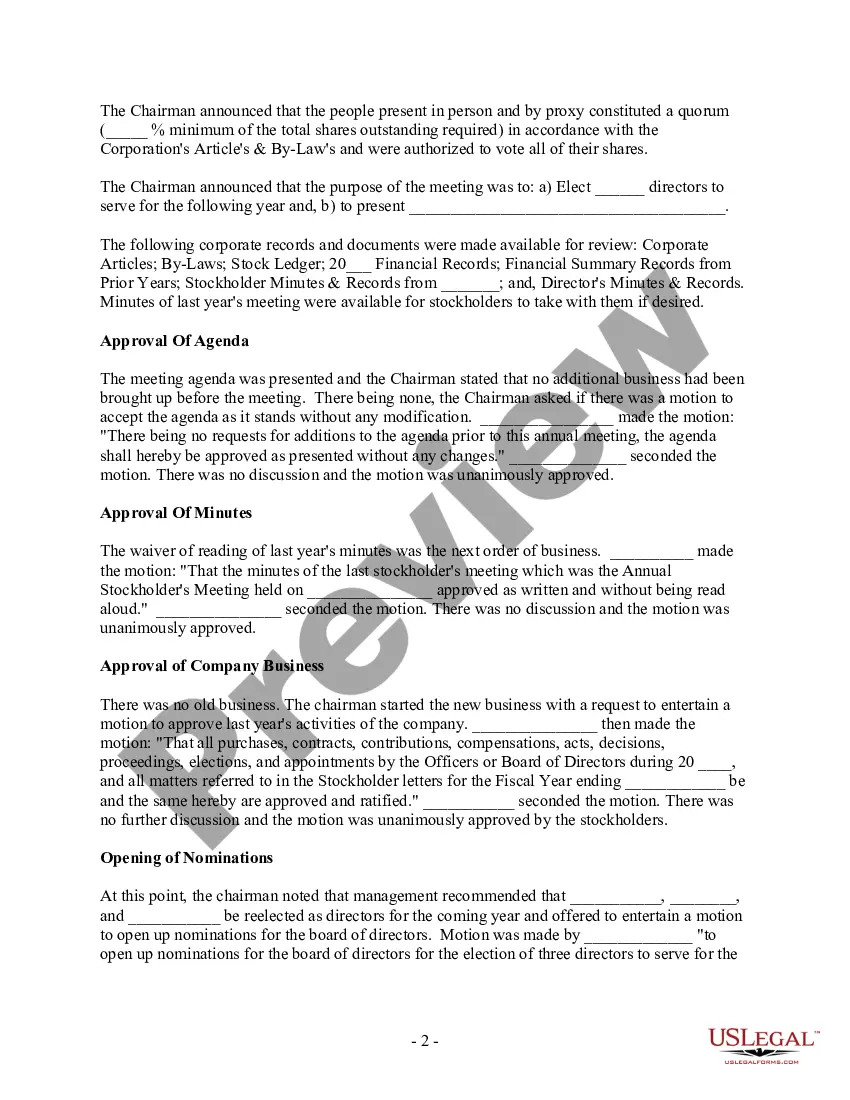
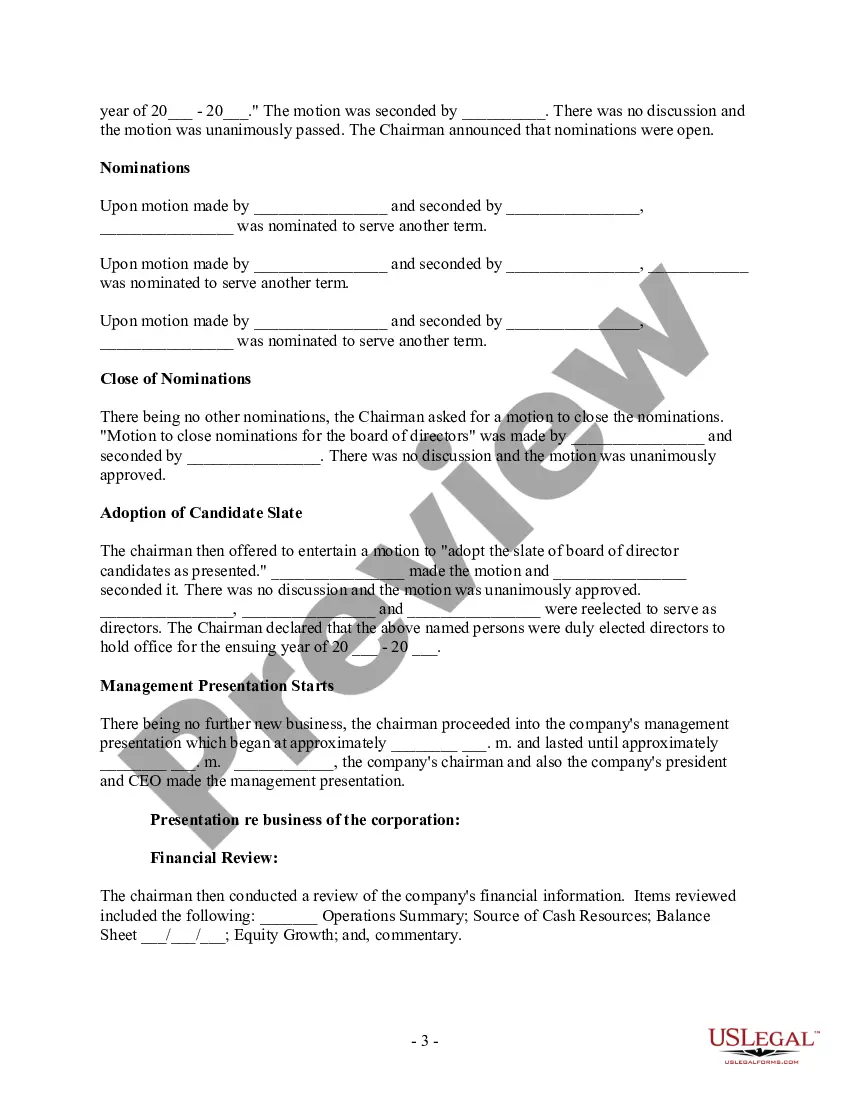
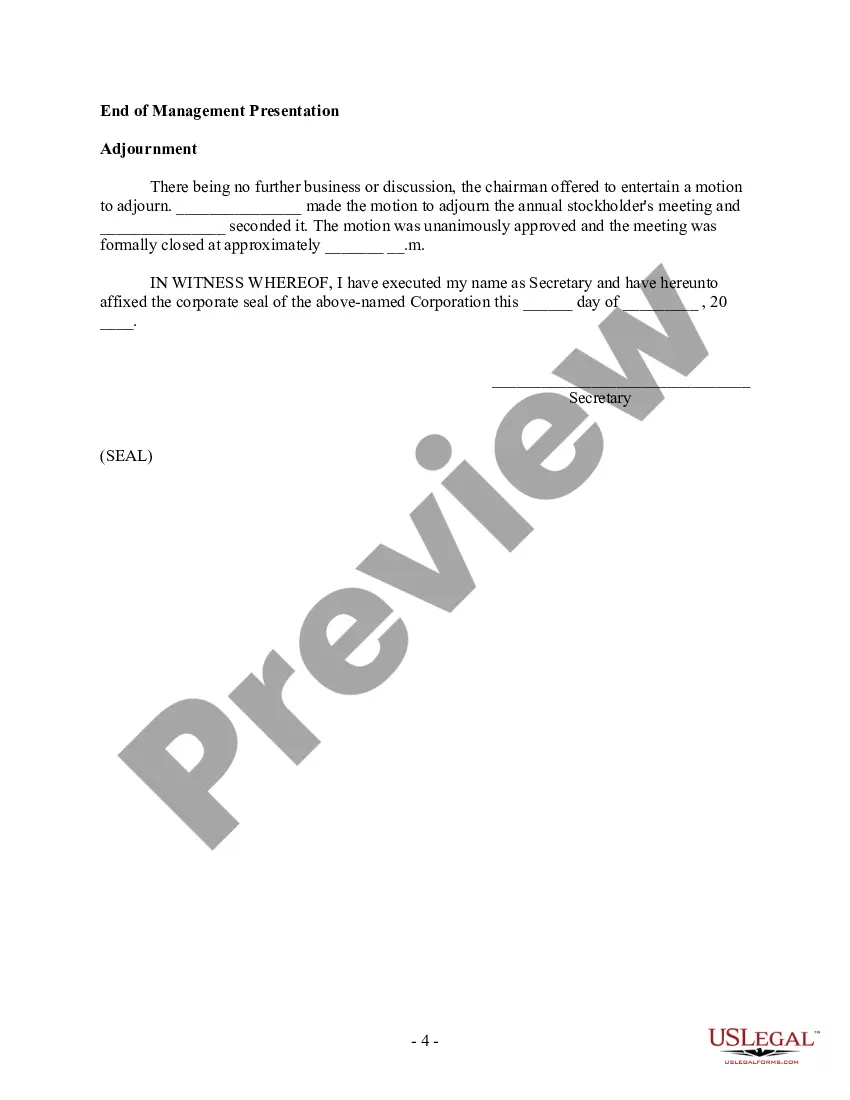

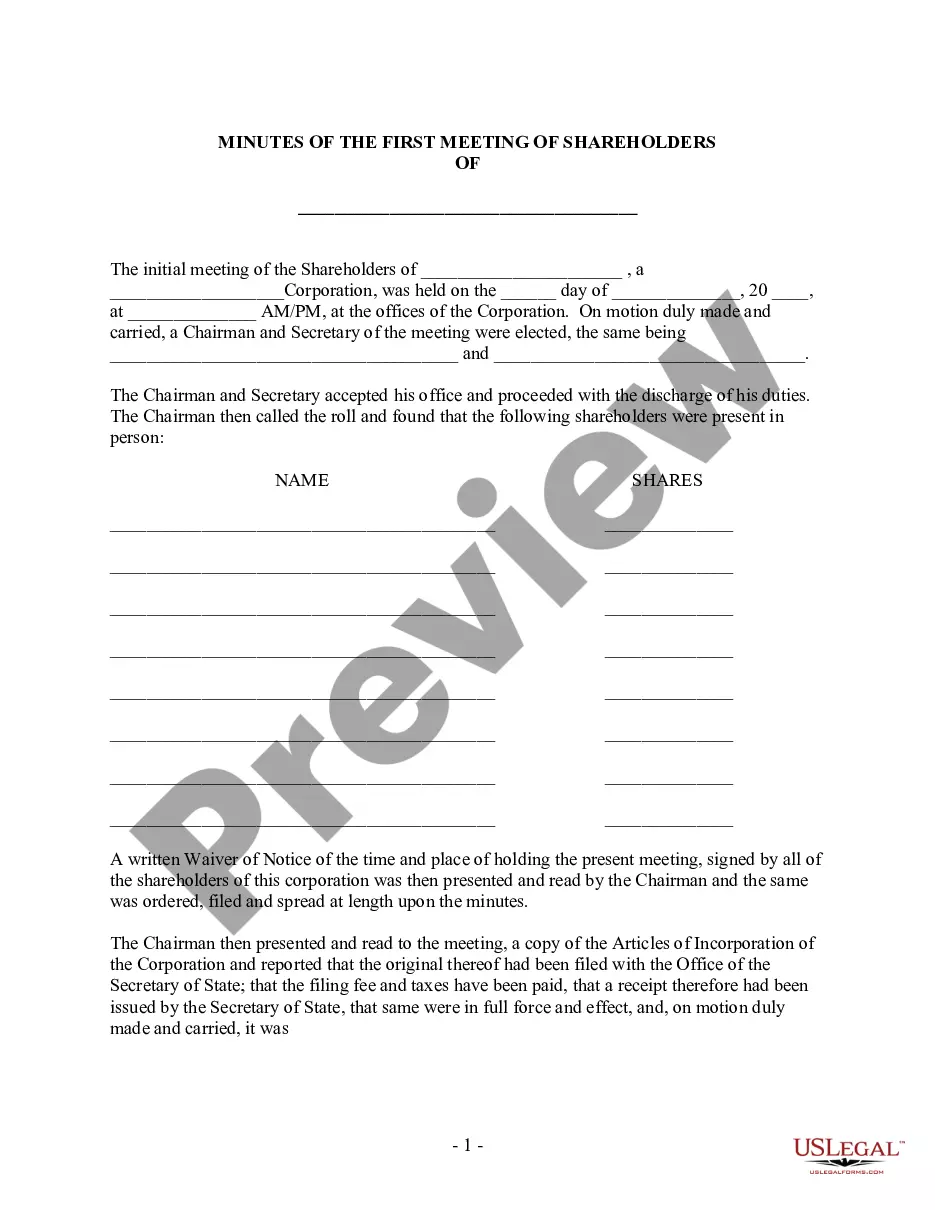

Get your form ready online
Our built-in tools help you complete, sign, share, and store your documents in one place.
Make edits, fill in missing information, and update formatting in US Legal Forms—just like you would in MS Word.
Download a copy, print it, send it by email, or mail it via USPS—whatever works best for your next step.
Sign and collect signatures with our SignNow integration. Send to multiple recipients, set reminders, and more. Go Premium to unlock E-Sign.
If this form requires notarization, complete it online through a secure video call—no need to meet a notary in person or wait for an appointment.
We protect your documents and personal data by following strict security and privacy standards.

Make edits, fill in missing information, and update formatting in US Legal Forms—just like you would in MS Word.

Download a copy, print it, send it by email, or mail it via USPS—whatever works best for your next step.

Sign and collect signatures with our SignNow integration. Send to multiple recipients, set reminders, and more. Go Premium to unlock E-Sign.

If this form requires notarization, complete it online through a secure video call—no need to meet a notary in person or wait for an appointment.

We protect your documents and personal data by following strict security and privacy standards.
Looking for another form?

Form popularity
FAQ
Minutes: The secretary should take minutes that correspond with the agenda items. Keep the minutes brief and record decisions made alongside actions agreed. Recording your online AGM can be helpful for accuracy, but make sure everyone knows about, and consents to, the recording.
Taking meeting minutes can be a laborious and long process. It's perfectly natural to wonder whether all the hard work and attention to detail are worth the effort. Isn't it enough to take some brief notes for your own personal use?
For a normal or general meeting, (as opposed to an annual general meeting or special general meeting – see below) the minutes should be out within a week of the meeting, ideally within 48 hours.
Here are seven steps you can take to write and distribute meeting minutes: Prepare a template before the meeting. Take notes during the meeting. Collect copies of any reports or presentations. Review your notes. Create a final draft. Request approval from leadership. Deliver the meeting minutes.
Multiple company secretaries have also told us that, as a rule of thumb, they spend four hours writing minutes for every hour of meeting time. This isn't surprising when you consider that the transcript of an hour's worth of conversation can reach 10,000 words and 20 pages of A4.
Multiple company secretaries have also told us that, as a rule of thumb, they spend four hours writing minutes for every hour of meeting time. This isn't surprising when you consider that the transcript of an hour's worth of conversation can reach 10,000 words and 20 pages of A4.
To keep comprehensive minutes: Note formally the meeting type, date, location, Chairperson name, directors in attendance, and time opened. Record proxies received and determine if a quorum is present. Document whether the previous meeting's minutes were accepted without modification or if any changes were proposed.
What do the minutes contain? Time, date and place of meeting. List of people attending. List of absent members of the group. Approval of the previous meeting's minutes, and any matters arising from those minutes. For each item in the agenda, a record of the principal points discussed and decisions taken.
Here's what to focus on to ensure your minutes are both thorough and easy to follow. The basic details of the meeting. This should cover the date, time, and location of the meeting, as well as a list of attendees. Clear agenda overview. Decisions and action items. Follow-up items.
The format of the minutes should closely follow the format of the agenda. It's easier to record the minutes if the meeting follows the agenda. The minutes are generally taken down at the meeting in a rough format then later written or typed properly and fully, unless the meeting has been recorded.
