Stockholder Meeting For Hoa In Cook
Description

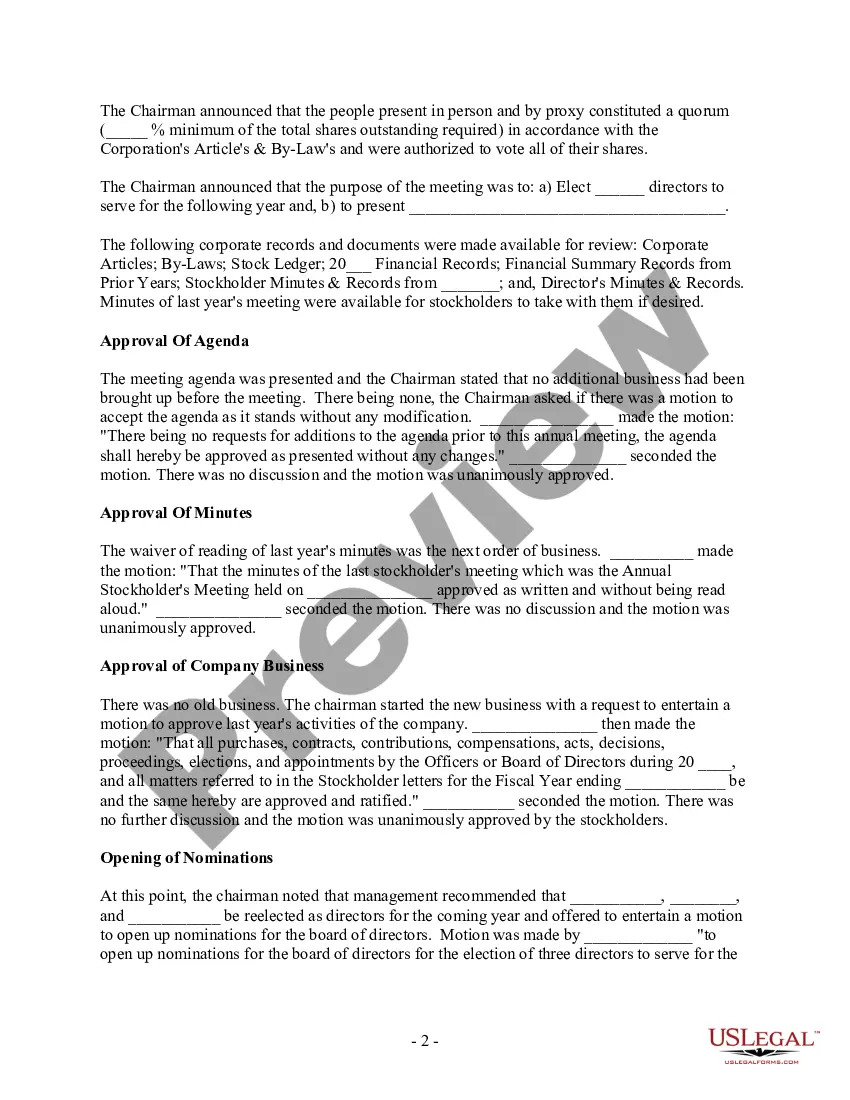
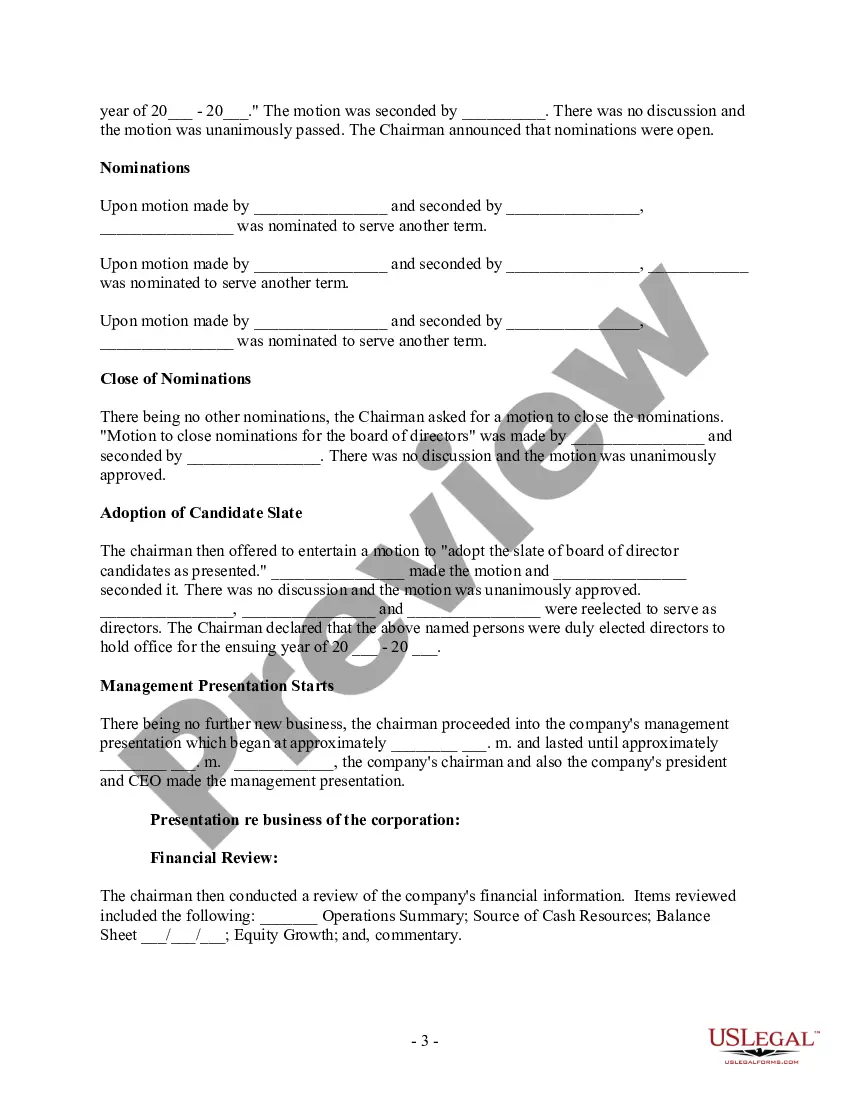
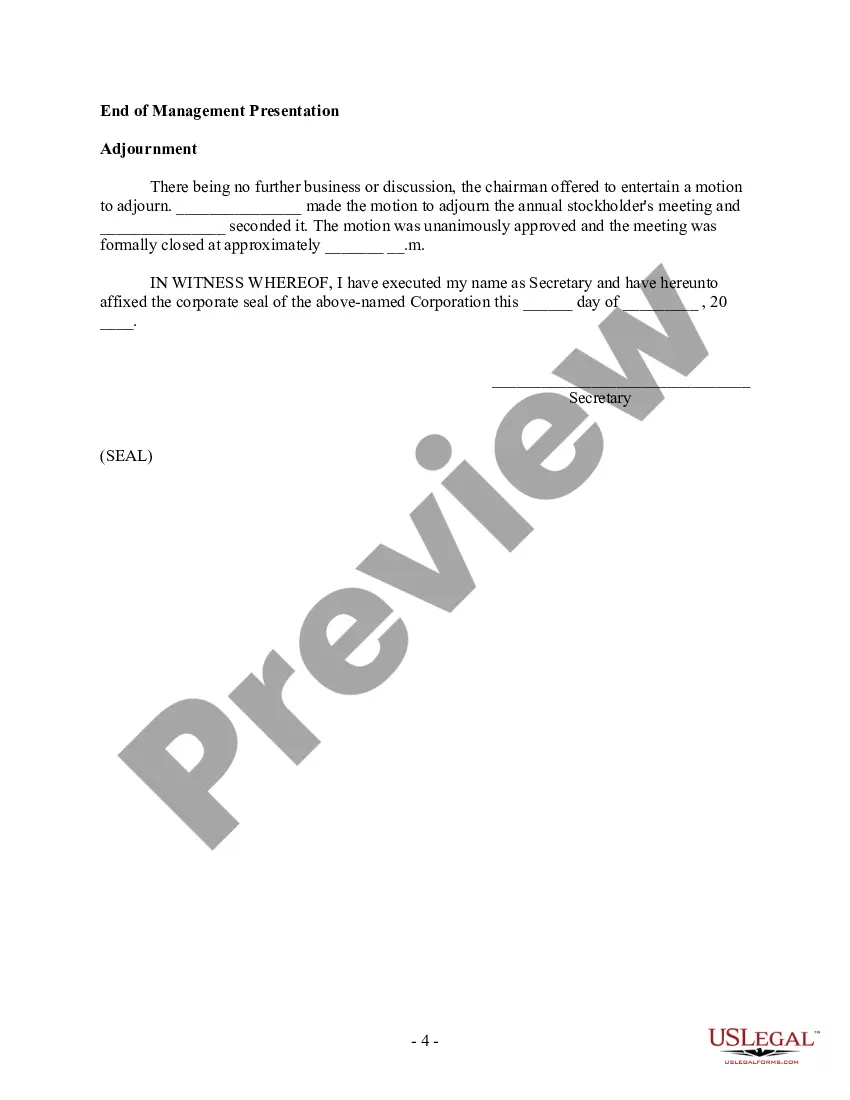



Get your form ready online
Our built-in tools help you complete, sign, share, and store your documents in one place.
Make edits, fill in missing information, and update formatting in US Legal Forms—just like you would in MS Word.
Download a copy, print it, send it by email, or mail it via USPS—whatever works best for your next step.
Sign and collect signatures with our SignNow integration. Send to multiple recipients, set reminders, and more. Go Premium to unlock E-Sign.
If this form requires notarization, complete it online through a secure video call—no need to meet a notary in person or wait for an appointment.
We protect your documents and personal data by following strict security and privacy standards.

Make edits, fill in missing information, and update formatting in US Legal Forms—just like you would in MS Word.

Download a copy, print it, send it by email, or mail it via USPS—whatever works best for your next step.

Sign and collect signatures with our SignNow integration. Send to multiple recipients, set reminders, and more. Go Premium to unlock E-Sign.

If this form requires notarization, complete it online through a secure video call—no need to meet a notary in person or wait for an appointment.

We protect your documents and personal data by following strict security and privacy standards.
Looking for another form?

Form popularity
FAQ
An HOA meeting is a gathering of board members and/or community members to conduct business, evaluate projects, voice opinions and concerns, make decisions, and more. HOA meetings are typically mandated by law, but how they're structured and organized, and their frequency, can vary.
HOA meeting minutes should typically be distributed to all HOA members within 30 days of the meeting.
For a normal or general meeting, (as opposed to an annual general meeting or special general meeting – see below) the minutes should be out within a week of the meeting, ideally within 48 hours.
Report on specific dialogue or personal opinions of what was said at the meeting. While some HOA Boards may be tempted to record this information in an effort to be transparent, this is a big no-no. This will also help to keep the length of minutes down. Include homeowner forum topics and discussion in the minutes.
If an annual meeting is not conducted and/or is unable to take place due to a lack of quorum, the directors then in office generally continue to serve on the board until successors have been formally elected and qualified.
But, unlike open board meeting minutes, executive session minutes are not usually available to owners for viewing or examination. If state laws or governing documents require an HOA to make executive session minutes available to owners, it is best to exclude sensitive or personal information from the record.
Often agenda items are just decided by the Chair and the Secretary. However, if you can it is useful to find ways of giving your members the opportunity to contribute. Some ways of doing this are: Put up a suggestion sheet on a notice board.
An agenda is an outline of the issues that a group will discuss during its meeting. The officers of the organization prepare the agenda with assistance from the organization advisor. An agenda starts with a list of general business items.
To join your community association's board, you need to participate in an election. This election happens at the HOA's annual meeting. Following state law, the current board has to inform homeowners a certain number of days before the annual meeting. Then homeowners can put themselves forward to be elected.
