Stockholder Meeting For Hoa In California
Description
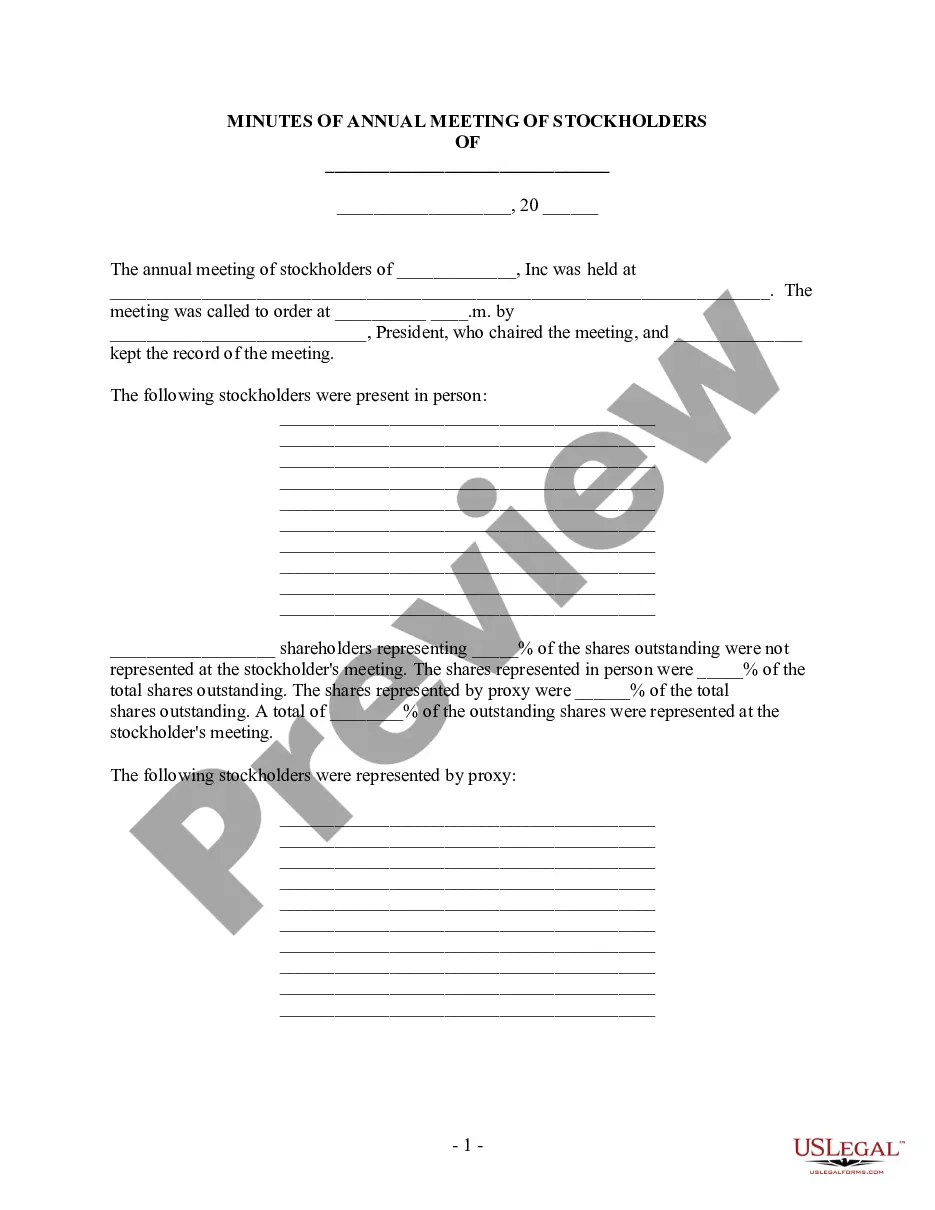
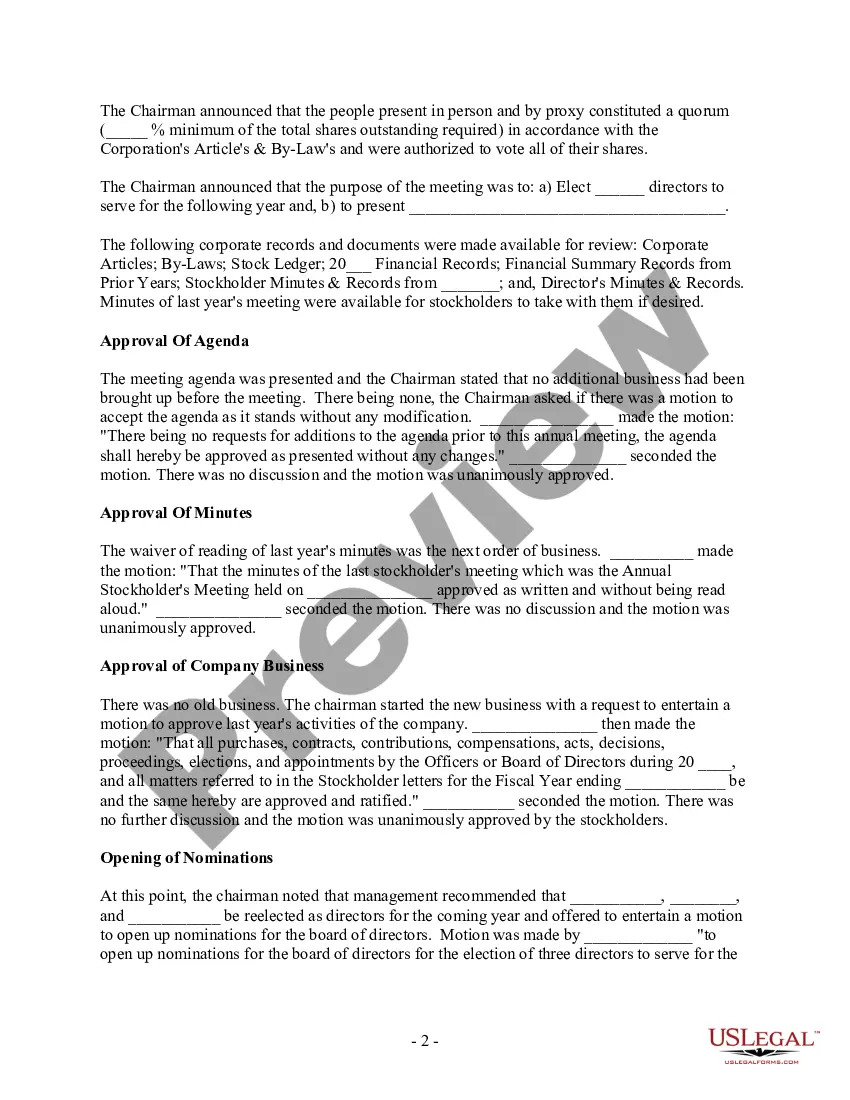
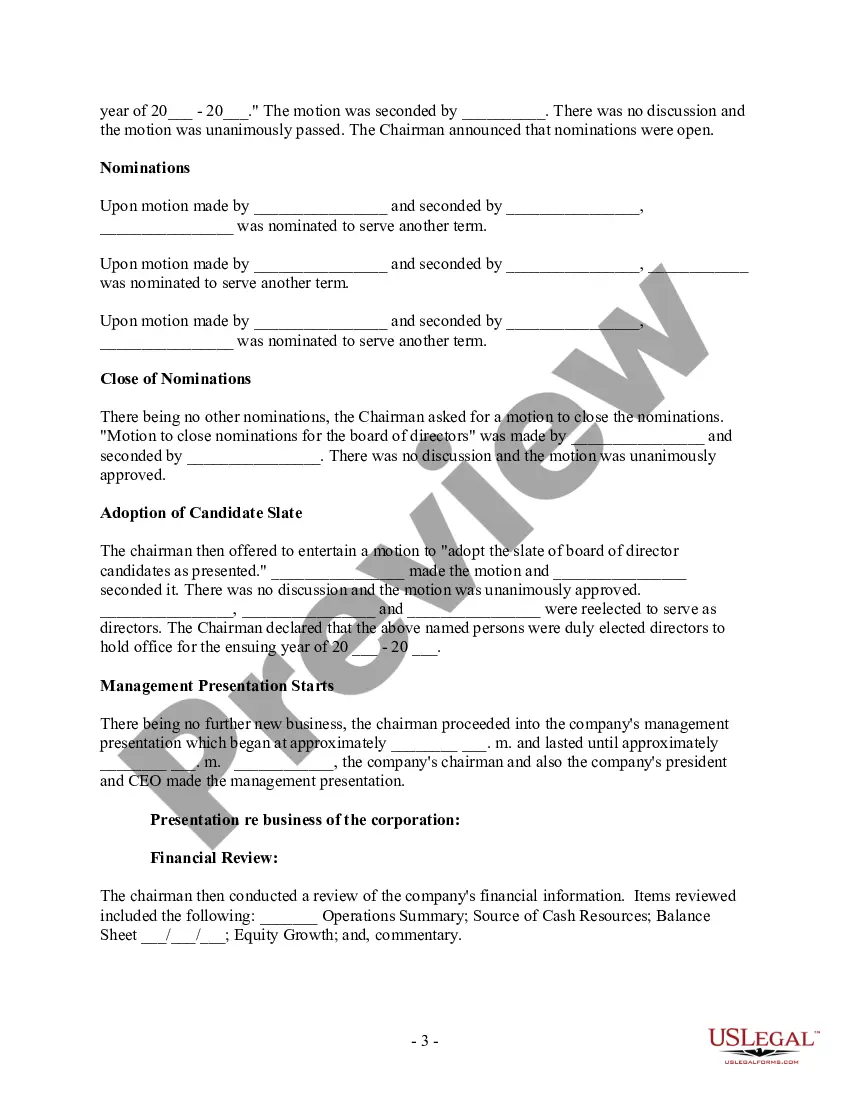
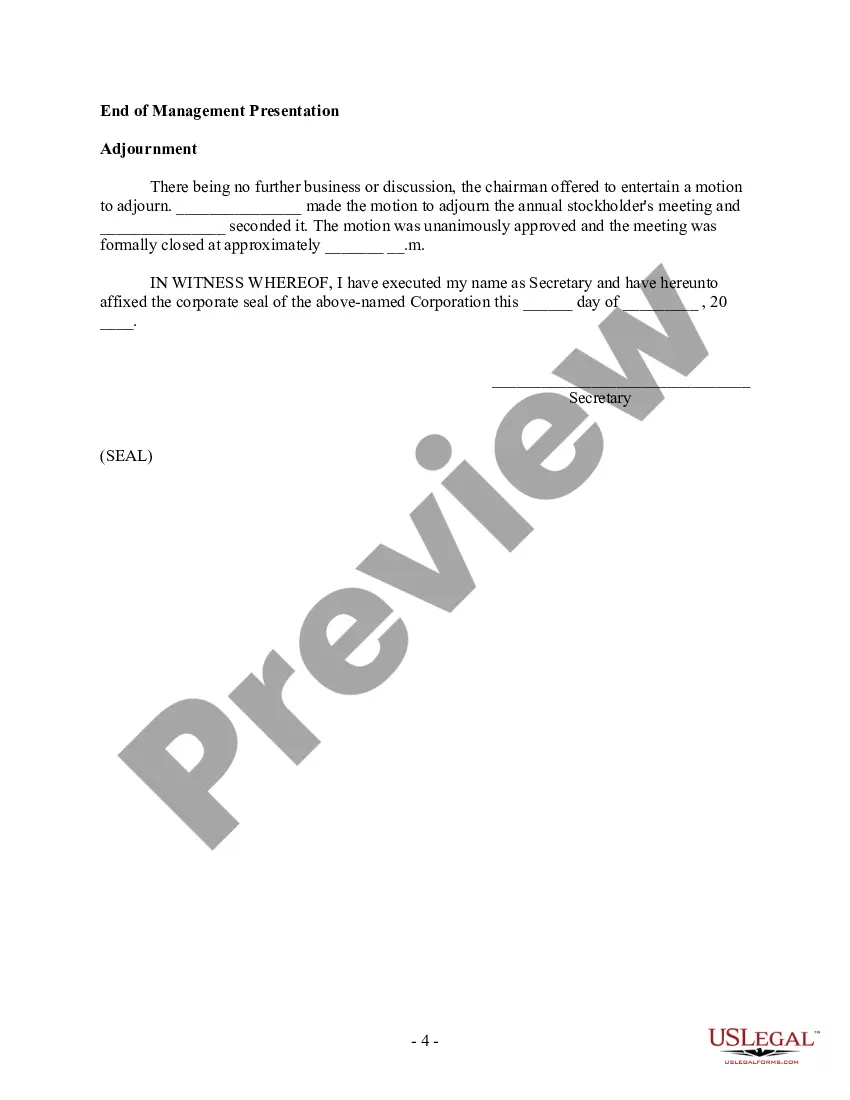
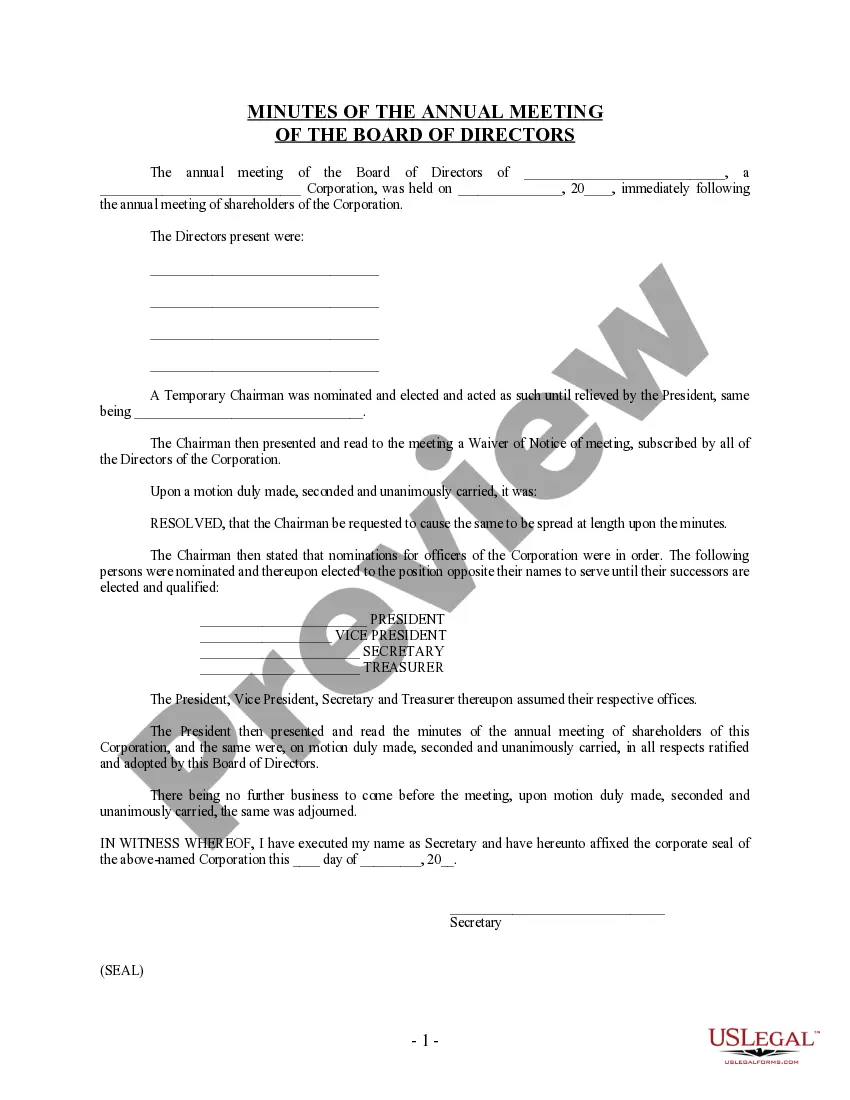
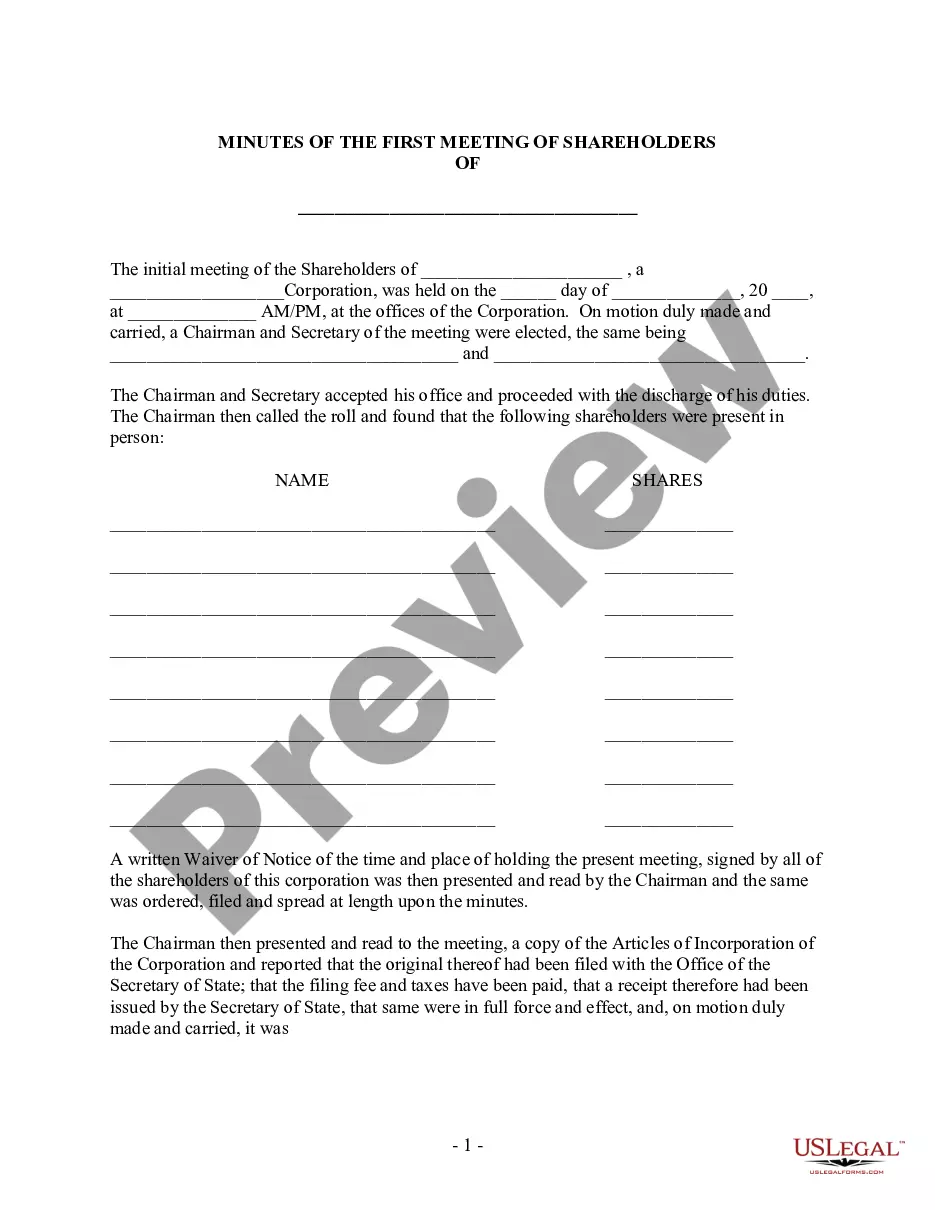
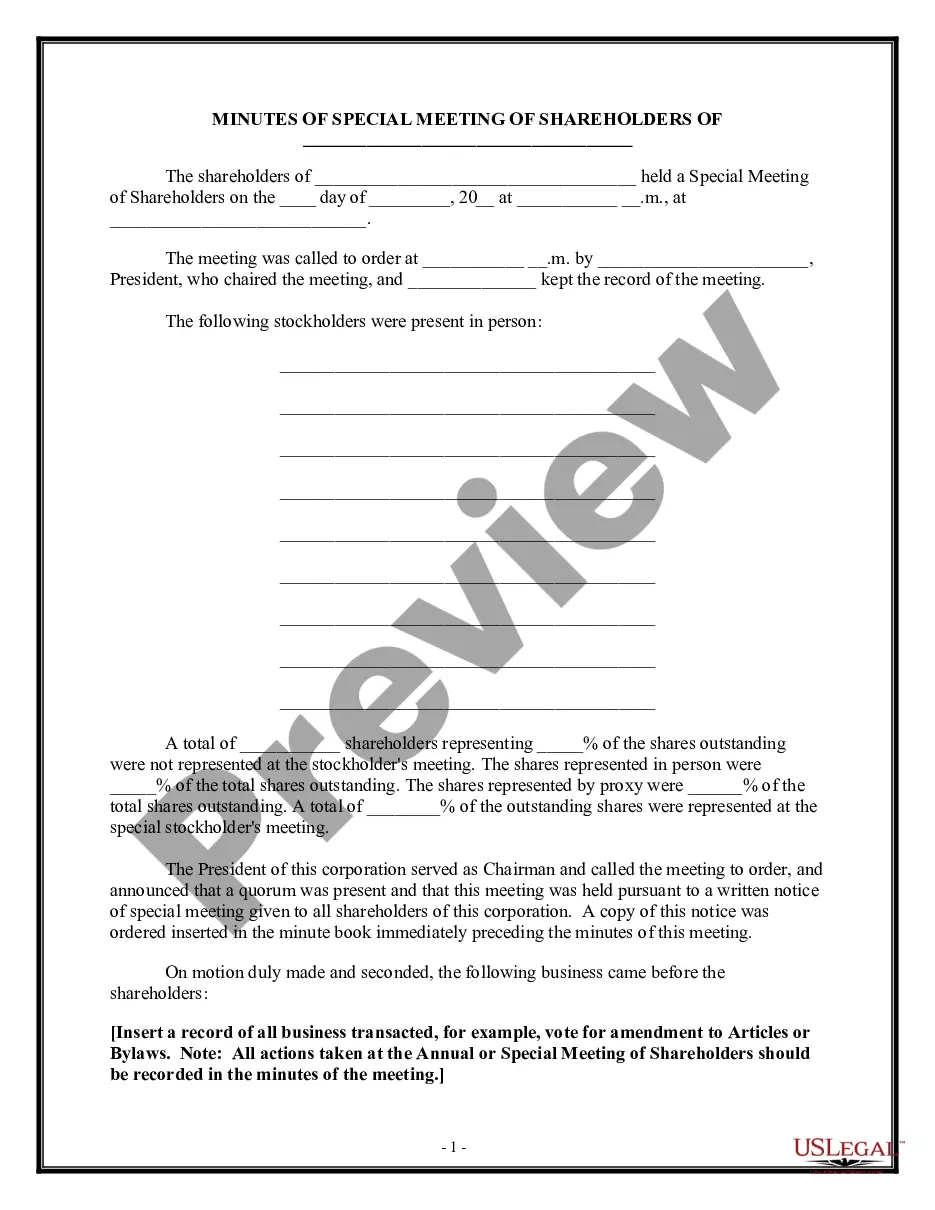
Get your form ready online
Our built-in tools help you complete, sign, share, and store your documents in one place.
Make edits, fill in missing information, and update formatting in US Legal Forms—just like you would in MS Word.
Download a copy, print it, send it by email, or mail it via USPS—whatever works best for your next step.
Sign and collect signatures with our SignNow integration. Send to multiple recipients, set reminders, and more. Go Premium to unlock E-Sign.
If this form requires notarization, complete it online through a secure video call—no need to meet a notary in person or wait for an appointment.
We protect your documents and personal data by following strict security and privacy standards.

Make edits, fill in missing information, and update formatting in US Legal Forms—just like you would in MS Word.

Download a copy, print it, send it by email, or mail it via USPS—whatever works best for your next step.

Sign and collect signatures with our SignNow integration. Send to multiple recipients, set reminders, and more. Go Premium to unlock E-Sign.

If this form requires notarization, complete it online through a secure video call—no need to meet a notary in person or wait for an appointment.

We protect your documents and personal data by following strict security and privacy standards.
Looking for another form?
Form popularity
FAQ
For instance, California's Civil Code Section 4925 states that members can attend any non-executive portion of board meetings. For most HOAs, association members are allowed to attend most meetings.
The Davis-Stirling Act in California spells out the rules for open meetings, which greatly affects when and how HOA boards can have closed meetings. Section 4900 of the Act says that all HOA board meetings must be open to all association members, with a few exceptions for private sessions.
An HOA meeting is a broad term used to describe a meeting that takes place within a homeowners association or inium. Meetings, within the context of HOAs, come in various forms. Each type of meeting serves a specific function and comes with its own set of rules or requirements.
The board member then spreads misinformation about a specific resident and their pet to influence others to stand on their side. This is an abuse of power that not only spreads false information to intimidate others but also damages the resident's image.
The board member then spreads misinformation about a specific resident and their pet to influence others to stand on their side. This is an abuse of power that not only spreads false information to intimidate others but also damages the resident's image.
HOA board meetings are governed by the “Common Interest Development Open Meeting Act” (“Open Meeting Act”) found at Civil Code Sections 4900 through 4955. The provisions of the Open Meeting Act contain requirements that: Prohibit the board from taking action on an “item of business” outside of a board meeting.
Section 4900 of the Act says that all HOA board meetings must be open to all association members, with a few exceptions for private sessions. In California, executive sessions are closed-door talks that only board members, and certain other people can attend.
On the contrary, states such as California and Florida are two-party consent states, meaning both parties must consent before recording the meeting. It means you need to share the intent to record the meeting in advance. The notification can be in the form of emails, audio disclaimer announcements, clickable CTAs, etc.
Are HOA meeting minutes public record? For all meetings other than executive sessions, yes, the meeting minutes should be available to anyone who wishes to review them.