Request Letter For Return Goods In Minnesota
Description
Get your form ready online
Our built-in tools help you complete, sign, share, and store your documents in one place.
Make edits, fill in missing information, and update formatting in US Legal Forms—just like you would in MS Word.
Download a copy, print it, send it by email, or mail it via USPS—whatever works best for your next step.
Sign and collect signatures with our SignNow integration. Send to multiple recipients, set reminders, and more. Go Premium to unlock E-Sign.
If this form requires notarization, complete it online through a secure video call—no need to meet a notary in person or wait for an appointment.
We protect your documents and personal data by following strict security and privacy standards.

Make edits, fill in missing information, and update formatting in US Legal Forms—just like you would in MS Word.

Download a copy, print it, send it by email, or mail it via USPS—whatever works best for your next step.

Sign and collect signatures with our SignNow integration. Send to multiple recipients, set reminders, and more. Go Premium to unlock E-Sign.

If this form requires notarization, complete it online through a secure video call—no need to meet a notary in person or wait for an appointment.

We protect your documents and personal data by following strict security and privacy standards.
Looking for another form?









Form popularity
FAQ
How to Respond to Refund Requests Step 1: Acknowledge the request. First things first, let the customer know you've received their request. Step 2: Understand the reason for the refund. Step 3: Explain the refund process. Step 4: Offer a solution or alternatives. Step 5: Confirm the action taken.
Be firm and courteous Start by acknowledging the refund request and your steps in determining if it was valid. Then explain your decision to deny the refund. Use active language like, "I looked into your situation and our refund policy does not allow one in this case."
Be respectful. Don't ask ``maybe, is it possible to get a refund?'' Instead you should state, ``This wasn't as I expected, so that'd be great for you to refund that, thank you.'' When you ask in a very tentative way, you're not showing that you're serious. Don't start out angry--but there is a place for anger.
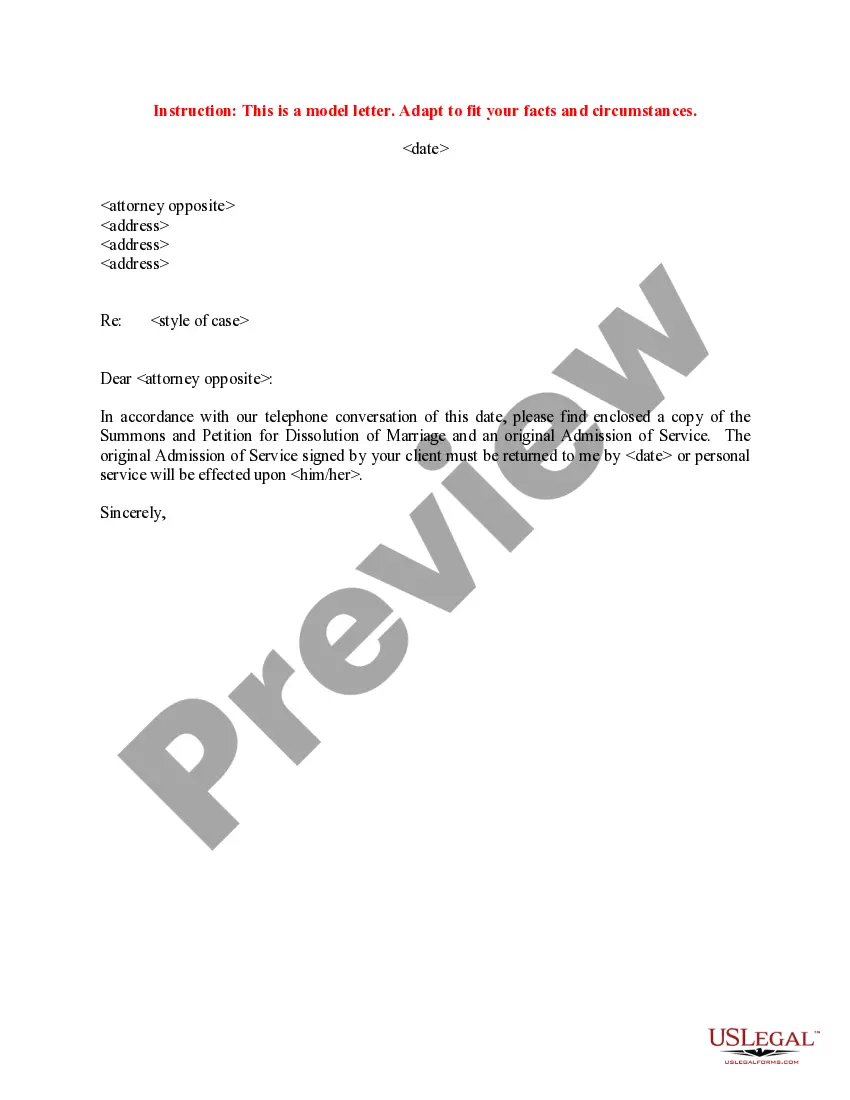
Dear Company Representative's Name, I am writing to request a refund for product/service name purchased on Date with order number Order Number. Unfortunately, the product/service did not meet my expectations due to reason for dissatisfaction, and I believe a refund is warranted.
How To Write A Refund Request Letter Template Your Name: Full name of the person requesting the refund. Address: Your current address. Date: The date the letter is written. Company Name: The name of the company from which you are requesting a refund. Company Address: The address of the company.
Demand Letter Components Facts of the case. An outline of what happened. Statement of the issue. A brief description of the problem. Demand. The dollar amount or action necessary to resolve the case. Response deadline. The date by which the recipient must respond. Noncompliance consequences.
While it's technically possible to write a demand letter yourself, there are significant advantages to seeking the guidance of a legal professional. Here's why. Professional expertise. An attorney specialized in personal injury law understands the nuances of relevant statutes, case law, and procedural requirements.
You may receive a letter from the Minnesota Department of Revenue indicating we received a suspicious Minnesota income tax or property tax refund return. In these cases, we stop processing the return to safeguard your information.
Schedule M-1 is the bridge (reconciliation) between the books and records of a corporation and its income tax return. Items included on this schedule will not be found in the corporate books and must be analyzed from workpapers prepared by the taxpayer.