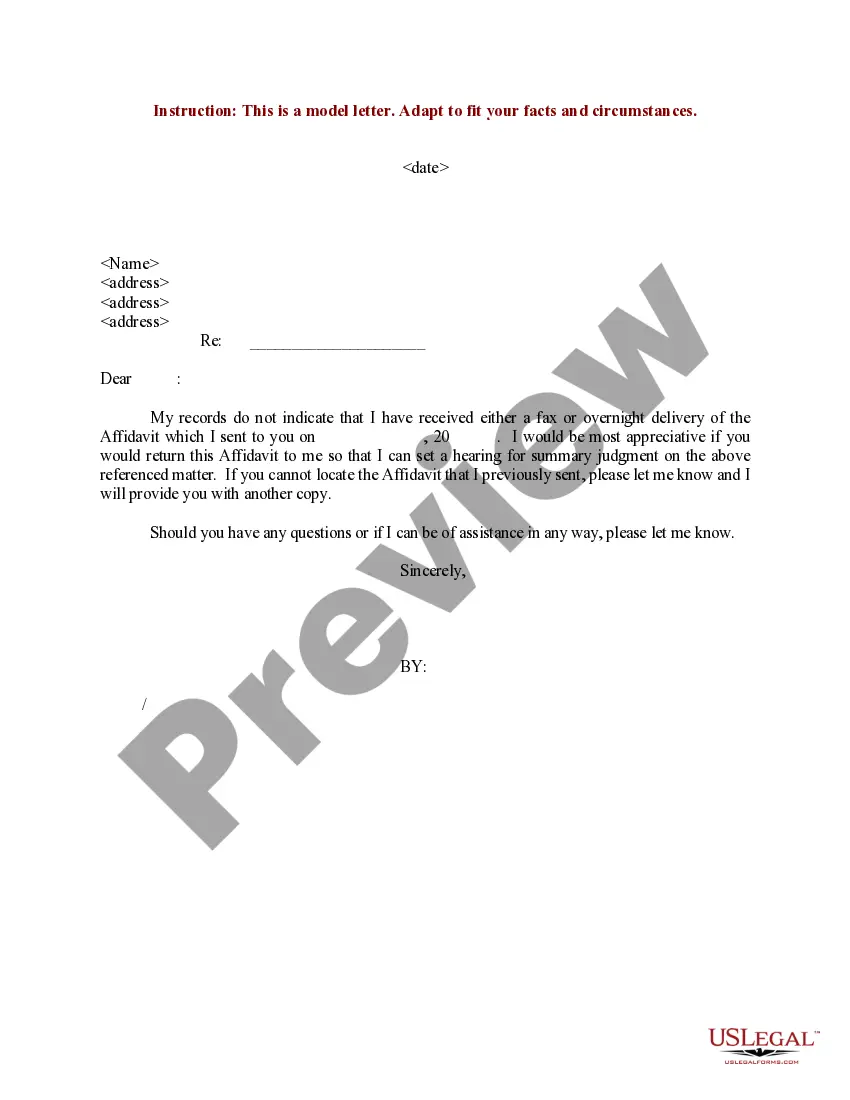
Sample Letter Return To Work In Mecklenburg
Description
Get your form ready online
Our built-in tools help you complete, sign, share, and store your documents in one place.
Make edits, fill in missing information, and update formatting in US Legal Forms—just like you would in MS Word.
Download a copy, print it, send it by email, or mail it via USPS—whatever works best for your next step.
Sign and collect signatures with our SignNow integration. Send to multiple recipients, set reminders, and more. Go Premium to unlock E-Sign.
If this form requires notarization, complete it online through a secure video call—no need to meet a notary in person or wait for an appointment.
We protect your documents and personal data by following strict security and privacy standards.

Make edits, fill in missing information, and update formatting in US Legal Forms—just like you would in MS Word.

Download a copy, print it, send it by email, or mail it via USPS—whatever works best for your next step.

Sign and collect signatures with our SignNow integration. Send to multiple recipients, set reminders, and more. Go Premium to unlock E-Sign.

If this form requires notarization, complete it online through a secure video call—no need to meet a notary in person or wait for an appointment.

We protect your documents and personal data by following strict security and privacy standards.
Looking for another form?


Form popularity
FAQ
I am writing to confirm my return to work on insert return date following my extended leave for travel. I am looking forward to reconnecting with the team and resuming my responsibilities as job title. I appreciate the opportunity to take this leave, and I am eager to bring a renewed perspective to my work.
Express your intention to return: Assure your boss that you plan to be back at work as scheduled, unless there are any changes. You can mention, ``I hope to be in tomorrow as planned. If anything changes, I will contact you immediately'' (1).
``I'm glad to be back and ready to resume my duties. I had a refreshing break and am looking forward to getting back to work. Please let me know if there are any priorities I should focus on first.''
My departure had nothing to do with your company, but with perceived opportunity. I have realized that was a mistake. Therefore, I humbly request that I be allowed to resume my duties and responsibilities with Company A. I am available to start immediately and would be grateful for that opportunity.
How to write a return to work letter Address the letter to the correct person and department. Thank them for authorizing your work leave. Attach the proper documentation. State how you plan to catch up. Close with a thank you.
A formal return to office work letter should provide comprehensive and clear details about your return, such as: The date, time, and location where you're expected to report back to the office. Documentation or materials you need to bring, if any.
Dear Manager's Name, I hope this message finds you well. I am writing to notify you of my intention to return to work following my illness/injury/personal leave. My leave commenced on start date, and I am pleased to inform you that my healthcare provider has cleared me to resume my duties.
In this case the preposition 'to' implies movement. So you could say 'I'm going back to work', but not 'I'm going back at work'. More colloquially you would be likely to hear someone say: "Next week, I'm back at work'.