Letter Offer Form Withdraw In Santa Clara
Description
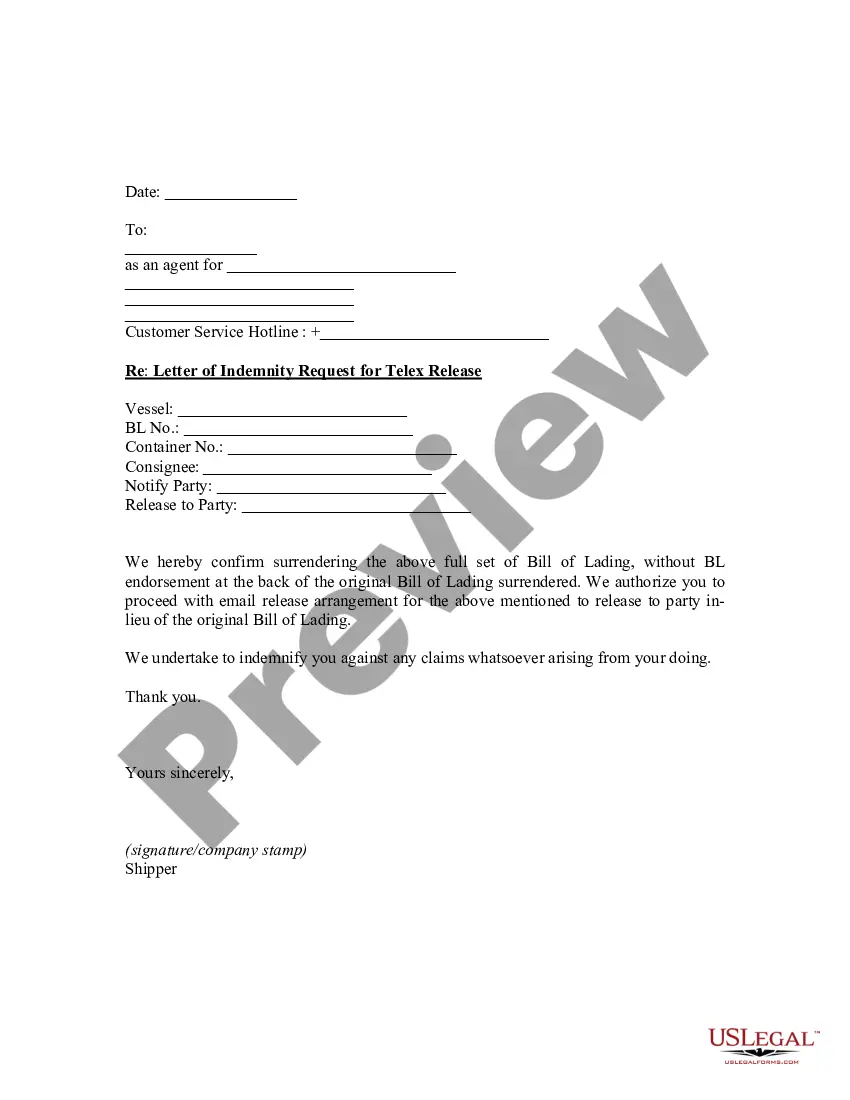
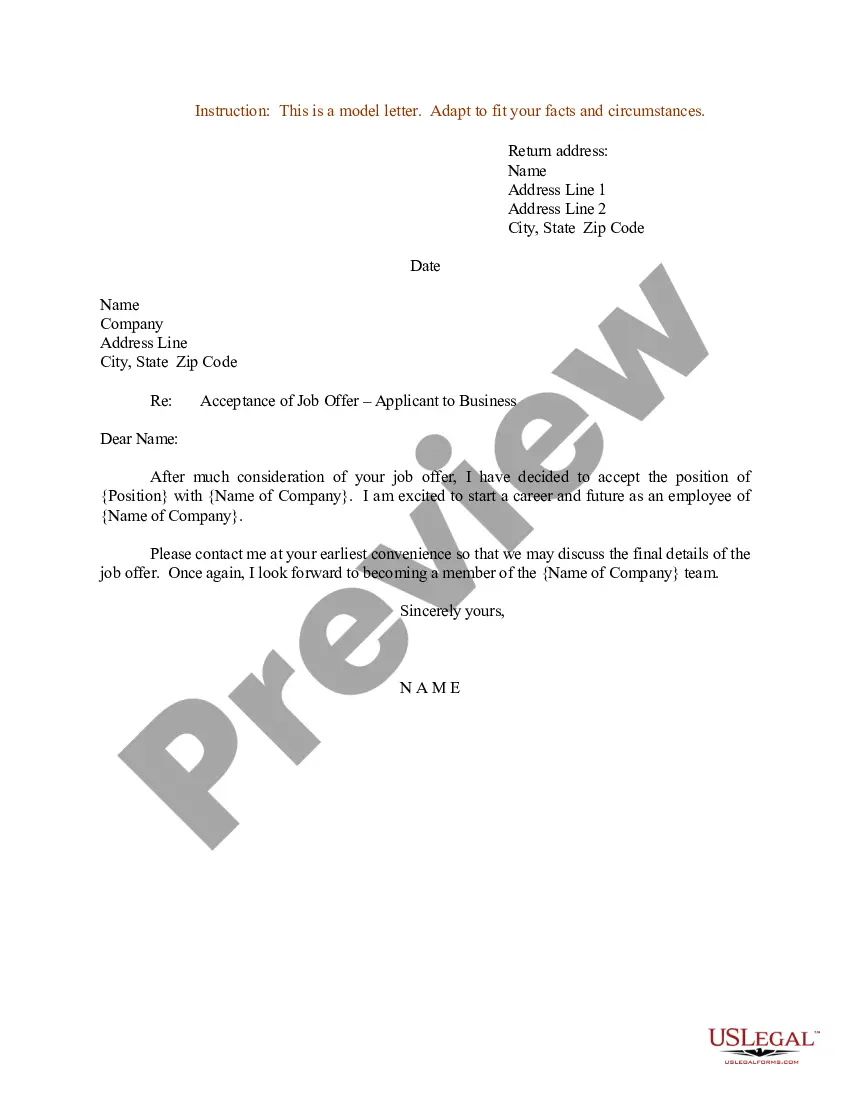
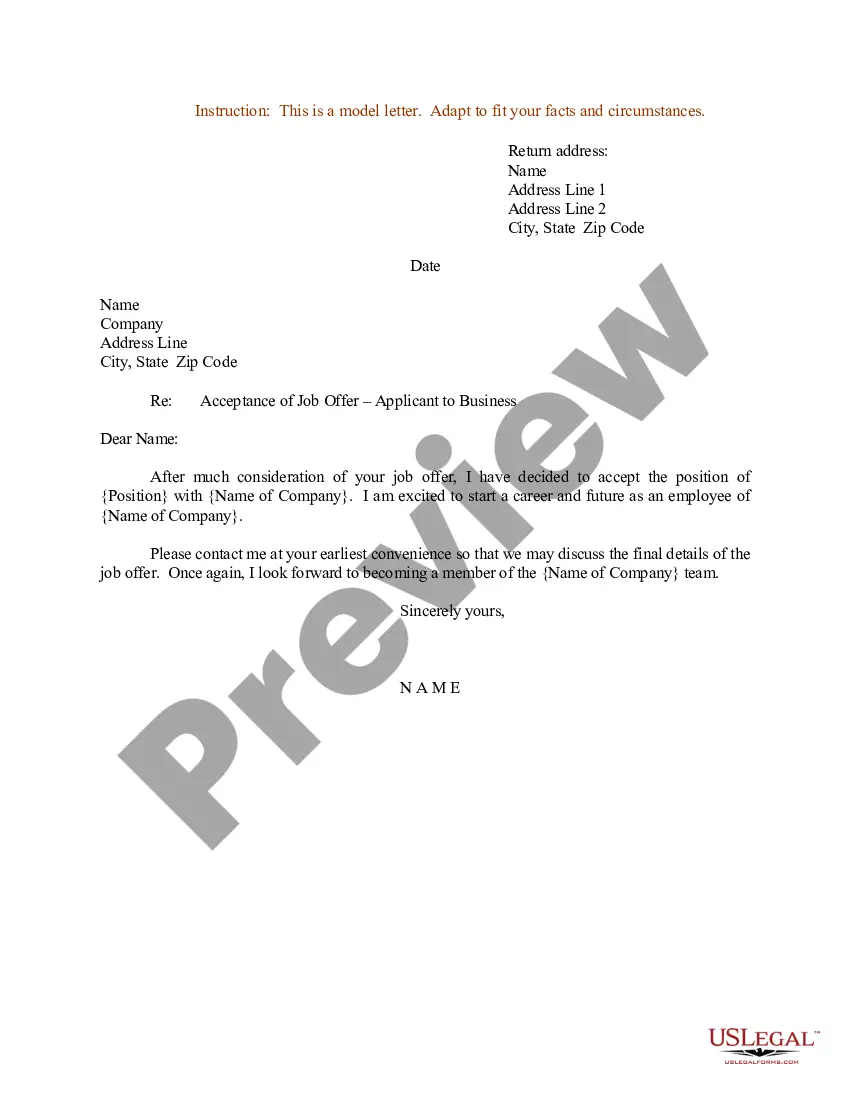
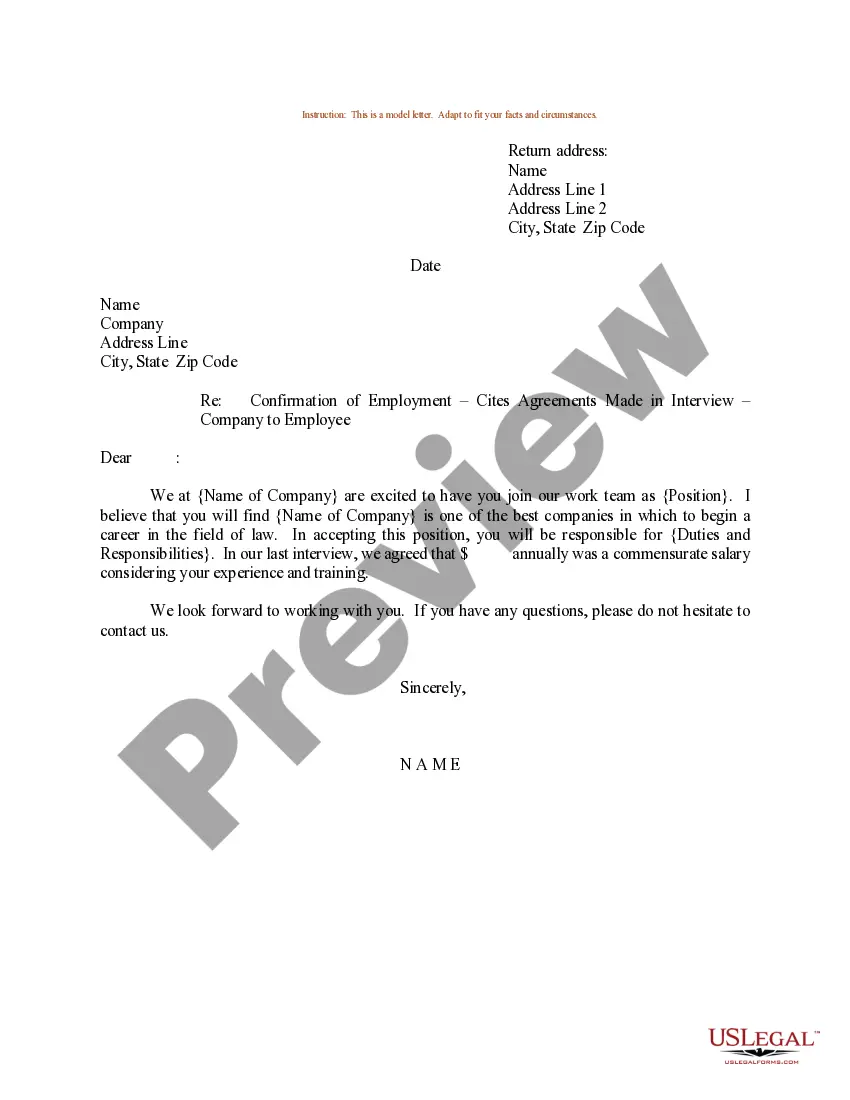
Get your form ready online
Our built-in tools help you complete, sign, share, and store your documents in one place.
Make edits, fill in missing information, and update formatting in US Legal Forms—just like you would in MS Word.
Download a copy, print it, send it by email, or mail it via USPS—whatever works best for your next step.
Sign and collect signatures with our SignNow integration. Send to multiple recipients, set reminders, and more. Go Premium to unlock E-Sign.
If this form requires notarization, complete it online through a secure video call—no need to meet a notary in person or wait for an appointment.
We protect your documents and personal data by following strict security and privacy standards.

Make edits, fill in missing information, and update formatting in US Legal Forms—just like you would in MS Word.

Download a copy, print it, send it by email, or mail it via USPS—whatever works best for your next step.

Sign and collect signatures with our SignNow integration. Send to multiple recipients, set reminders, and more. Go Premium to unlock E-Sign.

If this form requires notarization, complete it online through a secure video call—no need to meet a notary in person or wait for an appointment.

We protect your documents and personal data by following strict security and privacy standards.
Looking for another form?








Form popularity
FAQ
When writing a withdrawal letter, aim to inform the employer immediately, be clear and honest about your reasons, thank the hiring manager for their time, include your contact details, and express interest in possible future opportunities if applicable.
I/ We _______________________hereby agree to withdraw my/ our claim(s) and discharge the Insurers and/ or their agents from all of my/ our claims, present or future, in connection with or in any way arising out of an occurrence at __________________________________________ ...
We are writing to inform you that we are withdrawing the offer of employment made to you on job offer date for the position of job role at company name. We have carefully considered this and we do not take the decision lightly. Ultimately, we are rescinding the offer due to reason for offer withdrawal.
Dear (Official's Name): We are writing to inform you that our child(ren), (Child(ren)'s Name(s)), is/are withdrawing from (School Name) and will not complete the current school year. He/she/they will instead be attending a private school for the remainder of this school year.
Be Honest but Respectful: You don't need to provide excessive details about your situation, but you should be honest about your reasons for withdrawal. Keep It Professional: Use a formal tone and structure. Express Gratitude: Thank the school for the support and opportunities you've received.
Put your decision in writing The letter should state that the job offer was at will, not a contract. Use polite and professional language no matter the reason for rescinding your offer. Related: What Does It Mean To Be Professional?
Dear Contact Name, I want to thank you for your time and offer to join the Department Name team at Company Name. I regret to inform you that after further consideration, I will have to withdraw my acceptance for the role of Position Title with the company.
Tells the court that you had legal papers in a civil case - other than a summons - delivered to (served on) the other party. Lists the papers that were served and tells who they were served on, where, when, and how they were served, and who served them.
An example of a Proof of Service is a signed declaration from the person who served the documents, stating the name of the person who was served and the date, time, and manner of service. A Proof of Service may also include an affidavit, which is a sworn statement that the documents were properly served.
Tells the court that you had the other party served in person with legal papers. Lists the papers that were served. It also tells when and where the papers were served and who served them.

