Letter Acceptance Template With Formulas In San Jose
Description
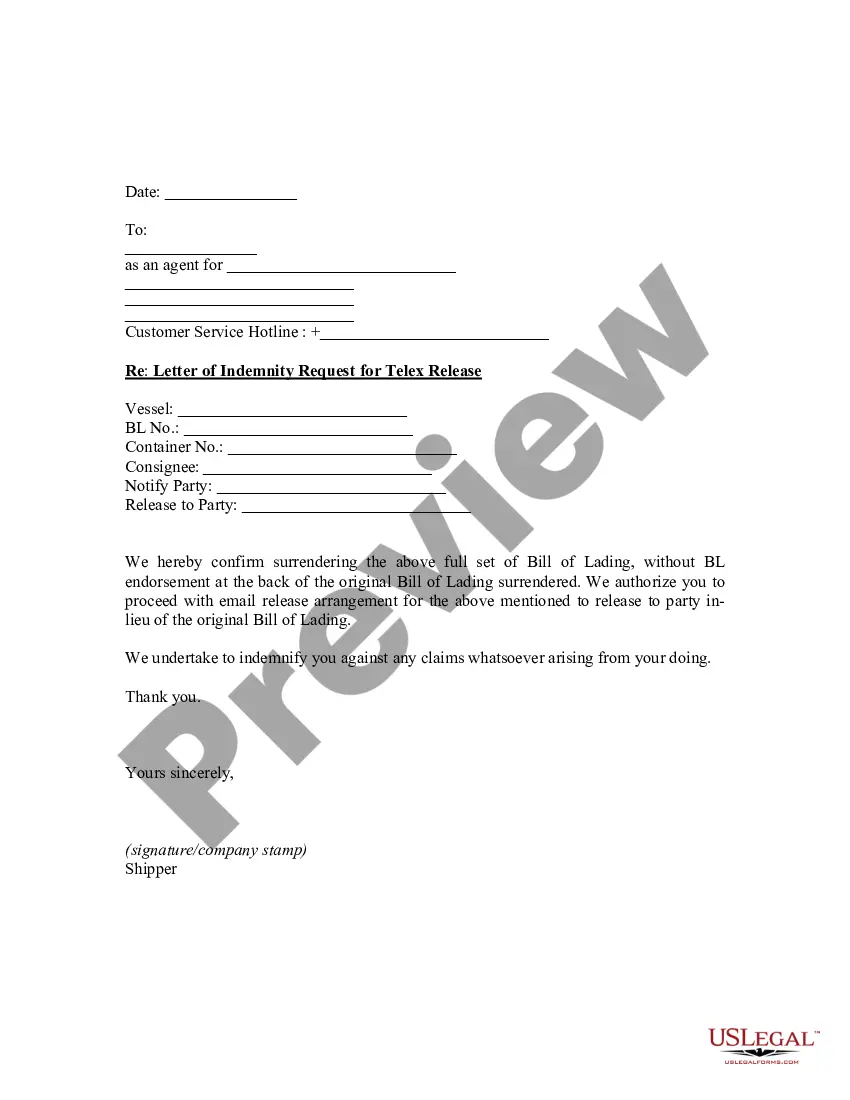
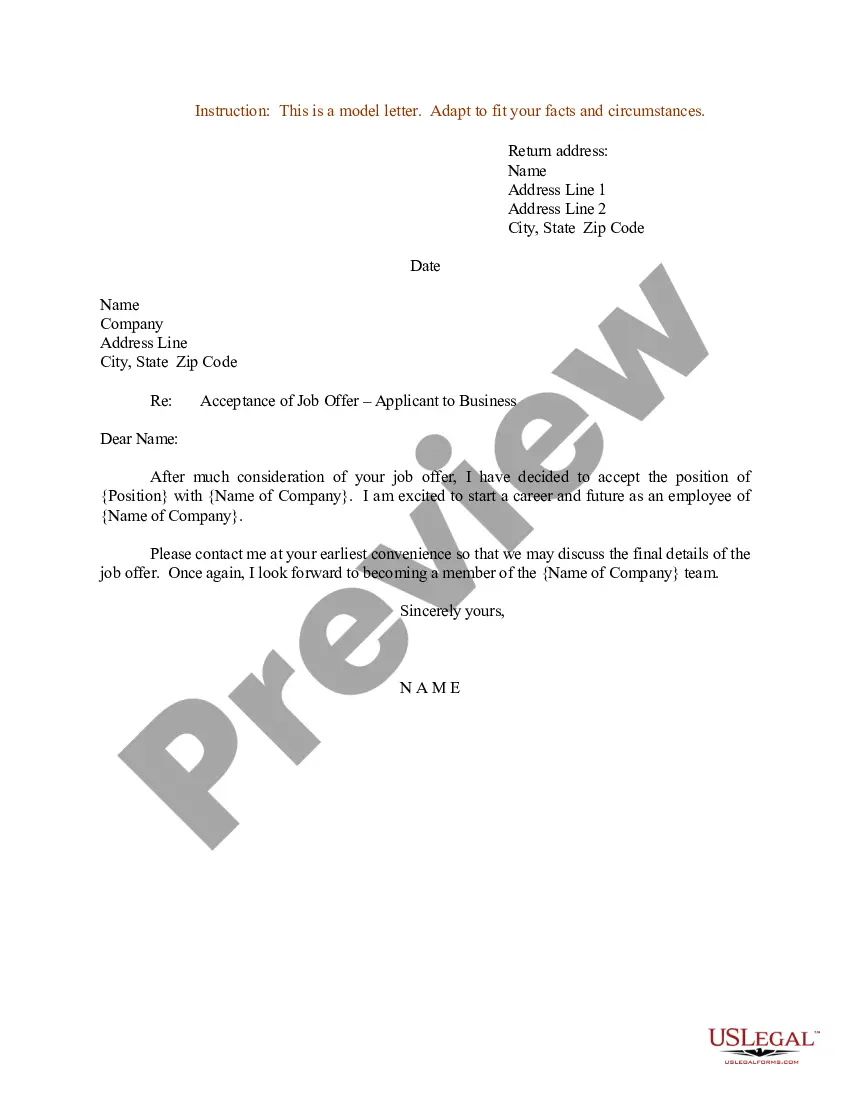
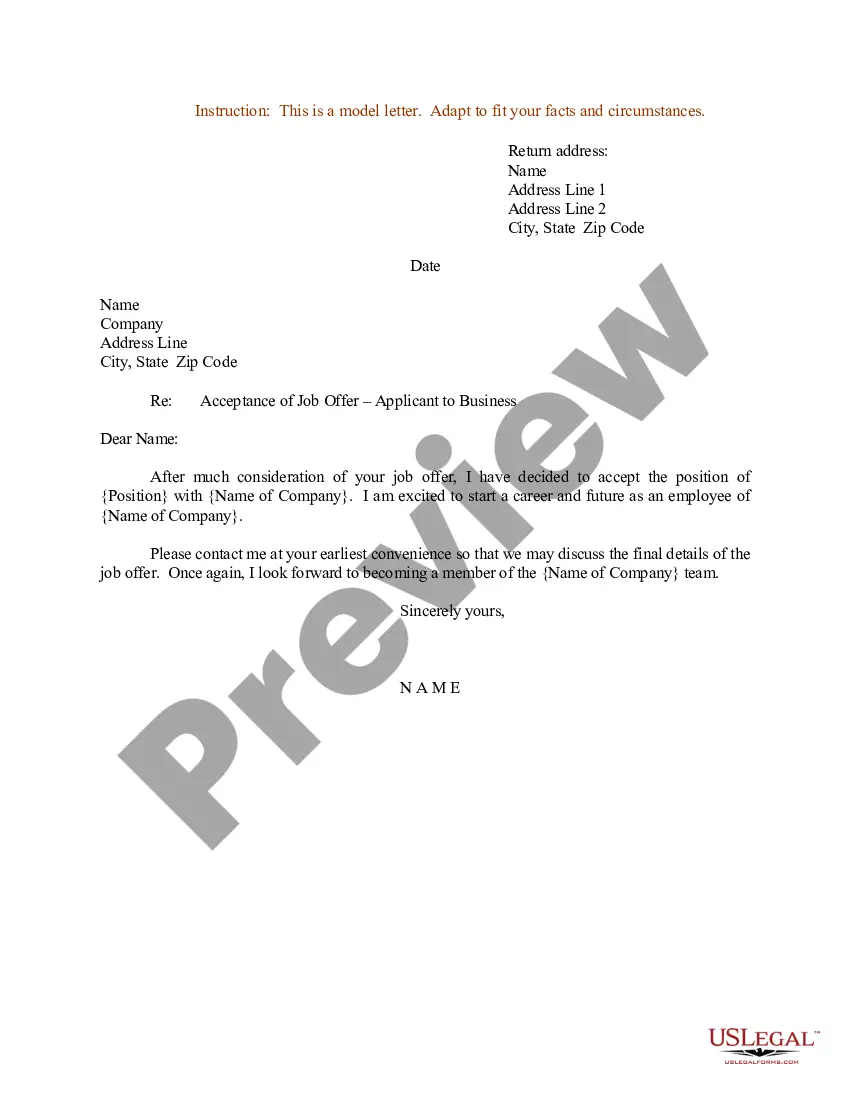
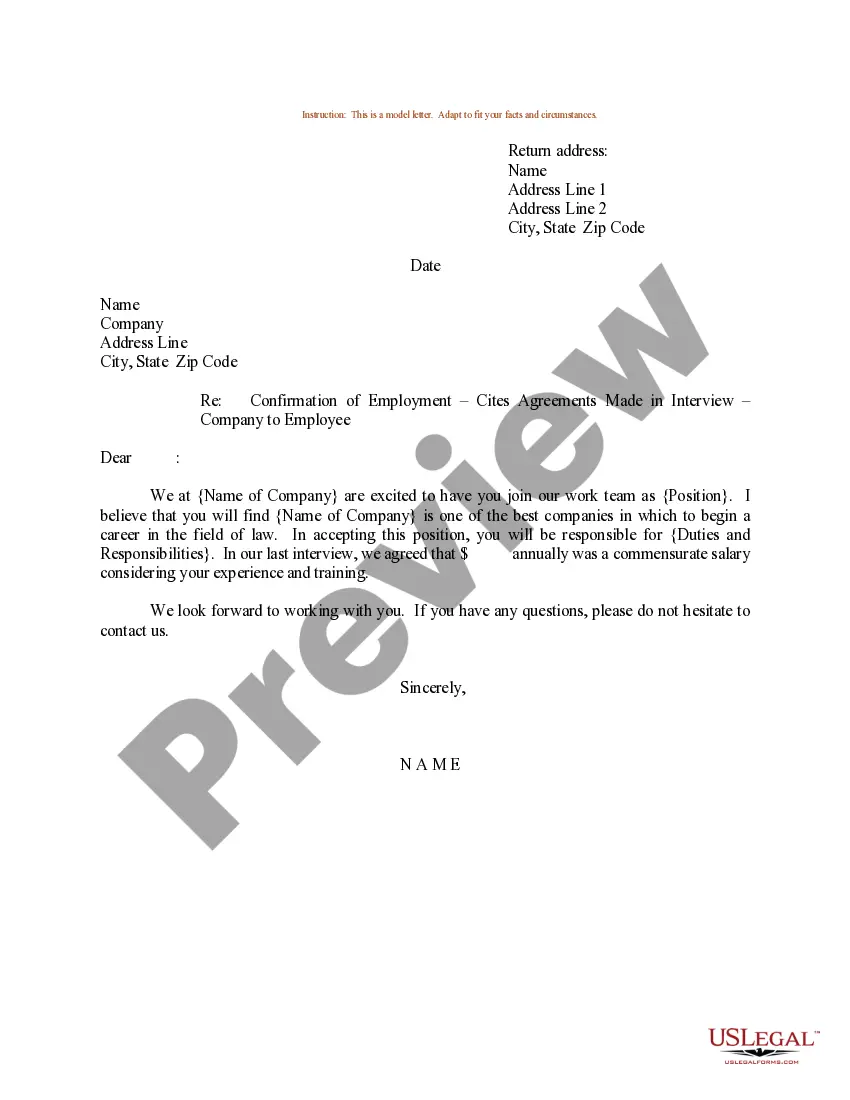
Get your form ready online
Our built-in tools help you complete, sign, share, and store your documents in one place.
Make edits, fill in missing information, and update formatting in US Legal Forms—just like you would in MS Word.
Download a copy, print it, send it by email, or mail it via USPS—whatever works best for your next step.
Sign and collect signatures with our SignNow integration. Send to multiple recipients, set reminders, and more. Go Premium to unlock E-Sign.
If this form requires notarization, complete it online through a secure video call—no need to meet a notary in person or wait for an appointment.
We protect your documents and personal data by following strict security and privacy standards.

Make edits, fill in missing information, and update formatting in US Legal Forms—just like you would in MS Word.

Download a copy, print it, send it by email, or mail it via USPS—whatever works best for your next step.

Sign and collect signatures with our SignNow integration. Send to multiple recipients, set reminders, and more. Go Premium to unlock E-Sign.

If this form requires notarization, complete it online through a secure video call—no need to meet a notary in person or wait for an appointment.

We protect your documents and personal data by following strict security and privacy standards.
Looking for another form?









Form popularity
FAQ
Here are six steps to help you learn how to write a job acceptance letter. Address the letter to the recruiter or employer. Express gratitude for the offer. Provide written acceptance of the offer. Confirm any terms. Add your signature. Send to the recruiter or employer.
A conditional offer is therefore a provisional one only. You are required to fulfil all conditions in the offer letter before the offer can be updated to an "unconditional" one, and before you can formally accept the offer.
How To Write An Offer Letter Acceptance Email Review your job offer. Read your job offer carefully. Start drafting your email. Write a concise subject line. Address your email to the right person. Express gratitude. Make a formal statement of acceptance. Conclude and sign. Format your email.
A conditional acceptance letter indicates that a school is interested in enrolling you as a student but needs you to take further action or provide more information before completing your enrollment.
Some specific information a conditional acceptance letter may contain includes: Your acceptance status. Why your acceptance is conditional. How you can become accepted fully. Deadlines for paperwork and documents. Contact details for admissions.
The letter must include the following important details: Expression of gratitude for the job offer. Clear written acceptance of the job offer. Confirmation of the terms of employment, such as salary, job title and any benefits. Clarification of your start date. Signature.
To constitute a legally binding contract, certain elements must be fulfilled. These elements generally include: Offer: One party makes a clear and specific proposal. Acceptance: The other party agrees to the terms of the offer, such as by signing the agreement.
A college acceptance letter is a document that a college or university issues when you have applied and successfully secured admission to study a particular tertiary programme - whether that be a Bachelor's or Master's degree.
It's in the name – an acceptance letter is a type of professional letter used to formally respond to offers or requests. Most commonly, they're used to accept job offers, but they could also be used to accept an award, event invitation, or even a school placement. They're more than a formal way to say “yes”, though.
