Sample Letter Acceptance Job Offer With Vacation Time In Orange
Description
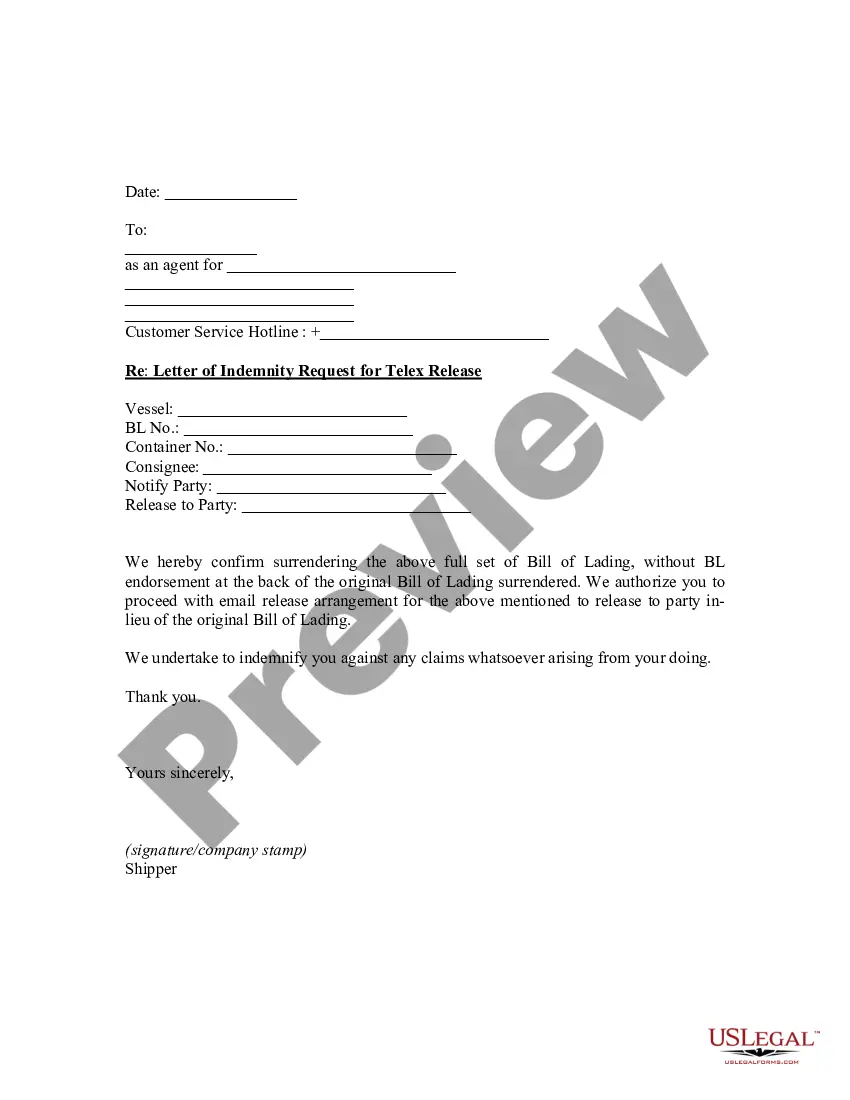
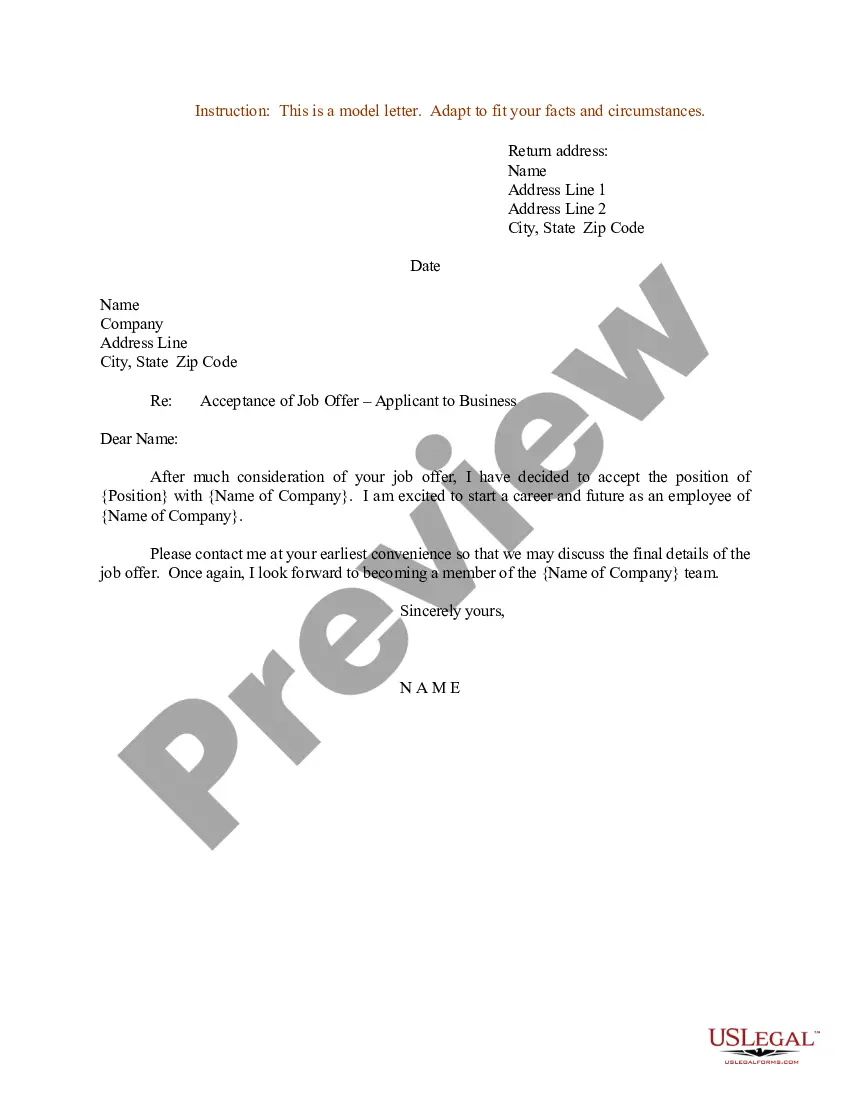
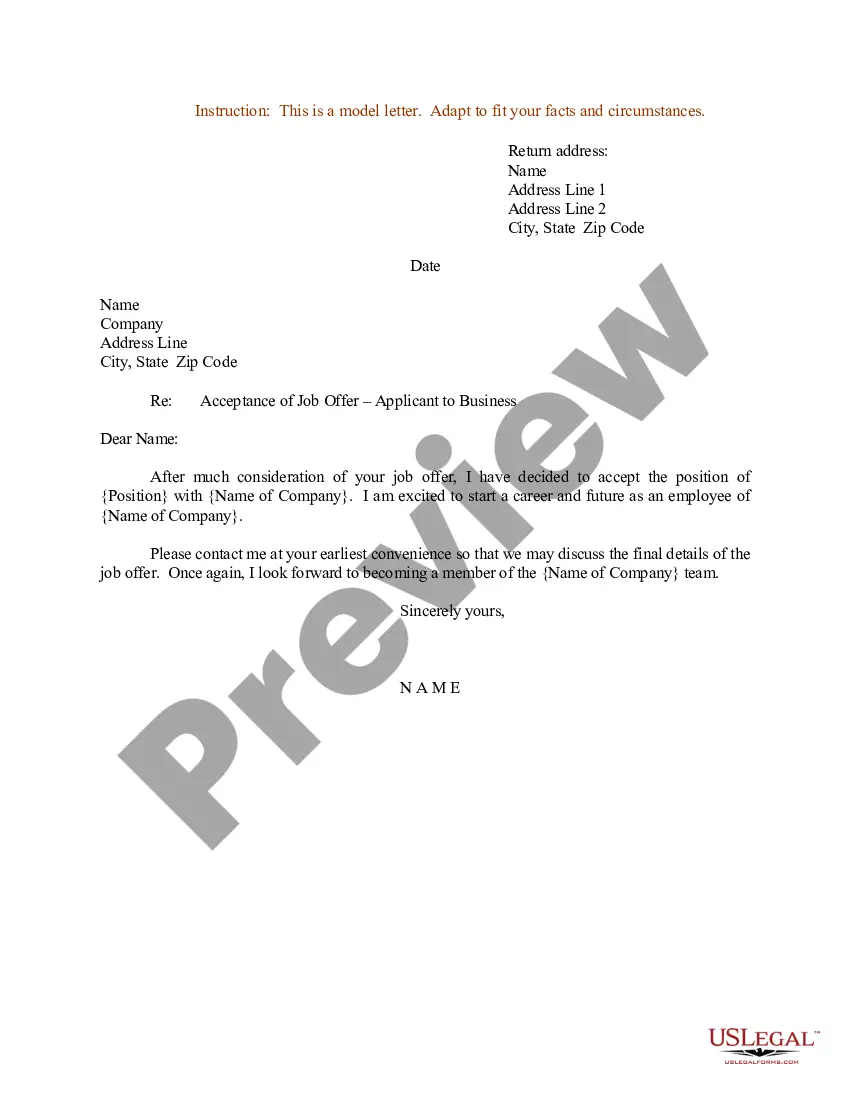
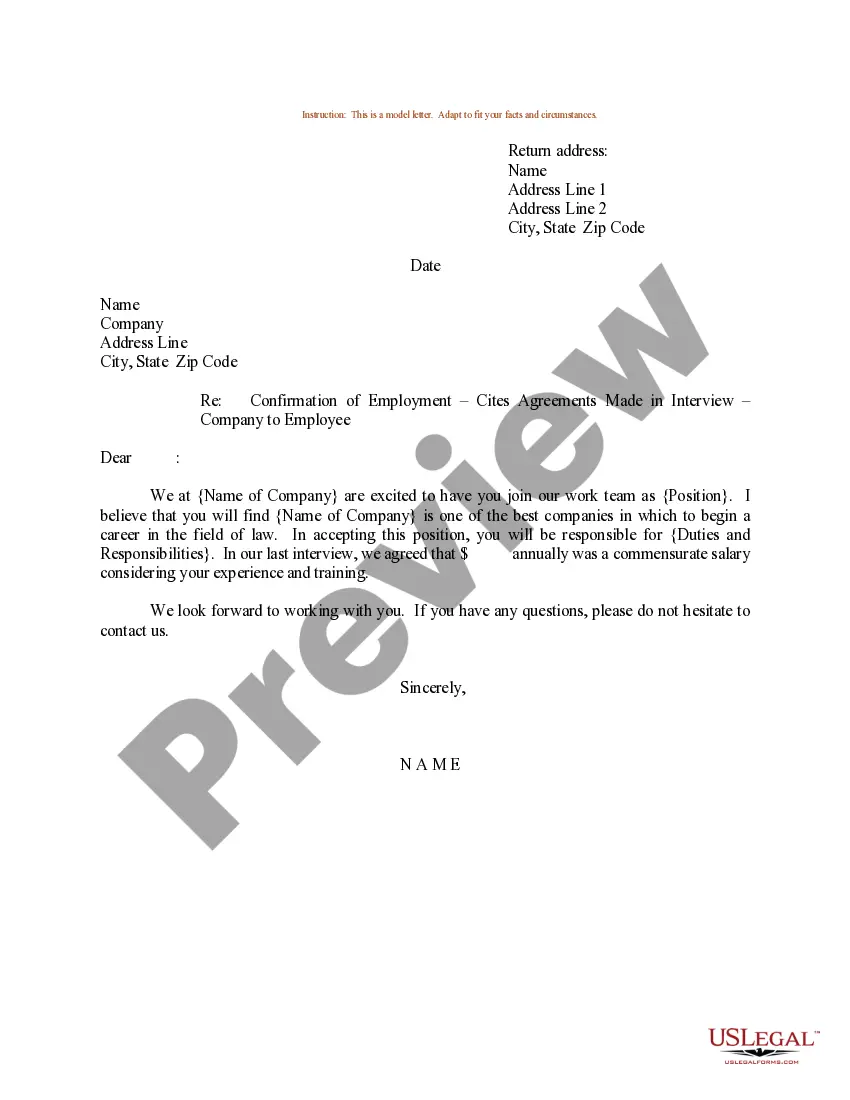
Get your form ready online
Our built-in tools help you complete, sign, share, and store your documents in one place.
Make edits, fill in missing information, and update formatting in US Legal Forms—just like you would in MS Word.
Download a copy, print it, send it by email, or mail it via USPS—whatever works best for your next step.
Sign and collect signatures with our SignNow integration. Send to multiple recipients, set reminders, and more. Go Premium to unlock E-Sign.
If this form requires notarization, complete it online through a secure video call—no need to meet a notary in person or wait for an appointment.
We protect your documents and personal data by following strict security and privacy standards.

Make edits, fill in missing information, and update formatting in US Legal Forms—just like you would in MS Word.

Download a copy, print it, send it by email, or mail it via USPS—whatever works best for your next step.

Sign and collect signatures with our SignNow integration. Send to multiple recipients, set reminders, and more. Go Premium to unlock E-Sign.

If this form requires notarization, complete it online through a secure video call—no need to meet a notary in person or wait for an appointment.

We protect your documents and personal data by following strict security and privacy standards.
Looking for another form?








Form popularity
FAQ
Thank you for offering me the Position Title at Company Name. I accept your offer and look forward to joining the team on Start Date. I would appreciate clarification on details regarding salary, benefits, etc.
How to write a letter of acceptance Address the letter to the recruiter. Express your gratitude for the offer. Confirm the terms of employment. Format your letter appropriately. Proofread your letter. Send your letter and follow up with the recruiter.
What is included in an offer letter? A job offer letter provides an overview of the job position and company as well as specific job details such as the start rate, remuneration, work schedule, benefits, and more.
An offer letter outlines employment terms, including company name, job position, responsibilities, salary details and employment tenure. It should also include information on leave and termination policies, joining document requirements, and company-provided benefits to enhance transparency.
EVERYTHING in terms of compensation should always be spelled out in the offer letter, including salary, vacation, equity, vesting schedule, benefits, etc.
Once you're at the stage where an offer is being made, just be honest about it. ``I do want to let you know that I have trips planned already for (date) and (date) so please let me know if that will cause any issue.'' (Side note: if it causes any issue, that's the sign of a bad employer.)
DON'T include: Language that makes the letter sound like a contract. A place for the employee to sign the letter, which also makes it seem like a contract. Language that implies job security or longevity, such as “You'll be able to grow here” or “You will enjoy a long career here.”
Thank you for offering me the Position Title at Company Name. I accept your offer and look forward to joining the team on Start Date. I would appreciate clarification on details regarding salary, benefits, etc.

