Sample Job Offer Letter For Canada Immigration In Montgomery
Description
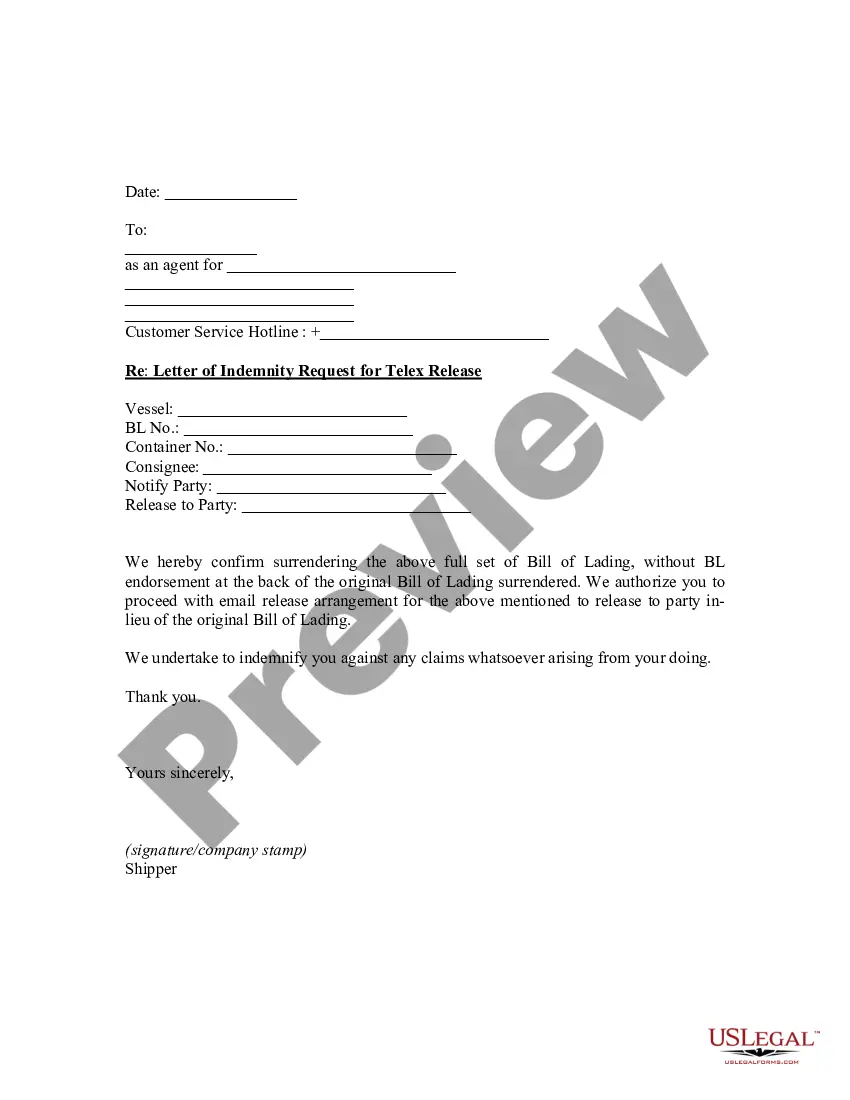
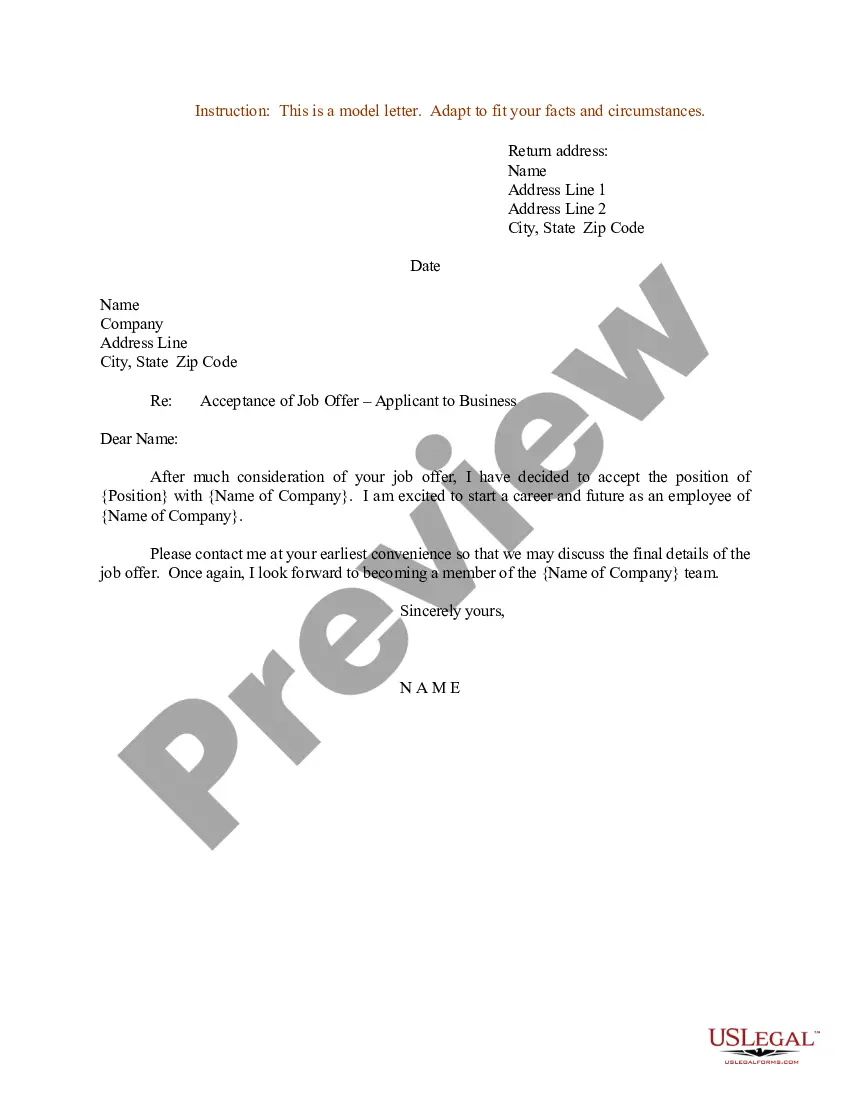
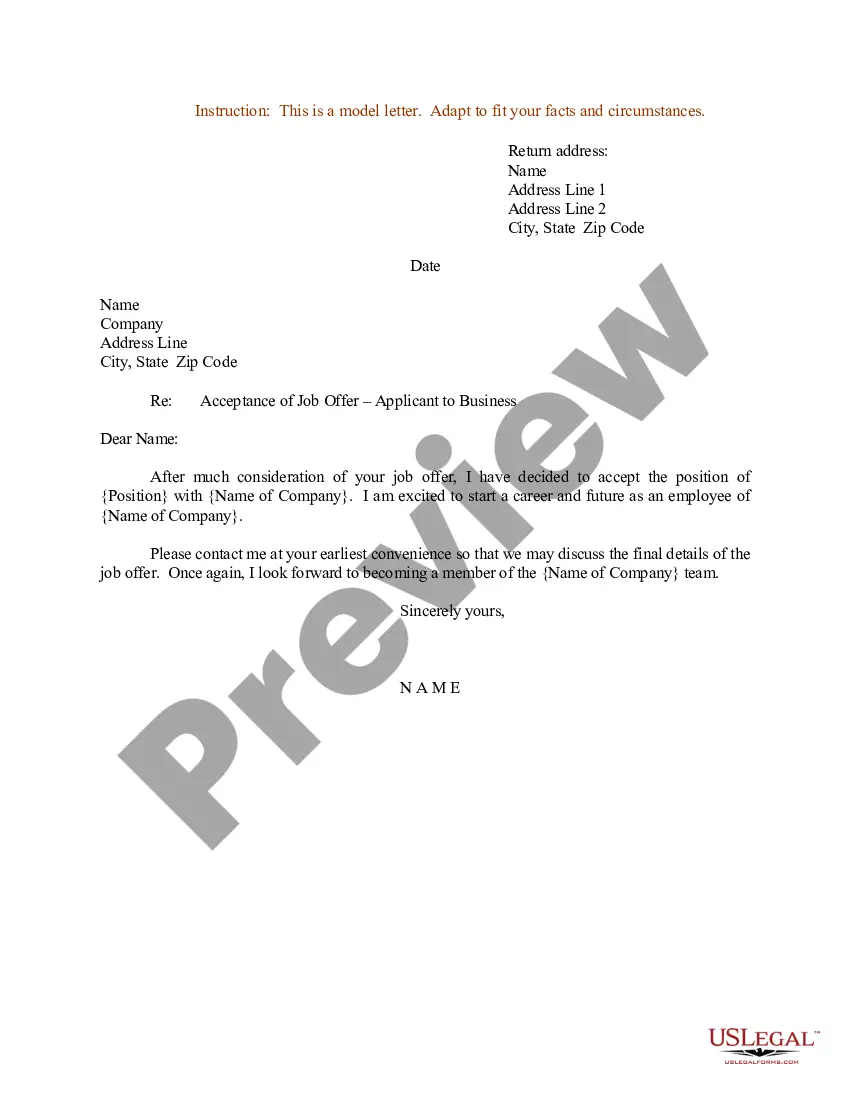
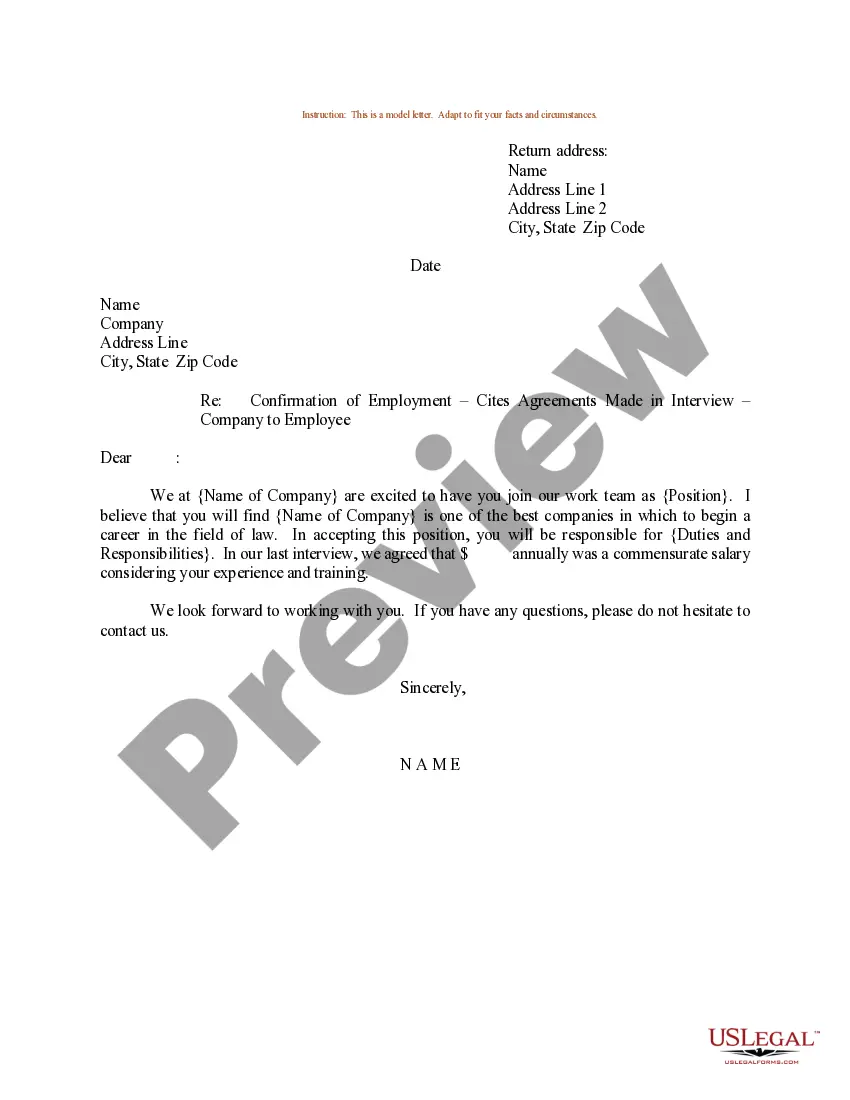
Get your form ready online
Our built-in tools help you complete, sign, share, and store your documents in one place.
Make edits, fill in missing information, and update formatting in US Legal Forms—just like you would in MS Word.
Download a copy, print it, send it by email, or mail it via USPS—whatever works best for your next step.
Sign and collect signatures with our SignNow integration. Send to multiple recipients, set reminders, and more. Go Premium to unlock E-Sign.
If this form requires notarization, complete it online through a secure video call—no need to meet a notary in person or wait for an appointment.
We protect your documents and personal data by following strict security and privacy standards.

Make edits, fill in missing information, and update formatting in US Legal Forms—just like you would in MS Word.

Download a copy, print it, send it by email, or mail it via USPS—whatever works best for your next step.

Sign and collect signatures with our SignNow integration. Send to multiple recipients, set reminders, and more. Go Premium to unlock E-Sign.

If this form requires notarization, complete it online through a secure video call—no need to meet a notary in person or wait for an appointment.

We protect your documents and personal data by following strict security and privacy standards.
Looking for another form?






Form popularity
FAQ
The letter must include: Your full name. Company contact information (address, telephone number, email address) Name, title and signature of immediate supervisor. All positions held while employed at the company. Job title(s) Main duties/responsibilities (for each position held)
Job offer letters should include details about what the new hire will be doing. The offer letter may talk about what a typical day will be like, the responsibilities of the role, how much the employee might have to travel and the name and job title of the supervisor.
Verify the Job Offer with Canadian Authorities: Contact Employment and Social Development Canada (ESDC) or the Immigration, Refugees, and Citizenship Canada (IRCC) to confirm if the job offer is legitimate, especially if it involves a Labour Market Impact Assessment (LMIA).
Key Characteristics of a Legitimate Job Offer Letter Company Information: A legitimate Canadian job offer letter should include detailed information about the hiring company, including its name, address, and contact details.
If there is no contact information in the sender's email, that could be a red flag. Unless you are dealing with an official Canadian recruitment agency, your job offer letter should come from your employer. Any other communication about your job offers in Canada that comes from an unknown source may be fraudulent.
Your Canada job offer should be written on official company letterhead with contact information, including registration and contact number. It will be verifiable on the internet. Once you get your employment offer letter for Canada on hand, ensure it has the following information.
How to write a Letter of Explanation? Should be short, concise and factual. Only provide truthful and accurate information. Keep it to 1-2 pages. IRCC agents/officers do read the LoE, however if its too long and not on point then it may loose its significance. You DO NOT need an index for your documents.
Employment reference letter format for Canadian immigration Your name. Employer's name. The start and end dates of your employment. Your job title. The job duties you held at the company. The number of hours you worked there per week and whether the job was part-time or full-time. Your annual salary plus benefits.
In the letter it should include the following components: Date of the letter written. Start date of employment. Employee's work status, whether full-time or part-time. Position in the company or title. Description of position/responsibilities. Wages earned (annual salary or hourly wage)

