Job Offer Acceptance Letter With Conditions In Michigan
Description
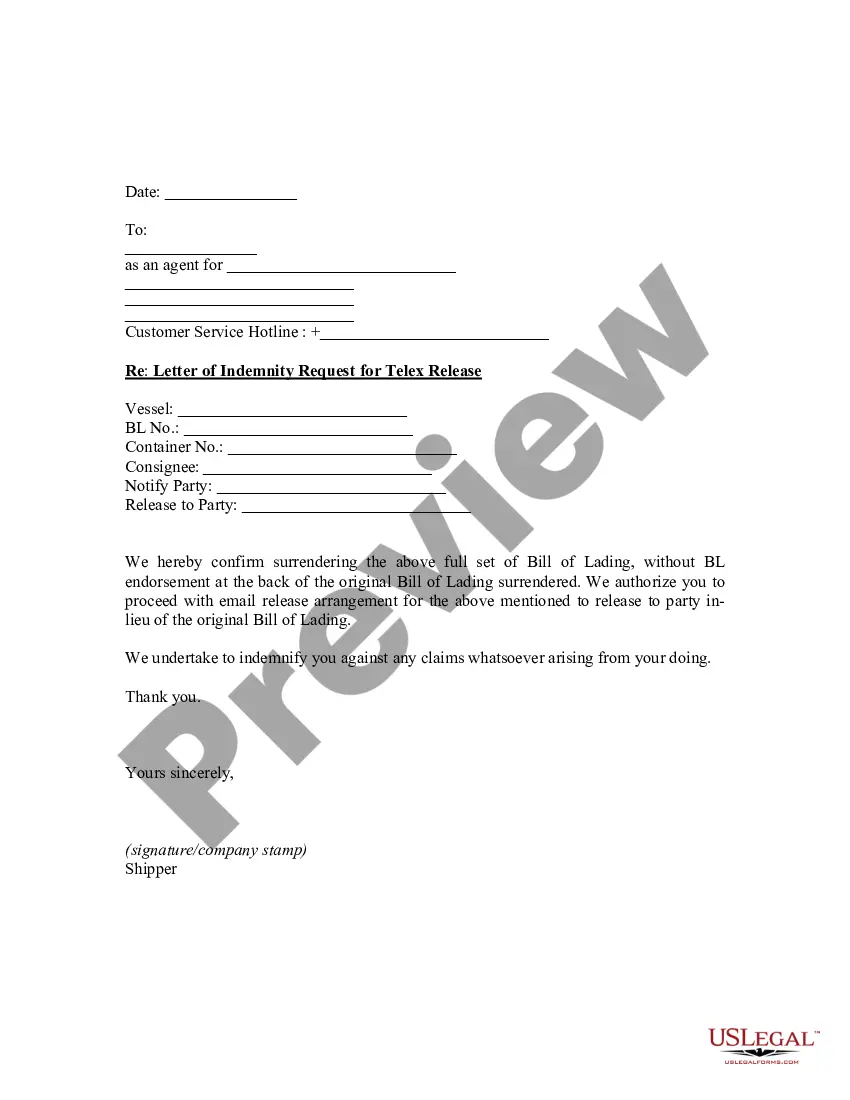
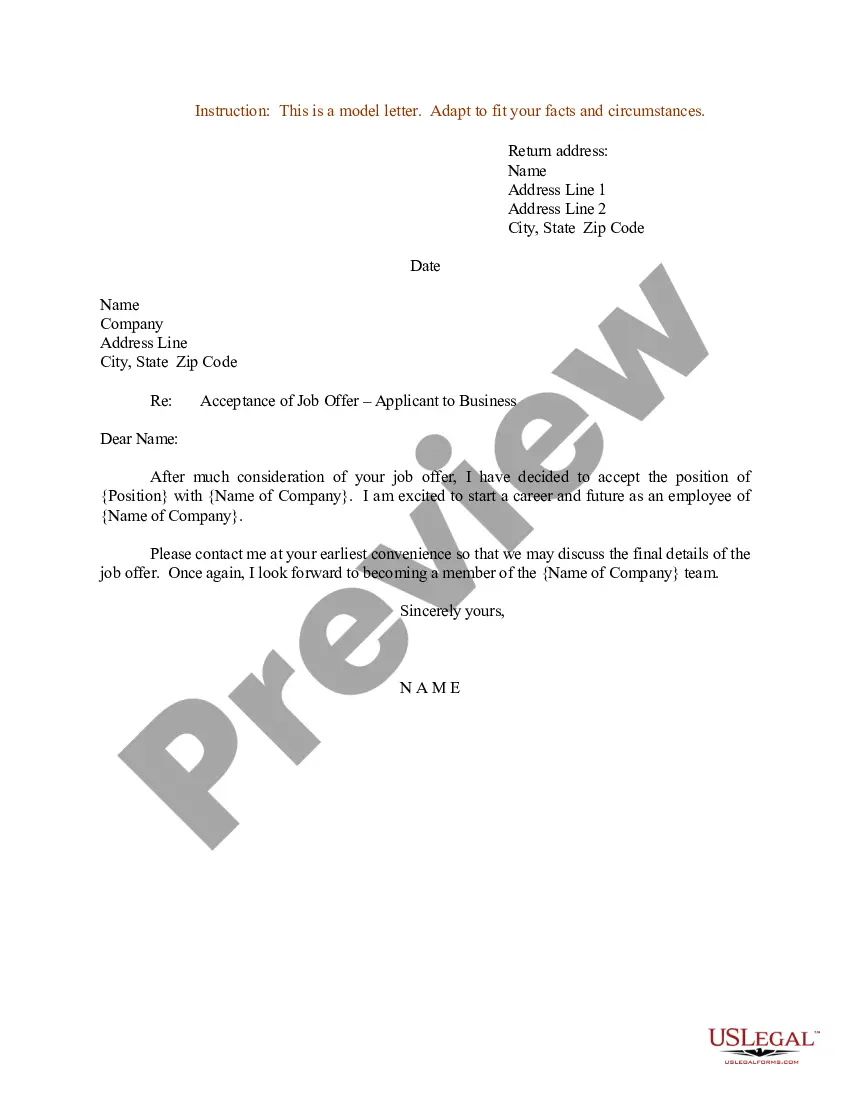
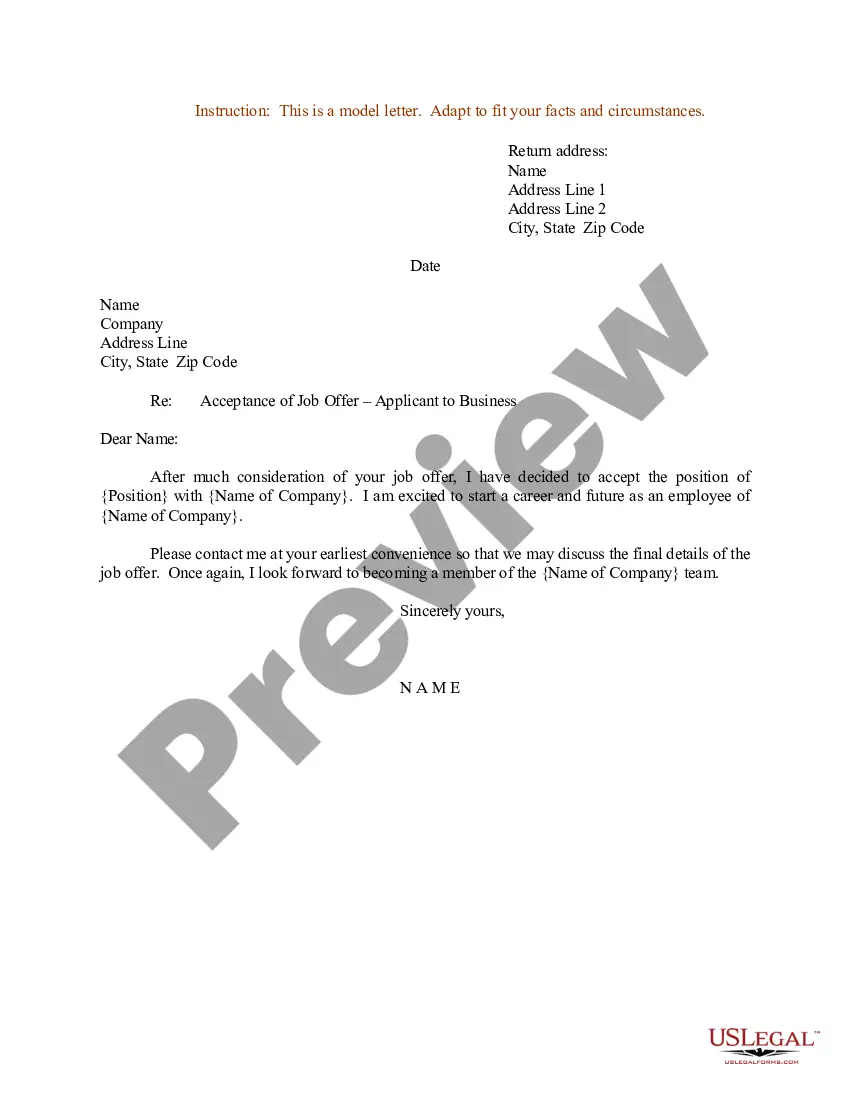
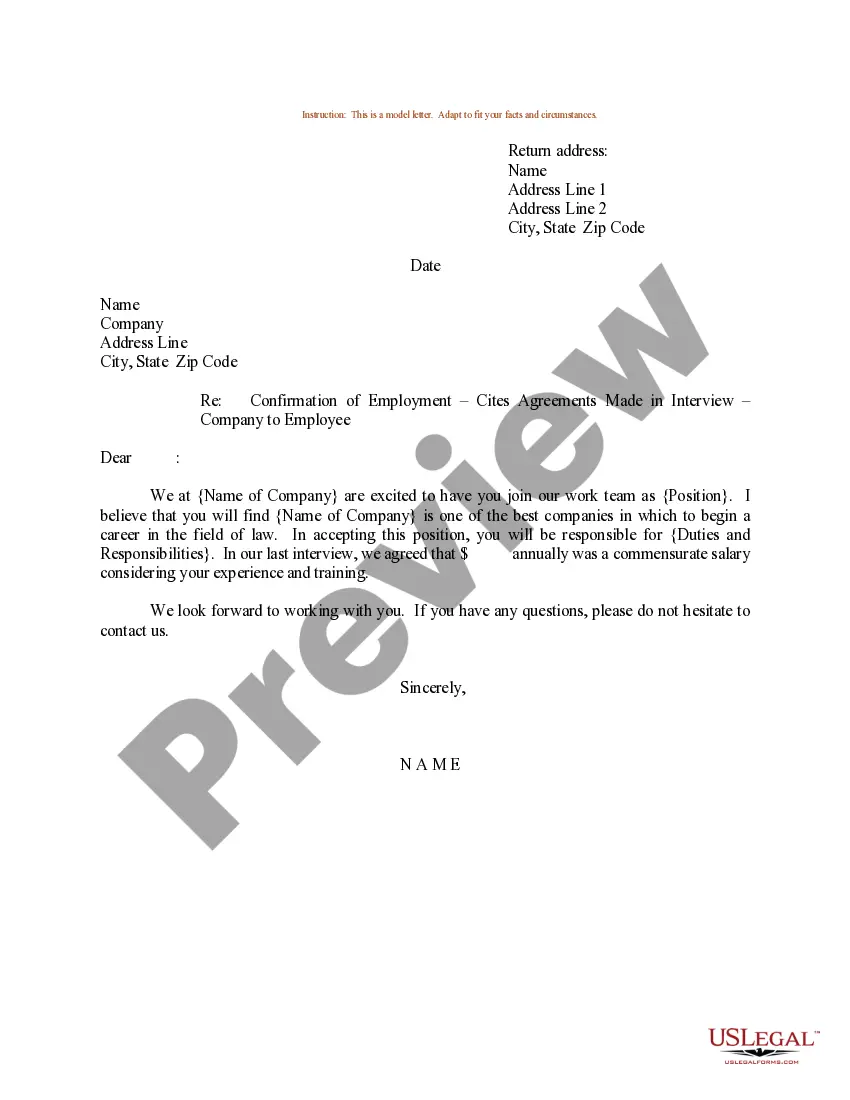
Get your form ready online
Our built-in tools help you complete, sign, share, and store your documents in one place.
Make edits, fill in missing information, and update formatting in US Legal Forms—just like you would in MS Word.
Download a copy, print it, send it by email, or mail it via USPS—whatever works best for your next step.
Sign and collect signatures with our SignNow integration. Send to multiple recipients, set reminders, and more. Go Premium to unlock E-Sign.
If this form requires notarization, complete it online through a secure video call—no need to meet a notary in person or wait for an appointment.
We protect your documents and personal data by following strict security and privacy standards.

Make edits, fill in missing information, and update formatting in US Legal Forms—just like you would in MS Word.

Download a copy, print it, send it by email, or mail it via USPS—whatever works best for your next step.

Sign and collect signatures with our SignNow integration. Send to multiple recipients, set reminders, and more. Go Premium to unlock E-Sign.

If this form requires notarization, complete it online through a secure video call—no need to meet a notary in person or wait for an appointment.

We protect your documents and personal data by following strict security and privacy standards.
Looking for another form?









Form popularity
FAQ
Send a written acceptance or rejection Although most contingent job offers are not legally binding, it's always best to get everything in writing. That way both parties will have a written record of your agreement to refer to if there are any disagreements or miscommunications during the hiring process.
A conditional offer of employment should be written like a traditional job offer, with a full description of the job responsibilities, salary, etc. However, it also lays out conditions that must be met in order for the employee to start work.
A job offer acceptance letter can be fairly brief, but needs to contain the following: An expression of your gratitude for the job offer and the opportunity. Written formal acceptance of the job offer. The terms and conditions (your salary, job title, and any other benefits) Clarification on your starting date.
Include the following: a thank-you for the offer, your written acceptance, the terms and conditions of the offer, including the salary and job title, and the starting date. Keep it professional. Follow the hiring manager's lead in terms of tone and format.
Tips for what to do when you get a contingent job offer Be positive. Receiving a contingent job offer is a good thing because it likely means that an employer is so impressed by your qualifications that they want to secure your employment before completing typical hiring procedures. Thank them for the offer.
Ways to Respond Be clear about what you need to do to meet the conditions and the completion deadline. Watch out for any vague conditions or unrealistic expectations. Ask questions and clarify expectations. If you stumble upon any part of the conditional job offer that is even slightly unclear, don't be afraid to ask.
When you receive a conditional job offer, make sure to acknowledge it by sending a letter to the employer that contacted you. In the letter, thank the employer for the opportunity and let them know when they can expect a decision from you.
Turning down a job offer after you have already accepted it can be an uncomfortable experience. However, as long as you have not signed an employment contract with the company, you are legally allowed to change your mind.

