Sample Acceptance Job With Salary Range In Illinois
Description

Get your form ready online
Our built-in tools help you complete, sign, share, and store your documents in one place.
Make edits, fill in missing information, and update formatting in US Legal Forms—just like you would in MS Word.
Download a copy, print it, send it by email, or mail it via USPS—whatever works best for your next step.
Sign and collect signatures with our SignNow integration. Send to multiple recipients, set reminders, and more. Go Premium to unlock E-Sign.
If this form requires notarization, complete it online through a secure video call—no need to meet a notary in person or wait for an appointment.
We protect your documents and personal data by following strict security and privacy standards.

Make edits, fill in missing information, and update formatting in US Legal Forms—just like you would in MS Word.

Download a copy, print it, send it by email, or mail it via USPS—whatever works best for your next step.

Sign and collect signatures with our SignNow integration. Send to multiple recipients, set reminders, and more. Go Premium to unlock E-Sign.

If this form requires notarization, complete it online through a secure video call—no need to meet a notary in person or wait for an appointment.

We protect your documents and personal data by following strict security and privacy standards.
Looking for another form?



Form popularity
FAQ
How Much Should You Ask for, Given the Salary Range? Assess Your Skills and Experience. Research the Market. Consider the Entire Compensation Package. Start at the Higher End. Be Professional and Express Gratitude. Have Your Research Ready. Highlight Your Value. Submit Your Counteroffer (and Be Prepared for Theirs)
For example: "I'm very excited about this opportunity and would like to discuss compensation further. Based on my research and experience, I believe a salary range of X to Y would be appropriate for this role."
Before I sign the offer, however, I would like to discuss base salary. ing to my research, the average salary for comparable positions in the work location area is in the average salary range. I would like to discuss the possibility of moving the offer closer to proposed salary.
Just say that you're excited for the offer and ask if there's anything they can do to bump up the salary. Don't give a specific number unless you absolutely have to. There's always wiggle room in the first offer because they expect you to negotiate. Don't listen to the people saying it's too late now.
``Thanks so much for the offer--I'm excited about getting started with you! I would like to discuss the offered salary, though. If you could increase the amount by $X. xx I'll accept it immediately and we can begin plans for my first day!''
“Thank you for asking. I feel that an annual salary between $67,000 and $72,000 is in line with the industry average and reflects my skills and experience level well. I am, however, flexible and open to hearing about the company's compensation expectations for this position.”
Negotiate politely. Explain that while you are excited about the opportunity, the salary is lower than you had expected based on your research and experience. Propose a salary figure that you believe is more in line with the market rate and your qualifications. Ask about other benefits.
1. Thank the employer for the offer and express interest in the role. 2. Politely state that the salary offered is lower than expected based on your experience and market research. 3. Propose a higher salary range that you believe is more appropriate. 4. Reiterate your qualifications and enthusiasm for the role. 5.
Dear (Hiring Manager's Name), Thank you for the job offer to join (Company Name) as a (Job Title). I am excited about the prospect of working with your team, however, I was hoping for a compensation package that more closely aligns with my experience and the market rate for this position.
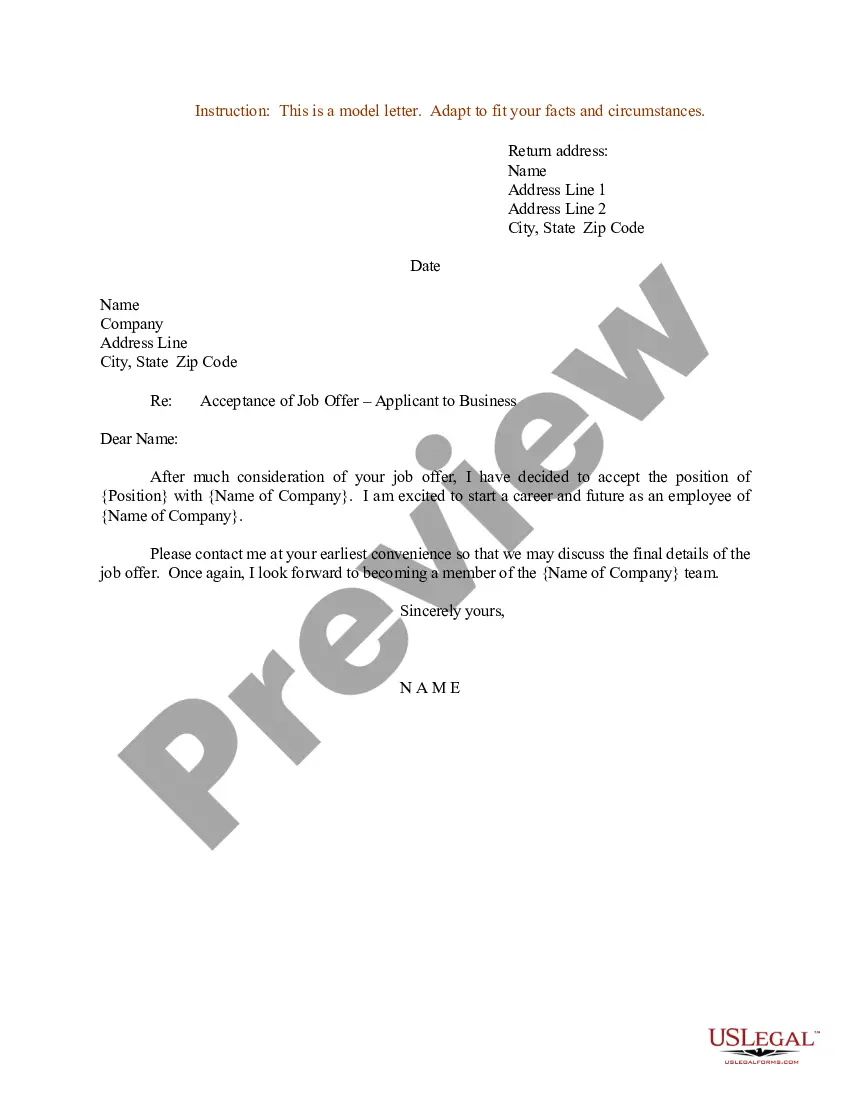
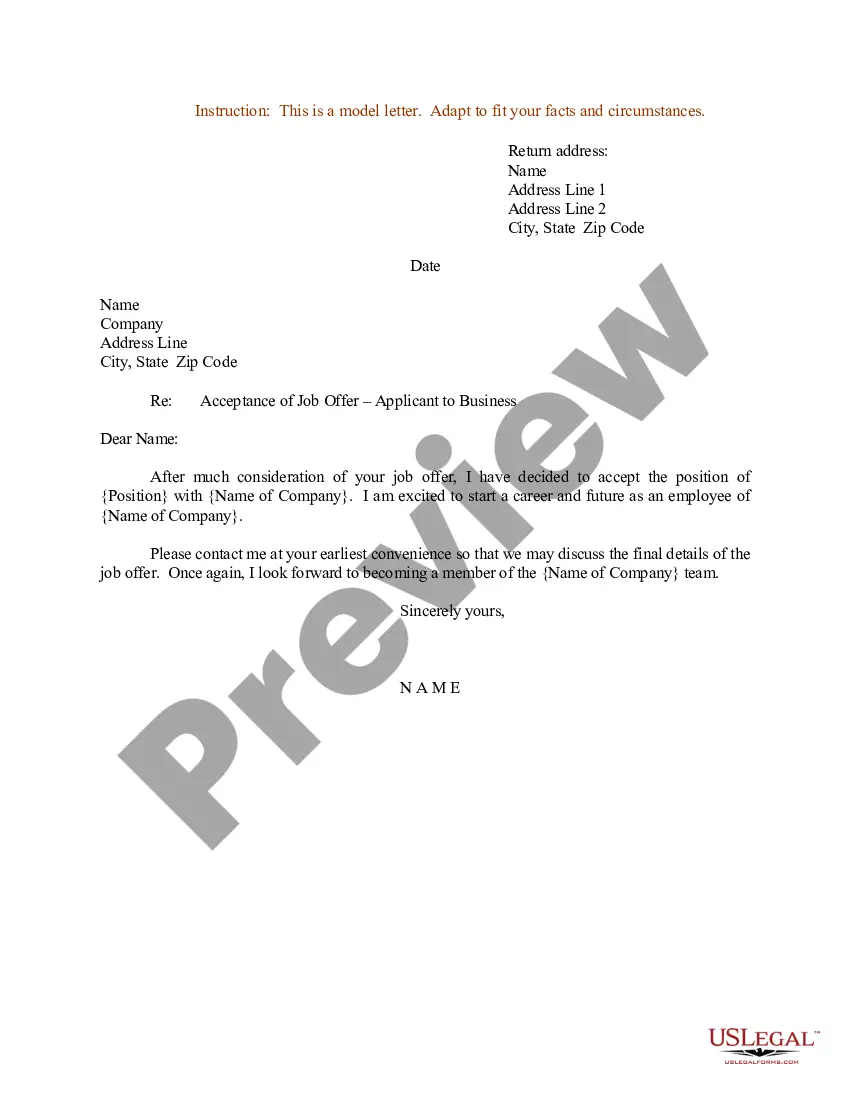
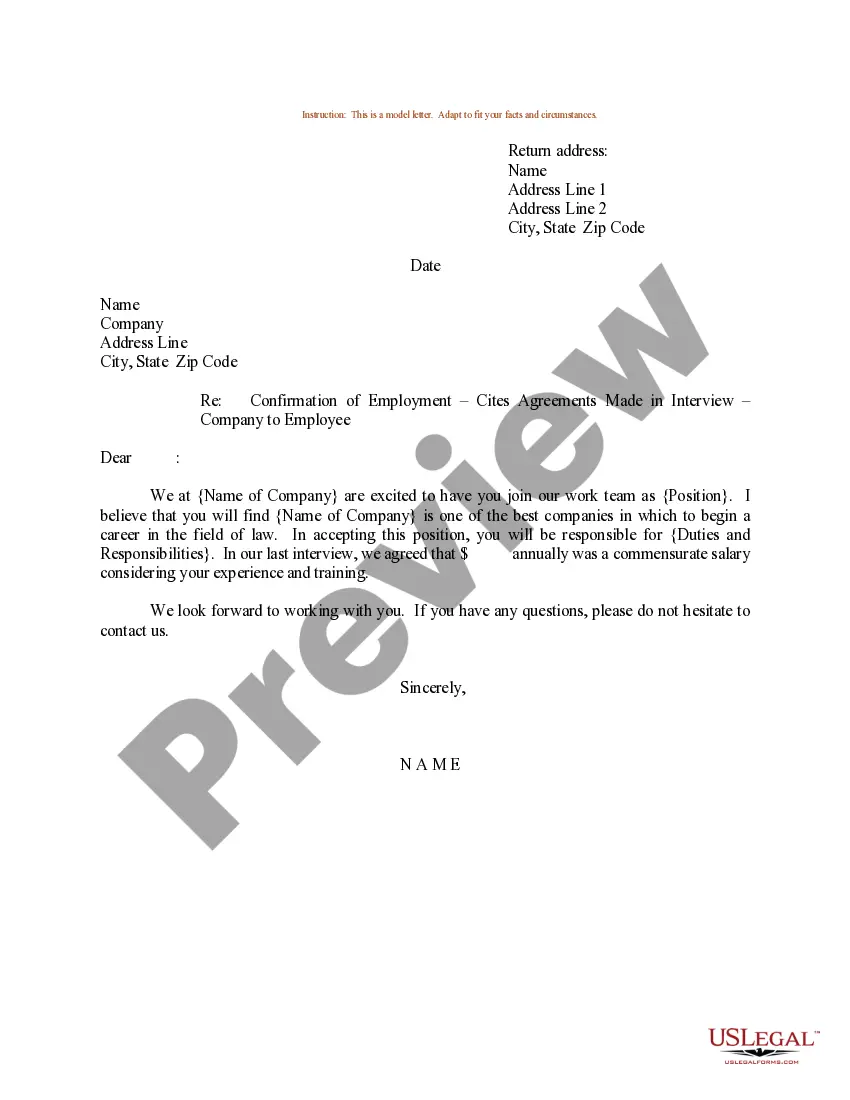
I am delighted to accept your offer and look forward to commencing work with your company from {Date}. As we discussed previously, my annual salary will be {salary} and health and insurance benefits will be provided for me and my family from the second month onwards.

