Acceptance Letter To Employee In Houston
Description
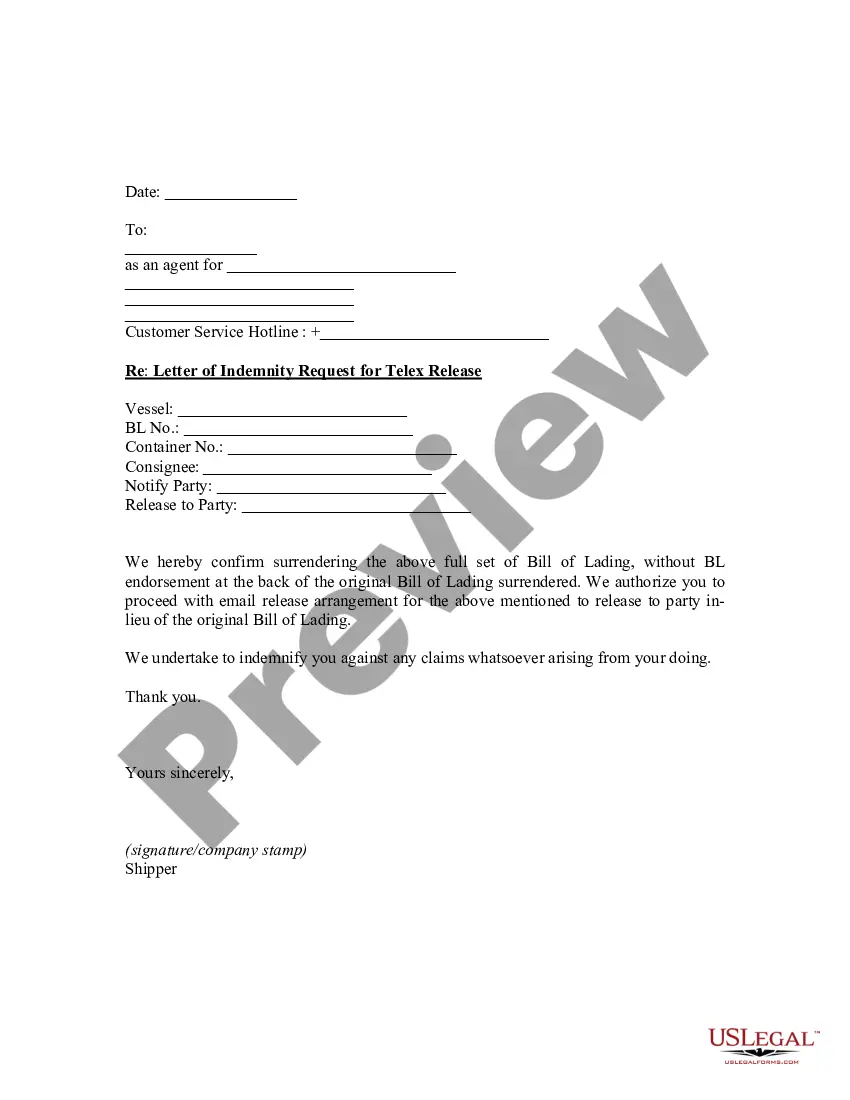
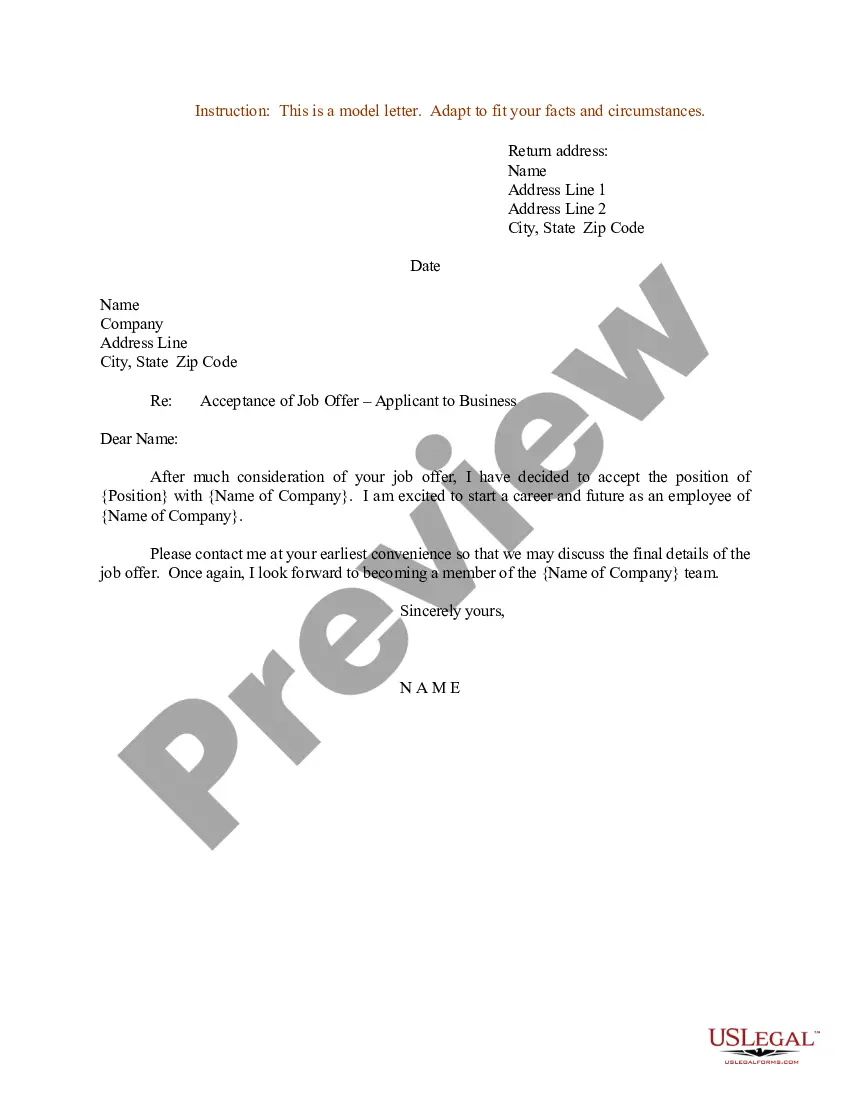
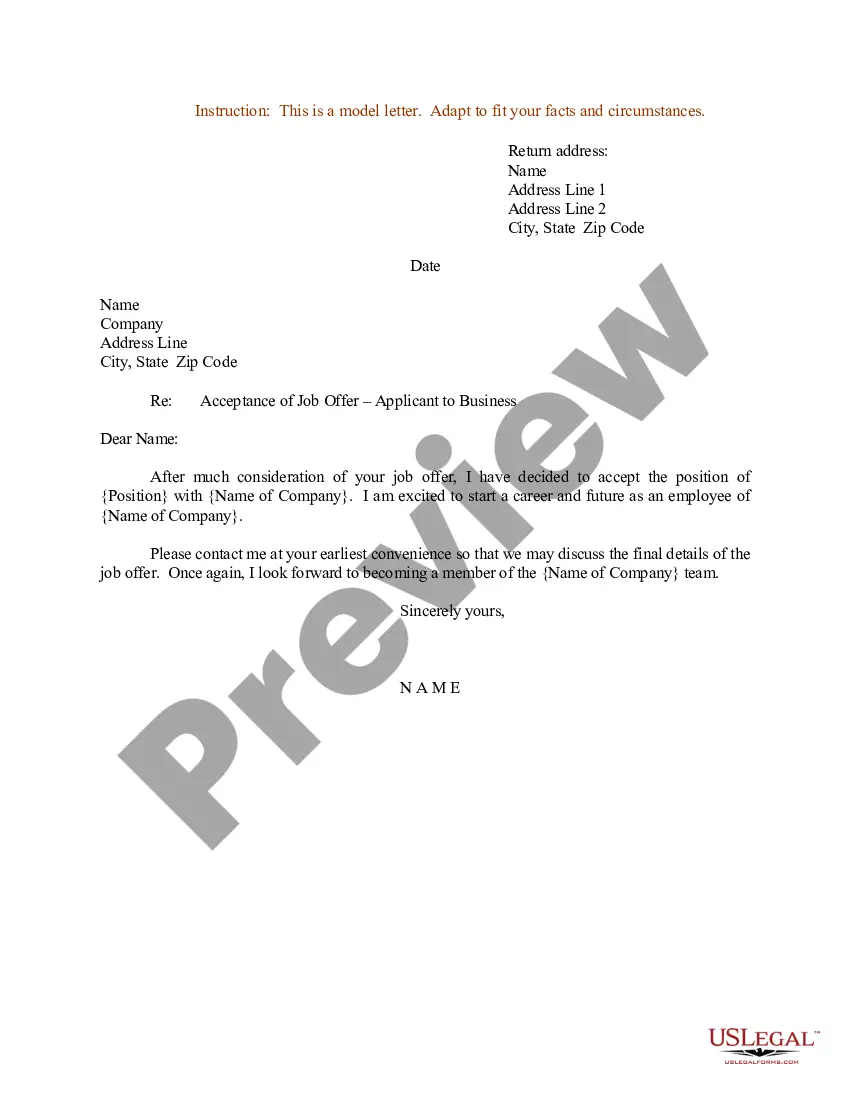
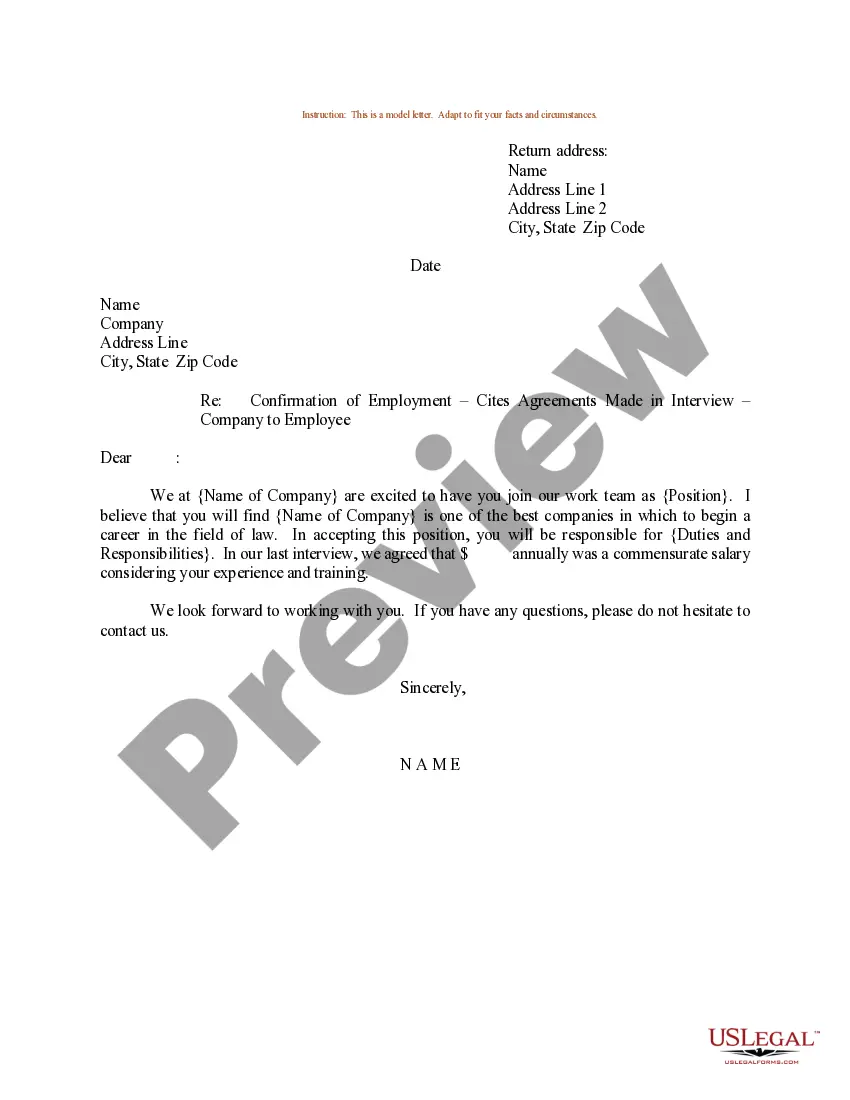
Get your form ready online
Our built-in tools help you complete, sign, share, and store your documents in one place.
Make edits, fill in missing information, and update formatting in US Legal Forms—just like you would in MS Word.
Download a copy, print it, send it by email, or mail it via USPS—whatever works best for your next step.
Sign and collect signatures with our SignNow integration. Send to multiple recipients, set reminders, and more. Go Premium to unlock E-Sign.
If this form requires notarization, complete it online through a secure video call—no need to meet a notary in person or wait for an appointment.
We protect your documents and personal data by following strict security and privacy standards.

Make edits, fill in missing information, and update formatting in US Legal Forms—just like you would in MS Word.

Download a copy, print it, send it by email, or mail it via USPS—whatever works best for your next step.

Sign and collect signatures with our SignNow integration. Send to multiple recipients, set reminders, and more. Go Premium to unlock E-Sign.

If this form requires notarization, complete it online through a secure video call—no need to meet a notary in person or wait for an appointment.

We protect your documents and personal data by following strict security and privacy standards.
Looking for another form?









Form popularity
FAQ
The letter must include the following important details: Expression of gratitude for the job offer. Clear written acceptance of the job offer. Confirmation of the terms of employment, such as salary, job title and any benefits. Clarification of your start date. Signature.
What is a letter of employment? A letter of employment — sometimes called an employment verification letter — is written by an employer to verify an employee's working status. It confirms the employee's job title, salary, history at the organisation and the organisation's contact information.
The first step in obtaining an employment verification letter is to contact your employer's human resources department. This can be done by email, phone, or in-person. You will need to provide your employer with your full name, job title, and the name of the person or organization requesting the letter.
Contact the company's hiring manager or recruiter you have been working with directly. Send a professional email politely requesting the offer letter. Express your enthusiasm for the opportunity and state that you are ready to accept the offer. Provide your preferred contact information and availability
There are different ways to request an employment verification letter from a current or former employer: Ask your supervisor or manager. Contact Human Resources. Get a template from the company or organization requesting the letter. Use an employment verification service.
An employment letter, also called an employment verification letter, provides proof of an employee's position and salary. Learn how to write an accurate and professional letter of employment for various requests. Key Takeaways: An employment letter verifies an employee's job title, status, and salary.
You might say something like, "I am writing to kindly request an official acceptance letter for the internship program. Receiving this letter would help me confirm my spot, and it would be helpful to have a formal record of my acceptance for my personal files."
What should be included in employment verification letters? Employer address. Name and address of the company requesting verification. Employee name. Employment dates. Employee job title. Employee job description. Employee current salary. Reason for termination (If applicable)
What To Include In An Offer Letter Acceptance Email Your enthusiasm to join the company. The full job title of the position. Thanks to the employer for giving you an opportunity to serve the company. A formal statement that you accept the offer. A confirmation that you will be reporting to work on the stated joining date.
Say for example A offers to buy B's car for rupees two lacs and B accepts such an offer. Now, this has become a promise. When the proposal is accepted and it becomes a proposal it also becomes irrevocable. An offer does not create any legal obligations, but after the offer is accepted it becomes a promise.

