Letter Acceptance Application Format In Hennepin
Description
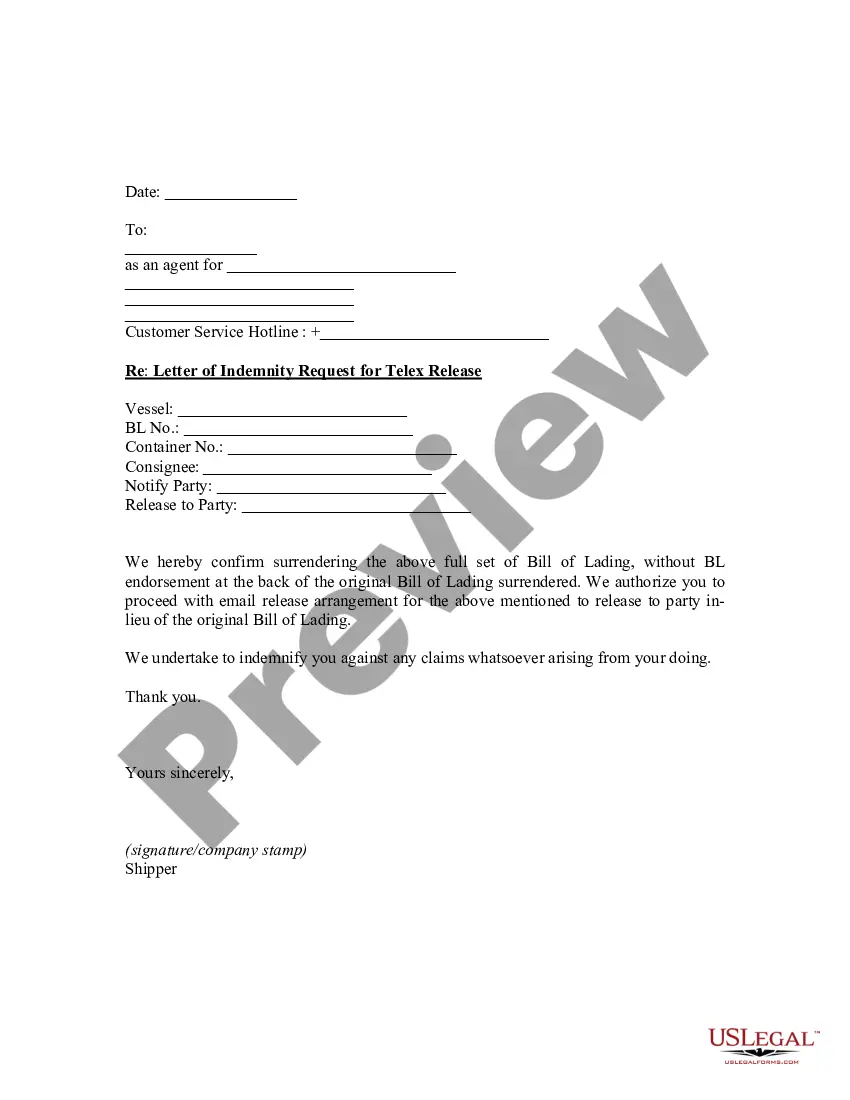
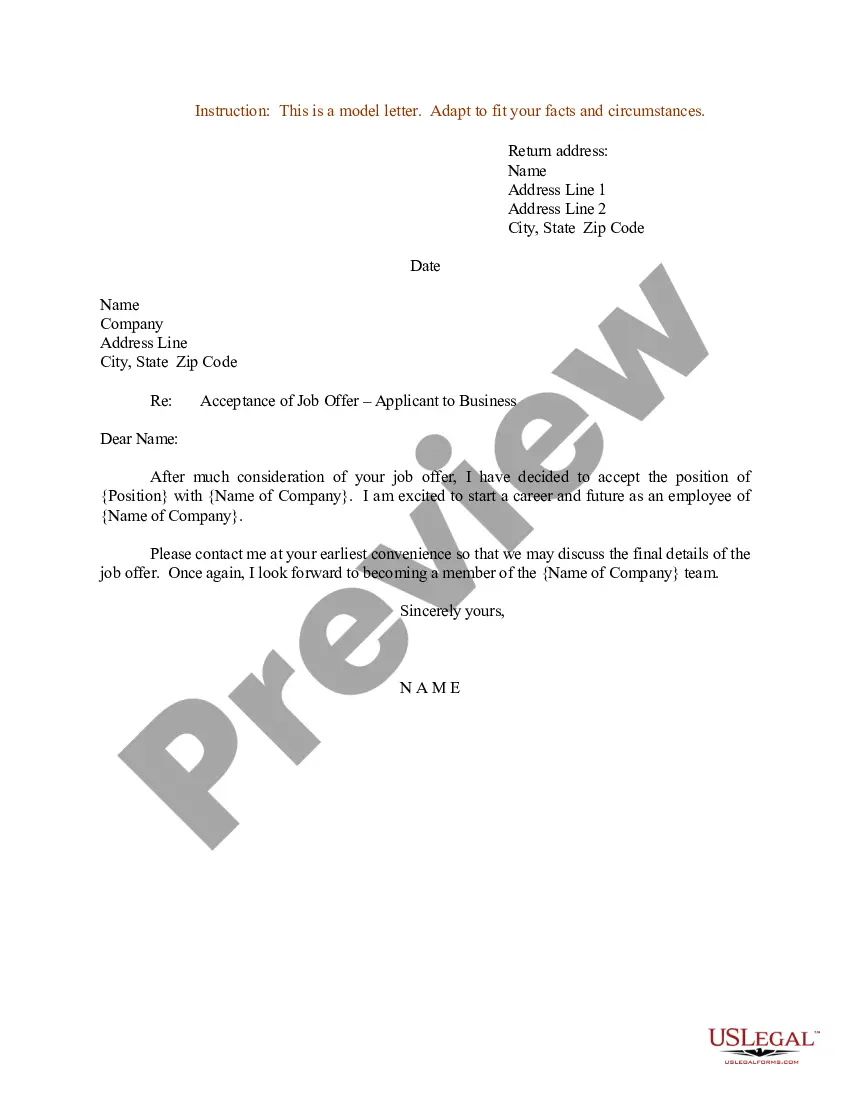
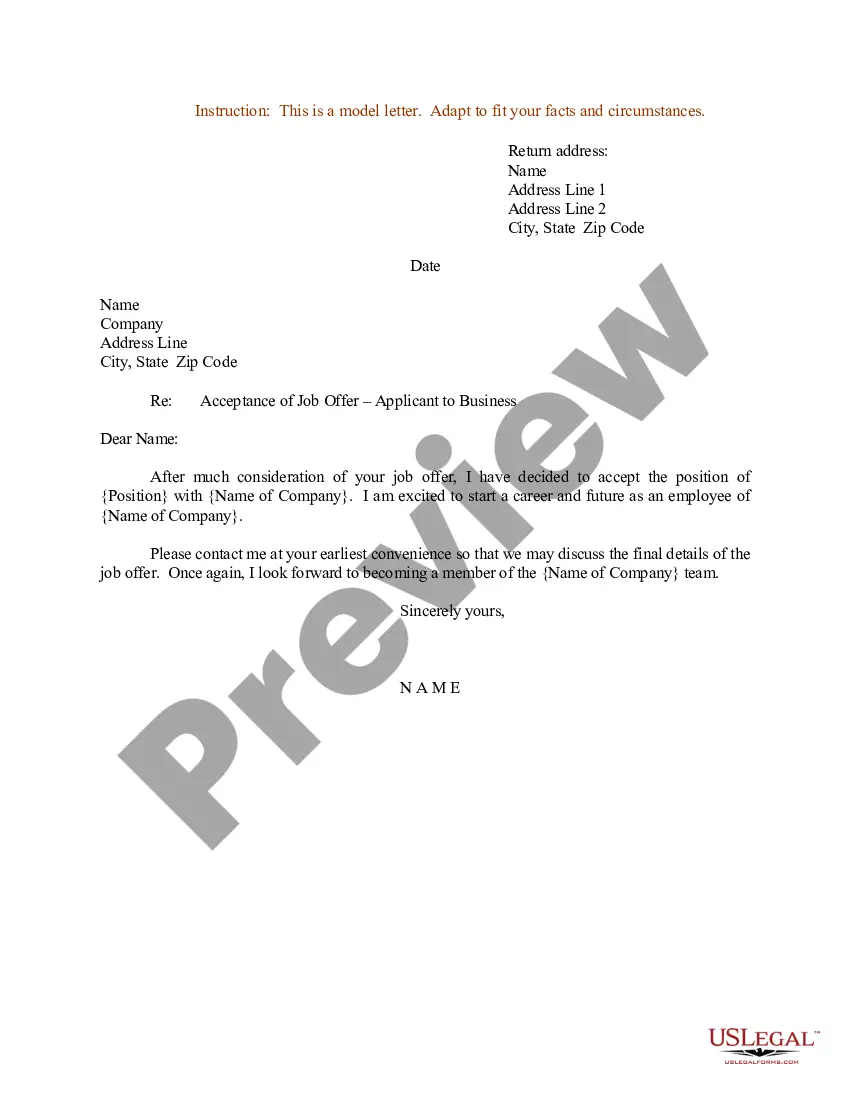
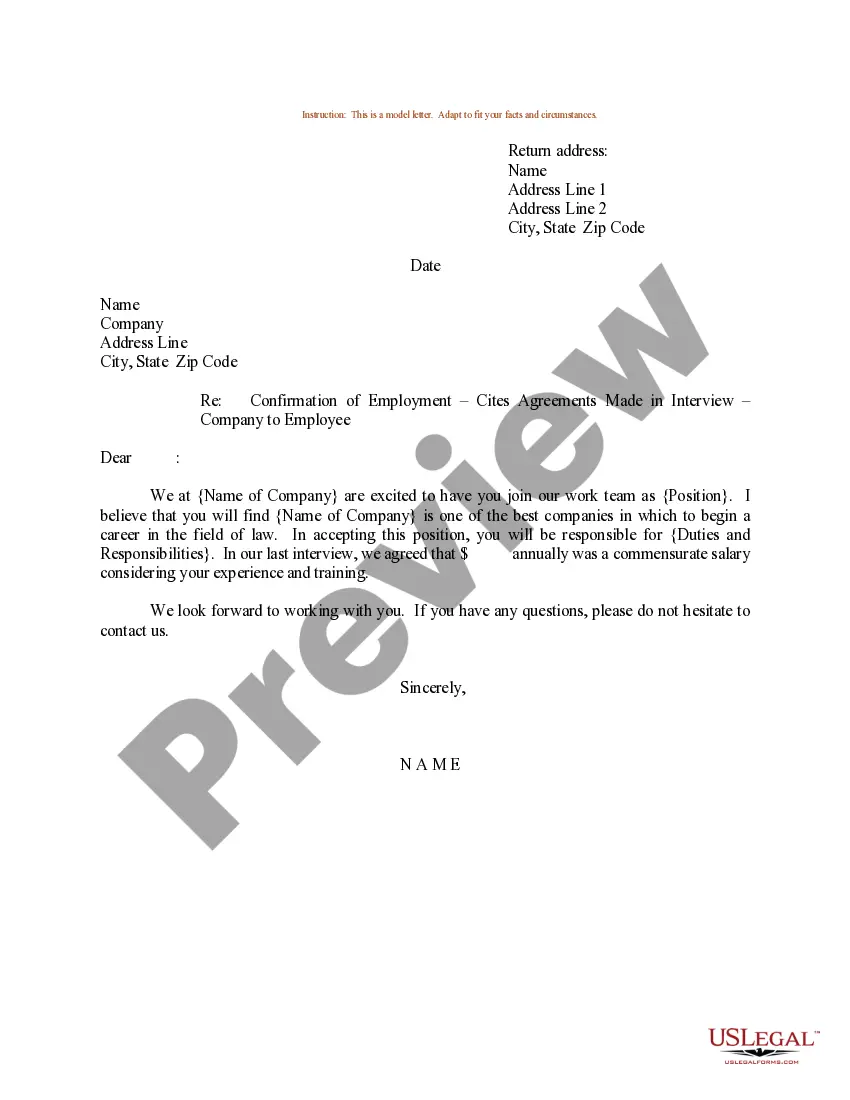
Get your form ready online
Our built-in tools help you complete, sign, share, and store your documents in one place.
Make edits, fill in missing information, and update formatting in US Legal Forms—just like you would in MS Word.
Download a copy, print it, send it by email, or mail it via USPS—whatever works best for your next step.
Sign and collect signatures with our SignNow integration. Send to multiple recipients, set reminders, and more. Go Premium to unlock E-Sign.
If this form requires notarization, complete it online through a secure video call—no need to meet a notary in person or wait for an appointment.
We protect your documents and personal data by following strict security and privacy standards.

Make edits, fill in missing information, and update formatting in US Legal Forms—just like you would in MS Word.

Download a copy, print it, send it by email, or mail it via USPS—whatever works best for your next step.

Sign and collect signatures with our SignNow integration. Send to multiple recipients, set reminders, and more. Go Premium to unlock E-Sign.

If this form requires notarization, complete it online through a secure video call—no need to meet a notary in person or wait for an appointment.

We protect your documents and personal data by following strict security and privacy standards.
Looking for another form?







Form popularity
FAQ
How long does it take for an acceptance letter to be sent out? There's no standard for how long it takes colleges to send out acceptance letters, but generally, if you applied under regular decision, you can expect letters to begin arriving between mid-March and mid-April.
There's no standard for how long it takes colleges to send out acceptance letters, but generally, if you applied under regular decision, you can expect letters to begin arriving between mid-March and mid-April.
Colleges that accept you will usually notify you of your acceptance between mid-March and mid-April, either through an email or as an update on your college application portal.
A typical letter of acceptance may include: A confirmation of your admission. Your course's start date and physical location. Admission or service fees payable. Scholarship or bursary information. Residence advice.
Most schools notify students electronically and with hard copies, so you can expect both mailed and emailed college acceptance letters. Some students will instead get an email notification to view their college acceptance letters through a school's online portal.
To write a letter of acceptance, address it to the recruiter, express gratitude, confirm employment terms, format and proofread the letter, and follow up to ensure it has been received and to discuss next steps.
You might say something like, "I am writing to kindly request an official acceptance letter for the internship program. Receiving this letter would help me confirm my spot, and it would be helpful to have a formal record of my acceptance for my personal files."
Your school must provide you with a letter of acceptance (LOA). Include the original or electronic copy of your letter with your study permit application.
There are three ways you'll receive your letter of acceptance: by mail, email, or on your online portal. How schools choose to tell students about their university entry will vary.
A Letter of Acceptance (LOA) is a formal document that indicates the agreement between parties on the terms and conditions of a contract.

