Sample Letter Acceptance Offer For A House In Fulton
Description
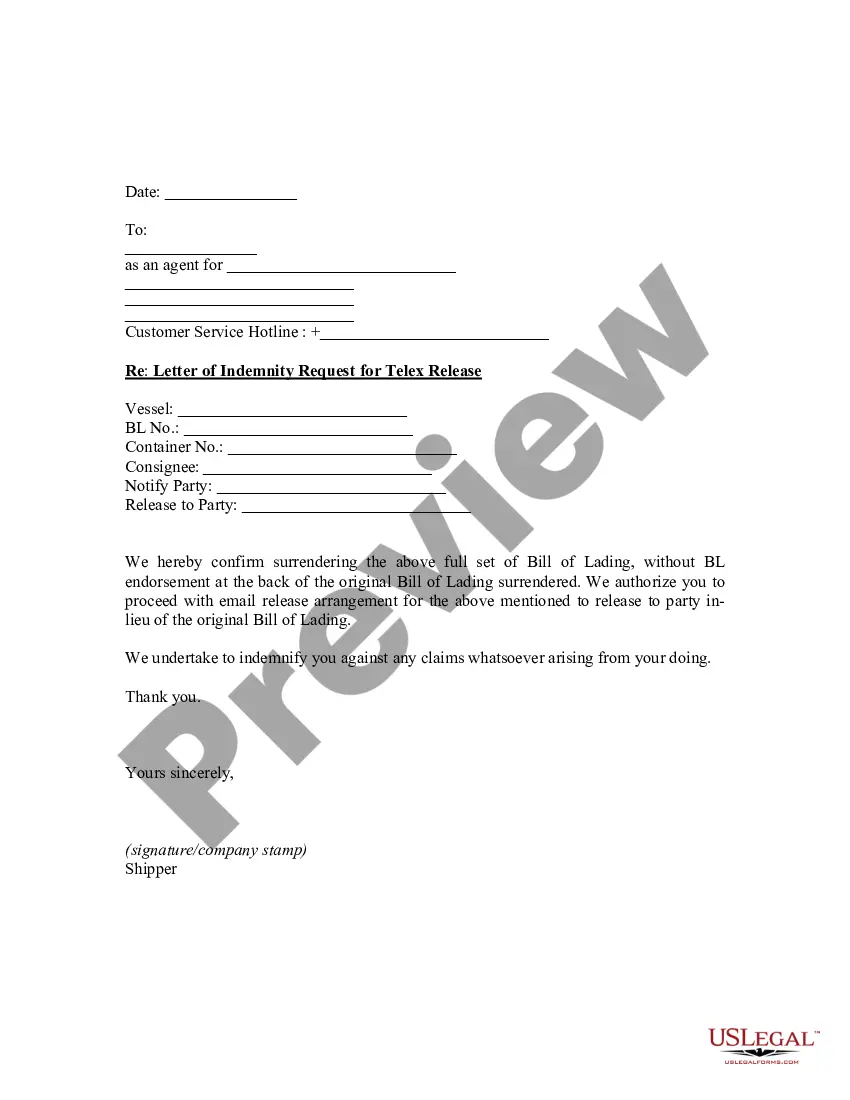
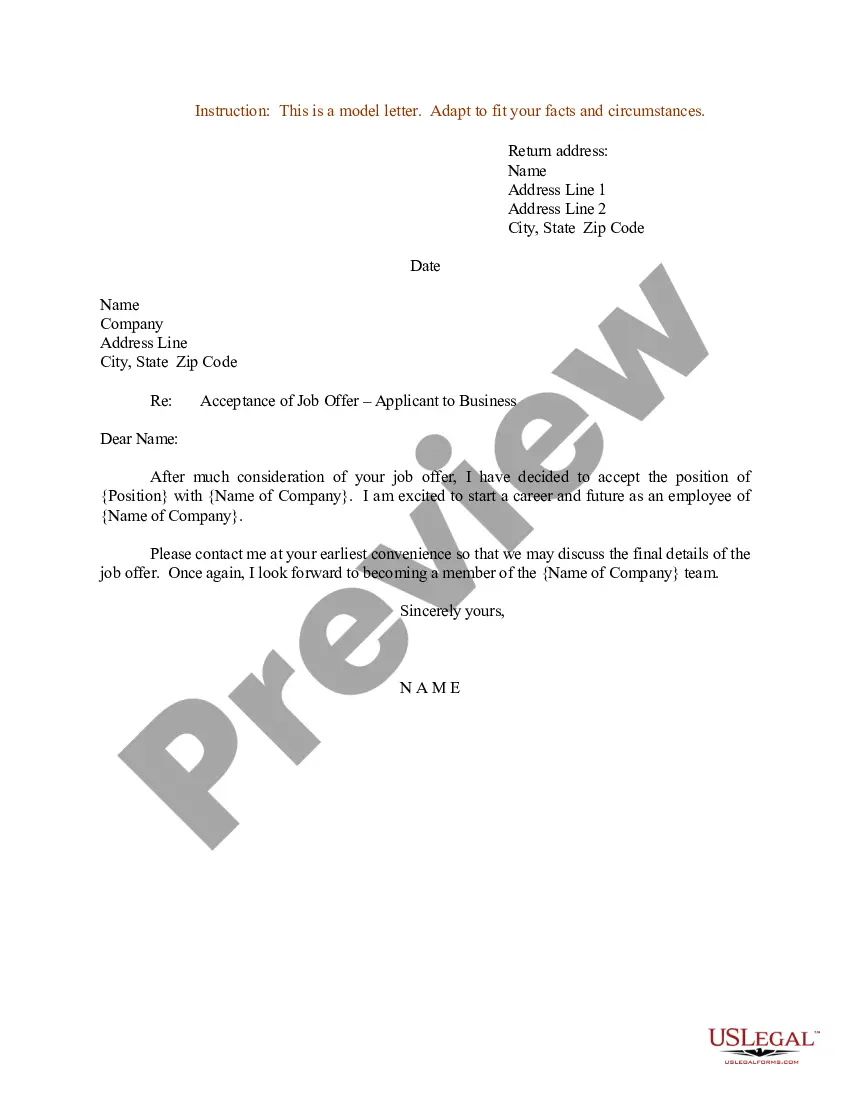
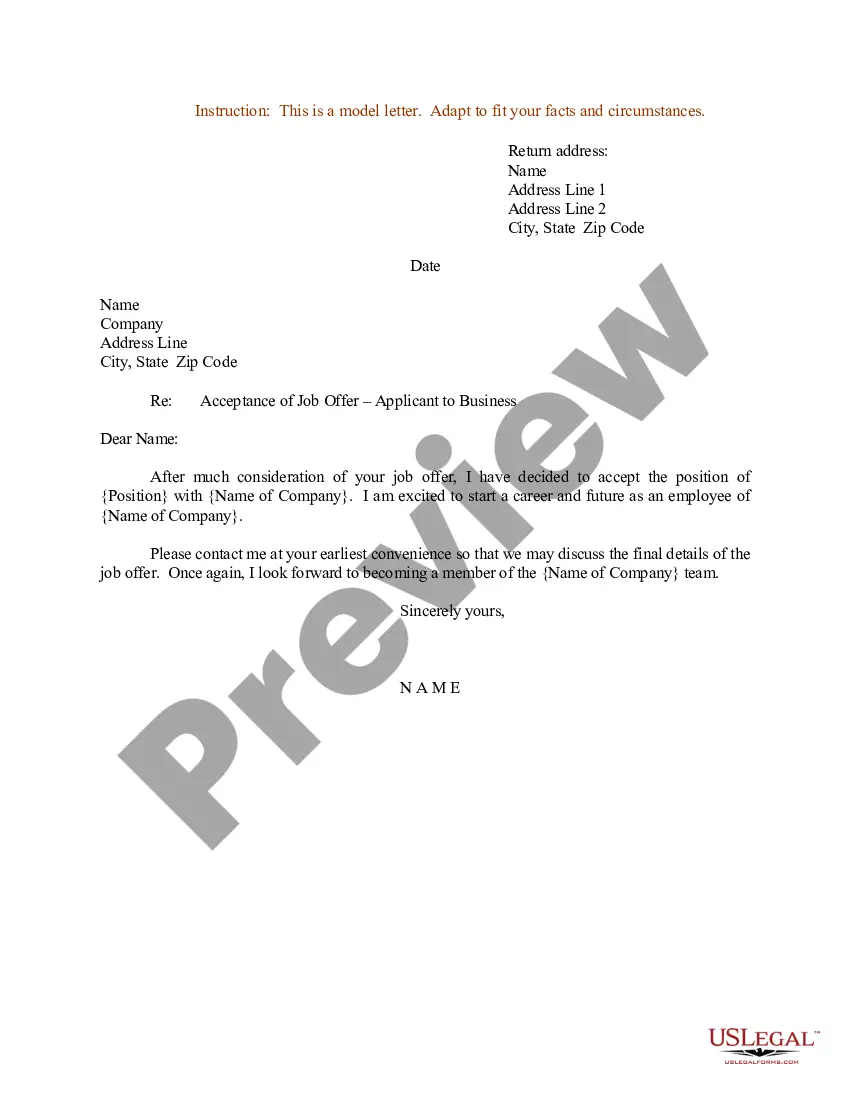
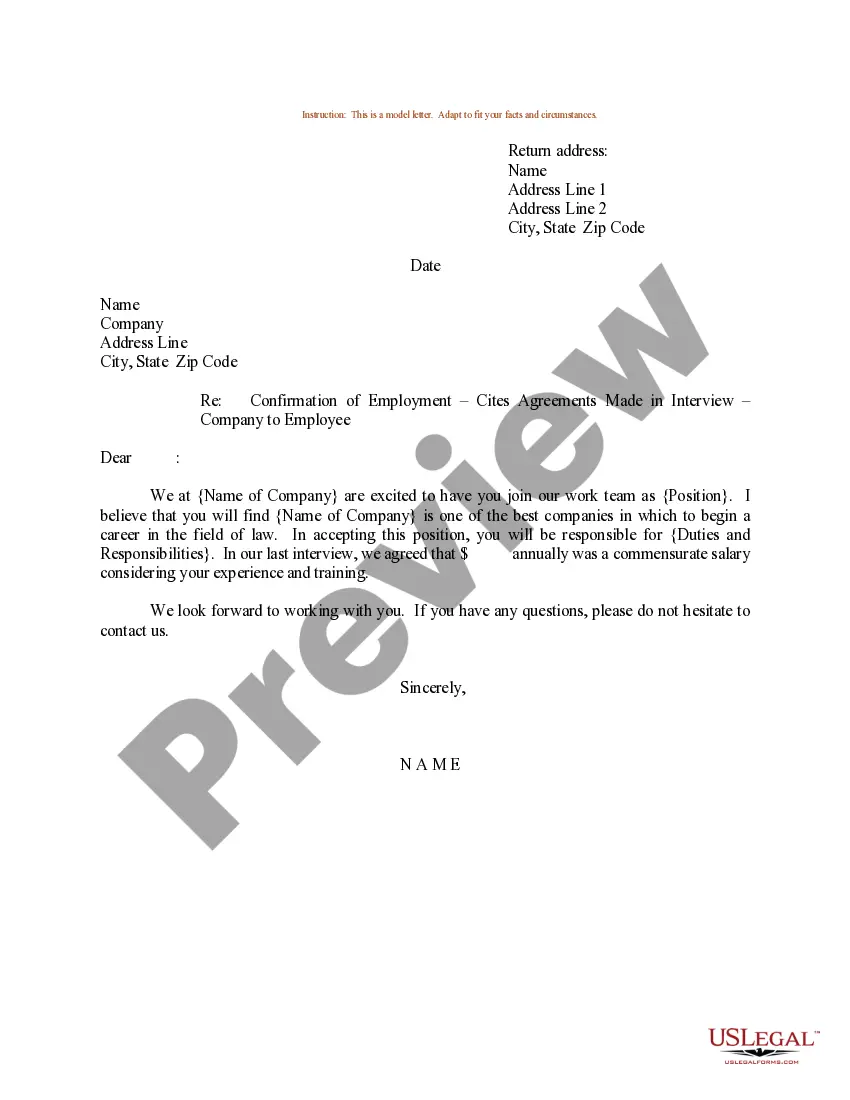
Get your form ready online
Our built-in tools help you complete, sign, share, and store your documents in one place.
Make edits, fill in missing information, and update formatting in US Legal Forms—just like you would in MS Word.
Download a copy, print it, send it by email, or mail it via USPS—whatever works best for your next step.
Sign and collect signatures with our SignNow integration. Send to multiple recipients, set reminders, and more. Go Premium to unlock E-Sign.
If this form requires notarization, complete it online through a secure video call—no need to meet a notary in person or wait for an appointment.
We protect your documents and personal data by following strict security and privacy standards.

Make edits, fill in missing information, and update formatting in US Legal Forms—just like you would in MS Word.

Download a copy, print it, send it by email, or mail it via USPS—whatever works best for your next step.

Sign and collect signatures with our SignNow integration. Send to multiple recipients, set reminders, and more. Go Premium to unlock E-Sign.

If this form requires notarization, complete it online through a secure video call—no need to meet a notary in person or wait for an appointment.

We protect your documents and personal data by following strict security and privacy standards.
Looking for another form?







Form popularity
FAQ
One of the most important things to consider when choosing between multiple offers is how much each offer is worth. This doesn't mean that you should accept the highest bid, but it will give you a good idea of what each buyer thinks the house is worth in comparison to other houses on the market.
Your letter should explain why you're interested in buying the house and include details regarding your mortgage financing and expected closing date. Often, the key to writing the best offer letter is finding a way to connect with the seller on a personal level.
Legally speaking, there isn't a time frame for sellers to respond to your offer. However, it's an unspoken rule in the industry that sellers and/or the listing agents should respond within a few days, with 48 hours as the norm.
Always thank the seller for their time and thoroughly proofread what you've written. Decide How You Want The Letter To Look. Introduce Yourself. Share Your Love For The Home. Describe How You'd Live In The House. Explain Your Offer. Express Gratitude. Read Over Your Letter. Deliver The Letter To The Seller.
Address the Seller and Introduce Yourself. If you know the seller's name, use that, but you likely won't know the name of the owner of the home. Detail What Makes the Home Stand Out to You. Find Common Ground. Present Your Offer. Note Any Contingencies You Have. Close with a Friendly Thank You.
The offer letter can include your employment terms, including salary, benefits and PTO. Decide if these terms meet what you're looking for in a job or whether you prefer to negotiate a different deal. If you decide to negotiate, send a counteroffer rather than a refusal or general acceptance letter.
In general, if you're writing from the heart, go as long as you need to when talking about the house and how you'll live in it as a family. As far as your hand goes — well, if it starts to cramp up, you may have written too much. You want a handwritten letter to be about one or two pages.

