Letter Acceptance Form With Two Points In Fairfax
Description
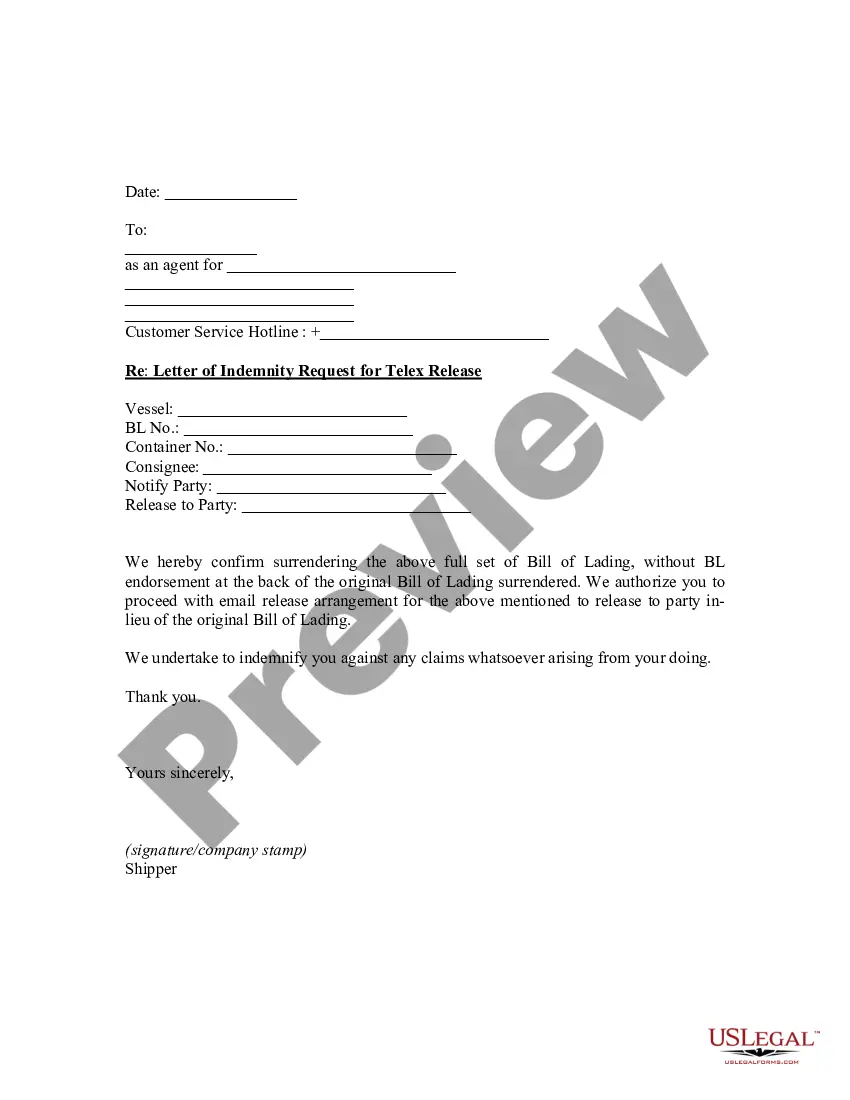


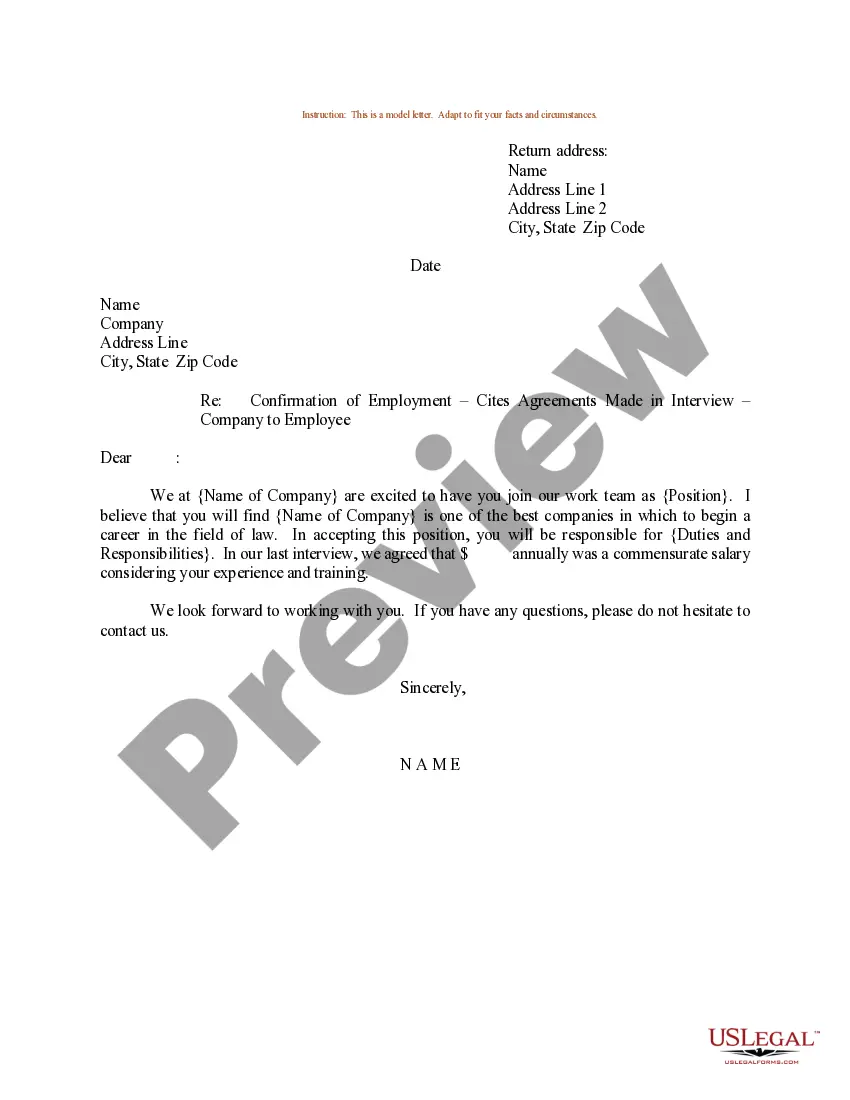
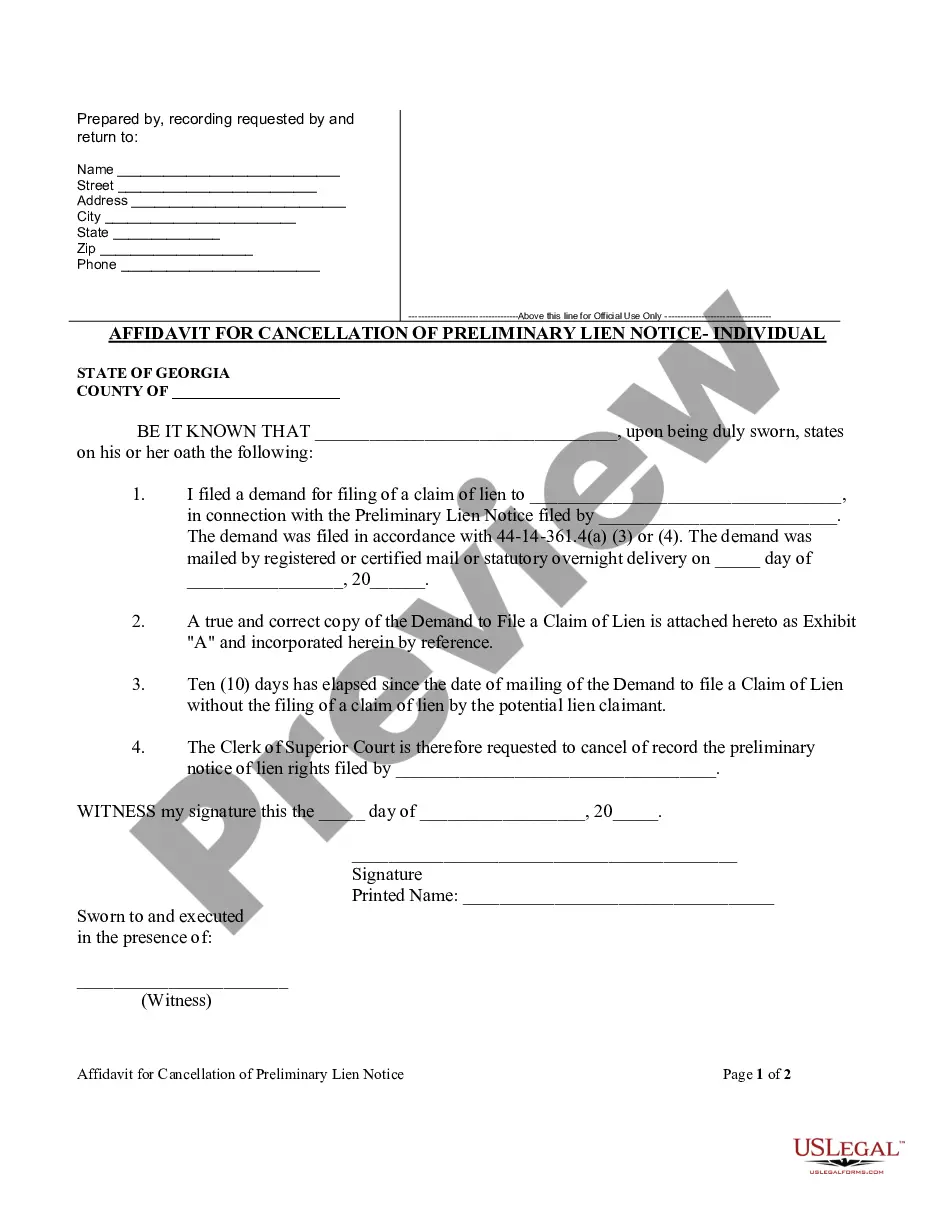
Get your form ready online
Our built-in tools help you complete, sign, share, and store your documents in one place.
Make edits, fill in missing information, and update formatting in US Legal Forms—just like you would in MS Word.
Download a copy, print it, send it by email, or mail it via USPS—whatever works best for your next step.
Sign and collect signatures with our SignNow integration. Send to multiple recipients, set reminders, and more. Go Premium to unlock E-Sign.
If this form requires notarization, complete it online through a secure video call—no need to meet a notary in person or wait for an appointment.
We protect your documents and personal data by following strict security and privacy standards.

Make edits, fill in missing information, and update formatting in US Legal Forms—just like you would in MS Word.

Download a copy, print it, send it by email, or mail it via USPS—whatever works best for your next step.

Sign and collect signatures with our SignNow integration. Send to multiple recipients, set reminders, and more. Go Premium to unlock E-Sign.

If this form requires notarization, complete it online through a secure video call—no need to meet a notary in person or wait for an appointment.

We protect your documents and personal data by following strict security and privacy standards.
Looking for another form?









Form popularity
FAQ
Property Number (On your Fairfax County property bill, look near the top or bottom right corner after "Include this Number on your Check:")
Sources of Property Records in Virginia The clerk of the circuit court is where you can find real estate deeds. For example, Fairfax County has its land records, which are searchable on the court website. The local county tax office handles all property tax records and issues bills to residents.
These official records may be found in the Fairfax County Circuit Court's Court Public Access Network (CPAN) system. They may also be found in the deed books available at the Land Records Division of the County Circuit Court. They are located in Suite 317 of the Fairfax County Courthouse (4110 Chain Bridge Rd).
Land records are public documents that include: Deeds. Deeds of Trust. Financing Statements.
An interpretation of the Zoning Ordinance is a written or verbal determination made by the Zoning Administrator that explains the applicability of specific provision(s) of the Fairfax County Zoning Ordinance based on the set of facts presented in the request.
Record Plat Call 703-222-0801, TTY 711. Monday through Thursday from 8 a.m. to 4 p.m. and Friday from a.m. to 4 p.m. LDS Permit Library: Access guides to navigate every record type in PLUS. Letters to Industry: Subscribe for LDS announcements, notices, and tech bulletins.
Historic Land Records Research For information about researching current Fairfax Circuit Court Land Records and Deeds, please visit the Land Records Research Room page or contact the Land Records Division at 703-691-7320 (press 3, then 4) (TTY 711).
In many ways, issuing an acceptance letter carries the same legal ramifications as signing contracts, although the preparation and dispatch of a letter tend to be a more formal process. These letters are legally binding documents that confirm an agreement between parties.
What is an acceptance letter? It's in the name – an acceptance letter is a type of professional letter used to formally respond to offers or requests.
