Letter Acceptance Application With Cv In Cook
Description
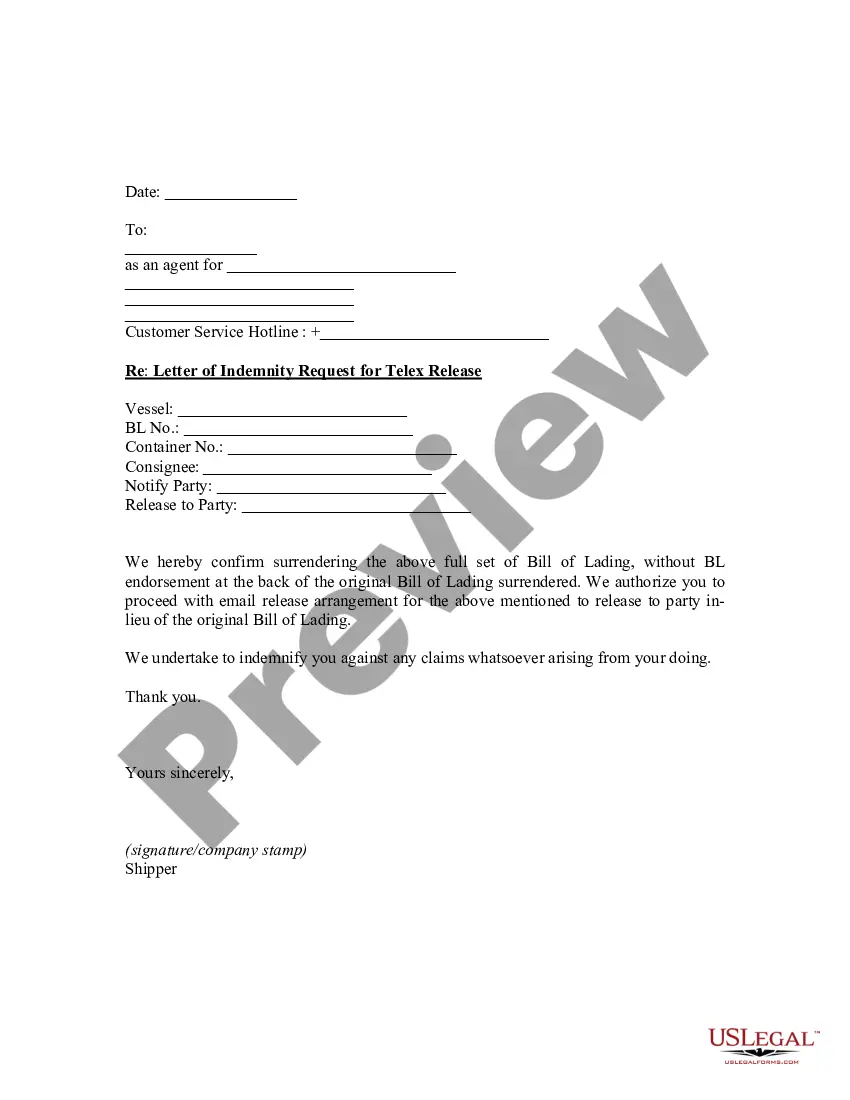
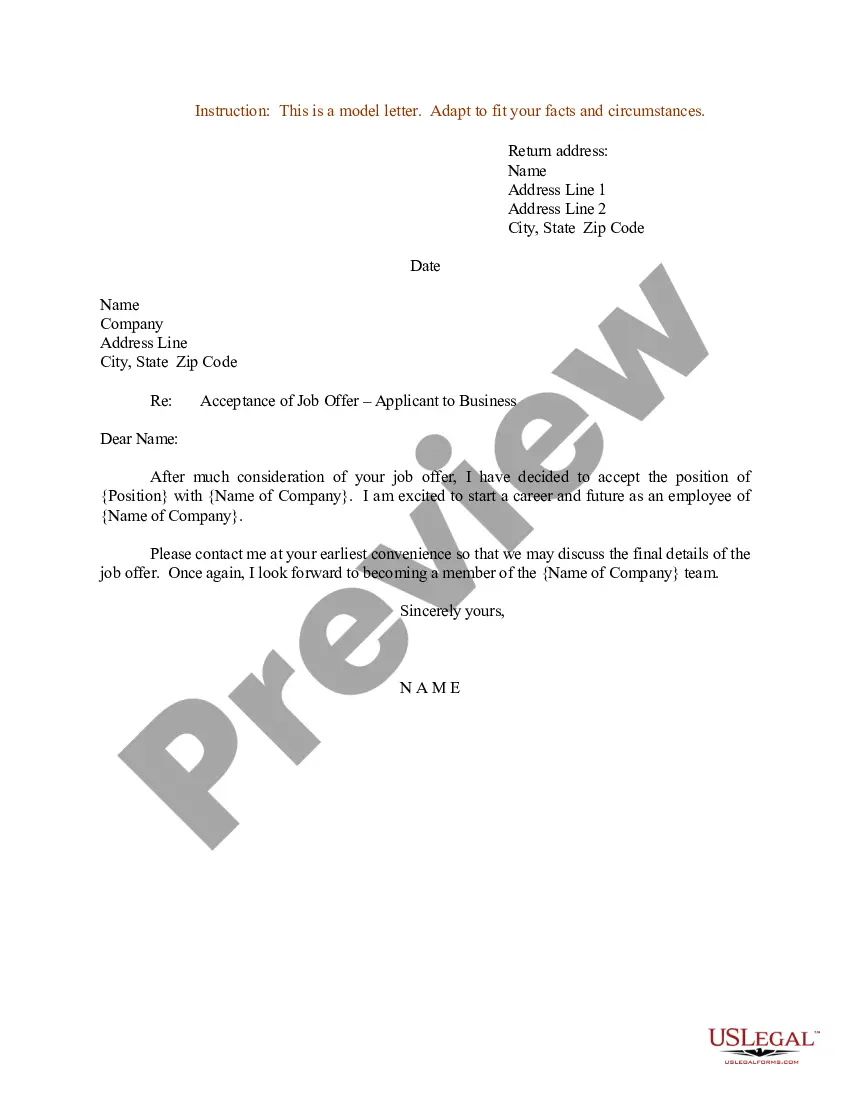
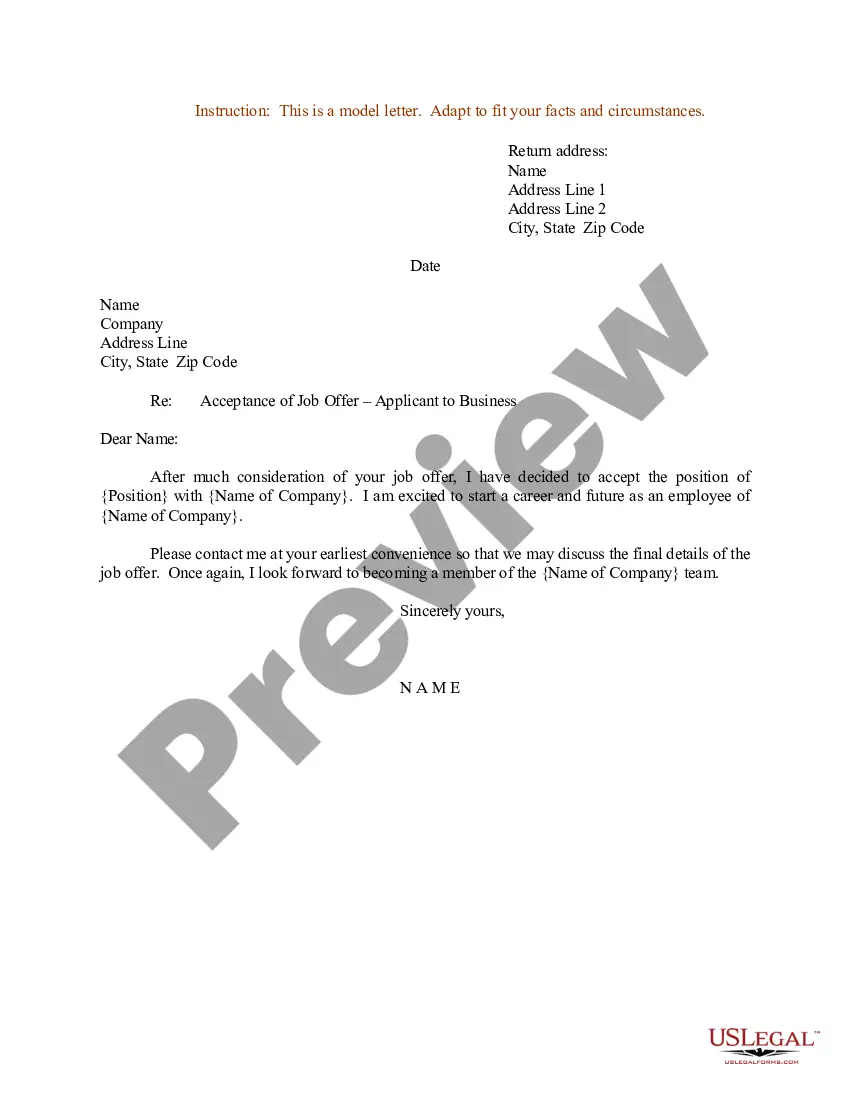
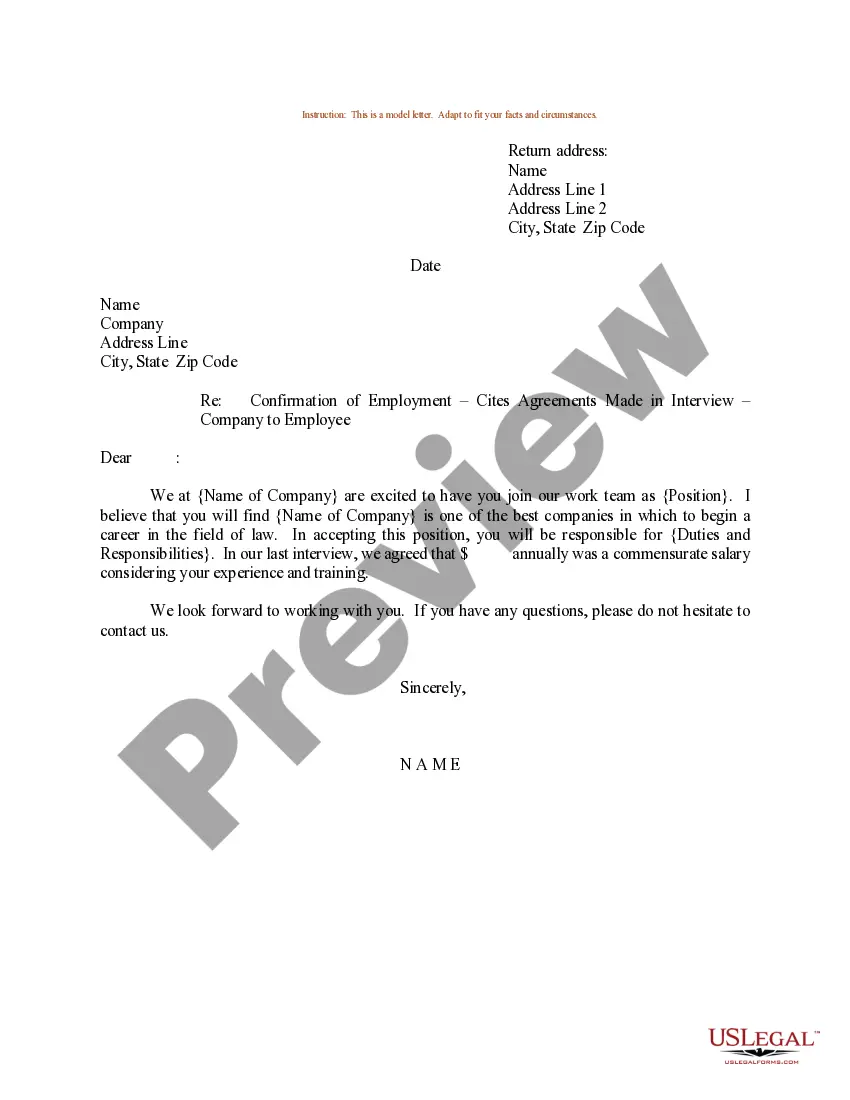
Get your form ready online
Our built-in tools help you complete, sign, share, and store your documents in one place.
Make edits, fill in missing information, and update formatting in US Legal Forms—just like you would in MS Word.
Download a copy, print it, send it by email, or mail it via USPS—whatever works best for your next step.
Sign and collect signatures with our SignNow integration. Send to multiple recipients, set reminders, and more. Go Premium to unlock E-Sign.
If this form requires notarization, complete it online through a secure video call—no need to meet a notary in person or wait for an appointment.
We protect your documents and personal data by following strict security and privacy standards.

Make edits, fill in missing information, and update formatting in US Legal Forms—just like you would in MS Word.

Download a copy, print it, send it by email, or mail it via USPS—whatever works best for your next step.

Sign and collect signatures with our SignNow integration. Send to multiple recipients, set reminders, and more. Go Premium to unlock E-Sign.

If this form requires notarization, complete it online through a secure video call—no need to meet a notary in person or wait for an appointment.

We protect your documents and personal data by following strict security and privacy standards.
Looking for another form?






Form popularity
FAQ
I am writing to enquire if you have any vacancies in your company. I enclose my CV for your information. As you can see, I have had extensive vacation work experience in office environments, the retail sector and service industries, giving me varied skills and the ability to work with many different types of people.
When writing a cover letter, you should: introduce yourself. mention the job (or type of job) you're applying for (or looking for) show that your skills and experience match the skills and experience needed to do the job. encourage the reader to read your resume.
A CV should include your contact information, educational background, work experience (including internships or part-time jobs), skills, achievements, certifications and other relevant information that showcases your qualifications for the desired position.
Read the job description for the role you're applying for, research the employer, and choose the experience and skills that are most relevant. Contact details. full name. Introduction. Work experience. Education. Other achievements, qualifications, and skills. Hobbies and interests.
How to Write a CV (Curriculum Vitae) for a Job Decide on a CV format and style. Clearly list your contact information. Open with a convincing CV summary. List your work experience. Highlight your education. Showcase your skills. Add additional sections.
They have different purposes. The CV's role is to briefly describe all your skills and qualifications for the role you're applying for. The cover letter's role is to introduce you as an individual and show your motivation to get the job. They have different formats.
What to include in a cook cover letter Personalised greeting. Always find out who will be reading your letter and address them directly. Brief introduction. Work experience. Cooking style or techniques. Why you want to work there. Ensure it's tailored. Highlight your passion. Keep it concise.
Write a clear and professional subject line that includes the job title and your name. Compose a brief message in the body of the email, introducing yourself and stating the position you are applying for. Attach your cover letter and resume to the email, making sure they are properly named and labeled.
Follow these steps to combine your resume and cover letter into a single file: Determine which document to add first. Revise and review both documents. Open a new document. Insert each document into the new file. Create a page break. Confirm in an email. Use active verbs. Customize both parts of your application.

