Letter Offer Form With Cc In California
Description

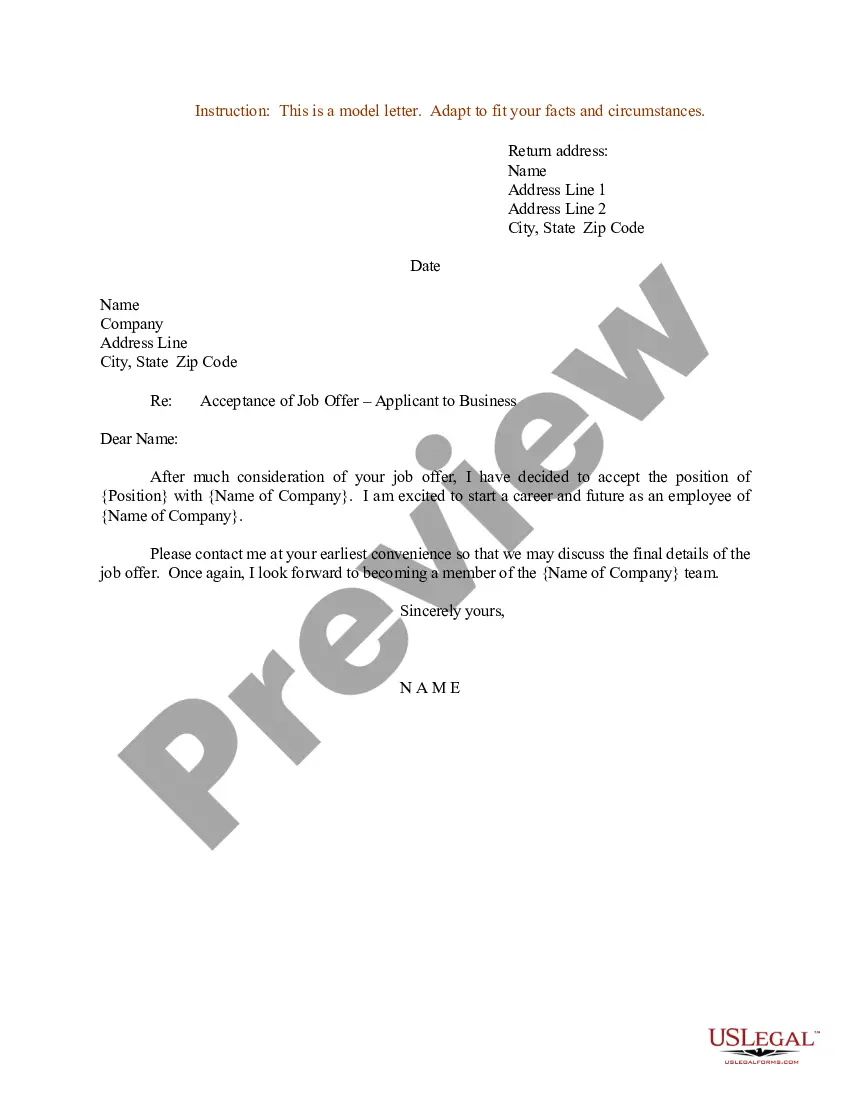
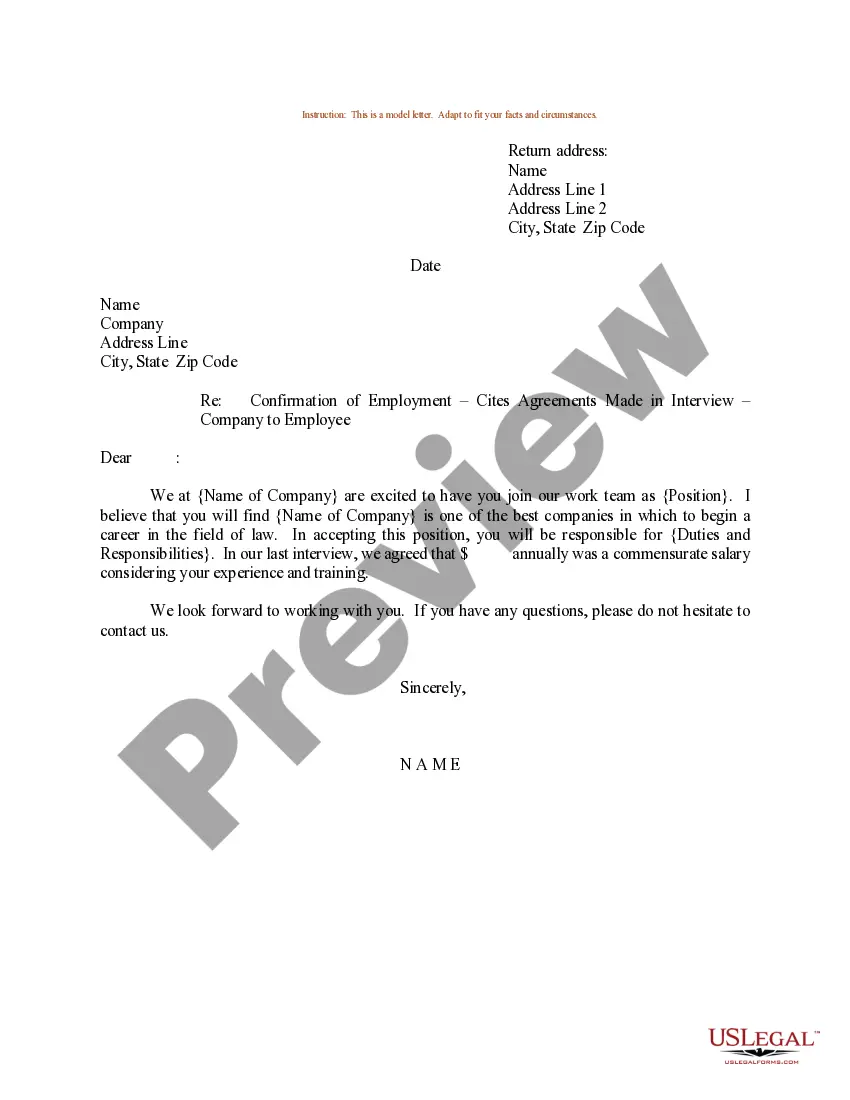
Get your form ready online
Our built-in tools help you complete, sign, share, and store your documents in one place.
Make edits, fill in missing information, and update formatting in US Legal Forms—just like you would in MS Word.
Download a copy, print it, send it by email, or mail it via USPS—whatever works best for your next step.
Sign and collect signatures with our SignNow integration. Send to multiple recipients, set reminders, and more. Go Premium to unlock E-Sign.
If this form requires notarization, complete it online through a secure video call—no need to meet a notary in person or wait for an appointment.
We protect your documents and personal data by following strict security and privacy standards.

Make edits, fill in missing information, and update formatting in US Legal Forms—just like you would in MS Word.

Download a copy, print it, send it by email, or mail it via USPS—whatever works best for your next step.

Sign and collect signatures with our SignNow integration. Send to multiple recipients, set reminders, and more. Go Premium to unlock E-Sign.

If this form requires notarization, complete it online through a secure video call—no need to meet a notary in person or wait for an appointment.

We protect your documents and personal data by following strict security and privacy standards.
Looking for another form?








Form popularity
FAQ
The ® (C.A.R.) has a long history of developing forms for use in California real estate transactions. C.A.R. forms help California buyers and sellers, as well as our members, precisely because they offer standardized language with a variety of options to fit any situation.
A basic binding contract consists of four key elements: offer, acceptance, consideration and intent to create legal relations. These components work together to form a complete and legally enforceable agreement.
What Should A Letter Of Intent To Occupy A Home Include? To write an intent to occupy letter, you should include your name, the home's address, your decision to apply for a mortgage and your intent to occupy the home as the owner. You should also include any specific details that your lender requests.
Salutation: Use a polite greeting (eg, ``Dear (Recipient's Name),''). Introduction: Introduce yourself and state the purpose of the letter. Details: Provide specific details about the request, including: - What property/building you wish to use. - The purpose of the use. - Duration and dates of use.
Some important details about an offer letter are: It is NOT a legally binding contract. It does NOT include promises of future employment or wages. It includes an employment “at-will” statement.
Under your signature, type "CC" and place two to four spaces between your signature and the CC line. Now enter the names of everyone who will be CC'd on this letter.
On a paper business letter, you often include the CC line underneath your signature, either above or below any enclosures line. Here are the various abbreviations you can use to note carbon copy on printed business letters: cc: c.c.
Although carbon is no longer used for copies, the convenient initials c.c. : (or cc :) followed by a colon and the names of the recipients of copies of the letter is still the preferred copy notation.
Seeing step one follow a proper letter format when you write your letter. Step two under yourMoreSeeing step one follow a proper letter format when you write your letter. Step two under your signature type CC put two to four spaces between your signature. And the CC.

