Acceptance Letter For Appointment In Arizona
Description
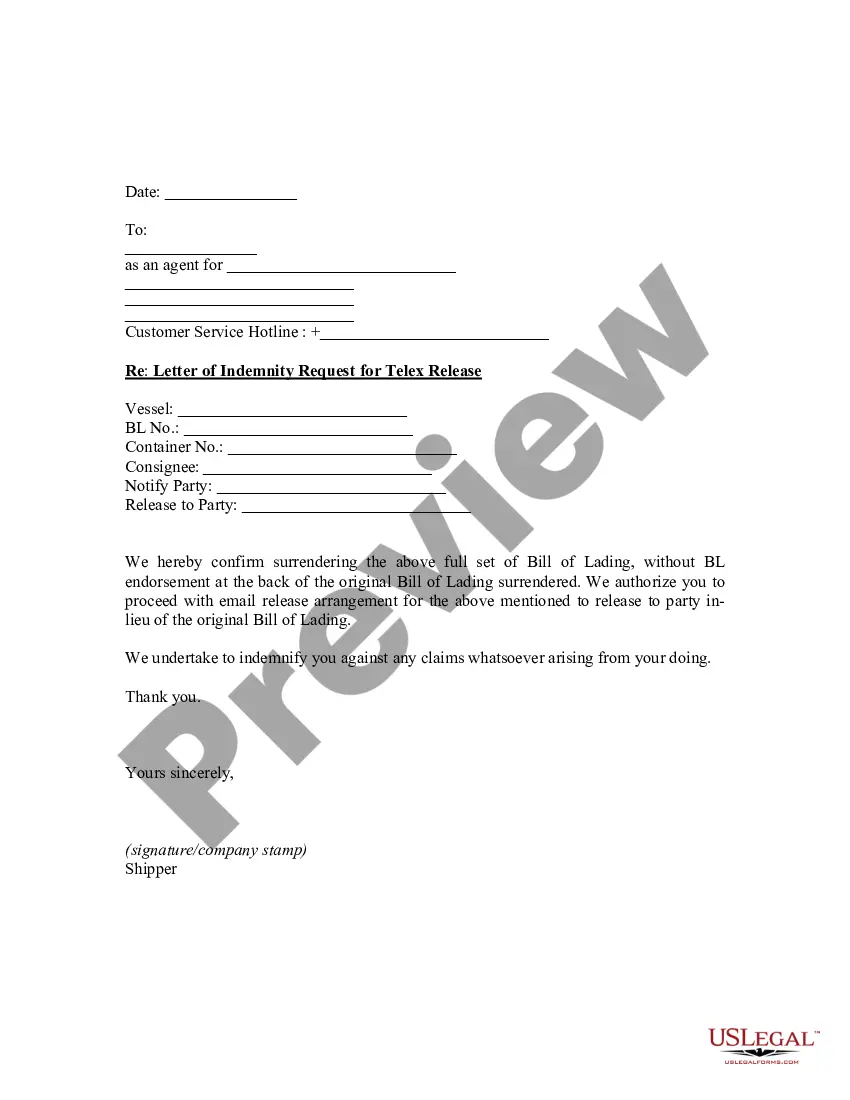


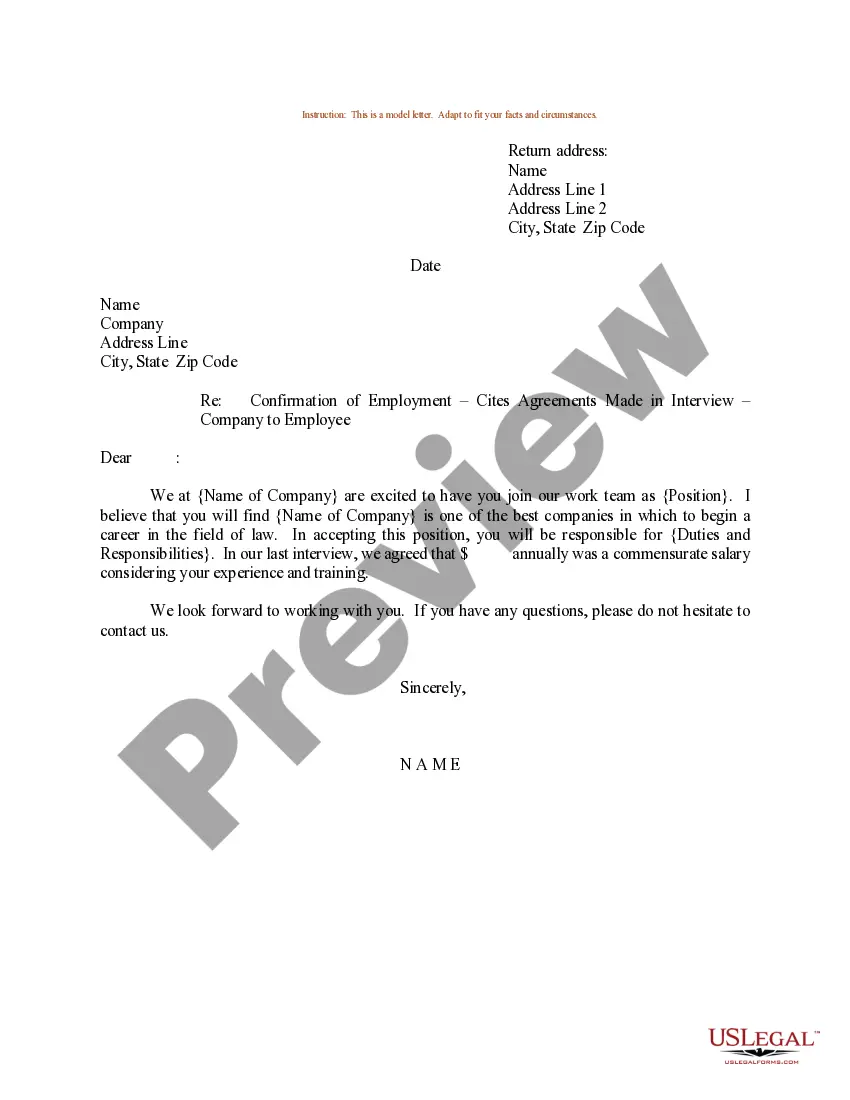
Get your form ready online
Our built-in tools help you complete, sign, share, and store your documents in one place.
Make edits, fill in missing information, and update formatting in US Legal Forms—just like you would in MS Word.
Download a copy, print it, send it by email, or mail it via USPS—whatever works best for your next step.
Sign and collect signatures with our SignNow integration. Send to multiple recipients, set reminders, and more. Go Premium to unlock E-Sign.
If this form requires notarization, complete it online through a secure video call—no need to meet a notary in person or wait for an appointment.
We protect your documents and personal data by following strict security and privacy standards.

Make edits, fill in missing information, and update formatting in US Legal Forms—just like you would in MS Word.

Download a copy, print it, send it by email, or mail it via USPS—whatever works best for your next step.

Sign and collect signatures with our SignNow integration. Send to multiple recipients, set reminders, and more. Go Premium to unlock E-Sign.

If this form requires notarization, complete it online through a secure video call—no need to meet a notary in person or wait for an appointment.

We protect your documents and personal data by following strict security and privacy standards.
Looking for another form?
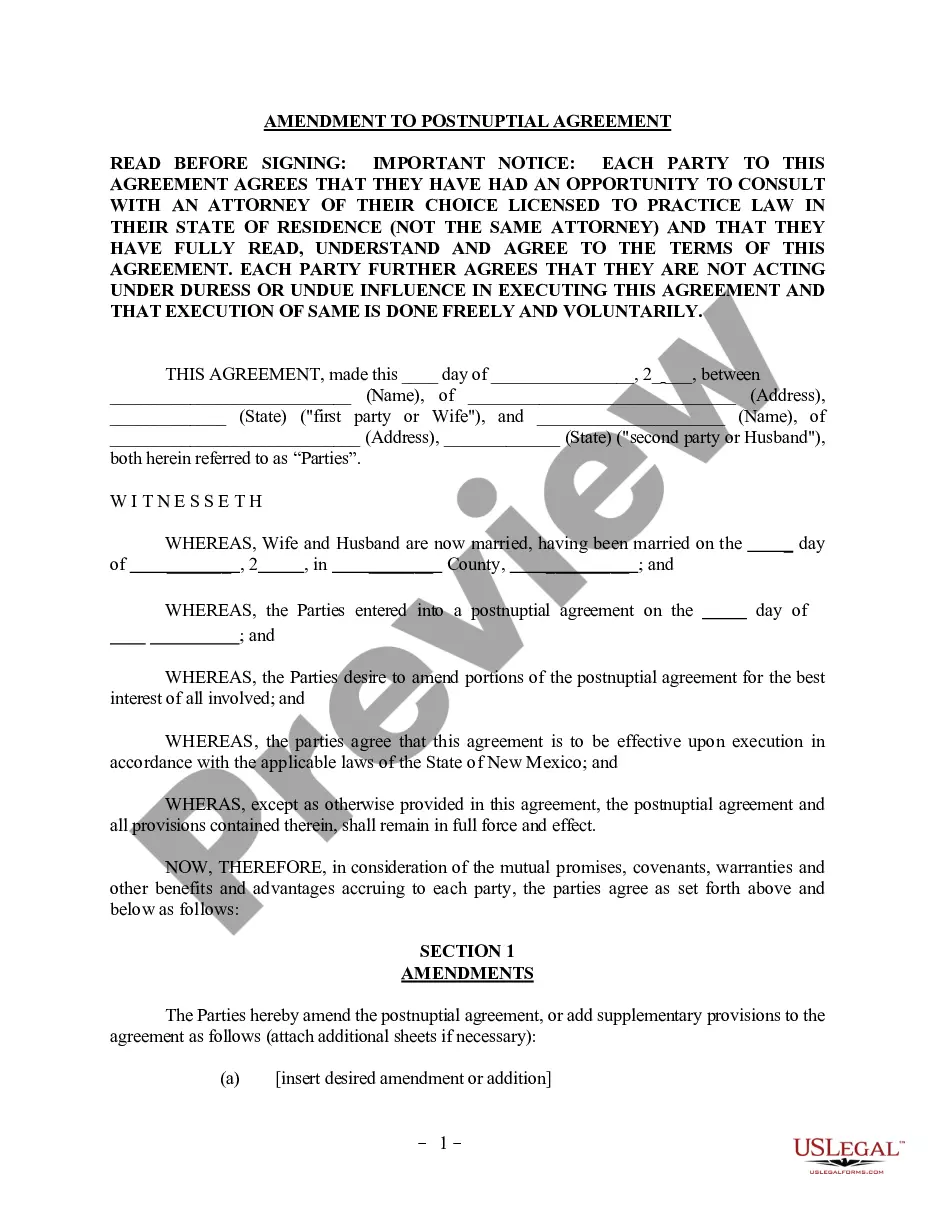
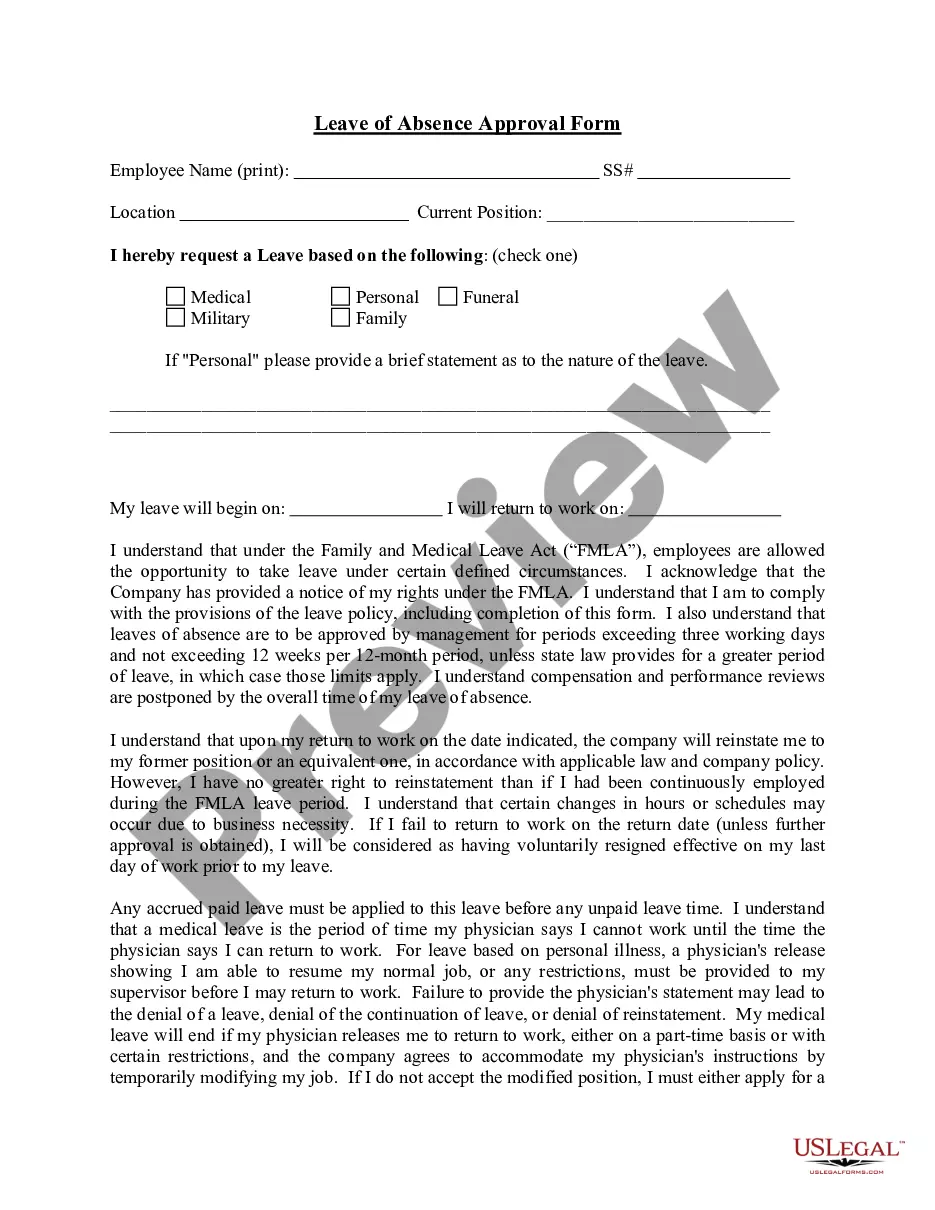

Form popularity
FAQ
How to Download Articles of Incorporation from the Arizona Secretary of State Website Navigate to ( ) Insert your organization's legal entity name in the "Entity Name" field. Click "Search" Click on your organization's "Entity Name"
Requesting Letters of Testamentary The person acting as the executor of the estate must petition the court to request the letter of testamentary. After they file the necessary documents, the probate court checks them to ensure compliance and authenticate the will.
You can obtain a copy of a corporation's articles of incorporation by going to the Secretary of State's office in person. This can be particularly helpful if an online copy isn't available or if you need a copy as soon as possible. Often you can obtain the copy during your visit, or put a rush on your request.
How to Download Articles of Incorporation from the Arizona Secretary of State Website Navigate to ( ) Insert your organization's legal entity name in the "Entity Name" field. Click "Search" Click on your organization's "Entity Name"
Under state law, you're permitted to serve as your own agent. Many Arizona business owners opt to be their own statutory agent to maintain control and perhaps save on fees.
Publication requirement. Arizona requires corporations to publish notice of the incorporation within 60 days of incorporation in a publication (i.e. newspaper) in the known place of business for three consecutive publications.
"Letters of appointment" is a document the clerk issues, pursuant to a court order, that authorizes a personal representative, guardian, or conservator to act for the estate or subject person.
In fact, getting a copy of your articles of organization is even easier than filing the initial paperwork. The majority of states have copies of articles of organization available through the secretary of state's website.
The Letter of Authority issued by the Probate Court evidences your appointment as Personal Representative (sometimes referred to as the “PR”) of the estate and empowers you to act on behalf of the estate.
A personal representative (or legal personal representative), also known as the executor, is the individual chosen to administer the estate of a deceased person. They are designated as such by the decedent or by a court.
