Agenda For Board Meeting Sample In Riverside
Description
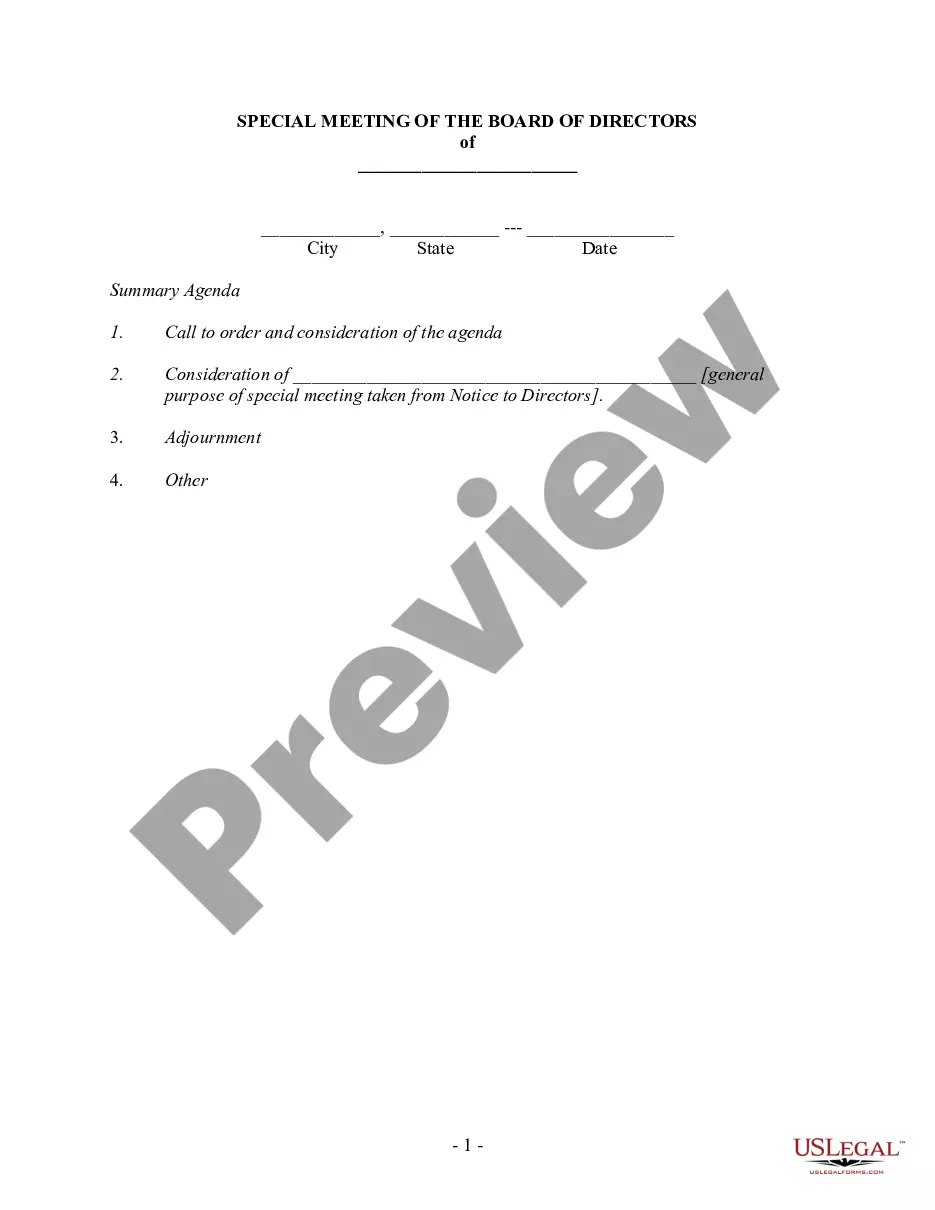
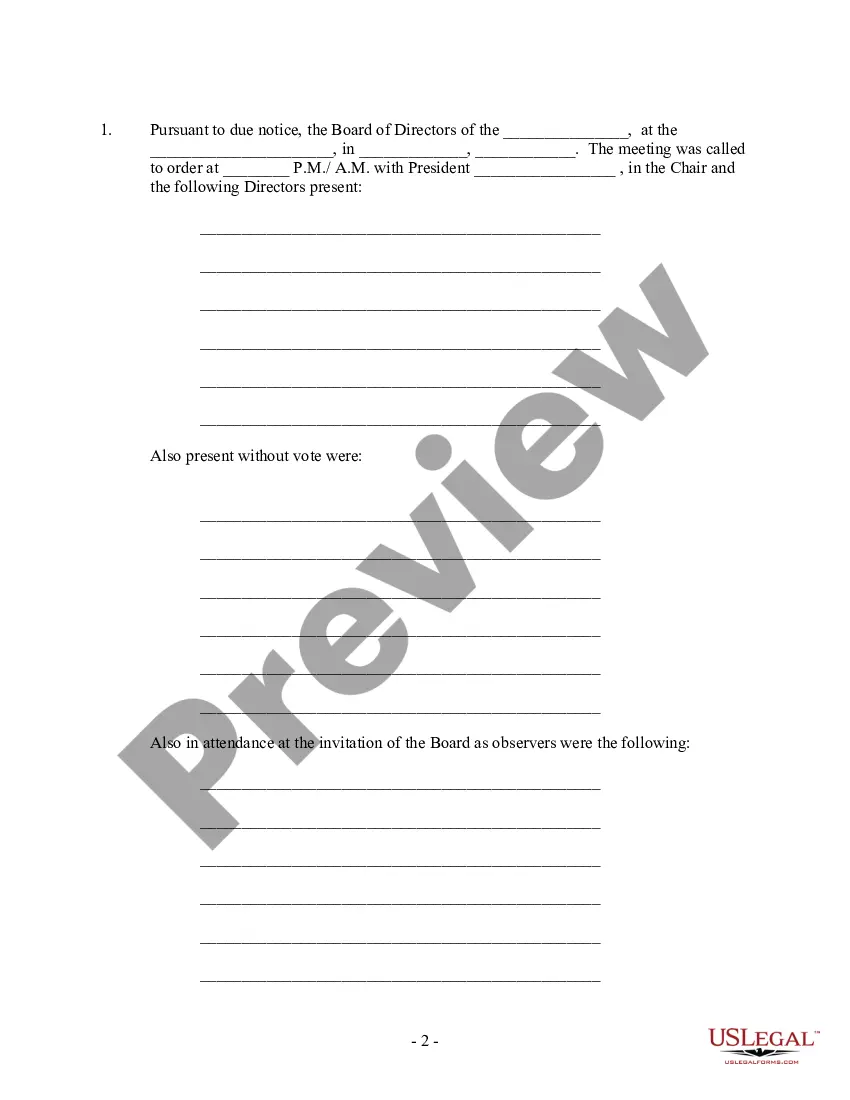
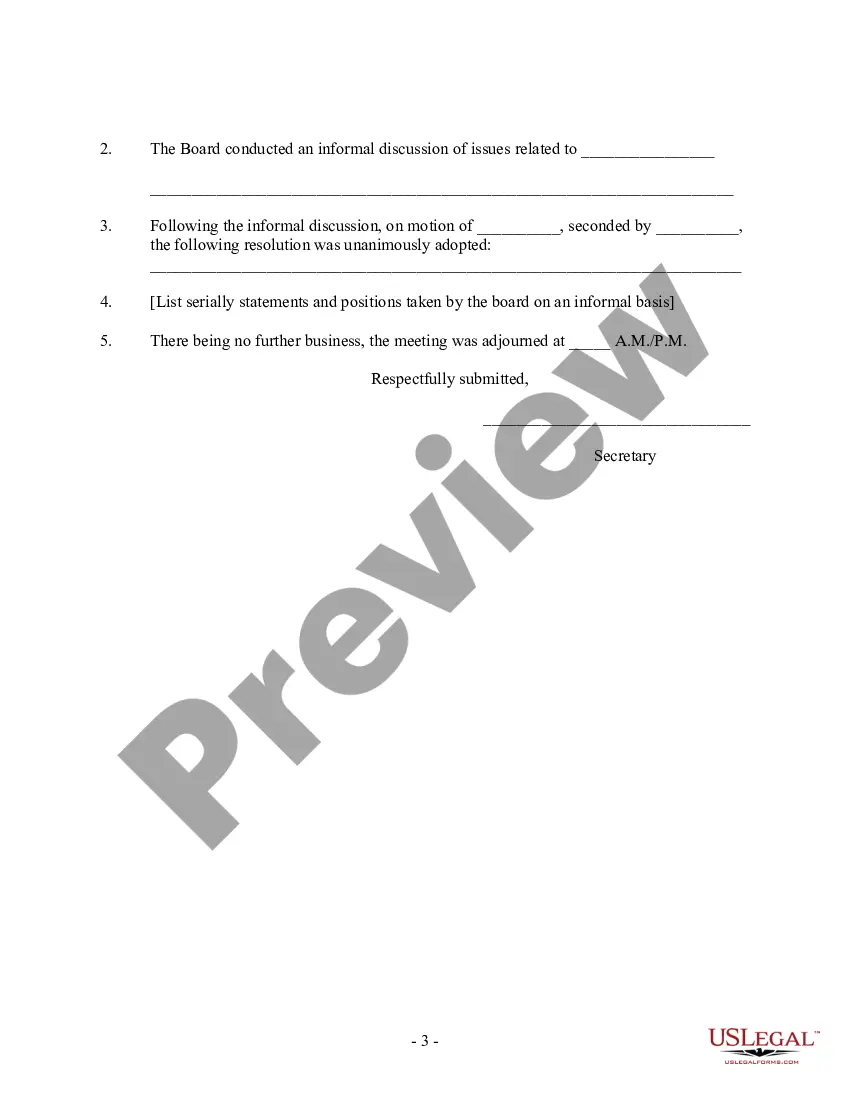




Get your form ready online
Our built-in tools help you complete, sign, share, and store your documents in one place.
Make edits, fill in missing information, and update formatting in US Legal Forms—just like you would in MS Word.
Download a copy, print it, send it by email, or mail it via USPS—whatever works best for your next step.
Sign and collect signatures with our SignNow integration. Send to multiple recipients, set reminders, and more. Go Premium to unlock E-Sign.
If this form requires notarization, complete it online through a secure video call—no need to meet a notary in person or wait for an appointment.
We protect your documents and personal data by following strict security and privacy standards.

Make edits, fill in missing information, and update formatting in US Legal Forms—just like you would in MS Word.

Download a copy, print it, send it by email, or mail it via USPS—whatever works best for your next step.

Sign and collect signatures with our SignNow integration. Send to multiple recipients, set reminders, and more. Go Premium to unlock E-Sign.

If this form requires notarization, complete it online through a secure video call—no need to meet a notary in person or wait for an appointment.

We protect your documents and personal data by following strict security and privacy standards.
Looking for another form?










Form popularity
FAQ
How to write a meeting agenda Clarify meeting objectives. Invite participant input. Outline key questions for discussion. Define each task's purpose. Allocate time for agenda items. Assign topic facilitators. Write the meeting agenda. Team meeting agenda.
Prioritizing mission-critical issues like strategic planning and minimizing time on routine efforts can make the most of the board's time. Discussing key risks and opportunities will also engage board members more than updates you could communicate in writing outside of a meeting.
How to write a meeting agenda Clarify meeting objectives. Invite participant input. Outline key questions for discussion. Define each task's purpose. Allocate time for agenda items. Assign topic facilitators. Write the meeting agenda. Team meeting agenda.
What are the 4 Ps of a meeting agenda? They are Purpose, Product, People, and Process. The meeting agenda should be distributed ahead of time and should include the discussion topics, time allocations, and any materials participants need to review beforehand.
To effectively implement Robert's Rules agenda, you should define a clear meeting objective, prioritize agenda items, and accept board directors' considerations. You can also set agenda timing, assign tasks to board members, and use consent agendas to keep meetings on track.
What to include in a meeting agenda Clarify and define goals. Ask participants for input. List key questions for discussion. Identify the purpose of each task. Allocate time to spend on each agenda item. Identify who leads each topic. End each meeting with a review.
Notice is hereby given that a meeting of the Board of Directors of the (Company Name) will be held at (Time) on (Day of the Week), the (Date in words) at (Board Meeting Address), to interalia consider the following business as under:-. 3.
During the meeting itself, the agenda should be followed in order from top to bottom, and each point needs to be addressed or voted on before moving on to the next items of business. The agenda should always be prepared in advance by the president or chairman (also known as the presiding officer) or the secretary.
What to include in a meeting agenda The purpose, goals, and objectives of the meeting. Points to be discussed, including time reserved for asking questions after each point. Timeframes for each point (including questions afterward) Name of person leading each action point. Final question round.
Steps for planning a meeting agenda Define results first. What are the results your group needs to achieve by the end of the meeting? ... Identify the meeting's time frame. List the meeting's topics. Allot time frames by topic. Plan participation strategies to address each topic. Do a sanity check.
