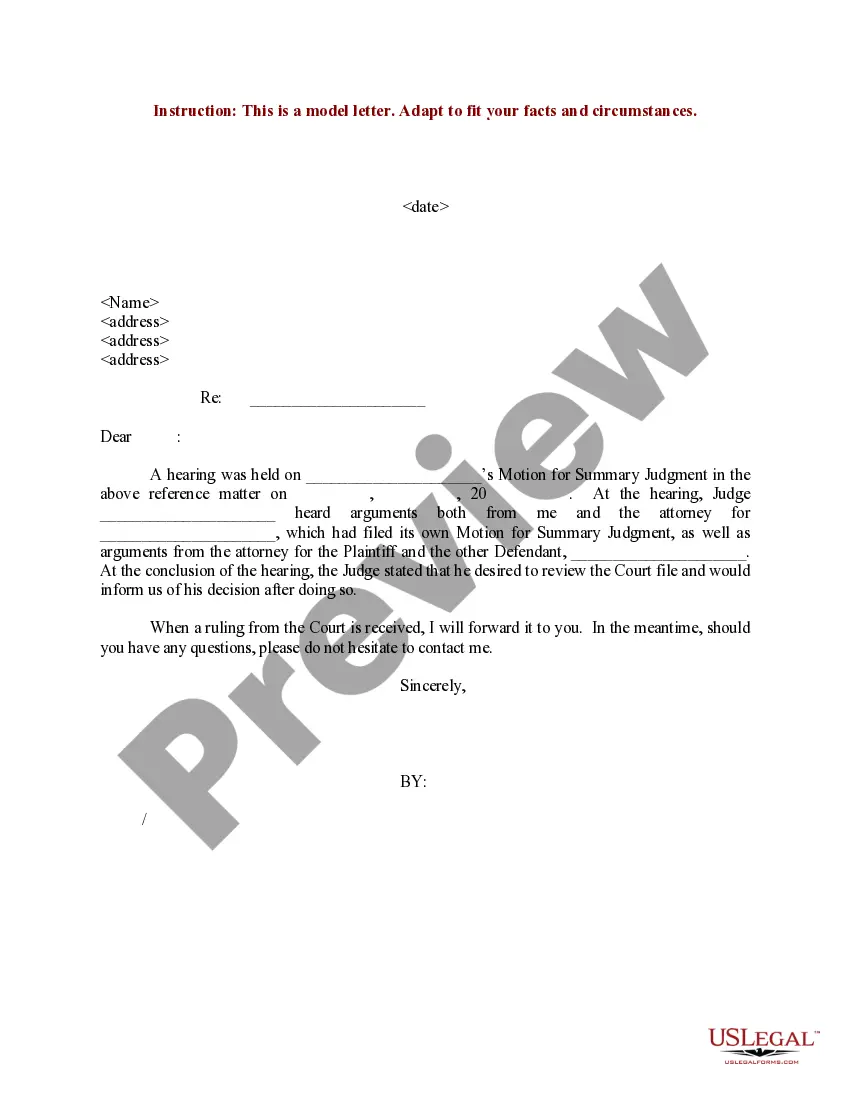
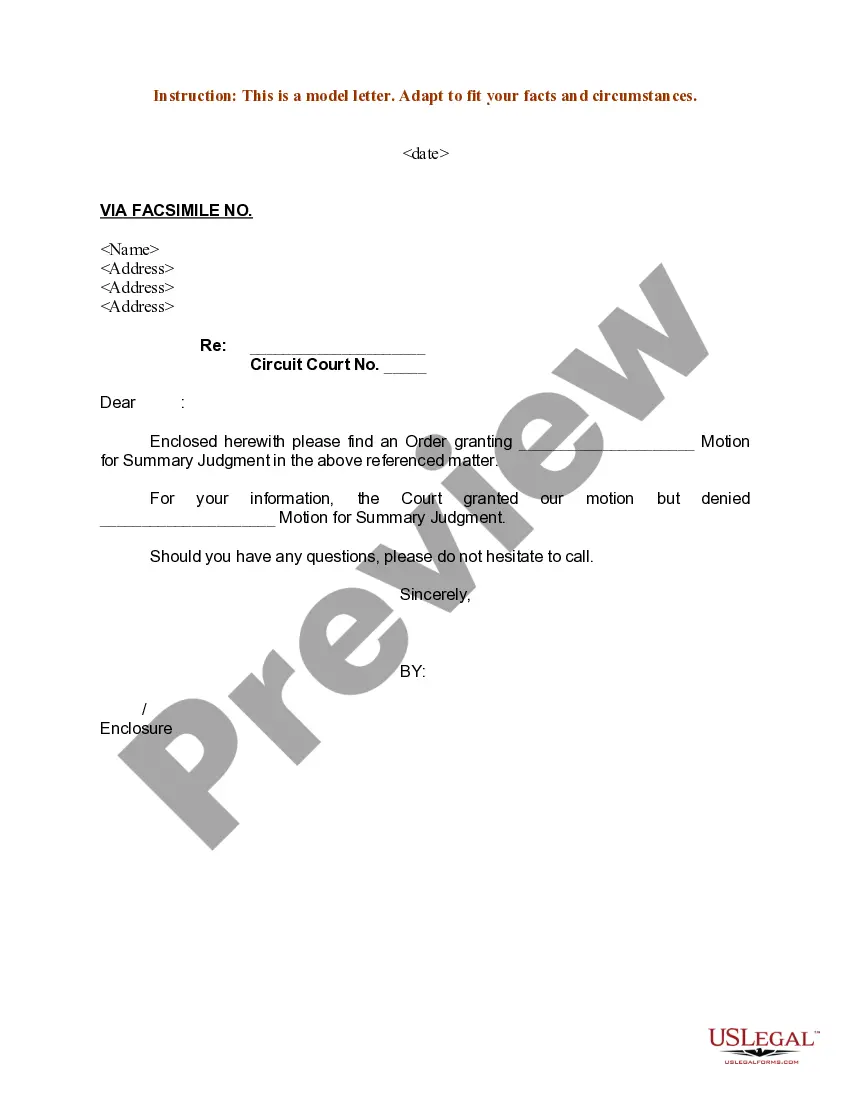
Letter Concerning Hearing For Court In Pima
Description
Get your form ready online
Our built-in tools help you complete, sign, share, and store your documents in one place.
Make edits, fill in missing information, and update formatting in US Legal Forms—just like you would in MS Word.
Download a copy, print it, send it by email, or mail it via USPS—whatever works best for your next step.
Sign and collect signatures with our SignNow integration. Send to multiple recipients, set reminders, and more. Go Premium to unlock E-Sign.
If this form requires notarization, complete it online through a secure video call—no need to meet a notary in person or wait for an appointment.
We protect your documents and personal data by following strict security and privacy standards.
Make edits, fill in missing information, and update formatting in US Legal Forms—just like you would in MS Word.
Download a copy, print it, send it by email, or mail it via USPS—whatever works best for your next step.
Sign and collect signatures with our SignNow integration. Send to multiple recipients, set reminders, and more. Go Premium to unlock E-Sign.

If this form requires notarization, complete it online through a secure video call—no need to meet a notary in person or wait for an appointment.
We protect your documents and personal data by following strict security and privacy standards.
Looking for another form?
Form popularity
FAQ
I have a warrant, what do I do? A: To quash a warrant, you must appear for a Motion to Quash hearing. Warrants are no longer quashed on the same day.
In addition to hearing appeals, the Arizona Supreme Court oversees the actions of the Arizona Bar Association and the Arizona Commission on Judicial Conduct. The Chief Justice of the Court also presides over Senate impeachment trials of public officials who are accused of crimes.
Article VI § 14 of the Arizona Constitution provides the superior court with jurisdiction over: Cases and proceedings in which exclusive jurisdiction is not vested by law in another court.
Matters of probate (wills, estates); dissolution or annulment of marriages (divorces); naturalization and the issuance of appropriate documents for these events; and, special cases and proceedings not otherwise provided for, and such other jurisdiction as may be provided by law.
Criminal cases amounting to a felony, and misdemeanor cases not otherwise provided for by law; forcible entry and detainer actions (evictions of renters); proceedings in insolvency (however, bankruptcy is handled in federal court);
Generally, your Summons and Complaint must be served within 90 days after you file the Complaint. (ARCP 4(i)) If you fail to serve the Defendants within 90 days, your Complaint will be dismissed.
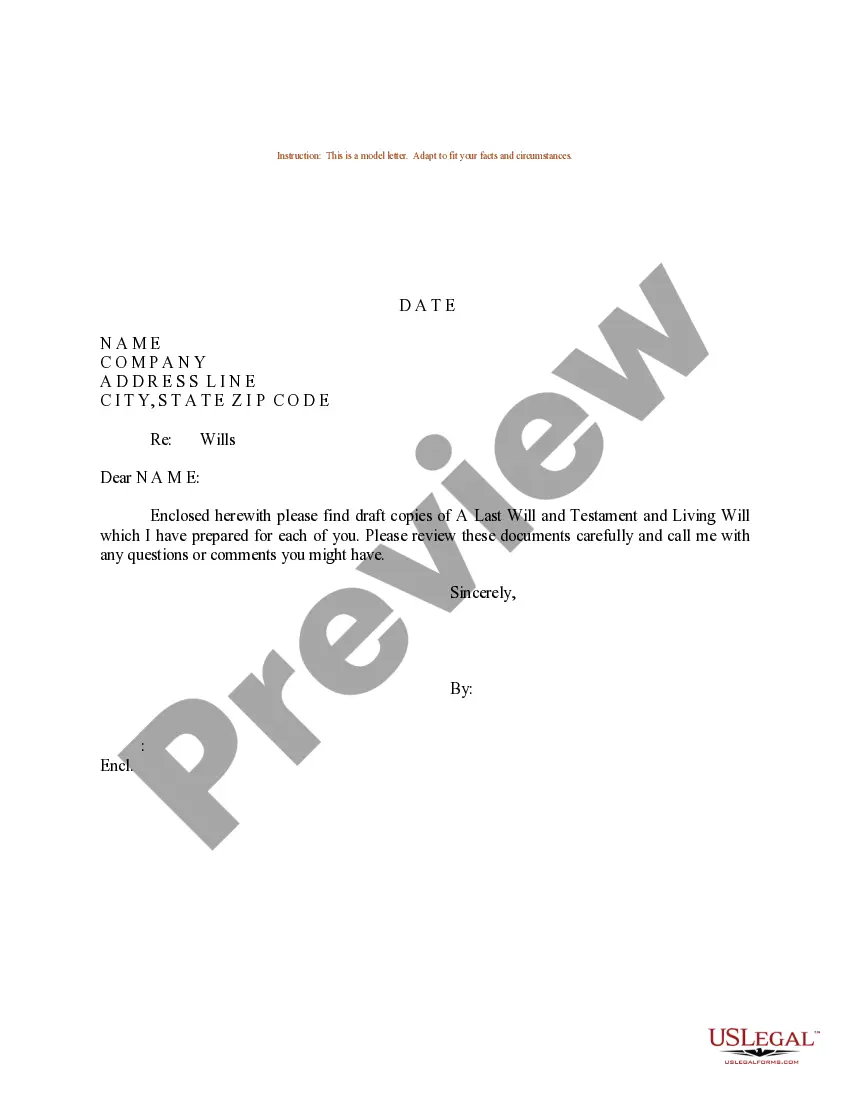
Writing Your Letter Search for a form letter. Some courts print off forms that you can use to request a hearing. Open a word processing document. Insert a salutation. Add a heading. Begin the letter with your request. Explain why you need the hearing. Provide a contact number. Sign the letter.
Courts of limited and special jurisdiction include the Justice Courts and the Magistrate Courts. Magistrate Courts are also referred to as City or Municipal Courts. The Arizona Superior Court, a court of general jurisdiction, is considered one court with locations in each of the 15 counties in the state.
Pima County - Judge Jeffrey Bergin. Honorable Jeffrey T. Bergin is the Associate Presiding Judge for the Superior Court in Pima County, and since his appointment in 2011, has served as presiding judge of the family court and civil court and served as a criminal bench trial judge.
Public Records Requests should be made directly to the agency where the records reside. Please read Title 39 of the Arizona Revised Statutes to learn more about accessing public records. For questions or concerns regarding public records requests, contact the Arizona Ombudsman Citizen's Aide .