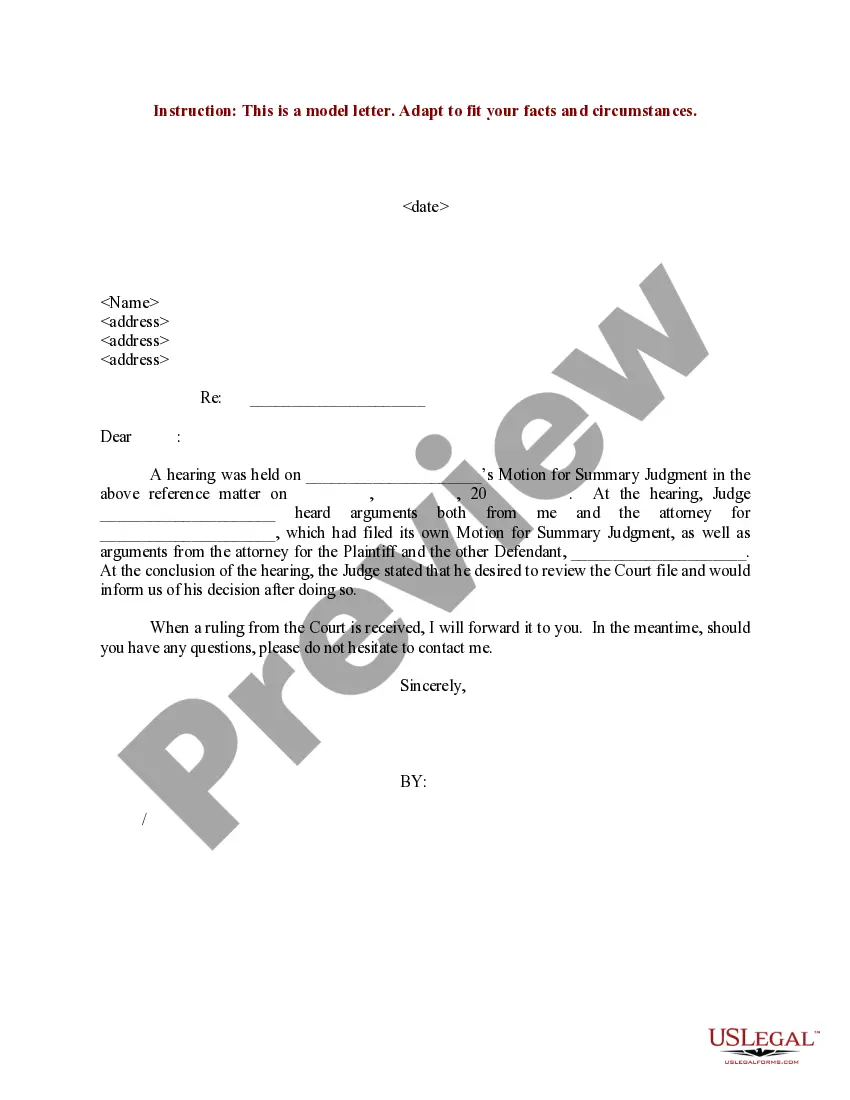
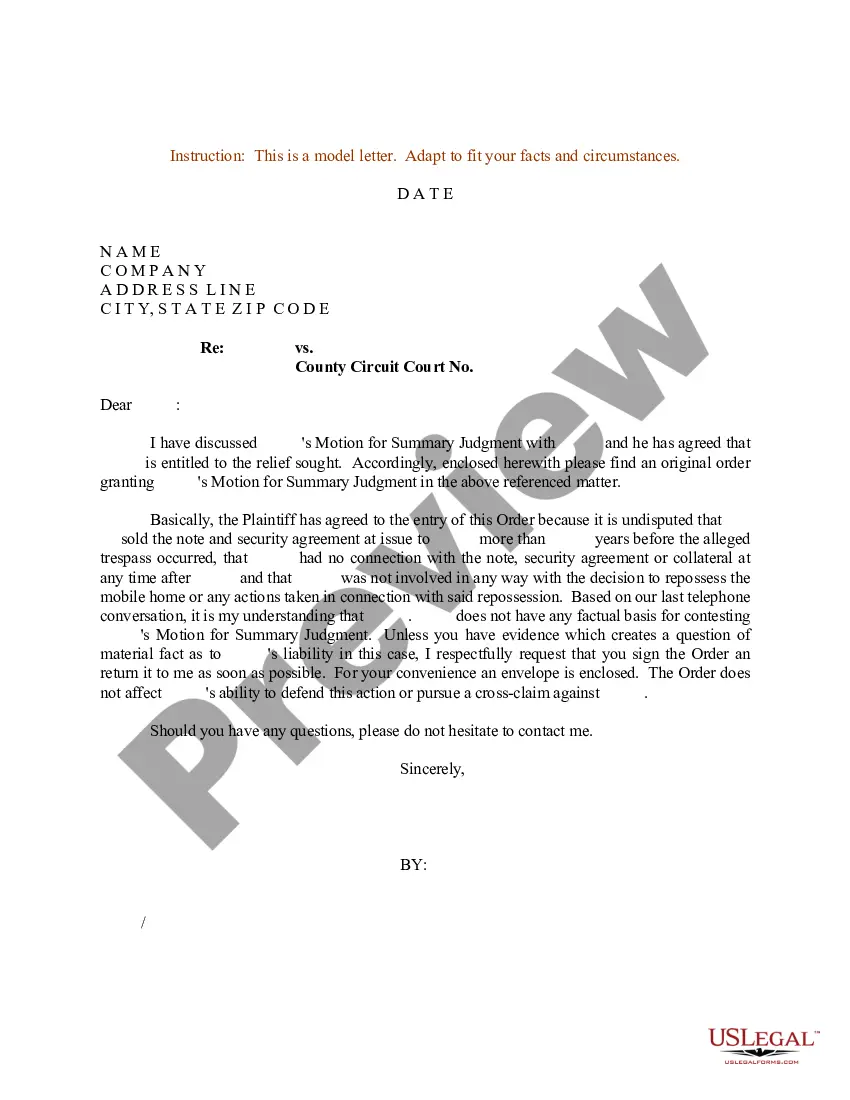
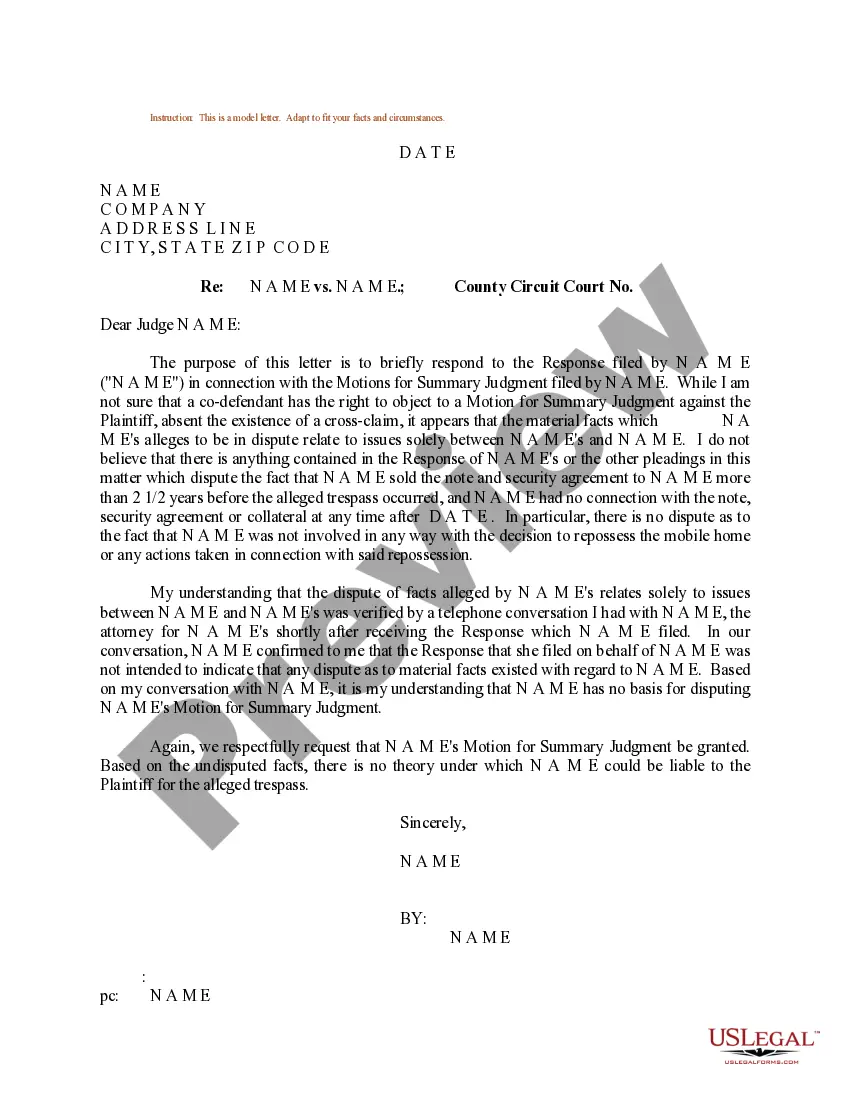
Letter Concerning Hearing Without Consent In Pennsylvania
Description
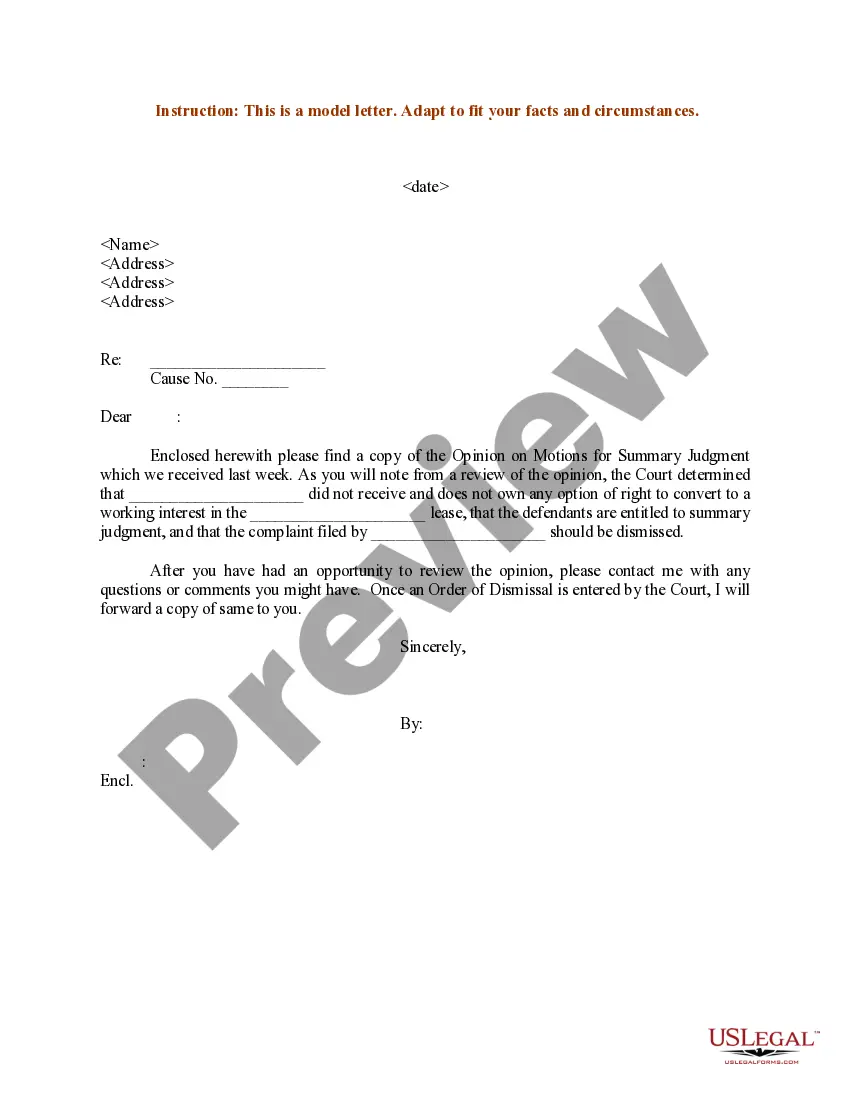
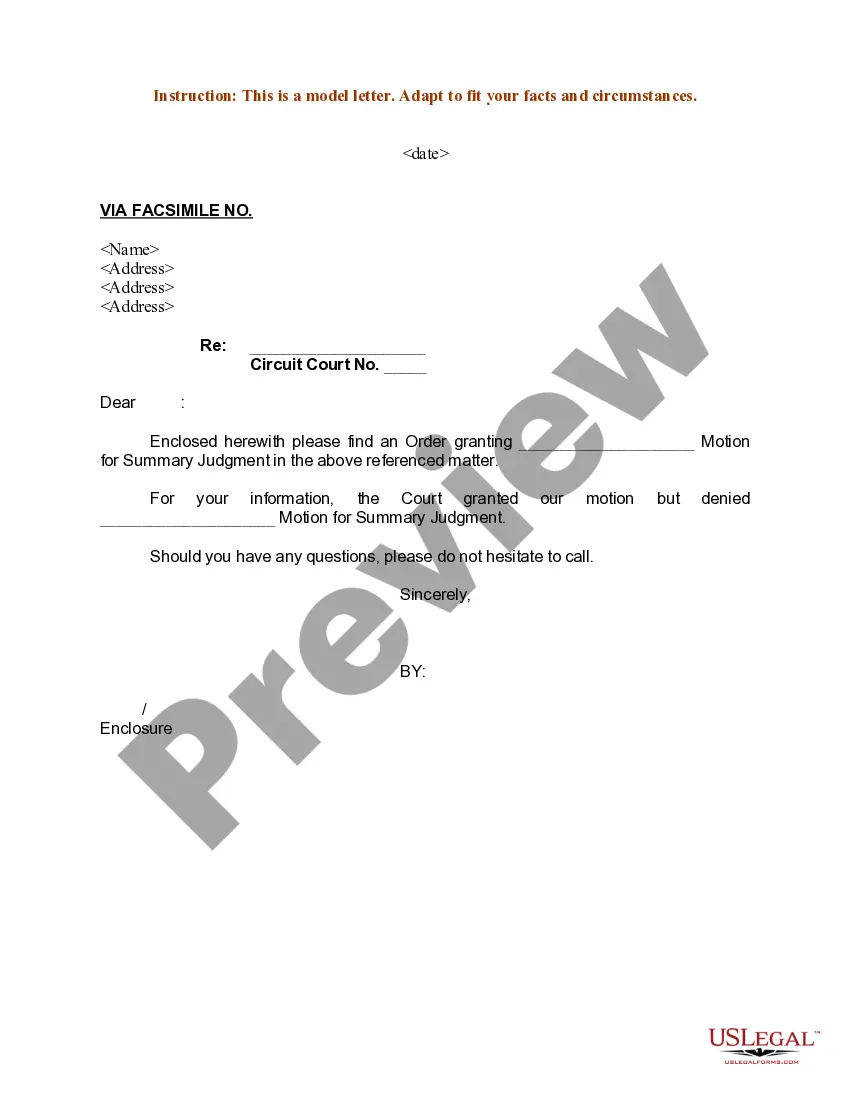
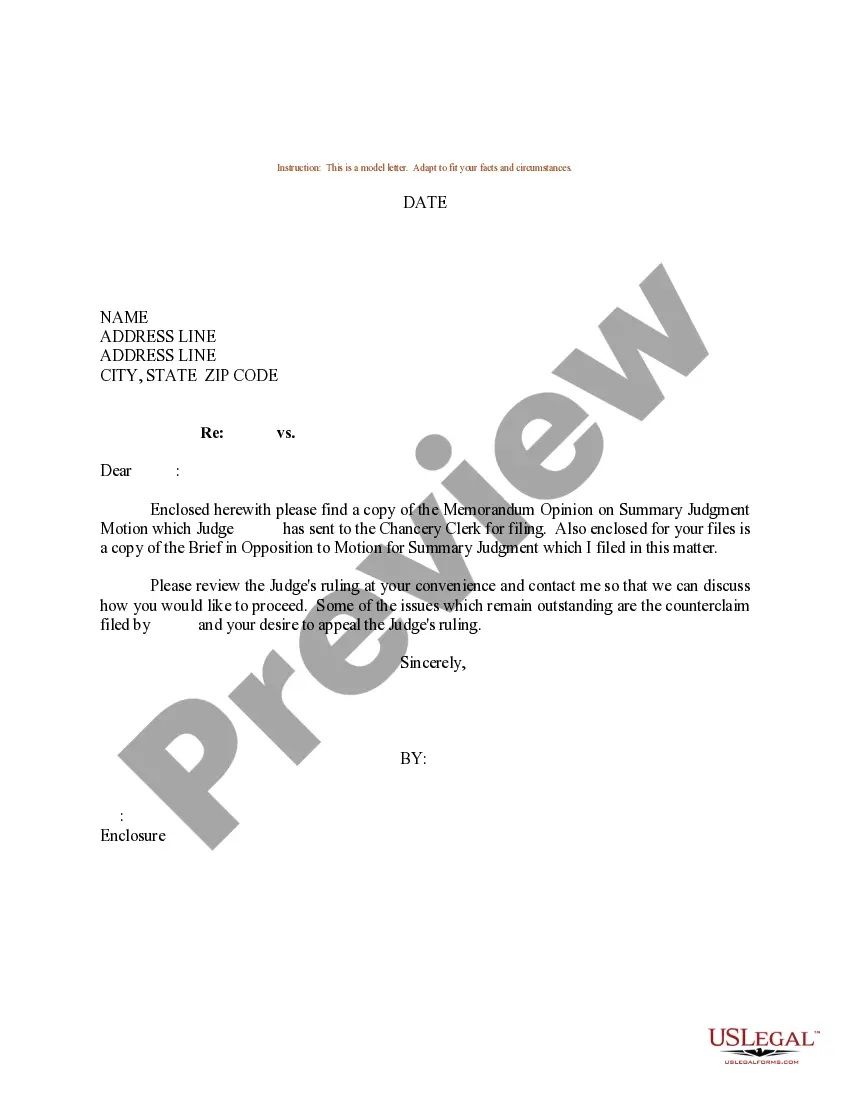
Get your form ready online
Our built-in tools help you complete, sign, share, and store your documents in one place.
Make edits, fill in missing information, and update formatting in US Legal Forms—just like you would in MS Word.
Download a copy, print it, send it by email, or mail it via USPS—whatever works best for your next step.
Sign and collect signatures with our SignNow integration. Send to multiple recipients, set reminders, and more. Go Premium to unlock E-Sign.
If this form requires notarization, complete it online through a secure video call—no need to meet a notary in person or wait for an appointment.
We protect your documents and personal data by following strict security and privacy standards.

Make edits, fill in missing information, and update formatting in US Legal Forms—just like you would in MS Word.

Download a copy, print it, send it by email, or mail it via USPS—whatever works best for your next step.

Sign and collect signatures with our SignNow integration. Send to multiple recipients, set reminders, and more. Go Premium to unlock E-Sign.

If this form requires notarization, complete it online through a secure video call—no need to meet a notary in person or wait for an appointment.

We protect your documents and personal data by following strict security and privacy standards.
Looking for another form?







Form popularity
FAQ
Personal injury lawsuits such as those stemming from car accidents, medical malpractice, or slip and fall incidents are a one type of civil suit. Other common civil lawsuits include breach of contract, product liability, divorce and family law, property disputes, and housing disputes.
Magisterial District Judges handle all traffic cases, minor criminal cases, and civil cases involving amounts up to $12,000.
Section 708. Exceptions for public records. (1) The burden of proving that a record of a Commonwealth agency or local agency is exempt from public access shall be on the Commonwealth agency or local agency receiving a request by a preponderance of the evidence.
Pennsylvania's Right to Know Law (RTKL) gives people access to the public records of government agencies. Read the Department of the Auditor General's RTKL policy.
As in most states, the statute of limitations in civil cases in Pennsylvania is two years. In most cases, this means that victims have two years from the date of their injury to file a civil lawsuit.
Pennsylvania's Wiretap Law makes it illegal to record private conversations - which can include conversations in public places - without the consent of all parties to the conversation.
You may be advised to file a complaint with the Pennsylvania Human Relations Commission (PHRC). We cannot forward your complaint to the PHRC. You must personally contact that agency and file the appropriate paperwork within 180 days of the alleged act of harm.
(c) A hard copy of the legal paper shall be signed and, as required, verified prior to the electronic filing of the legal paper, and the filing party shall retain such hard copy as required by Pa. O.C.