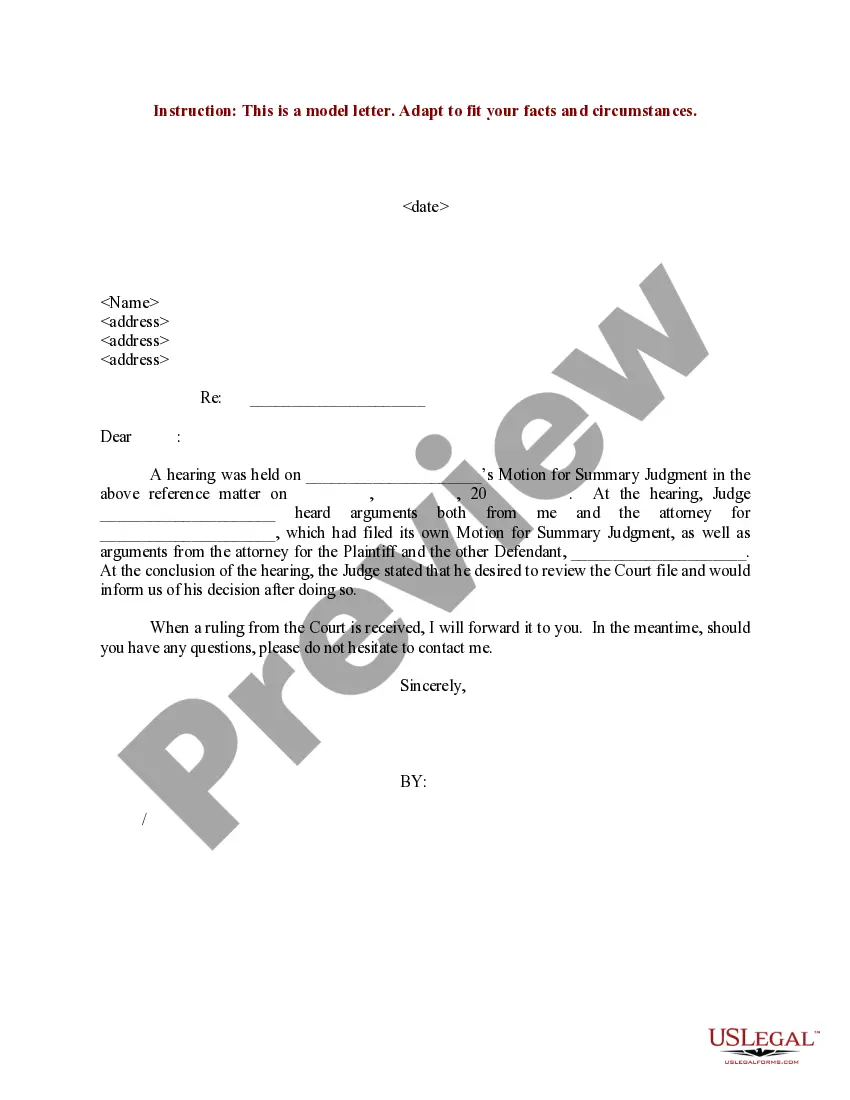
Letter Concerning Hearing Without Consent In Minnesota
Description
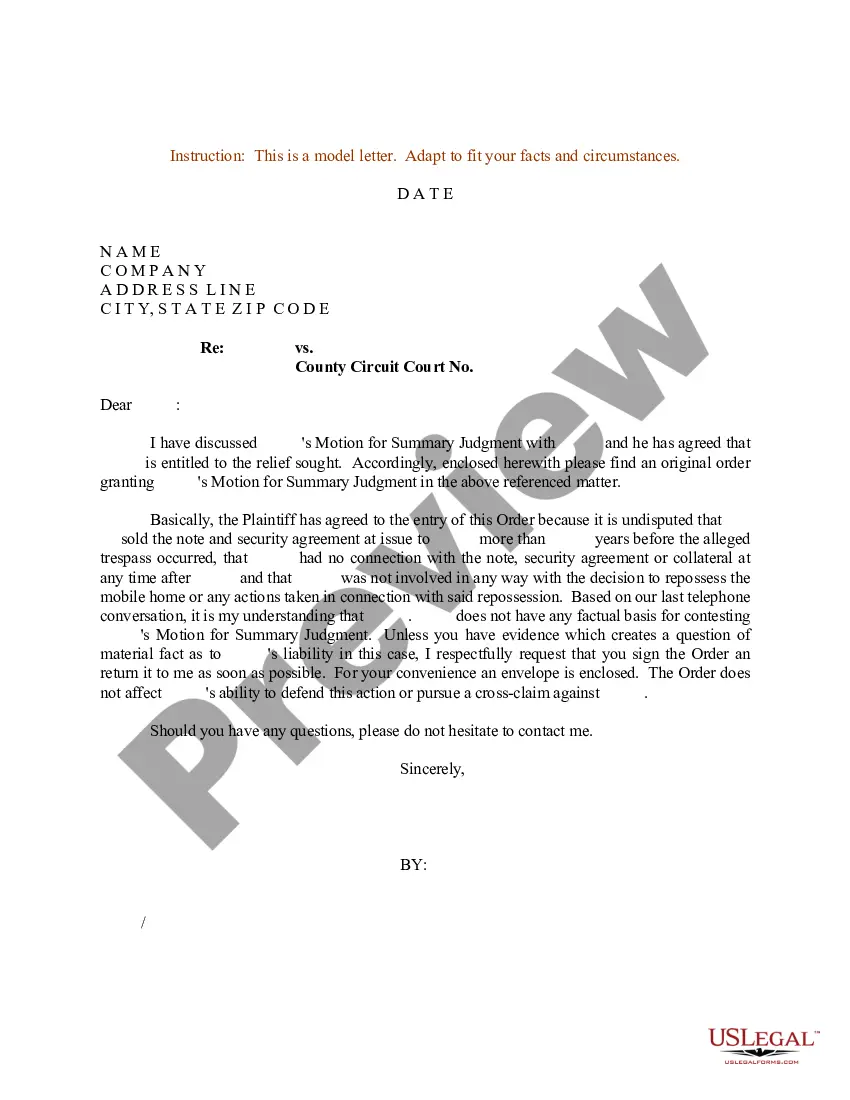
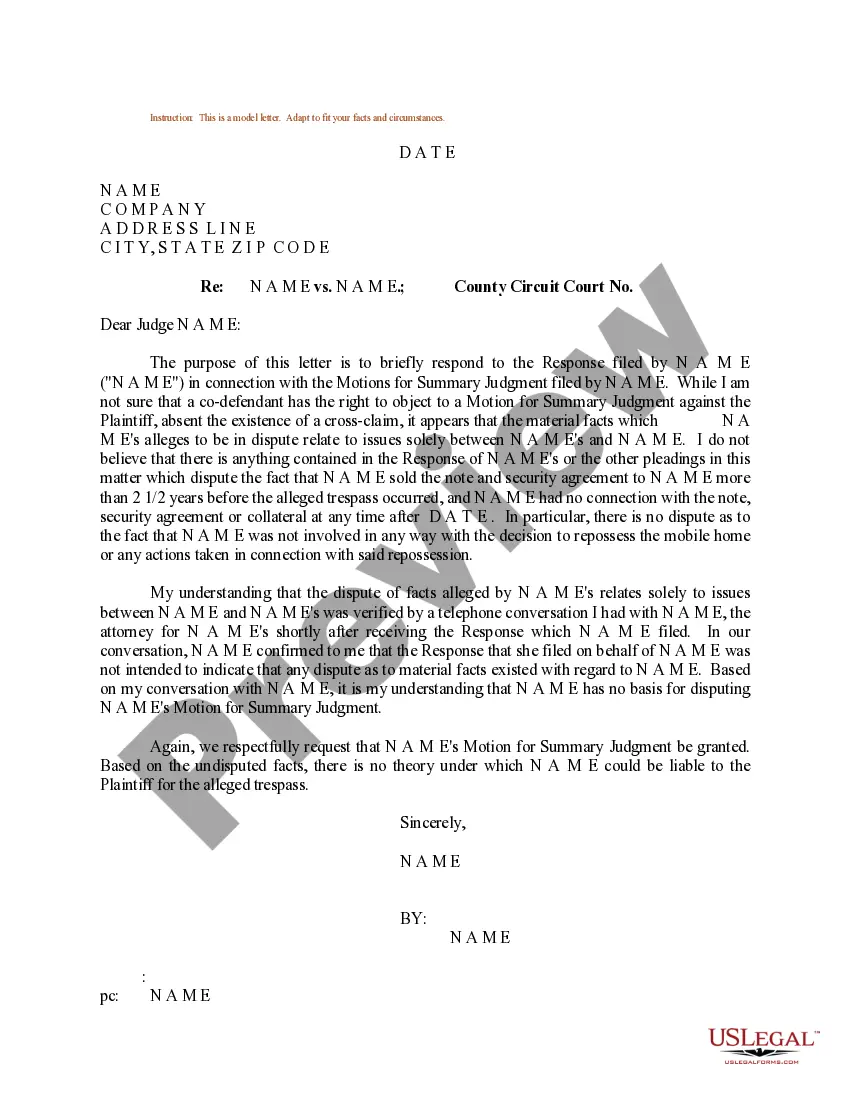
Get your form ready online
Our built-in tools help you complete, sign, share, and store your documents in one place.
Make edits, fill in missing information, and update formatting in US Legal Forms—just like you would in MS Word.
Download a copy, print it, send it by email, or mail it via USPS—whatever works best for your next step.
Sign and collect signatures with our SignNow integration. Send to multiple recipients, set reminders, and more. Go Premium to unlock E-Sign.
If this form requires notarization, complete it online through a secure video call—no need to meet a notary in person or wait for an appointment.
We protect your documents and personal data by following strict security and privacy standards.

Make edits, fill in missing information, and update formatting in US Legal Forms—just like you would in MS Word.

Download a copy, print it, send it by email, or mail it via USPS—whatever works best for your next step.

Sign and collect signatures with our SignNow integration. Send to multiple recipients, set reminders, and more. Go Premium to unlock E-Sign.

If this form requires notarization, complete it online through a secure video call—no need to meet a notary in person or wait for an appointment.

We protect your documents and personal data by following strict security and privacy standards.
Looking for another form?






Form popularity
FAQ
A Rule 8 Hearing is generally the second court appearance in Felony and Gross Misdemeanor cases. Some counties will not hold a Rule 8 Hearing unless you specifically request one. But if held, the hearing is meant to advise you of your rights for a second time.
Rule 26.04 - Post-Verdict Motions Subd. New Trial On Defendant's Motion. (1) Grounds. The court may-on written motion of a defendant-grant a new trial on the issue of guilt or the existence of facts to support an aggravated sentence, or both, on any of the following grounds: 1. The interests of justice; 2.
District judges need wide latitude in designing protective orders, and the Federal Rules of Civil Procedure reflect that approach. Rule 26(c) generously permits “for good cause shown” the making of “any order which justice requires” to protect against annoyance, embarrassment or undue burden occasioned by discovery.
The Groundwater Protection Rule (GPR) minimizes potential sources of nitrate pollution to the state's groundwater and protects our drinking water.
Minnesota, like many states, has “implied consent” laws, which refers to the implicit agreement that drivers make by driving on Minnesota roads – to consent to take a chemical test to determine the presence of alcohol or controlled substances.
Rule 115.11 is added to establish an explicit procedure for submitting motions for reconsideration. The rule permits such motions only with permission of the trial court. The request must be by letter, and should be directed to the judge who issued the decision for which reconsideration is sought.
Taking Testimony. In every trial the testimony of witnesses must be taken in open court, unless otherwise provided by a statute or by rules adopted under 28 U.S.C. §§2072–2077.
Rule 33. Interrogatories to Parties Interrogatories may, without leave of court, be served upon any party after service of the summons and complaint. No party may serve more than a total of 50 interrogatories upon any other party unless permitted to do so by the court upon motion, notice and a showing of good cause.
In motion hearings, parties' attorneys submit documents to the court before the hearing explaining what their side wants and why it should be granted. Except in special circumstances, witnesses do not testify in motion hearings.
You will need to submit a written request for an implied consent hearing. This is called the "implied consent petition," and your lawyer can help you correctly fill out this petition. If it is not correctly filled out, then your hearing can be denied. The petition must also list the issues that are to be challenged.