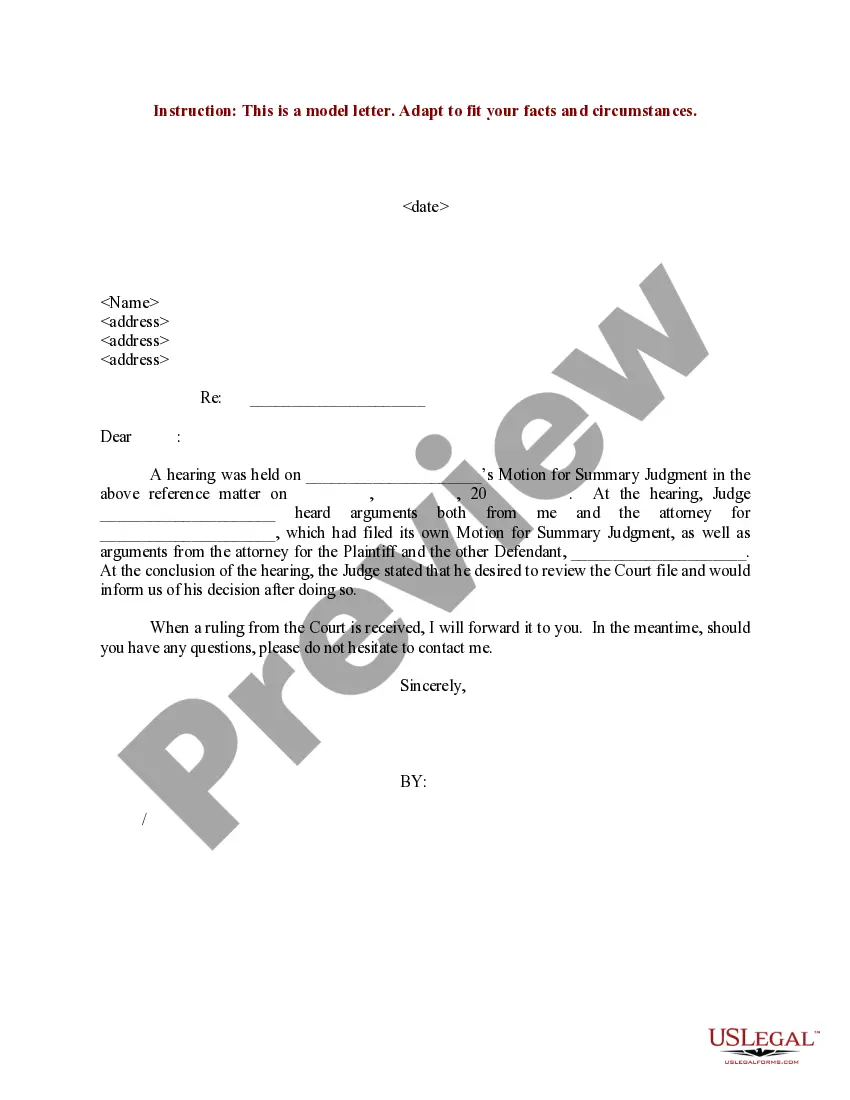
Motion Hearing In Court In Fulton
Description
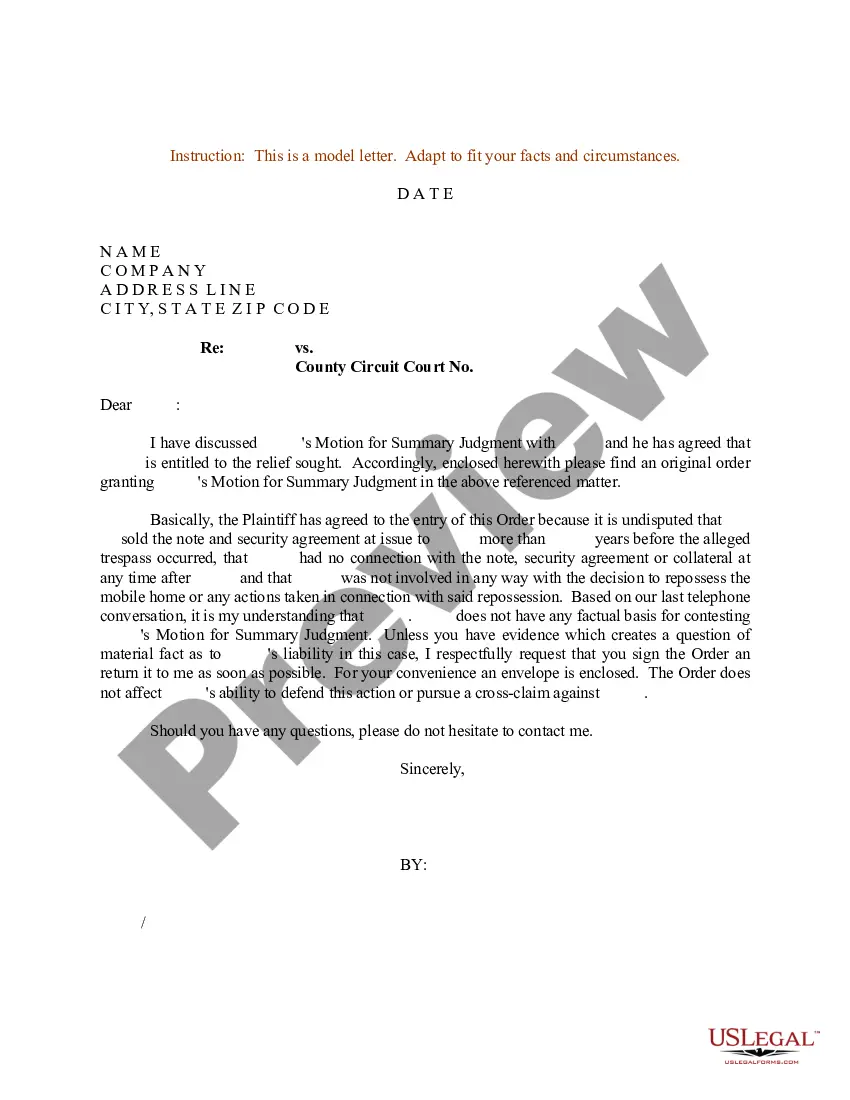
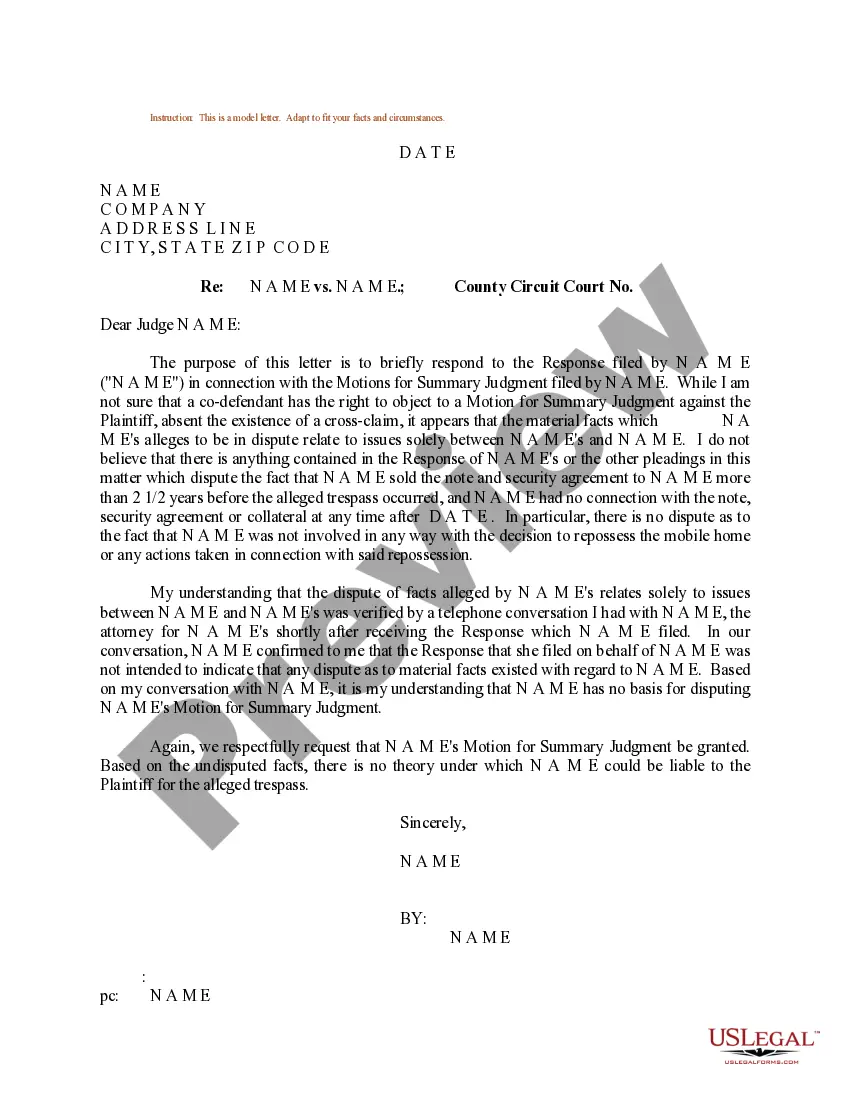
Get your form ready online
Our built-in tools help you complete, sign, share, and store your documents in one place.
Make edits, fill in missing information, and update formatting in US Legal Forms—just like you would in MS Word.
Download a copy, print it, send it by email, or mail it via USPS—whatever works best for your next step.
Sign and collect signatures with our SignNow integration. Send to multiple recipients, set reminders, and more. Go Premium to unlock E-Sign.
If this form requires notarization, complete it online through a secure video call—no need to meet a notary in person or wait for an appointment.
We protect your documents and personal data by following strict security and privacy standards.

Make edits, fill in missing information, and update formatting in US Legal Forms—just like you would in MS Word.

Download a copy, print it, send it by email, or mail it via USPS—whatever works best for your next step.

Sign and collect signatures with our SignNow integration. Send to multiple recipients, set reminders, and more. Go Premium to unlock E-Sign.

If this form requires notarization, complete it online through a secure video call—no need to meet a notary in person or wait for an appointment.

We protect your documents and personal data by following strict security and privacy standards.
Looking for another form?









Form popularity
FAQ
The court will schedule your hearing. During this hearing, the judge makes sure both your Los Angeles criminal defense lawyer and the prosecution are ready to proceed. The judge also hears any legal arguments related to the motion your lawyer has to make.
If you want to file a motion, the process is generally something like this: You write your motion. You file your motion with the court clerk. The court clerk inserts the date and time your motion will be heard by the judge. You “serve” (mail) your motion to the other side.
In general, a status hearing is simply a date for the judge to check in with the prosecutor, criminal defense attorney and the criminal defendant on how the case is going and whether it will be resolved without trial.
Motion Hearings: These hearings occur when one party in the case wants the judge to make a decision on a specific aspect of the case before the trial. They can vary in length, often taking anywhere from a few minutes to several hours, depending on the complexity of the motion being discussed.
Motion hearings serve as critical junctures in the legal process, allowing parties to address both procedural and substantive matters before trial. By narrowing the scope of disputes and enhancing judicial efficiency, they play a pivotal role in conserving valuable time and resources for all involved.
Navigating the motion hearing process The party who filed the motion, often known as the “movant,” presents their arguments first. The movant will outline the legal basis for the motion, reference relevant laws or precedents, and present any supporting evidence or documents to bolster their position.
A motion is an application to the court made by the prosecutor or defense attorney, requesting that the court make a decision on a certain issue before the trial begins. The motion can affect the trial, courtroom, defendants, evidence, or testimony. Only judges decide the outcome of motions.
At or after the hearing, the judge will make a decision on your motion. The judge might write an order on your motion herself. Or she might direct one of the parties to prepare the order for her signature.
A motion is a written request made to the court, asking the judge to issue an order. The motion must be supported by evidence.