Chattel Form Paper Withdrawal In Orange
Description

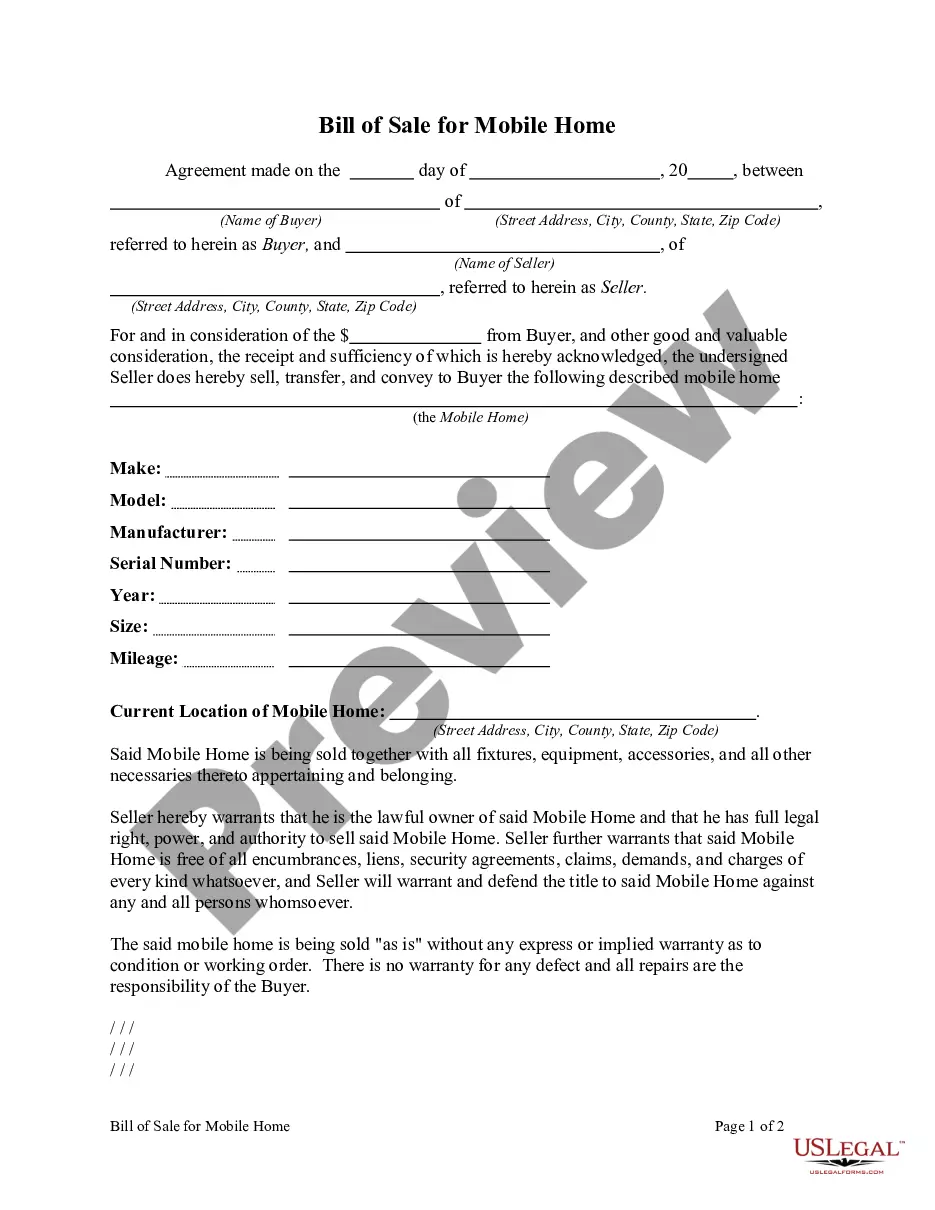
Get your form ready online
Our built-in tools help you complete, sign, share, and store your documents in one place.
Make edits, fill in missing information, and update formatting in US Legal Forms—just like you would in MS Word.
Download a copy, print it, send it by email, or mail it via USPS—whatever works best for your next step.
Sign and collect signatures with our SignNow integration. Send to multiple recipients, set reminders, and more. Go Premium to unlock E-Sign.
If this form requires notarization, complete it online through a secure video call—no need to meet a notary in person or wait for an appointment.
We protect your documents and personal data by following strict security and privacy standards.

Make edits, fill in missing information, and update formatting in US Legal Forms—just like you would in MS Word.

Download a copy, print it, send it by email, or mail it via USPS—whatever works best for your next step.

Sign and collect signatures with our SignNow integration. Send to multiple recipients, set reminders, and more. Go Premium to unlock E-Sign.

If this form requires notarization, complete it online through a secure video call—no need to meet a notary in person or wait for an appointment.

We protect your documents and personal data by following strict security and privacy standards.
Looking for another form?








Form popularity
FAQ
If coursework, commitments, and responsibilities start to overwhelm you, consider dropping a class. Symptoms of overscheduling include heightened stress levels, declining academic performance, and compromised well-being. Dropping a class to alleviate the burden can help you prioritize self-care and life balance.
Withdrawing from the Class Check your school's deadline for withdrawal. Withdraw online through your student account. Contact the registrar's office to withdraw. Fill out your student information. Return the form.
If you must withdraw, you should always withdraw officially by going to your advisor or dropping the class on your student account. You should not withdraw from a class by not going to the class anymore.
A: A self-represented litigant may voluntarily participate in e-filing by electronically recording his or her consent at the NYSCEF site, registering as an authorized e-filer with NYSCEF, entering the case and contact information about the matter, and e-filing a copy of the notice of appeal, the judgment or order ...
An eligible consensual case that was commenced and continued in hard copy form may be converted to a NYSCEF case by filing a Stipulation and Consent to E–Filing (found on the website) with the court. Any such conversion should be done promptly after commencement.
When filing the unredacted document on NYSCEF, choose the “Request to Seal” option when selecting the “Document Type.” The provisional sealing expires, absent court order, after five days.
To file a motion for contempt in New York, certain criteria must be met. There must be an existing order of the court that is clear and unambiguous, and the accused must be proven to have known about this order and willfully disobeyed it.
An eligible consensual case that was commenced and continued in hard copy form may be converted to a NYSCEF case by filing a Stipulation and Consent to E–Filing (found on the website) with the court. Any such conversion should be done promptly after commencement.
